
2
PCBs in the Environment
This chapter provides an overview of PCBs in the environment as a background to understanding their history of use, sources of input to the environment, distribution in the environment, and their human health and ecological effects. Because PCBs are such complex chemicals, knowledge of their chemical and physical properties is needed to understand their transport, fate, and toxicity. Considerable new information has become available in the past two decades and new information from field and laboratory studies is published regularly.
DEFINING PCBs
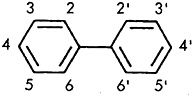
Polychlorinated biphenyls, or PCBs, as they are commonly called, have been used industrially since 1929 (Jensen 1972), and are entirely of anthropogenic origin. The backbone of the chemical structure is a biphenyl, consisting of two hexagonal “rings” of carbon atoms connected by carbon-carbon bonds. The specific manner by which the carbon atoms share electrons forming the hexagonal rings leads to the biphenyl being an “aromatic” compound. Polychlorinated biphenyls have between 1 and 10 chlorine atoms substituting for hydrogen atoms on the biphenyl rings (Figure 2–1). The various number and positions of the chlorine atoms on the biphenyl molecule result in up to 209 possible chemical structures designated as congeners in the scientific literature. PCBs are subdivided into groups based on the degree of chlorination or number of chlorine atoms per biphenyl molecule (e.g., trichlorobi-
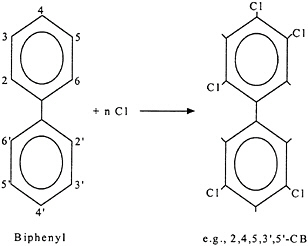
FIGURE 2–1 Synthesis of PCBs (e.g., 2,3′,4,5,5′-pentachlorobiphenyl) by direct chlorination of biphenyl.
phenyls (three chlorines) and tetrachlorobiphenyls (four chlorines)). The PCBs within a series of structures of specific chlorine content are known as homologues (i.e., the mono-, di-, tri-, tetra-, penta-, hexa-, hepta-, octa-, nona-, and decachlorobiphenyl homologues). Within a homologue group (e.g., the trichlorobiphenyls), the individual chlorobiphenyl molecules are isomers of each other, meaning that they each have the same number of chlorine atoms, but these chlorine atoms are arranged at different positions on the biphenyl rings. Examples of chemical structures of PCBs are provided in Figures 2–2 and 2–3. A complete list of congeners is in Appendix H. Since the chlorine atom is part of the group of elements known as halogens (others are fluorine, bromine, and iodine), polychlorinated biphenyls are part of a larger group of chemicals known as halogenated aromatic compounds.
Industrial PCBs were complex mixtures composed of up to 50 or 60 congeners (or individual chlorobiphenyls). The composition of the PCB mixture was governed by the reaction conditions and the reaction properties by which they were manufactured. These conditions and properties favor the production of specific congeners; thus, there are different relative proportions of congeners within given industrial mixtures. These mixtures exist as liquids to viscous solids. Between 1930 and 1977, when their industrial manufacture was banned in the United States, these mixtures were produced almost exclusively by Monsanto under the commercial name of Aroclors. Each Aroclor has a code number (e.g., Aroclor 1242, Aroclor 1248, and Aroclor 1254), the
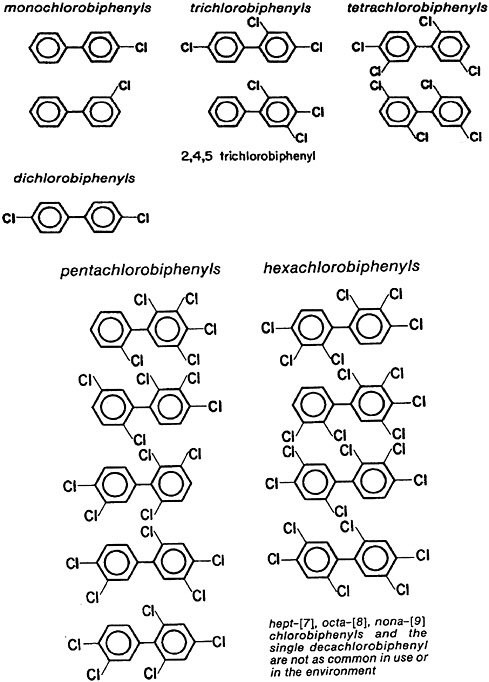
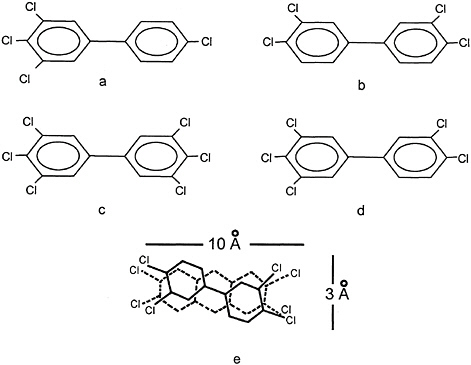
FIGURE 2–3 Coplanar PCBs with no ortho-chlorines: (a) 3,4,4′,5-tetra-chlorinated biphenyl; (b) 3,3′,4,4′-tetra-chlorinated biphenyl; (c) 3,3′,4,4′,5,5′-hexa-chlorinated biphenyl; (d) 3,3′,4,4′,5-penta-chlorinated biphenyl; (e) comparison of the shape and size of a coplanar chlorinated biphenyl to 2,3,7,8-TCDD.
last two numbers of which generally, but not always, refer to the percent by weight of chlorine in the mixture. For example, Aroclor 1254 is 54% chlorine by weight. Manufacturers of PCBs in other countries used different commercial names for PCBs—for example, Kanechlor (Japan), Santotherm (Japan), Phenolclor (France), Pyralene (France), Fenclor (Italy), Soval (Soviet Union), and Clophens (Germany). It is important to note that use of Aroclor as a trade name was not restricted to PCBs but was used for other polyhalogenated aromatic mixtures as well.
History of PCBs
PCBs, manufactured in the United States from 1929 to 1977, were used widely as insulating fluids in electrical equipment such as transformers and
capacitors, as well as in hydraulic systems, surface coatings, and flame retardants. Their chemical properties, such as nonflammability, chemical and thermal stability, dielectric properties, and miscibility with organic compounds, were responsible for many of their industrial applications. Their primary domestic uses in the United States as of 1970 are summarized in Table 2–1.
Between 1929 and 1977, approximately 700,000 tons of PCBs were manufactured in the United States; 625,000 tons were used domestically and 75,000 tons were exported. Use of PCBs peaked in 1970 at 42,500 tons annually. The U.S. Environmental Protection Agency (EPA) estimates that over half of the PCBs sold in the United States were disposed of before enactment of federal regulations in 1976 (EPA 1999b).
Although PCBs are no longer commercially manufactured and their disposal from existing industrial equipment is heavily regulated, there are several potential sources for continuing environmental releases. These sources include (1) continued use and disposal of PCB-containing products such as transformers, capacitors, and other electrical equipment that were manufactured before 1977, (2) combustion of PCB-containing materials, (3) recycling of PCB-contaminated products, such as carbonless copy paper, and (4) releases of PCBs from waste storage and disposal. Old consumer goods and household waste might also contain PCBs and their use and disposal are unregulated.
The EPA database for registered electrical transformers (EPA 2000a) shows that, as of 1998, the 18,714 transformers listed contained a total of about 54,000 tons of PCBs, and as of 1988, 141,000 tons of PCBs remained in service in electrical equipment. Due to the long service life of this equipment, considerable amounts of PCBs are likely to remain in use for many
TABLE 2–1 Domestic Uses of PCBs
|
Category |
Type of Product |
New Total Use |
|
Closed electrical systems |
Transformer, capacitors, other (minor) electrical insulating and cooling applications |
61% before 1971; 100% after 1971 |
|
Nominally closed systems |
Hydraulic fluids, heat transfer fluids, lubricants |
13% before 1971; 0% after 1971 |
|
Open-end applications |
Plasticizers, surface coatings, ink and dye carriers, adhesives, pesticide extenders, carbonless copy paper, dyes |
26% before 1971; 0% after 1971 |
|
Source: NRC (1979). |
||
years. Spills of PCBs during handling or transport are an additional source of contamination. Between 1989 and 2001, there were 2,611 such spills (USCG 2001). Spills of greater than 1 pound of PCBs are reported to the EPA National Response Center.
The National Toxics Inventory, an inventory conducted every 3 years by EPA under the Clean Air Act Amendments of 1990, reports atmospheric releases of hazardous air pollutants, including PCBs, from mobile and stationary sources. Point source air emissions of PCBs were 136 pounds per year from 127 maximum achievable control technology sources, which included utility boilers, industrial boilers, waste incineration, sewerage sludge incineration, portland cement manufacturing, municipal landfill, and other biological incineration (EPA 2000b). Unquantified emissions include accidental fires or uncontrolled combustion sources. The Toxic Release Inventory for 1998 reported that 3,747,166 pounds of PCBs were released (to air, surface water, land, and underground injection) from all industries in the United States (EPA 2000c). Facilities with effluent discharges are required to report PCB releases for permit compliance purposes under the Clean Water Act. On an annual basis, most of these releases are quite small.
Under the Toxic Substances Control Act (TSCA) of 1976, all uses of PCBs are banned with certain exceptions. These exceptions include totally enclosed activities, such as certain electrical equipment—an authorized use, or exempted use under a special petition. These uses or activities are allowed because EPA has determined that they provide no unreasonable risk to human health or the environment. In general, materials containing PCBs at less than 50 parts per million (ppm) are considered “non-PCB” items by EPA and are not regulated under TSCA. Exemptions under TSCA for manufacturing, processing and distributing PCBs in commerce have been provided for their use in microscopy oils and research and development activities.
TSCA also regulates the inadvertent generation of PCBs. EPA has estimated that more than 200 chemical processes can inadvertently generate PCBs. Products that might be a new source of PCBs include chlorinated solvents, paints, printing inks, agricultural chemicals, plastic materials, and detergent bars. The annual PCB concentration in wastes from these manufacturing processes or imported in the United States must average no more than 25 ppm, with a maximum level of 50 ppm; detergent bars must contain less than 5 ppm of PCBs. Releases of inadvertently produced PCBs from manufacturing operations must contain less than 10 ppm for air releases and less than 100 ppb for water discharges (EPA 1999b).
Recently, a number of unrecognized uses of PCBs have been identified under the category of nonliquid PCBs (EPA 1999a). Currently in use, these solid materials were manufactured with PCBs as an intermediary reactant, and
include insulation (wool felt, foam rubber, and fiberglass), sound-dampening materials, paints, water-proofing materials, coatings for water pipes and storage tanks, and other materials, many of which have been found in federal buildings or military equipment, such as naval vessels. Although these solid materials might not present a current health risk from PCB exposure, they might become a significant source of PCB exposure as their utility expires.
Another continuing source of PCBs are recycling activities that keep PCBs in circulation for many years. Materials that might contain PCBs include automobile and truck parts (e.g., nonmetallic parts such as glass and plastic), military equipment (e.g., ship parts), plastics, asphalt-roofing materials, and paper.
In most other countries, PCB production is also banned. However, PCBs are reported to be manufactured in Russia and might also be manufactured in North Korea (Carpenter 1998). If that is the case, PCBs might be entering the environment both in those countries and in other countries that buy their PCB-containing products. Although these sources of PCBs are likely to be relatively small, they are a new source of PCBs in the environment. Unfortunately, estimates of continuing worldwide production of PCBs are not available. Such information would improve our understanding of the global balance of PCBs in the environment and the potential long-term impact of site management efforts.
These continuing and new sources of PCBs to the global environment are important to consider as various physical, chemical, and biological processes transport PCBs regionally and globally. This issue is discussed in more detail in the next section.
DISTRIBUTION AND DYNAMICS OF PCBs IN THE ENVIRONMENT
The chemical properties of PCBs, such as stability and low reactivity, made them ideal for many industrial uses. PCBs are slow to biodegrade in the environment in comparison with many other organic chemicals and are generally persistent in all media. PCBs have relatively low water solubility and low vapor pressures (Erickson 1997) that allow them to partition between water and the atmosphere. Once released into the environment, PCBs tend to partition to the more organic components of the environment. For that reason, PCBs adsorb to organic matter in soils and sediments. As a result, PCBs can be found in almost every compartment in the environment (Tanabe 1988).
PCBs adhere to the surfaces of organic particles in the water column, resulting in their eventual deposition and accumulation in sediments. The highest concentrations of PCBs are typically found in fine-grained, organically
rich sediments. Horizontal and vertical variations in PCB concentrations in sediments are common and are dependent on the history of PCB inputs to the ecosystem and on the temporal and spatial deposition patterns of fine- and coarse-grained sediments.
At sites without new inputs of PCBs, the greatest concentrations tend to be found below the surficial sediments, where contaminated sediments are buried by less-contaminated sediments. The distribution of PCBs in sediments is affected by such factors as continuing use and disposal of PCBs; leaching from disposal sites; resuspension by turbulence; redeposition (hydrodynamic forces); chemical changes; and physical and biological mixing of the sediment. The different physical and chemical properties of the individual congeners determine their behavior during those various dynamic processes. As a result, identifying the specific environmental characteristics of PCB-contaminated sediments is challenging. Sediment characterization typically involves a combination of sampling techniques that include direct measurement of PCBs by high-resolution analytical methods and direct and indirect measurement of sediment properties.
PCBs are considered to exist in three phases in the sediment and overlying water: freely dissolved, associated with dissolved organic carbon (DOC),1 and sorbed to particles.2 PCBs sorbed to particles are subject to settling, resuspension, and burial. Particles suspended in the water column are affected by hydrodynamic conditions. PCBs that are freely dissolved or associated with DOC can cross the sediment-water interface and move between the deeper sediments (below the bioturbation or bioactive surface sediment) and the surface sediment. This movement is largely a function of diffusion between the sediment pore water, and the overlying water column. It is dependent on the detailed hydrodynamic structure at the water-sediment interface and can be greatly enhanced by bioturbation caused by organisms living in the sediments. Freely dissolved PCBs in the water column are also subject to volatilization across the air-water interface. Such loss can be substantial, especially in systems that provide substantial time for the water-air interactions.
Transformations of PCBs can also occur in aquatic systems by microbial degradation (in aerobic water columns and surficial sediments), reductive dechlorination (in anaerobic sediments), and metabolism via organisms that
take up the PCBs. Metabolism by microorganisms (Mavoungou et al. 1991) and animals (McFarland and Clarke 1989) can cause relative proportions of some congeners to increase while others decrease (Boon and Eijgenraam 1988; Borlakoglu and Walker 1989).
Because the susceptibility of PCBs to degradation and bioaccumulation is congener specific, the composition of PCB congener mixtures that occur in the environment differs substantially from that of the original industrial mixtures released into the environment (Zell and Ballschmiter 1980; Giesy and Kannan 1998; Newman et al. 1998). In addition to environmental transformation products of PCBs, other chemicals, such as polyaromatic hydrocarbons (PAHs), polychlorinated dibenzofurans (PCDFs), polychlorinated dibenzo-p-dioxins (PCDDs), pesticides, and metals, might be present in contaminated sediments.
Generally, the less-chlorinated congeners are more water soluble, more volatile, and more likely to biodegrade. Therefore, lower concentrations of these congeners are found in sediments compared with the original concentrations of Aroclors that entered the environment. Higher-chlorinated PCBs are often more resistant to degradation and volatilization and sorb more strongly to particulate matter. Some of these more-chlorinated PCBs tend to bioaccumulate to greater concentrations in tissues of animals than do lower-molecular-weight PCBs. The more-chlorinated PCBs can also biomagnify in food webs (see Box 2-1), and other higher-molecular-weight congeners have specific structures that make them susceptible to metabolism by enzymes once these congeners are taken up by such species as fish, crustacea, birds, and mammals.
The low vapor pressure of PCBs, coupled with air, water, and sediment transport processes, means that they are readily transported from local or regional sites of contamination to remote areas (Risebrough et al. 1968; NRC 1979; Atlas and Giam 1981; Subramanian et al. 1983). PCBs can enter a global biogeochemical cycle that transports them far from their initial source of input. This global biogeochemical cycling of PCBs is the result of volatilization losses from tropical and subtropical waters to the atmosphere. These atmospheric PCBs move from warmer regions to polar regions, especially in the northern hemisphere, where they are deposited to soil and water surfaces (Muir et al. 2000). Table 2–2 presents some atmospheric concentrations of PCBs from various regions of the world, illustrating the scale and variability of their global distribution.
POTENTIAL EXPOSURE PATHWAYS
Humans and wildlife can be exposed to PCBs either directly from contact with contaminated air, sediments, or water or indirectly through the diet.
|
BOX 2–1 Definitions Bioaccumulation—The net accumulation of PCBs by an organism as a result of uptake from all routes of exposure (i.e., water, sediment, food, or air) (Suter 1993). Bioconcentration—The net accumulation of PCBs directly from water by aquatic organisms (Suter 1993). Food Web Transfer—The movement of PCBs in the tissue of prey to the tissue of the predator, repeated one or more times in the food web, where the predator of the first transfer is the prey in the next step (Van Leeuwen and Hermens 1995). Biomagnification—The tendency of PCBs to accumulate to higher concentrations at higher levels in the food web through dietary accumulation (Suter 1993). Bioavailability—The ratio of the amount of PCBs taken into the organism and thus available to internal tissues, compared to the amount of PCBs ingested into the gut, inhaled into the lungs, or in direct contact with the skin (Suter 1993). |
When considering exposure pathways, it is imperative to assess the biologically available fraction of PCBs. In sediments, PCBs can be buried below the biologically active zone and, therefore, are less available for uptake by aquatic organisms. The biologically active zone is the top layer of sediments, typically 5–10 centimeters (cm) deep. This layer is continuously reworked by sediment-dwelling organisms and remains in contact with the overlying water. PCBs that are strongly sorbed to organic sediment particles in the biologically active zone tend to have reduced bioavailability to organisms that ingest or are exposed to these sediments (EPA 1994).
Consumption of PCB-contaminated foods is the most significant route of exposure to PCBs for the general human population (Newhook 1988; Birmingham et al. 1989; Fitzgerald et al. 1996). This exposure occurs as a result of bioaccumulation of PCBs through the food chain. For example, PCBs can enter the aquatic food web via uptake by benthic invertebrates that are in close contact with the contaminated sediments. These invertebrates are eaten by other aquatic organisms, such as fish, and thus the PCBs migrate up the food
TABLE 2–2 Global Atmospheric PCB Concentrations in Ambient Outdoor Air
|
Location |
Concentration (ng/m3) |
Reference |
|
Antarctic coast |
0.06–0.2 |
Tanabe et al. 1983 |
|
Canadian Arctic (81°N) |
0.1–0.3 |
Bidleman et al. 1990 |
|
Remote |
0.02–0.5 |
Eisenreich et al. 1983 |
|
Great Lakes |
0.1–5 |
Eisenreich et al. 1983 |
|
Rural |
0.1–2 |
Eisenreich et al. 1983 |
|
Urban |
0.5–30 |
Eisenreich et al. 1983 |
|
Lake Superior, U.S. (peak in spring) |
0.2 |
Hornbuckle et al. 1994 |
|
Lake Superior, U.S. (low point in fall) |
0.065 |
Hornbuckle et al. 1994 |
|
Various U.S. locations |
0.02–36 |
NRC 1979 |
|
Marine air |
0.05–2.0 |
NRC 1979 |
|
Atlantic Ocean |
0.05 |
WHO 1976 |
|
Gulf of Mexico |
0.2–0.9 |
Giam et al. 1976 |
|
North Pacific Ocean |
0.54 |
Atlas and Giam 1981 |
|
North Atlantic Ocean |
1.84 |
Tanabe at al. 1982 |
|
West Pacific Ocean |
0.06–1.2 |
Tanabe et al. 1982 |
|
Bermuda |
0.4 |
Panshin and Hites 1994a |
|
Bloomington, IN |
0.7–2.5 |
Panshin and Hites 1994b |
|
North Atlantic Ocean |
<0.05–1.6 |
Bidleman et al. 1976, 1981 |
|
Lake Baikal, Siberia |
0.009–0.023 |
Iwata et al. 1995 |
|
Several oceans and seas |
0.004–0.6 |
Iwata et al. 1993 |
|
Arctic |
0.002–0.013 (other studies also reviewed) |
Bidleman et al. 1990 |
|
Tokyo, Japan |
20 |
Kimbrough 1980 |
|
Matsuyama, Japan |
2–5 |
Kimbrough 1980 |
|
Sweden |
<0.8–3.9 |
WHO 1976 |
|
Germany |
5–10 |
Benthe et al. 1992 |
|
United States |
5 |
WHO 1976 |
|
Landfills, U.S. |
2–18 |
MacLeod 1979 |
|
Electrical substations, U.S. |
1–47 |
MacLeod 1979 |
|
Transformer manufacturer, U.S. |
17–5,900 |
MacLeod 1979 |
|
Spill site, U.S. |
10–10,800 |
MacLeod 1979 |
|
Source: Adapted from Erickson (1997). |
||
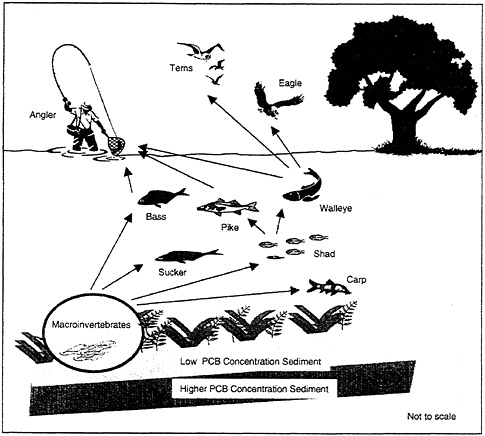
FIGURE 2–4 Transfer of PCBs in the food chain.
chain (Figure 2–4). Fish can accumulate PCBs by direct absorption through the gills and by eating contaminated sediments, insects, and smaller fish. Evans et al. (1991) showed that PCBs in Lake Michigan bioconcentrate by a factor of about 13 from plankton to fish.
Studies have shown that there is a significant correlation between the amount of fish consumed and the organochlorine body burden in humans (Fitzgerald et al. 1996; Schantz et al. 1996). Some populations, such as the Inuits of northern Canada, whose diet consists largely of fish and marine mammals (e.g., whales, seals, and polar bears), might be exposed to high concentrations of PCBs (Dewailly et al. 1993); serum lipid concentrations of PCBs at 4.1 milligrams per kilogram (mg/kg) of body weight have been reported (Ayotte et al. 1997).
Although dermal contact and absorption through the skin are possible exposure routes for PCBs, such exposures are typically limited to the occupa-
tional environment. At some sites, however, such as along parts of the Housatonic River in Massachusetts, PCB concentrations in riverbank surfaces and sediments represent a potential route of exposure for populations in the vicinity. At these sites, PCB concentrations have been high enough to warrant concerns and public-health warnings against any dermal contact with the sediments (NRC 1999b).
TOXICITY OF PCBs
Mode of Action
The biological activity of PCBs is congener specific, and, therefore, different mixtures of PCBs will have different biological and toxicological activity. Many of the effects of PCBs are mediated through interaction with the arylhydrocarbon receptor (AhR). 2,3,7,8-Tetrachlorodibenzo-p-dioxin (TCDD) is the prototypical ligand for the AhR, and the effects mediated through the AhR are described as “dioxin-like.” Like TCDD, non-ortho-substituted and, in some cases, mono-ortho-substituted congeners that are substituted in the 3, 4, or 5 lateral positions (3, 4, 5 or 3', 4', and 5' positions) can exist in a planar conformation (i.e., the coplanar PCBs; Figure 2–3) and bind to the AhR. The potency with which individual PCB congeners bind to the AhR is correlated with their ability to elicit dioxin-like effects. The potency with which individual PCB congeners elicit dioxin-like effects (compared with the potency of TCDD itself) gives rise to the concept of TCDD-toxic equivalents, or toxic equivalence factors (TEF). These factors provide a means of pooling and comparing different mixtures of PCB congeners. One of the main endpoints on which TEFs are based is the induction of CYP1A1 (sometimes described as induction of arylhydrocarbon hydroxylase or microsomal cytochrome P-450 enzymes, or 3-methylcholanthrene-like induction). This process involves binding of the dioxin-like PCB molecule with the AhR in cytosol, association of the bound complex with a nuclear translocation factor, translocation of this ternary complex to the nucleus, and binding of the complex to a specific DNA sequence, the dioxin-responsive element (DRE). Binding at the DRE elicits transcription of the gene corresponding to CYP1A1, resulting ultimately in enhanced synthesis of the CYP1A1 enzyme. This endpoint, however, is not necessarily an adverse health effect. The congeners that exhibit the highest TEF values tend to be the planar, most highly substituted forms, with lateral chlorine substitution. Noncoplanar congeners and congeners with low levels of chlorination are rated at very low TEF values; yet they have been associated with immunological and neurobehavioral endpoints (see review by Fischer et al. 1998). The toxicity of the
noncoplanar PCBs is not mediated by the AhR, and their toxicity is not accounted for in the TEF approach. Therefore, although TEFs are useful in PCB risk assessments, they should not be relied on without considering other risks.
In addition to the effects of planar PCBs, studies have shown that noncoplanar PCBs elicit neurotoxic effects in exposed animals and in cell cultures (Kodavanti et al. 1993; Rice 1995; Rice and Hayward 1998). Recently, experiments have been conducted to investigate the mechanism or mechanisms that underlie the neurotoxic effects of the noncoplanar PCBs; some of those effects are not mediated by the Ah receptor (Kodavanti and Tilson 1997) but rather by the signal transduction pathways. PCBs have been shown to affect tyrosine kinase, protein kinase C, and phospholipase A2. Intracellular calcium homeostasis is also affected by noncoplanar PCBs (see reviews by Kodavanti and Tilson 1997; Tilson et al. 1998). Some PCB congeners also appear to have estrogenic and antiestrogenic effects, possibly mediated by interactions with one or more steroid receptors. PCBs affect the metabolism of thyroid hormones through the induction of enzymes involved in thyroid hormone metabolism. PCBs also affect the immune system. Effects on the immune system seem to occur through both AhR- and non-AhR-mediated mechanisms. PCBs might also increase oxidative stress, which might contribute directly to carcinogenesis (Amaro et al. 1996; Oakley et al. 1996). This mechanism would explain PCB-induced cancer with no direct involvement of any receptor and is consistent with observations that PCBs are generally negative in conventional mutagenicity bioassays and have not been shown to form DNA adducts. PCBs can be metabolized and that metabolism can affect their toxicity, sometimes increasing toxic potential. For example, hydroxylated PCBs that interact with the estrogen receptor and exert estrogenic or antiestrogenic effects can be formed (Connor et al. 1997). Evidence also exists for the metabolic activation of PCBs through arene epoxides to yield covalent protein, RNA and DNA adducts (reviewed in Safe 1994). A more detailed discussion of the mechanisms of PCB toxicity is presented in Appendix G.
Potential Human Health Effects of PCBs
The human health effects of PCBs were first formally documented in the Yusho and Yucheng incidents. The Yusho incident occurred in Japan in 1968 and involved more than 1,600 individuals ingesting rice oil contaminated with PCBs. Reported health effects of those exposed included acneform dermatitis, hyperpigmentation of the skin, aches and pain, peripheral nerve damage, and severe headaches. The children born to affected mothers showed similar effects, in addition to decreased birth weight and impaired intellectual devel-
opment. Studies of the human health ramifications of this incident continue and studies of the incident have been documented in numerous reports (Kimbrough 1987; Erickson 1997; Safe 1994). A similar incident occurred in 1979 in Taiwan, where about 2,000 people consumed rice oil contaminated with PCBs (Erikson 1997). It was called Yucheng, which means “oil disease” in Chinese. However, in both the Yusho and Yucheng incidents, exposures to not only PCBs but also polychlorinated dibenzofurans, terphenyls, and quater-phenyls were considered to play an important role in the observed toxicity (Erikson 1997).
Most of the data on human health effects from exposures to PCBs are based on occupational exposures or consumption of contaminated fish. These studies have correlated relatively high levels of exposure to PCBs with potential subclinical health effects (WHO 1992; EPA 1999a; NRC 1999a; ATSDR 2000). Studies reported that increased serum PCB levels were statistically associated with neurobehavioral and developmental deficits in children exposed in utero and disruption of reproductive function and systemic health effects in adults (self-reported liver disease and diabetes and effects on thyroid and immune system function). In the National Research Council report Hormonally Active Agents in the Environment (NRC 1999a), PCBs were some of the agents for which the research literature was critically evaluated for evidence of hormonal effects attributable to PCBs and other agents. The NRC (1999a) reported evidence that human prenatal exposure to PCBs was associated with lower birth weight and shorter gestation (Fein et al. 1984; Taylor et al. 1984, 1989; Jacobson et al. 1990) and neurological deficits and delays in neuromuscular development (Gladen et al. 1988; Rogan and Gladen 1991; Jacobson et al. 1992; Jacobson and Jacobson 1996). These studies were unable to determine whether any of the outcomes were the result of hormonal disruption by PCBs.
In addition, epidemiological studies (ATSDR 1997) of workers involved in the production and use of PCBs have reported increased mortality from cancer, although results have not been consistent across studies. Data indicate that workers in capacitor manufacturing have increased incidences of liver, gallbladder, and biliary-tract cancer. Increased incidences of other specific cancers reported in exposed humans include gastrointestinal tract, malignant melanoma, lung, and brain cancers (Cogliano 1998). Recent studies have observed a significant association between non-Hodgkin’s lymphoma and PCB concentrations in adipose tissue (Hardell et al. 1996; Rothman et al. 1997); however, another more recent study found no increase in tumor incidence (Kimbrough et al. 1999).
These epidemiological studies are complicated by several factors that make interpretation of the results difficult. These factors include exposure to
other chemical contaminants, difficulty in accurately characterizing exposures, and few data on the types of congeners to which people are exposed. This concern regarding potential confounding factors was expressed recently in the report Toxicological Effects of Methylmercury (NRC 2000). The effects of prenatal PCB exposures are similar to those of methylmercury. The study population on which the NRC health recommendations for methylmercury were based also might have been affected by exposure to PCBs; therefore, exposures to PCBs had to be considered in the analysis of the data.
Due to the limitations of the available human data, animal data are used to assess the potential for health effects following PCB exposures (see Appendix G, Table G-1, for a summary of mammalian toxicity doses and endpoints). Animal studies have typically used commercial Aroclor mixtures for testing. However, as noted previously, these commercial mixtures differ substantially from the composition of PCBs typically found in sediments and from those to which humans are exposed through the consumption of contaminated fish and other foods. Thus, the toxicity characteristics of the Aroclors and sediment PCB mixtures are different, as are the possible interactions between the various congeners. In studies on mature animals, the most sensitive observed effect is induction of microsomal P-450 enzymes and liver enlargement for non-ortho-substituted and mono-ortho-substituted PCBs. However, in several developing animal species across vertebrate classes (birds, mammals), functional or structural effects on the nervous system appear to be at least as sensitive to dioxin-like PCBs as is induction of the P450 enzymes (Peterson et al. 1998). PCB exposure in animals has also been associated with a wasting syndrome, reduced body weight, immunotoxicity, vitamin A deficiency, and thyroid deficiency; reproductive effects in offspring include reduced birth weight, abnormal gonad development, slowed learning and memory loss, and other behavioral changes (Linet and Henshel 1998; Schantz et al. 1996).
The results of some studies indicate that PCBs containing 60% chlorine by weight are carcinogenic in animals. Data suggest that carcinogenic potency decreases as the percent chlorination decreases; but studies of PCBs containing less than 60% chlorine are few and have limitations (ATSDR and EPA 1998). As reported in the Second Annual Report on Carcinogens (NTP 1981), exposure to PCBs was considered to present sufficient evidence for carcinogenicity in rodents following bioassays of Aroclor 1254, Aroclor 1260, and Kanechlor 500. Following ingestion of diets containing Aroclor 1254, benign liver tumors were observed in male mice. Kanechlor 500 ingestion was associated with an increased incidence of hepatocellular carcinomas in male mice. Ingestion of Aroclor 1260 induced liver tumors in rats of both sexes and hepatocellular carcinomas and liver adenocarcinomas in female rats. In a more recent study (Brunner et al. 1996), Aroclors 1016, 1242, 1254, and 1260
induced liver tumors when fed to female rats, and Aroclor 1260 induced liver tumors when fed to male rats. Aroclor 1254 induced adenocarcinomas in the glandular stomach when fed to Fischer 344 rats. The consistent finding in these studies is the production of liver tumors that were benign in the majority of cases. Currently, EPA classifies PCBs as a probable human carcinogen (B2) based on data from Brunner et al. (1996) and suggestive, although inadequate, data in humans (IRIS 2000). The International Agency for Research on Cancer (IARC 1987) classifies PCBs as probably carcinogenic to humans (Group 2A), and the National Toxicology Program classified PCBs as reasonably anticipated to be a human carcinogen (NTP 1998).
The mechanism or mechanisms by which PCBs induce tumors in rodents remain unresolved. PCB mutagenicity studies, both in the presence and absence of a metabolic activation system, have generally been negative in bacterial, in vitro, and in vivo test systems. Therefore, PCBs and their metabolites do not appear to be mutagenic. It is possible that the induction of cellular enzymes, including cytochrome P-450s, could play a role in the carcinogenicity of PCBs, but exactly how that induction would lead to cancer has not been established. Although there is an overlap between the congeners present in sediments and those fed to rodents in the bioassay studies, there have been no animal studies conducted with congener mixtures actually found in sediments. Because the mixture of congeners present in sediment are site-specific, however, tests on individual congeners might be important to conduct so that the toxicity of a particular mixture could be extrapolated based on the toxicity of its component congeners. The number of toxicity tests required to do so might be reduced by the careful use of structure-activity relationships. PCBs, especially di-ortho-substituted congeners, can also inhibit cellular gap junction intracellular communication, thus promoting tumor growth. The AhR-active congeners form a receptor complex with the AhR nuclear translocator (ARNT) protein in the nucleus. ARNT is required by a number of other signal transduction pathways. Depletion of ARNT results in a wide range of pleiotropic effects.
The Potential Ecological Impacts of PCBs
Laboratory and field studies with wildlife have demonstrated a causal link between adverse health effects and PCB exposure (Giesy et al. 1994,a,b; Bowerman et al. 1995). The effects of PCBs have been previously reviewed (Poland and Knutson 1982; Safe 1984; Silberhorn et al. 1990; Barrett 1995). Chronic toxicity has been observed in fish, birds, and mammals; impacts include developmental effects, reproductive failure, liver damage, cancer,
wasting syndrome, and death (Metcalfe and Haffner 1995). There was also some evidence that PCBs can affect the immune system of birds (Grasman et al. 1996) and marine mammals (de Swart et al. 1994, 1996; Ross et al. 1995) through diet.
Ecological exposure to PCBs is primarily an issue of bioaccumulation resulting in chronic effects rather than direct toxicity. PCBs bioaccumulate in biota by both bioconcentrating (being absorbed from water and accumulated in tissue to concentrations greater than those found in surrounding water) and biomagnifying (increasing in tissue concentrations as they go up the food chain through two or more trophic levels). At most contaminated sites, PCBs are predominantly bound to particles or strongly associated with an organic fraction. Therefore aquatic organisms are exposed to a combination of dissolved, sediment-associated, and food-associated PCBs. However, in terrestrial ecosystems, lower trophic level organisms are exposed to PCBs primarily through ingestion of soil and prey, although dermal absorption and inhalation might be important routes of exposure for certain species. At each higher trophic level, certain PCB congeners are selectively enriched or depleted because of selective metabolism and excretion of metabolites. As a result, organisms at the top of the food chain are generally at the greatest risk of adverse effects due to exposure to PCBs. However, foraging preferences, species sensitivity, and other site-specific factors can modify the magnitude of those risks.
Long-term studies of the effects of PCBs on aquatic ecosystems have not been conducted. The report Hormonally Active Agents in the Environment (NRC 1999a), recommends that population studies be conducted to assess the impacts of PCBs on alterations of population size, age structure, and dynamics. At present, many reports on the adverse effects of PCB exposures to wildlife are postmortem studies of individual animals (turtles and birds) found dead with high concentrations of PCBs in their bodies. Studies on a few specific populations of wildlife, such as mink, suggest that environmental contaminants including PCBs might be having a negative impact on the health of feral organisms. For example, Osowski et al. (1995) reported population declines in mink in Georgia, North Carolina, and South Carolina. Examination of liver tissues of mink indicated that concentrations of PCBs (0.2 milligrams per gram (mg/g)) and mercury (3.5 mg/g) were in the range known to cause reproductive impairment, growth deficits, and behavioral impairment. A significant correlation was observed between PCB body burdens in wild mink and in fish collected from their home ranges in New York, indicating that the food chain is being affected (Foley et al. 1988).
Studies of some bird species in the Great Lakes region show evidence of population decline, reproductive impairment, or both in several fish-eating
species. Many of the declines might be caused by eating contaminated fish. Although declines were initially likely to be caused by DDE-induced toxicity, the populations still exhibit subtle effects, such as deformities that might be caused by dioxin-like PCBs (Giesy et al. 1994,a,b). It has been proposed that PCB concentrations in tree swallows nesting along the Hudson River might be responsible for their reduced reproductive success (Secord and McCarty 1997; Secord et al. 1999). In some locations, for example, the Niagara River, when wildlife health criteria values have been calculated and compared with the concentrations of PCBs found in local fish species, the amounts of PCBs in the fish have exceeded the criteria values (Newell et al. 1987).
The ecological impacts of PCBs on wildlife have also been assessed in the laboratory. Most of the laboratory studies on wildlife have confirmed the field work. However, these studies are problematic as controlled laboratory conditions cannot be used directly to predict effects in real-world populations because of changes in the concentrations and composition of PCBs as a function of space and time. Thus, the PCB mixture to which organisms are exposed at one time or at one location might be very different from that to which they are exposed in the laboratory or at other times or locations in the field. The pattern of relative proportions of PCBs in environmental mixtures is variable and does not resemble the composition of the original technical PCB mixtures that were released into the environment (Kannan et al. 1993; Corsolini et al. 1995a,b). Furthermore, the relative concentrations of various PCB congeners differ according to trophic level and species.
WEATHERING OF PCBs
The compositions of PCB congener mixtures that occur in the environment differ substantially from those of the original technical Aroclor mixtures released to the environment (Zell and Ballschmiter 1980; Giesy and Kannan 1998; Newman et al. 1998). As discussed previously, the difference is due to the changes in the composition of PCB mixtures over time after release into the environment because of several processes collectively referred to as “environmental weathering.” The weathered multicomponent mixtures might have significant differences compared with Aroclor standards; the degree and position of chlorine substitution not only influences the physical and chemical properties of the PCB congeners but also their toxic effects. Weathering is a result of the combined effects of such processes as differential volatilization, solubility, sorption, anaerobic dechlorination, and metabolism, and results in changes in the composition of the PCB mixture over time and between trophic levels (Froese et al. 1998). Less-chlorinated PCBs are often lost rapidly due
to volatilization and metabolism, whereas more-chlorinated PCBs are often resistant to degradation and volatilization and sorb more strongly to particulate matter. Bioaccumulation in the tissues of animals is greater for more-chlorinated PCBs than for less-chlorinated PCBs; therefore, more-chlorinated PCBs are more likely to biomagnify in food webs.
Microbial reductive dechlorination of PCBs is a process shown to occur in a variety of anaerobic environments (Bedard and Quensen 1995). This process does not remove all the chlorines and does not alter the basic structure of the biphenyl. The process results in a decrease in the concentrations of some congeners and an increase in others; therefore, the change in the total molar concentration of PCBs in sediments is generally not great. Reductive dechlorination occurs preferentially for chlorines in the meta and para positions, thereby selectively reducing the relative proportions of the PCBs that are laterally substituted. These congeners are also those that tend to have the greatest potency to cause AhR-mediated effects.
One of the most potent of the laterally substituted, non-ortho-substituted congeners is congener 126 (3,3′,4,4′,5-pentachlorobiphenyl). The absolute and relative concentration of this congener was reported to decrease by as much as 10- to 100-fold due to reductive dechlorination (Quensen et al. 1998). The total concentration of TCDD-toxicity equivalents (TEQ) in sediments (see Chapter 6 for a discussion of TEQ and toxicity equivalence factors (TEF)), either determined by the H4IIE bioassay or by application of TEFs to concentrations of individual congeners, was reduced 100-fold by reductive dechlorination (Quensen et al. 1998). Because the TEQ of the total PCB mixture has been shown to be the critical toxicant and the most predictive of toxicity of environmental mixtures of PCBs (Giesy and Kannan 1998; van den Berg et al. 1998), the TEQ reduction suggests that the toxicity of the total PCB mixture would be reduced by approximately 100-fold (Quensen et al. 1998). Furthermore, the bioavailability of the AhR-active congeners has been shown to be less than that for the di-ortho-substituted congeners. Thus, both processes, reductive dechlorination and selective sorption of coplanar PCB congeners, tend to reduce the toxicity of the mixture, relative to technical Aroclor mixtures, during the weathering process.
As was discussed above, the most accurate method of estimating the relative toxic potency of PCB mixtures is to measure the concentrations of individual congeners in tissues of receptors and correct their toxic potency by use of toxic potency factors. It is not appropriate to use thermodynamic models to predict the movement of total PCB or TEQ concentrations from one matrix or trophic level to another. The movement of individual congeners, or at least those with more similar partitioning characteristics, should be modeled and the congeners should be corrected for their toxic potency. Thus, to model
the toxicity of the complex PCB mixture that is in sediments to higher trophic levels requires the application of both TEFs and congener-specific biomagnification factors (BMFs). When the toxicity of an example set of congener-specific concentrations in fish tissues to mink was estimated, it was found that the critical toxicant was the TEQ (Foley et al. 1988).
CONCLUSIONS AND RECOMMENDATIONS
PCBs are complex mixtures of chemicals that can have adverse effects on humans and wildlife. The committee’s review of recent scientific information supports the conclusion that exposure to PCBs might result in chronic effects—such as cancer and immunological, developmental, reproductive, neurological effects—in wildlife, laboratory animals, and possibly humans. Therefore, the committee considers the presence of PCBs in sediments to pose potential long-term public health and ecosystem risks.
It must be understood by all affected parties that even if the risks at a site are managed such that a specific sediment concentration of PCBs is achieved, over time PCB concentrations will slowly change due to numerous factors including atmospheric inputs from other sources and biodegradation. Although considerable new information has become available in the past 2 decades and new information from field and laboratory studies is reported regularly, the committee finds that further research is particularly warranted in the following areas:
-
Additional data are needed on the toxicological effects of exposure to multiple chemicals—PCBs plus PAHs, PCDDs, and metals—and to “real-world” mixtures of PCBs.
-
To collect such data, further elucidation of the various mechanisms of toxic actions will be required.
-
A better understanding of the contribution of PCB-contaminated sediments to the total global burden of PCBs is needed.
-
The role of global cycling of PCBs in assessing the PCB problem at a specific site should be considered.
REFERENCES
Amaro, A.R., G.G.Oakley, U.Bauer, H.P.Spielmann, and L.W.Robertson. 1996. Metabolic activation of PCBs to quinones: reactivity toward nitrogen and sulfur nucleophiles and influence of superoxide dismutase. Chem. Res. Toxicol. 9(3):623–629.
Atlas, E., and C.S.Giam. 1981. Global transport of organic pollutants. Ambient concentrations in remote marine atmosphere. Science 211(4478):163–165.
ATSDR (Agency for Toxic Substance and Disease Registry). 1997. Toxicological Profile for Polychlorinated Biphenyls (Update). U.S. Department of Health and Human Services, Agency for Toxic Substance Disease Registry, Atlanta, GA.
ATSDR (Agency for Toxic Substances and Disease Registry). 2000. Toxicological Profile for Polychlorinated Biphenyls (Update). U.S. Department of Health and Human Services, Agency for Toxic Substance Disease Registry, Atlanta, GA. November.
ATSDR and EPA (Agency for Toxic Substance and Disease Registry and U.S. Environmental Protection Agency). 1998. Public Health Implications of Exposure to Polychlorinated Biphenyls (PCBs). Agency for Toxic Substance and Disease Registry, Public Health Service, U.S. Department of Health and Human Services. U.S. Environmental Protection Agency. [Online]. Available: http://www.atsdr.cdc.gov/DT/pcb007.html.
Ayotte, P., E.Dewailly, J.J.Ryan, S.Bruenau, and G.Lebel. 1997. PCBs and dioxinlike compounds in plasma of adult Inuit lining in Nunavik (Arctic Quebec). Chemosphere 34(5–7):1459–1468.
Barrett, J.C. 1995. Mechanisms for species differences in receptor-mediated carcinogenesis. Mutat. Res. 333(1–2):189–202.
Bedard, D.L., and J.F.Quensen. 1995. Microbial reductive dechlorination of polychlorinated biphenyls. Pp. 127–216 in Ecological and Applied Microbiology, Microbial Transformation and Degradation of Toxic Organic Chemicals, L.Y. Young, and C.Cerniglia, eds. New York: Wiley-Liss.
Benthe, C., B.Heinzow, H.Jessen, S.Mohr, and W.Rotard. 1992. Polychlorinated biphenyls indoor air contamination due to thiokol-rubber sealants in an office building. Chemosphere 25(7–10):1481–1486.
Bidleman, T.F., C.P.Rice, and C.E.Olney. 1976. High molecular weight chlorinated hydrocarbons in the air and sea: rates and mechanisms of air/sea transfer. Pp. 323–351 in Marine Pollutant Transfer, H.L.Windom and R.A.Duce, eds. Lexington, MA: Lexington Books.
Bidleman, T.F., E.J.Christensen, W.N.Billings, and R.Leonard. 1981. Atmospheric transport of organochlorines in the North Atlantic gyre. J. Mar. Res. 39(3):443–464.
Bidleman, T.F., G.W.Patton, D.A.Hinckley, M.D.Walla, W.E.Cotham, and B.T. Hargrave. 1990. Chlorinated pesticides and polychlorinated biphenyls in the atmosphere of Canadian Artic. Pp. 347–372 in Long Range Transport of Pesticides, D.A.Kurtz, ed. Chelsea, MI: Lewis.
Birmingham, B., A.Gilman, D.Grant, J.Salminen, M.Boddington, B.Thorpe, I. Wile, P.Toft, and V.Armstrong. 1989. PCDD/PCDF multimedia exposure analysis for the Canadian population: detailed exposure estimation. Chemosphere 19(1–6):637–642.
Boon, J.P., and F.Eijgenraam. 1988. The possible role of metabolism in determining patterns of PCB congeners in species from Dutch Wadden sea. Mar. Environ. Res. 24(1–4):3–8.
Borlakoglu, J.T., and C.H.Walker. 1989. Comparative aspects of congener specific PCB metabolism. Eur. J. Drug Metab. Pharmacokinet 14(2):127–132.
Bowerman, W.W., J.P.Giesy, D.A.Best, and V.J.Kramer. 1995. A review of factors affecting productivity of bald eagles in the Great Lakes region: implications for recovery. Environ. Health Perspect 103(Suppl. 4):51–59.
Brunner, M.J., T.M.Sullivan, A.W.Singer, M.J.Ryan, J.D.Toft, R.S.Menton, S.W. Graves, and A.C.Peters. 1996. An Assessment of the Chronic Toxicity and Oncogenicity of Aroclor-1016, Aroclor-1242, Aroclor-1254, and Aroclor-1260 Administered in Diet to Rats. Battelle Study No SC920192.. Battelle, Columbus, OH.
Carpenter, D.O. 1998. Polychlorinated biphenyls and human health. Int. J. Occup. Med. Environ. Health 11(4):291–303.
Cogliano, V.J. 1998. Assessing the cancer risk form environmental PCBs. Environ. Health Perspect. 106(6):317–323.
Connor, K., K.Ramamoorthy, M.Moore, M.Mustain, I.Chen, S.Safe, T. Zacharewski, B.Gillesby, A.Joyeux, and P.Balaguer. 1997. Hydroxylated polychlorinated biphenyls (PCBs) as estrogens and antiestrogens: structure-activity relationships. Toxicol. Appl. Pharmacol. 145(1):111–123.
Corsolini, S., S.Focardi, K.Kannan, S.Tanabe, A.Borrell, and R.Tatsukawa. 1995a. Congener profile and toxicity assessment of polychlorinated biphenyls in dolphins, sharks and tuna collected from Italian coastal waters. Mar. Environ. Res. 40(1):33–54.
Corsolini, S., S.Focardi, K.Kannan, S.Tanabe, and R.Tatsukawa. 1995b. Isomer-specific analysis of polychlorinated biphenyls and 2,3,7,8-tetrachlorodibenzo-p-dioxin equivalents (TEQs) in red fox and human adipose tissue from central Italy. Arch. Environ. Contam. Toxicol. 29(1):61–68.
de Swart, R.L., P.S.Ross, L.J.Vedder, H.H.Timmerman, S.Heisterkamp, H.Van Loveren, J.Vos, P.J.H.Reijnders, and A.D.M.E.Osterhaus. 1994. Impairment of immune function in harbor seals (Phoca vitulina) feeding on fish from polluted waters. Ambio 23(2):155–159.
de Swart, R.L., P.S.Ross, J.G.Vos, and A.D.M.E.Osterhaus. 1996. Impaired immunity in harbour seals (Phoca vitulina) exposed to bioaccumulated environmental contaminants: review of a long-term feeding study. Environ. Health Perspect. 104(Suppl. 4):823–828.
Dewailly, E., P.Ayotte, S.Bruneau, C.Laliberte, D.C.Muir, and R.J.Norstrom. 1993. Inuit exposure to organochlorines through the aquatic food chain in arctic Quebec. Environ. Health Perspect. 101(7):618–620.
Eisenreich, S.J., B.B.Looney, and G.J.Hollod. 1983b. PCBs in the Lake Superior Atmosphere 1978–1980. Pp. 115–125 in Physical Behavior of PCBs in Great Lakes, D.Mackay, S.Paterson, S.J.Eisenreich, and M.S.Simmons, eds. Ann Arbor, MI: Ann Arbor Science.
EPA (U.S. Environmental Protection Agency). 1994. Estimating Exposure to Dioxin-like Compounds, Volume II: Properties, Sources, Environmental Levels, and Background Exposures. EPA/600/6–88/005c. Office of Health and Environmental Assessment, U.S. Environmental Protection Agency, Washington, DC. June.
EPA (U.S. Environmental Protection Agency). 1999a. Draft Mercury, Polychlorinated Biphenyls, Alkyl Lead, and Benzo(a)pyrene and Hexachlorobenzene Reports published in reponse to the United States’ committment in “The Great Lakes Binational Toxics Strategy; Canada-United States Strategy for the Virtual Elimination of Persistent Toxic Substances in the Great Lakes. Fed. Regist. 64(210):58841. (Nov. 1, 1999).
EPA (U.S. Environmental Protection Agency). 1999b. Use Authorization for, and Distribution in Commerce of, Non-liquid Polychlorinated Biphenyls; Notice of Availability; Partial Reopening of Comment Period; Proposed Rule. Fed. Regist. 64(237):69358–69364. (Dec. 10, 1999).
EPA (U.S. Environmental Protection Agency). 2000a. PCB Transformer Registration Database. Office of Pollution Prevention and Toxics, U.S. Environmental Protection Agency, Washington, DC. [Online]. Available: http://www.epa.gov/opptintr/pcb/xform.htm [Last updated: February 3, 2000].
EPA (U.S. Environmental Protection Agency). 2000b. National Toxics Inventory Maximum Achievable Control Technology (MACT) Report: United States NTI Air Pollution Sources—Polychlorinated Biphenyls (1996). AIRS Database. Office of Air Quality Planning and Standards, U.S. Environmental Protection Agency. [Online]. Available: http://oaspub.epa.gov/airsdata/nti. [March 12, 2001].
EPA (U.S. Environmental Protection Agency). 2000c. TRI On-site and Off-site Reported Releases (in pounds), By Chemical, U.S., 1998, All Industries. TRI Explorer Report. Office of Environmental Information, U.S. Environmental Protection Agency. [Online]. Available: http://www.epa.gov/triexplorer/chemical.htm. [October 18, 2000].
Erickson, M.D. 1997. Analytical Chemistry of PCBs, 2nd. Ed. Boca Raton: CRC/ Lewis. 667 pp.
Evans, M.S., G.E.Noguchi, and C.P.Rice. 1991. The biomagnification of polychlorinated biphenyls, toxaphene and DDT compounds in a Lake Michigan offshore food web. Arch. Environ. Contam. Toxicol. 20(1):87–93.
Fein, G.G., J.L.Jacobson, S.W.Jacobson, P.M.Schwartz, and J.K.Dowler. 1984. Prenatal exposure to polychlorinated biphenyls: Effects on birth size and gestational age. J. Pediatr. 105(2):315–320.
Fischer, LJ., R.F.Seegal, P.E.Ganey, I.N.Peesah, and P.R.Kodavanti. 1998. Symposium overview: toxicity of non-coplanar PCBs. Toxicol. Sci. 41(1):49–61.
Fitzgerald, E.F., K.A.Brix, D.A.Deres, S.A.Hwang, B.Bush, G.L.Lambert, and A. Tarbell. 1996. Polychlorinated biphenyl (PCB) and dichlorodiphenyl dichloroethylene (DDE) exposure among Native American men from contaminated Great Lakes fish and wildlife. Toxicol. Ind. Health 12(3–4):361–368.
Foley, R.E, S.J.Jackling, R.J.Sloan, and M.K.Brown. 1988. Organochlorine and mercury residues in wild mink and otter: comparison with fish. Environ. Toxicol. Chem. 7(5):363–374.
Froese, K.L., D.A.Verbrugge, G.T.Ankley, G.J.Niemi, C.P.Larsen, and J.P.Giesy. 1998. Bioaccumulation of polychlorinated biphenyls from sediments to aquatic insects and tree swallow eggs and nestlings in Saginaw Bay, Michigan, USA. Environ. Toxicol. Chem. 17(3):484–492.
Giam, C.S., H.S.Chan, and G.S.Neff. 1976. Concentrations and fluxes of phthalates, DDTs, and PCBs to the Gulf of Mexico. Pp. 375–386 in Marine Pollutant Transfer, H.L.Windom and R.A.Duce, eds. Lexington, MA: Lexington Books.
Giesy, J.P., and K.Kannan. 1998. Dioxin-like and non-dioxin-like toxic effects of polychlorinated biphenyls (PCBs): implications for risk assessment. Crit. Rev. Toxicol. 28(6):511–569.
Giesy, J.P., J.P.Ludwig, and D.E.Tillitt. 1994. Dioxins, dibenzofurans, PCBs, and colonial fish-eating water birds. Pp. 249–307 in Dioxins and Health, A.Schecter, ed. New York: Plenum Press.
Giesy, J.P., D.A.Verbrugge, R.A.Othout, W.W.Bowerman, M.A.Mora, P.D.Jones, J.L.Newsted, C.Vandervoort, S.N.Heaton, R.J.Aulerich, et al. 1994a. Contaminants in fishes from Great Lakes-influenced sections and above dams of three Michigan rivers. I: Concentrations of organo chlorine insecticides, polychlorinated biphenyls, dioxin equivalents, and mercury. Arch. Environ. Contam. Toxicol. 27(2):202–212.
Giesy, J.P., D.A.Verbrugge, R.A.Othout, W.W.Bowerman, M.A.Mora, P.D.Jones, J.L.Newsted, C.Vandervoort, S.N.Heaton, R.J.Aulerich, et al. 1994b. Contaminants in fishes from Great Lakes-influenced sections and above dams of three Michigan rivers. II: Implications for health of mink. Arch. Environ. Contam. Toxicol. 27(2):213–223.
Gladen, B.C., W.J.Rogan, P.Hardy, J.Thullen, J.Tingelstad, and M.Tully. 1988. Development after exposure to polychlorinated biphenyls and dichlorodiphenyl dichloroethene transplacentally and through human milk. J. Pediatr. 113(6):991–995.
Grasman, A., G.A.Fox, P.F.Scanlon, and J.P.Ludwig. 1996. Organochlorine-associated immunosuppression in prefledgling Caspian terns and herring gulls from the Great Lakes: an ecoepidemiological study. Environ. Health Perspect. 104(Suppl. 4):829–842.
Hardell, L., B.van Bavel, G.Linstrom, M.Frederikson, H.Hagberg, G.Liljegren, M. Nordstrom, and B.Johansson. 1996. Higher concentrations of specific polychlorinate biphenyl congeners in adipose tissue from non-Hodgkin’s lymphoma patients compared with controls without a malignant disease. Int. J. Oncol. 9(4):603–608.
Hornbuckle, K.C., J.D.Jeremiason, C.W.Sweet, and S.J.Eisenreich. 1994. Seasonal variations in air-water exchange of polychlorinated biphenyls in Lake Superior. Environ. Sci. Technol. 28(8):1491–1501.
IARC (International Agency for Research on Cancer). 1987. Overall Evaluation of Carcinogenicity: An Updating of IARC Monograhps, Vol. 41, Supplement 7. Lyon, France: International Agency for Research on Cancer.
IRIS (Integrated Risk Information System). 2000. Integrated Risk Information System. National Center for Environmental Assessment, Office of Research and Development. U.S. Environmental Protection Agency. [Online]. Available: wysiwyg://4http://www.epa.gov/ncea/iris.htm [May 03, 1999].
Iwata, H., S.Tanabe, N.Sakal, and R.Tatsukawa. 1993. Distribution of persistent organochlorines in the oceanic air and surface seawater and the role of ocean on their global transport and fate. Environ. Sci. Technol. 27(6):1080–1098.
Iwata, H., S.Tanabe, K.Ueda, and R.Tatsukawa. 1995. Persistent organochlorine residues in air, water, sediments, and soils from the Lake Baikal Region, Russia. Environ. Sci. Technol. 29(3):792–801.
Jacobson, J.L., and S.W.Jacobson. 1996. Intellectual impairment in children exposed to polychlorinated biphenyls in utero. N. Engl. J. Med. 335(11):783–789.
Jacobson, J.L., S.W.Jacobson, and H.E.Humphrey. 1990. Effects of exposure to PCBs and related compounds on growth and activity in children. Neurotoxicol. Teratol. 12(4):319–326.
Jacobson, J.L., S.W.Jacobson, R.J.Padgett, G.A.Brumitt, and R.L.Billings. 1992. Effects of prenatal PCB exposure on cognitive processing efficiency and sustained attention. Dev. Psychol. 23(2):297–306.
Jensen, S. 1972. The PCB story. Ambio 1(4):123–131.
Kannan, K., S.Tanabe, A.Borrell, A.Aguilar, S.Focardi, and R.Tatsukawa. 1993. Isomer-specific analysis and toxic evaluation of polychlorinated biphenyls in striped dolphins affected by an epizootic in the western Mediterranean sea. Arch. Environ. Contam. Toxicol 25(2):227–233.
Kimbrough, R.D. 1980. Environmental pollution of air, water, and soil. Pp. 77–80 in Halogenated Biphenyls, Terphenyls, Naphthalenes, Dibenzodioxins, and Related Products, R.D.Kimbrough, ed. New York: Elsevier/North-Holland Biomedical Press.
Kimbrough, R.D. 1987. Human health effects of polychlorinated biphenyls (PCBs) and polybrominated biphenyls (PBBs). Annu. Rev. Pharmacol. Toxicol. 27:87–111.
Kimbrough, R.D., M.L.Doemland, and M.E.LeVois. 1999. Mortality in male and female capacitor workers exposed to polychlorinated biphenyls. J. Occup. Environ. Med. 41(3):161–171.
Kodavanti, P.R.S., and H.A.Tilson. 1997. Structure-activity relationships of potentially neurotoxic PCB congeners in the rat. Neurotoxicology. 18(2):425–441.
Kodavanti, P.R.S., D.-S.Shin, H.A.Tilson, and G.J.Harry. 1993. Comparative effects of two polychlorinated biphenyl congeners on calcium homeostasis in rat cerebellar granule cells. Toxicol. Appl. Pharmacol. 123(1):97–106.
Linet, M.H., and D.S.Henshel. 1998. Histological effects of TCDD on gonadal development in chicken hatchlings. Toxicologist 42(1-S):256.
MacLeod, K.E. 1979. Sources of Emissions of Polychlorinated Biphenyls into the Ambient Atmosphere and Indoor Air. EPA 600/4–79–022. U.S. Environmental Protection Agency, Washington, DC. March.
Mavoungou, R., R.Masse, and M.Sylvestre. 1991. Microbial dehalogenation of 4,4'-dichlorobiphenyl under anaerobic conditions. Sci. Total. Environ. 101(3): 263–268.
McFarland, V.A., and J.U.Clarke. 1989. Environmental occurrence, abundance, and potential toxicity of polychlorinated biphenyl congeners: considerations for a congener-specific analysis. Environ. Health Perspect. 81:225–239.
Metcalfe, C.D., and G.D.Haffner. 1995. The ecotoxicology of coplanar polychlorinated biphenyls. Environ. Rev. 3(2):171–190.
Muir, D., F.Riget, M.Cleeman, J.Skaare, L.Kleivane, H.Nakata, R.Dietz, T. Severinsen, and S.Tanabe. 2000. Circumpolar trends of PCBs and organo-
chlorine pesticides in the arctic marine environment inferred from levels in ringed seals. Environ. Sci. Technol. 34(12):2431–2438.
Newell, A.J., D.W.Johnson, and L.K.Allen. 1987. Niagra River Biota Contamination Project: Fish Flesh Criteria for Piscivorous Wildlife. Technical Report 87–3. New York State Department of Environmental Conservation, Division of Fish and Wildlife, Bureau of Environmental Protection, Albany, NY.
Newhook, R.C. 1988. Polybrominated Biphenyls: Multimedia Exposure Analysis. Contract report to the Department of National Health and Welfare, Ottawa, Canada.
Newman, J.W., J.S.Becker, G.Blondina, and R.S.Tjeerdema. 1998. Quantitation of aroclors using congener-specific results. Environ. Toxicol. Chem. 17(11):2159–2167.
NRC (National Research Council). 1979. Polychlorinated Biphenyls, Washington, DC: National Academy of Science.
NRC (National Research Council). 1999a. Hormonally-active Agents in the Environment. Washington, DC: National Academy Press.
NRC (National Research Council). 1999b. National Symposium of Contaminated Sediments—Coupling Risk Reduction with Sustainable Management and Reuse. Washington, DC: National Academy Press.
NRC (National Research Council). 2000. Toxicological Effects of Methylmercury. Washington, DC: National Academy Press.
NTP (National Toxicology Program). 1981. Second Annual Report on Carcinogens. Research Triangle Park, NC: U.S. Dept. of Health and Human Services, Public Health Service, National Toxicology Program.
NTP (National Toxicology Program). 1998. Eighth Report on Carcinogens, 1998. Full report. 8th Ed. Research Triangle Park, NC: U.S. Dept. of Health and Human Services, Public Health Service, National Toxicology Program.
Oakley, G.G., U.Devanaboyina, L.W.Roberson, and R.C.Gupta. 1996. Oxidative DNA damage induced by activation of polychlorinated biphenyls (PCBs): implications for PCB-induced oxidative stress in breast cancer. Chem. Res. Toxicol. 9(8):1285–1292.
Osowski, S.L., L.W.Brewer, O.E.Baker, and G.P.Cobb. 1995. The decline of mink in Georgia, North Carolina, and South Carolina: the role of contaminants. Arch. Environ. Contam. Toxicol. 29(3):418–423.
Panshin, S.Y., and R.A.Hites. 1994a. Atmospheric concentrations of polychlorinated biphenyls at Bermuda. Environ. Sci. Technol. 28(12):2001–2007.
Panshin, S.Y., and R.A.Hites. 1994b. Atmospheric concentrations of polychlorinated biphenyls at Bloomington, Indiana. Environ. Sci. Technol. 28(12):2008–2013.
Peterson, R.E., H.M.Theobald, and G.L.Kimmel. 1998. Developmental and reproductive toxicity of dioxins and related compounds: cross-species comparisons. Crit. Rev. Toxicol. 23(3):283–335.
Poland, A., and J.C.Knutson. 1982. 2,3,7,8-tetrachlorodibenzo-p-dioxin and related halogenated aromatic hydrocarbons: examination of the mechanism of toxicity. Ann. Rev. Pharmacol. Toxicol. 22:517–554.
Quensen, J.F, 3rd., M.A.Mousa, S.A.Boyd, J.T.Sanderson, K.L.Froese, and J.P.
Giesy. 1998. Reduction of aryl hydrocarbon receptor-mediated activity of polychlorinated biphenyl mixtures due to anaerobic microbial dechlorination. Environ. Toxicol. Chem. 17(5):806–813.
Rice, D.C. 1995. Neurotoxicity of lead, methylmercury, and PCBs in relation to the Great Lakes. Environ. Health Perspect. 103(suppl.9):71–87.
Rice, D.C., and S.Hayward. 1998. Lack of effect of 3,3'4,4',5-pentachlorobiphenyl (PCB 126) throughout gestation and lactation on multiple fixed interval-fixed ratio and DRL performance in rats. Neurotoxicol. Teratol. 20(6):645–650.
Risebrough, R.W., P.Rieche, D.B.Peakall, S.G.Herman, and M.N.Kirven. 1968. Polychlorinated biphenyls in the global ecosystem. Nature 220(172):1098–1102.
Rogan, W.J., and B.C.Gladen. 1991. PCBs, DDE, and child developmnet at 18 and 24 months. Ann. Epidemiol. 1(5):407–413.
Ross, P.S., R.L.de Swart, P.J.H.Reijnders, H.Van Loveren, J.G.Vos, and A.D.M.E. Osterhaus. 1995. Contaminant-related suppression of delayed-type hypersensitivity and antibody response in harbor seals fed herring from the Baltic Sea. Environ. Health Perspect. 103(2):162–167.
Rothman, N., K.P.Cantor, A.Blair, D.Bush, J.W.Brock, K.Helzisouer, S.H.Zahm, L.L.Needham, G.R.Pearson, R.N.Hoover, G.W.Comstock, and P.T.Strickland. 1997. A nested case-control study of non-Hodgkin’s lymphoma and serum organochlorine residues. Lancet 350(9073):240–244.
Safe, S. 1984. Polychlorinated biphenyls (PCBs) and polybrominated biphenyls (PBBs): biochemistry, toxicology, and mechanism of action. Crit. Rev. Toxicol. 13(4):319–395.
Safe, S. 1994. Polychlorinated biphenyls (PCBs): environmental impact, biochemical and toxic responses, and implications for risk assessment. Crit. Rev. Toxicol. 24(2):87–194.
Schantz, S.L., A.M.Sweeney, J.C.Gardiner, H.E.Humphrey, R.J.McCaffrey, D.M. Gasior, K.R.Srikanth, and M.L.Budd. 1996. Neuropsychological assessment of an aging population of Great Lakes fisheaters. Toxicol. Ind. Health 12(3–4):403–417.
Secord, A.L., and J.P.McCarty. 1997. Polychlorinated Biphenyl Contamination of Tree Swallows in the Upper Hudson River Valley, New York. Effects on Breeding Biology and Implications for Other Species. U.S. Fish & Wildlife Service, Cortland, NY.
Secord A.L., J.P.McCarty, K.R.Echols, J.C.Meadows, R.W.Gale, and D.E.Tillitt 1999. Polychlorinated biphenyls and 2,3,7,8-tetrachlorodibenzo-p-dioxin equivalents in tree swallows from the upper Hudson River, New York State, USA. Environ. Toxicol. Chem. 18(11):2519–2525.
Silberhorn, E.M., H.P.Glauert, and L.W.Robertson. 1990. Carcinogenicity of polyhalogenated biphenyls: PCBs and PBBs. Crit. Rev. Toxicol. 20(6):439–496.
Subramanian B.R., S.Tanabe, H.Hidaka, and R.Tatsukawa. 1983. DDTs and PCB isomers and congeners in antarctic fish. Arch. Environ. Contam. Toxicol. 12(6):621–626.
Suter, G.W. 1993. Ecological Risk Assessment. Boca Raton: Lewis.
Tanabe, S. 1988. PCB problems in the future: foresight from current knowledge. Environ. Pollut. 50(1–2):5–28.
Tanabe, S., M.Kawano, and R.Tatsukawa. 1982. Chlorinated hydrocarbon in the Antarctic, Western Pacific, and Eastern Indian Oceans. Trans. Tokyo Univ. Fish. 5:97–109.
Tanabe, S., H.Hidaka, and R.Tatsukawa. 1983. PCBs and chlorinated hydrocarbon pesticides in Antarctic atmosphere and hydrosphere. Chemosphere 12(2):277–288.
Taylor, P.R., C.E.Lawrence, H.L.Hwang, and A.S.Paulson. 1984. Polychlorinated biphenyls: influence on birthweight and gestation. Am. J. Public Health 74(10):1153–1154.
Taylor, P.R., J.M.Stelma, and C.E.Lawrence. 1989. The relation of polychlorinated biphenyls to birth weight and gestational age in the offspring of occupationally exposed mothers. Am. J. Epidemiol. 129(2):395–406.
Tilson, H.A., P.R.Kodavanti, W.R.Mundy, and P.J.Bushnell. 1998. Neurotoxicity of environmental chemicals and their mechanism of action. Toxicol. Lett. 102–103:631–635.
USCG (U.S. Coast Guard). 2001. FOIA Requests. National Response Center Database. [Online]. Available: http://www.nrc.uscg.mil/foia.html. [January 18, 2001].
Van den Berg, M., L.Birnbaum, B.T.C.Bosveld, B.Brumström, P.Cook, M.Feely, J.P.Giesy, A.Hanberg, R.Hasegawa, S.W.Kennedy, T.Kubiak, J.C.Larsen, F.X.R.van Leeuwen, A.K.Djien Liem, C.Nolt, R.E.Peterson, L.Pollinger, S. Safe, D.Schrenk, D.Tillitt, M.Tusklind, M.Younes, F.Waren and T. Zacharewski.. 1998. Toxic equivalency factors (TEFs) for PCBs, PCDDs, PCDFs for humans and wildlife. Environ. Health Perspect. 106(12):775–792.
van Leeuwen, C.J., and J.L.M.Hermens, eds. 1995. Risk Assessment of Chemicals: An Introduction. Dordrecht: Kluwer. 374p.
WHO (World Health Organization). 1976. Polychlorinated Biphenyls and Terphenyls. Environmental Health Criteria 2. Geneva: World Health Organization.
WHO (World Health Organization). 1992. Polychlorinated Biphenyls and Terphenyls. 2nd Ed. Environmental Health Criteria 140. Geneva: World Health Organization.
Zell, M., and K.Ballschmiter. 1980. Baseline studies of the global pollution. III. Trace analysis of polychlorinated biphenyls (PCB) by glass capillary gas chromatography in environmental samples of different trophic levels. Fresenius Z. Anal Chem. 304:337–347.


