
4
Physiological Biomarkers for Predicting Performance
This chapter provides scientific background on biomarkers that could be useful in monitoring metabolic status in the field. It includes a discussion of the most promising biomarkers for the prediction of: (a) excessive rates of bone and muscle turnover, (b) renal function and hydration, and (c) stress and immune function. Intermediate biomarkers that might be predictive of outcome function, performance, or injury of these systems are addressed, as are factors that influence the validity of each marker as a predictor of performance (e.g., individual variability, gender differences, and environmental exposures). The sensitivity of these biomarkers as surrogates for predicting performance outcomes under a variety of conditions is also explored. In addition, other potential markers of physiological status that have not yet been thoroughly researched are discussed. The measures presented in this chapter are meant as a comprehensive list from which selected measures can be chosen as appropriate, depending on circumstance and feasibility for measurement in the field. Therefore, appropriate groupings of biomarkers can be selected from this list, depending on specific conditions and goals.
BIOMARKERS OF BONE HEALTH
Healthy bone is essential to minimize fracture incidence, including stress fractures that decrease the availability of combat military personnel for training and combat action (Burr, 1997; IOM, 1998). The most accepted predictor of fractures is bone mineral density (BMD) (Black et al., 1992; Chailurkit et al., 2001; Cummings et al., 1993; Gluer et al., 1996; Kelly and Eisman, 1992; Kelsey et al., 1992; Marshall et al., 1996; Melton et al., 1993; Watts, 1999). BMD is measured by dual-energy X-ray absorptiometry, ultrasound, or quantitative computed tomography (Bass and Myburgh, 2000; Bennell et al., 1998; Ingle et al., 1999; IOM, 1998; Ravn et al., 1999).
Bone remodeling is a continuous process of breakdown (bone resorption by osteoclasts) and resynthesis (bone formation by osteoblasts) (Kleerekoper, 2003)
of bone that begins after puberty and continues throughout life. Homeostatic processes involve both the cortical and trabecular bone, with remodeling of mature bone occurring more rapidly in trabecular regions. Net bone growth is seen primarily at the growth plate during longitudinal growth. Once the growth plate is closed, bone remodeling occurs at both the trabecular and cortical sites, but it is much slower in cortical bone. Bone health is related to both adult peak bone mass and the rate of bone loss after peak bone mass (Recker et al., 1992). Peak bone mass occurs in individuals between 20 and 30 years of age (Bass and Myburgh, 2000). Since fracture risk is related to bone density, BMD is the primary predictor of risk regardless of age or health status of an individual (Black et al., 1992; Chailurkit et al., 2001; Cummings et al., 1993; Gluer et al., 1996; Kelly and Eisman, 1992; Kelsey et al., 1992; Marshall et al., 1996; Melton et al., 1993; Watts, 1999).
As a sole measure, BMD provides a good indication of the state of bone health over the lifetime of the individual. Currently available instrumentation for measuring BMD has a level of precision from 1 to 3 percent of BMD, depending on the machine, the site of measurement, and the operator (Chailurkit et al., 2001; LeBlanc et al., 1986; Nguyen et al., 1997). This limits the use of BMD for determining short-term changes because it generally takes months to years for a significant change to be detected (Nguyen et al., 1997). Consequently, intermediate biochemical markers of bone resorption and formation may provide earlier indications of potential fractures. (See Appendix A for the available biochemical markers for bone health.)
Biochemical Markers of Bone Resorption
Intermediate markers of bone resorption are used as early indicators of changes in bone homeostasis. Historically, urinary hydroxyproline, a bone breakdown product, was the marker for resorption (Latner, 1975; Lueken et al., 1993). However, this marker was not specific for bone changes and is affected by diet. Currently the most commonly used markers of bone loss are the collagen breakdown products N-telepeptide, carboxy-terminal telopeptide, and the pyridinium cross-links pyridinoline and deoxypridinoline (Chailurkit et al., 2001; Fukuoka et al., 1994; Ladlow et al., 2002; LeBlanc et al., 2002; Lueken et al., 1993; Nishimura et al., 1994; Ravn et al., 1999; Smith et al., 1998). Calcium balance and increases in urinary (24-h) calcium excretion levels are also used to indicate changes in bone resorption (LeBlanc et al., 1995; Matkovic and Heaney, 1992; Weaver et al., 2000), as is tartrate-resistant acid phosphatase, a specific gene product of the osteoclast related to bone resorption (Ingle et al., 1999; Nishimura et al., 1994). These intermediate biochemical markers track well with the elevated bone resorption that is found in individuals during space flight, suggesting that they are good indicators. (These compounds increased immediately upon entrance into microgravity [Smith et al., 1998] and correlated with changes in BMD.)
There is great intraindividual variability in the urinary products of collagen breakdown, making these products difficult to use as a one-time measure to predict bone health (Ingle et al., 1999; Ladlow et al., 2002; Smith et al., 1998). These products, like other measures of bone metabolism, have circadian rhythms, with their highest excretion point at waking and their lowest point 12 hours later (Ladlow et al., 2002). Smith and colleagues (1998) reported on the variability of these markers: an average baseline level for eight individuals was determined over 5 or 10 weeks of 24-hour urinary collections. The longer period of collections reduced error from daily variation and circadian rhythms. The urinary excretion of N-telepeptide varied from 375±66 nmol/day to 1,065± 118 nmol/day. This threefold difference reflects the interindividual variability (i.e., the between-subject variation).
When these same individuals participated in a bed-rest study for 1 week, their levels of N-telepeptide increased. The increases ranged from 63 percent for the individual with the lowest baseline level to 7 percent for the individual with the highest baseline level. In fact, with the exception of very elevated bone resorption due to space flight or diseases such as Paget’s disease, these urinary products of collagen breakdown are only helpful in indicating a change from an individual’s baseline (Kleerekoper, 2003; Ladlow et al., 2002). As a measure of change in bone resorption status, these early markers could be used in clinical assessment of decreases in bone resorption after therapy or after a return to health.
Endocrine markers of bone resorption are important for understanding the balance between bone loss and bone formation. Hormonal measures of bone resorption include 1, 25-dihydroxyvitamin D, osteocalcin, and parathyroid hormone (PTH) (LeBlanc et al., 1995). These markers were determined in spaceflight studies and in bed-rest studies—periods known to increase bone resorption (LeBlanc et al., 1995; Lueken et al., 1993; Smith et al., 1999; Weaver et al., 2000). In spaceflight-induced bone resorption, PTH and osteocalcin increased, compared with 17 weeks of bed rest where PTH and osteocalcin were unchanged. In both the spaceflight and bed-rest studies, 1, 25-dihydroxyvitamin D decreased (LeBlanc et al., 1995; Smith et al., 1999). The loss of bone density was similar between these two studies, but the endocrine changes were somewhat different, making it difficult to draw conclusions about the best endocrine markers.
Both chronic and acute exercise affects endocrine makers for bone metabolism. For instance, Chilibeck (2000) summarized several studies showing that with acute exercise, PTH increased bone resorption when continuously released, but increased bone formation when intermittently released. In contrast, extreme training decreased calcitonin (which decreased bone resorption) and increased vitamin D (which increased calcium absorption). Extreme training also impacts the reproductive hormones estrogen and testosterone, thyroid hormones, and growth hormone, all of which affect bone health (Chilibeck, 2000).
Biochemical Markers of Bone Formation
Bone remodeling combines resorption with formation (Kohrt and Jankowski, 2003). When bone resorption is high, bone formation is often also high, and it is the balance of these two that produce healthy bones. Intermediate markers of bone formation are also important to ensure a correct clinical evaluation of the balance between resorption and formation before changes in BMD can be detected.
Markers of bone formation have been difficult to elucidate (Ingle et al., 1999; Ladlow et al., 2002; LeBlanc et al., 2002; Lueken et al., 1993; Smith et al., 1999). In one study, total alkaline phosphatase and bone-specific alkaline phosphatase were measured to evaluate the efficacy of bisphosphonates to reduce bone resorption. These two enzymes decreased with reduction of resorption (LeBlanc et al., 2002). In another study of bone healing after fractures, osteocalcin, procollagen type I, N-terminal propeptide, and bone-specific alkaline phosphatase increased; however, the variability was two- to threefold (Ingle et al., 1999). It is unclear if these are good markers for a one-time determination of bone formation status.
Biomarkers of Stress and Bone Metabolism
Other indicators of changes in bone health are related to markers of stress. The cytokines interleukin (IL-1 and IL-6), tumor necrosis factor, transforming growth factor, and insulin-like growth factor-1 (IGF-1) have been studied (Conover, 1996; Margolis et al., 1996). Increases in stress indicators have been shown to correlate with increases in bone resorption. However, a clinical prediction of bone health using these stress markers cannot yet be made because often stress indicators appear over a limited time and may not result in significant bone loss and an increase in fracture risk.
Since there is still a need for intermediate markers of bone metabolism, research is on-going with other markers, such as specific IGF-1 markers. Recent work (Rosen et al., 2003; Zhang et al., 2002; Zhao et al., 2000) suggests that the determination of IGF-1 may relate directly to signaling in the bone matrix. Other studies of specific genes may lead to a better marker for bone health (Simon et al., 2002).
Cortisol as a Biomarker of Bone Health
Glucocorticoid excess directly affects bone resorption and formation (Ziegler and Kasperk, 1998) (Figure 4–1). Chronic elevated corticoid levels stimulate the loss of BMD through decreased formation and increased resorption. The chronic nature of corticoid-induced bone loss is of particular concern as this may cause the fracture rate to increase, causing reduced mobility and general health. Possible glucocorticoid-induced osteoporosis is documented in patients with endocrine-related diseases, such as Cushing’s syndrome (Ziegler
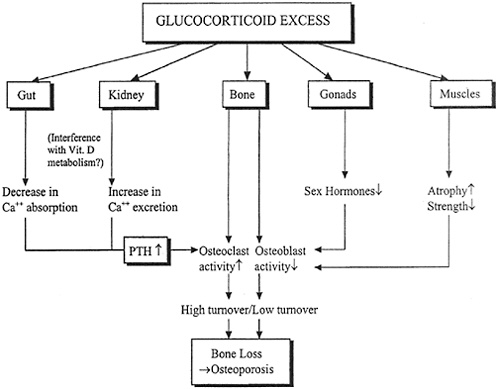
FIGURE 4–1 Mechanisms of bone loss due to glucocorticoid excess.
SOURCE: Reprinted from Ziegler and Kasperk (1998), with permission from Elsevier.
and Kasperk, 1998), patients with depression (Cizza et al, 2001; Robbins et al., 2001; Wong et al., 2000), and transplant patients.
Cortisol, measured in U.S. Army Rangers during 8 weeks of training (Friedl et al., 2000), did not significantly increase until the Rangers’ fourth week of training and remained elevated, albeit within normally accepted levels (Figure 4–2). During training, the Rangers experienced sleep deprivation, heavy exercise, and inadequate food intake. Yet these service members’ cortisol levels did not change until their body fat was significantly reduced; their muscle and hepatic glycogen were probably also depleted. The authors concluded that the Rangers’ cortisol response was related to their increased need to catabolize alternate body-energy sources, similar to that found in research with starvation. In contrast to the cortisol response, the Rangers’ IGF-1 levels decreased by week 2 (Figure 4–3), showing earlier adjustments to the physical activity of training. In comparison, astronauts (Smith et al., 1997) had increased plasma cortisol levels immediately upon entry into space. These levels remained above baseline during space flight, but all levels were within their normal ranges with considerable variation between crew members.
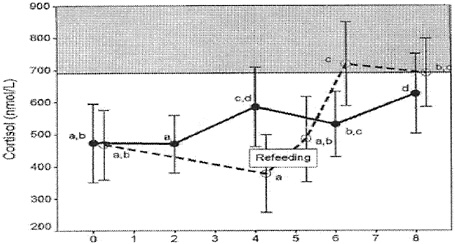
FIGURE 4–2 Serum cortisol for group 1 (solid lines) and group 2 (dashed lines) over an 8-week Ranger training course. Values are means±standard deviation. Letters indicate means that are not significantly different (Scheffé’s test); shaded regions represent areas outside of normal range for morning serum concentrations in normal young men. There were differences between group means at all of the common measurement points for cortisol.
SOURCE: Reprinted, with permission from JAP 88:1820 by Friedl et al. (2000).
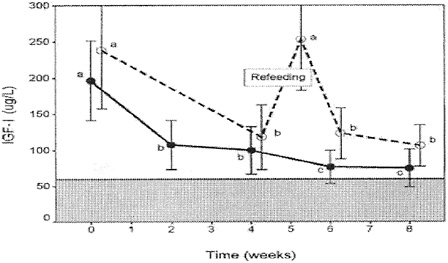
FIGURE 4–3 Serum insulin-like growth factor-1 (IGF-1) for group 1 (solid lines) and group 2 (dashed lines) over an 8-week Ranger training course. Values are means±standard deviation. Letters indicate means that are not significantly different (Scheffé’s test); shaded regions represent areas outside of normal range for morning serum concentrations in normal young men. There were differences between group means at all of the common measurement points for IGF-1.
SOURCE: Reprinted, with permission from JAP 88:1820 by Friedl et al. (2000).
Although cortisol is a marker of physical and emotional stress (Hackney and Viru, 1999; Obminski et al., 1997), its circadian rhythms make it difficult to obtain reliable measures during field operations. Circadian rhythms are also disrupted during operations (especially with sleep deprivation), further exacerbating reliable measures of change. When the cortisol elevations are not chronic, there may be no long-lasting effect on bone health. Finally, the levels of cortisol found in healthy individuals performing Ranger-like activities and in astronauts were within normal ranges.
Although the relationship of cortisol and bone turnover is well known, this relationship has not been verified under actual operational experiences, such as during Ranger training. Astronauts did have elevated urinary excretion of collagen cross-links within the first week of space flight (Smith et al., 1998), but the relationship between the urinary excretion of collagen cross-links and cortisol levels has not been studied. However, there is evidence that cortisol decreases BMD in the healthy population when cortisol levels are chronically elevated. Because increased cortisol levels did not occur in Rangers until their fourth week of training, it may be expected that after training, cortisol levels would return to pretraining levels and, similar to astronauts, their bone formation would increase.
BIOMARKERS OF MUSCLE METABOLISM AND FATIGUE
Skeletal muscle structure is highly adaptable in that the individual muscle cells (myocytes) comprising the complex muscle system have the ability to change their mass, metabolic capacity, and contractile properties in accordance with the level of demand placed on them (Baldwin et al., 2003).
In the context of this report, skeletal muscle function is defined as the composite of muscle activities needed for strength, endurance, and rapid-burst, quick movements like short sprints. Each component is essential for military training and combat activities; however, endurance is probably most critical (IOM, 1998). Reduction in any of these muscle capabilities may lead to decrements in overall performance (Behm et al., 2001; Budgett, 1998; Clarkson et al., 1992; Davis, 1995). Chronic muscle fatigue is a generalized problem caused by inadequate recovery from multiple acute bouts of muscle activity. Lack of adequate rest, hydration, and nutritional support (Ardawi et al., 1989; Barac-Nieto et al., 1980; Fitts, 1994) increase the time needed for recovery from muscle fatigue.
Skeletal muscle activity, which can involve either single muscles or muscle groups (for review, see Wilmore and Costill, 1994), includes fine intricate movements, heavy lifting, long-duration traveling, or very fast (rapid-burst) movements. Muscle contraction is initiated through the nervous system by a combination of biochemical and electrochemical reactions that cause shortening of the fibers (Fitts, 1994; Saltin and Gollnick, 1983). Muscle capabilities can be
improved or lost through training, overuse that produces fatigue, and disuse that produces atrophy (ACSM, 2002; Ferrando et al., 1996; LeBlanc et al., 1992).
The muscle contractible unit (sarcomere) contains myofibrils, composed of actin and myosin filaments (Fitts, 1994). Through neurological activation, the membrane potential of the muscle cell changes, which in turn causes the filaments to slide together (interdigitate), producing a contraction. All the muscle fibers innervated by a single motor neuron (anterior horn cell of the spinal cord) by contact with its axon are termed a motor unit (Fitts, 1994).
Muscle Fatigue
A common definition of muscle fatigue is “failure to maintain the required or expected force” (Edwards, 1981; Fitts, 1994). Muscle fatigue limits physical activity. The etiology can be of either local or central origin. Local fatigue originates within the muscle, whereas central fatigue is secondary to alterations within the brain. Several neurological and biochemical changes may cause local muscle fatigue, including the following (Fitts, 1994):
-
inability of the sodium-potassium pump to maintain the membrane excitability necessary for contraction,
-
inability of the muscle fiber to maintain normal contractility because calcium ions are not efficiently removed from the intermyofibrillar space into the sarcoplasmic reticulum,
-
inability to provide oxygen to the muscle cell for energy metabolism (oxidative phosphorylation),
-
lack of available energy substrates, such as glucose and phosphocreatine, to provide sufficient adenosine triphosphate (ATP), and
-
increased lactic acid that reduces intracellular muscle fiber pH, thereby inhibiting further contractions.
It is postulated that in central mechanisms, exercising muscle releases factors that act systemically and impact the central nervous system. In the context of military performance, systemic effects are likely to be of greater significance because of their potential to impact both physical and mental performance.
Muscle fatigue is not the same as muscle soreness. Muscle soreness is the pain that occurs about a day after exercise and peaks 2 to 3 days postexercise (Clarkson et al., 1992). The underlying mechanisms for delayed-onset muscle fatigue and soreness are different. Soreness is believed to be due to a localized inflammatory response (Smith, 1991), and so the appropriate markers are markers for an inflammatory response. The onset of pain is also not considered to be a marker for muscle fatigue. Pain by itself is performance limiting and therefore is not a “predictor.”
The majority of studies of muscle fatigue have assumed that the fatigue is the result of events localized within skeletal muscle (Davies and White, 1981;
Edwards, 1981). Prior studies of muscle fatigue have focused on the relationship of a putative marker to the underlying biochemical or histological changes (Banister et al., 1985). For a marker to be of practical use, certain conditions must be met. The marker must apply to all subjects; a statistical relationship is inadequate when applied to the individual (Barron et al., 1985). In addition, the measurement must be technically feasible on a large number of subjects. These criteria currently limit assays to “spot” blood and urine measurements. In-line sensors in a selected muscle are not likely to be of much use because an isolated muscle may not reflect the whole musculoskeletal system, and the muscle selected may not be one of the muscles that is becoming fatigued.
Fatigue may occur with the inability of the sodium-potassium pump to maintain the muscle membrane excitability necessary for contraction (Evans and Cannon, 1991; Fitts, 1994). Determined by electrophysiological measurement, this fatigue is transient and probably not related to the phenomenon of chronic muscle fatigue (Fitts, 1994).
The muscle cell membrane (sarcolemma) is electrically excitable due to selective permeability to potassium and sodium (Fitts, 1994). The electrical potential across the resting muscle cell membrane is due to the ion concentration gradients maintained by the ATPase-dependent sodium-potassium pump that transports sodium ions out of the cell in exchange for potassium ions back into the cell. The neurological excitation is through the release of acetylcholine at the neural membrane; this neurotransmitter causes conformational changes that open channels for the movement of calcium, sodium, and potassium ions. Initially, more sodium ions flow through these channels, resulting in a negative potential on the muscle membrane, which produces a contraction. With the metabolism of acetylcholine, the potassium ions move across the cell membrane to reduce the negative potential. Generally, this fast reaction is not primarily related to fatigue, but research with artificial electrical stimulation demonstrates that there is a point where the rate of destruction of acetylcholine is limited. At that point, the cell membrane cannot recover the resting potential for a subsequent contraction.
Muscle contraction requires movement of calcium ions into the intermyofibrillar fluid (intermyofibrillar space) (Fitts, 1994; Westerblad et al., 1991). Muscle fatigue may relate to the process by which free calcium ions are removed from the intermyofibrillar space back into the sarcoplasmic reticulum (Westerblad et al., 1991). Essentially, if calcium ions are not efficiently removed (increased sarcoplasmic free calcium), then the muscle fiber will not be able to maintain normal contractility. Also, chronic increases of sarcoplasmic calcium ions are associated with the activation of calcium-dependent proteases, which in turn can lead to destruction of the contractile proteins and muscle atrophy.
Myofibrils are surrounded by the transverse tubule-sarcoplasmic reticulum system. These tubules transverse the entire cell and, by branching, form planes of T tubules that interlace the myofibrils (Fitts, 1994). In the resting state, the troponin-tropomyosin complex blocks the action-filaments binding sites, which
maintains the muscle in a relaxed state. An action potential at the muscle fiber membrane spreads along these T tubules to the interior of the myofibril, and this causes the increase in calcium ions in the intermyofibrillar fluid. Calcium ions diffuse through the intermyofibrillar space and cause conformational changes in the fiber proteins (troponin-tropomyosin complex), which results in the availability of actin binding sites for the globular heads of the myosin filaments. Muscle contraction will continue as long as the calcium concentration is high in the sarcoplasmic tubules. Calcium-ATPase pumps the calcium into the sarcoplasmic reticulum, leaving few free calcium ions, so muscle relaxation occurs. This reaction time is extremely fast, 1/20 of a second, and continued repetitive contractions may prevent the reestablishment of calcium equilibrium prior to the next stimulus.
Muscle fatigue is also related to decreases in the availability of oxygen to the muscle cell (Barac-Nieto et al., 1980; Fitts, 1994; Gollnick et al., 1972). This may be due to decreases in cardiovascular function, hemoglobin concentrations, and respiratory exchange rates. Dehydration, or decreased plasma volume (Nose et al., 1983), can also reduce the availability of oxygen to the cell. Even with very highly trained athletes, there are limits in the ability to perfuse the muscle cell with oxygen, and fatigue occurs. Obviously combat service members must maintain hydration, high levels of cardiovascular/pulmonary fitness, and good hemoglobin status (no iron or other nutrient deficiency).
ATP provides energy for muscle contraction (Meyer and Foley, 1996). ATP is generated through several different pathways, including glycolysis and oxidative phosphorylation. The instantaneous source of energy, phosphocreatine, produces ATP immediately. When this ATP is used, the adenosine diphosphate is regenerated through the phosphocreatine shuttle to resynthesize ATP. With high resistance and/or fast repetitions of contractions, the source of phosphorus for ATP synthesis (phosphocreatine) is depleted and fatigue occurs. Replenishment of the phosphocreatine from glucose may take minutes before contractions can continue.
Muscle fibers store energy as glycogen. It is estimated that 2,000 muscle fiber contractions may be required to deplete muscle glycogen stores, suggesting that this is a good source of energy for muscle contractions, particularly during quick-burst activities. Muscle glycogen depletion may occur with endurance types of muscle activity, such as marathon running, when no dietary glucose is available. Since muscle glycogen metabolism does not require oxygen (anaerobic metabolism), it is not dependent upon an immediate blood supply of oxygen. Under anaerobic conditions, for each glucose-6-phosphate molecule released from glycogen stores, three ATP molecules are generated with two molecules of lactic acid. Thus glycogen metabolism in the absence of oxygen leads to a buildup of lactic acid, which can be measured in the blood. Lactic acid levels become a problem when the intracellular muscle fiber pH changes, (an increase in H+ ions) producing muscle fatigue (Fitts, 1994; Westerblad et al., 1991).
Accumulating lactic acid reduces intracellular muscle fiber pH, which inhibits further contraction and results in fatigue. Nuclear magnetic resonance spectroscopy has shown that prolonged strong muscle contraction can reduce the intracellular pH from normal resting values near 7.02 to as low as 6.34 (de Kerviler et al., 1991). Adenosine monophosphate (AMP) accumulation also activates the enzyme myoadenylate deaminase (localized particularly in type II fibers), which hydrolyzes AMP to inosine monophosphate with the release of ammonia. This ammonia partially neutralizes lactic acid, modulating the drop in intracellular pH. Ultimately, muscle fatigue is accompanied by cessation of contraction, which restores capillary blood flow with the consequent removal of lactic acid and the recovery of normal intracellular pH. Regeneration of AMP is then possible from inosine monophosphate through a guanosine-triphosphate-mediated reaction (Meyer and Foley, 1996).
Fiber Types and Muscle Performance
The ability of the muscle tissue to perform burst versus endurance activities is due to the percentage of the two fiber types found in the muscles: types I and II, and two subtypes: types IIA and IIB; these are defined by their morphological, physiological, and biochemical characteristics (Pette and Staron, 1990; Saltin and Gollnick, 1983). Genetically predetermined, human muscles are a mosaic of these various fiber types. An individual with more type I (slow twitch) muscle cells excels at endurance activities, while an individual with more type II (fast twitch) excels at quickness and strength activities. Different muscles have different proportions of the fiber types. The leg muscles provide an example. The gastrocnemius has more than 50 percent fast-fiber types, while the soleus muscle may have less than 40 percent fast types. There is a great deal of interindividual variation in the percentage of fiber types found in muscles.
Type 1 fiber types have low glycogen content, high resting levels of phosphocreatine (with ample mitochondria), a rich capillary network, and high blood flow—all indicative of reliance on aerobic metabolism. In general, these fiber types are considered to be resistant to fatigue due to their slower contraction speed and their postural and prolonged sustained contracile functions. Type 1 fibers rely on a continuous delivery of glucose and oxygen for energy production. As long as oxygen and glucose are available, these muscles will continue to function. With reduced oxygen availability due to altered cardiovascular-pulmonary function, dehydration (reduction of plasma volume), or low hemoglobin levels, glucose metabolism is limited to nonmitochondrial metabolism, resulting in increased lactic acid concentrations. Maintaining blood glucose through feeding during endurance exercise delays the onset of this fatigue by providing necessary energy. During long-duration exercise, both intracellular and plasma fatty acids can be used for energy metabolism by type I muscle fibers. A noteworthy sex difference is that women have higher muscle lipid levels,
which are related to the estrogenic influences that enhance aerobic endurance activities.
Type II muscle fibers produce rapid, strong contractions of short duration (quick burst), but these fibers are sensitive to fatigue (Saltin and Gollnick, 1983). They are dependent largely on glycogen metabolism and do not require oxygen for contraction because they are not highly dependant on oxidative phosphorylation. They contain ample glycogen stores, few mitochondria, a sparse capillary network, and low intracellular resting levels of phosphocreatine, all of which are indicative of the fibers’ reliance on anaerobic glycolysis for the production of energy. In fact, they can contract in the absence of oxygen until their stored glycogen supply is exhausted. When phosphocreatine is completely metabolized and there is inadequate time for regeneration (Westerblad et al., 1991), the muscle does not have available energy and fatigue occurs. Usually a rest period of several hours is required to regenerate enough phosphocreatine and ATP from blood glucose for another fast-exercise activity. If muscle glycogen is depleted, it may take several days for regeneration.
In summary, individuals experience fatigue when muscle energy sources are inadequate or when faced with inadequate energy substrates when oxygen delivery falls below the point for lactate accumulation (a decrease in intracellular pH) (Westerblad et al., 1991). One subjective measure of muscle fatigue is self perception, as described previously in Chapter 3; however, predictors of fatigue at an earlier state have been proposed (see following sections).
Measures of Muscle Performance and Indicators of Fatigue
A differential diagnosis between acute damage from muscle injury, fatigue due to overuse or overconditioning, exercise until exhaustion, hydration, and nutritional status is difficult given the interactions of these factors in the subjective feeling of fatigue. For heavy lifts and sprint activities, highly available energy sources are essential, and energy depletion results in fatigue. Aerobic endurance depends on glucose and fat for energy and on the adequate delivery of oxygen to tissues. The level of these energy nutrients depends on the nutritional status of the individual. Undernutrition contributes to fatigue and makes biochemical diagnosis difficult (Barac-Nieto et al., 1980; Lieberman et al., 2002).
For this report, it is assumed that military training requires high standards for high muscle performance and teaches the importance of muscle conditioning, including maximized hydration, nutrition, and rest. Tools have been developed to evaluate the physical fitness of military personnel, including running distances in a certain time, lifting weights, and calisthenics (IOM, 1998).
The most common measure of muscle strength (besides functional performance) is muscle diameter, which relates to muscle volume or mass (Evans, 2001; Roth et al., 2001). Muscle mass is measured by circumference (tape measure) (Takahashi et al., 2003) or magnetic resonance imaging (LeBlanc et al., 1992),
and by dual-energy X-ray absorptiometry (Ferrando et al., 1996) for lean mass in specific regions (Suzuki et al., 1994). Muscle responses to nervous stimuli are measured by electromyography (Evans and Cannon, 1991). Decreases in muscle performance and muscle volume as determined by magnetic resonance imaging (LeBlanc et al., 1992) are related, although a direct linear correlation has not been found. Muscle strength is not just due to mass, but is also related to neurological and cardiovascular factors, with decrements found with deconditioning.
Heavy muscle performance causes muscle damage with the release of creatine kinase, lactic acid dehydrogenases, and glutamic oxaloacetic transaminase into the blood (Evans and Cannon, 1991; Manfredi et al., 1991). Circulating creatine kinase, as a marker of acute damage, is different for trained and untrained individuals and does not always correlate with muscle damage (Heymsfield et al., 1983; Manfredi et al., 1991). While this parameter may indicate acute muscle damage, it is not a reliable measure of chronic fatigue. Muscle soreness may accompany these biochemical changes and is actually a good indicator of the need to rest (see Chapter 3).
Cortisol
Stress causes increased muscle protein breakdown that results in loss of muscle mass and potentially in muscle atrophy (Wolfe and Børsheim, 2003). The most common stress indicator is increased blood or urinary cortisol levels (IOM, 1999). Short-term heavy exercise increases plasma cortisol levels, but over-training decreases this cortisol response (Wittert, 2000). Physiological increases in plasma cortisol initiate protein breakdown (Darmaun et al., 1988; Gelfand et al., 1984). Hypercortisolemia increases whole-body protein turnover without the offsetting increase in protein synthesis (Wolfe and Børsheim, 2003). Under experimental conditions, 6 days of hypercortisolemia produced a 15 percent decrease in rat soleus muscle mass (Jaspers and Tischler, 1986). This stress-induced proteolysis may increase the incidence of chronic fatigue in military personnel under conditions of continuous stress (Wolfe and Børsheim, 2003). However, blood and urinary cortisol have diurnal rhythms, making the use of a single measurement difficult to interpret (Braunwald et al., 2001).
3-Methyl Histidine
Other indicators of protein catabolism in muscle are urinary 3-methyl histidine (Stein, 2003; Young et al., 1973) and urinary creatinine levels (Afting et al., 1981). Urinary creatinine provides a marker for long-term change in lean body mass, while increases in urinary 3-methyl histidine levels indicate muscle tissue catabolism. Three-methyl histidine is released during muscle protein breakdown and is not reutilized for synthesis, but is excreted in the urine. Since muscle contains the largest level of 3-methyl histidine in the body, urinary levels relate directly to muscle breakdown. However, 3-methyl histidine urinary levels
are not always good predictors of muscle performance levels since they are also affected by the dietary consumption of muscle meats.
Protein Turnover
Protein turnover in muscles may indicate changes in muscle capabilities. In general, protein synthesis equals protein breakdown in normally maintained muscles. Under stress or chronic fatigue, protein turnover is increased, but catabolism increases more than synthesis (Wolfe and Børsheim, 2003). In general, markers that indicate protein breakdown may overemphasize the changes in muscle. Markers of synthesis are also needed to provide insight into the overall changes in muscle protein metabolism that relate to changes in muscle performance. The only methods available to determine the rates of breakdown versus synthesis are invasive measures (infusion technologies and muscle biopsies) of incorporation and release of labeled amino acids from muscles. These studies are important, however, because they provide insight into understanding the conditions of muscle metabolism during different forms and levels of metabolic stresses (Ferrando et al., 1995, 1996).
Blood amino acids are incorporated into the muscle and are used for synthesis. Conversely, during breakdown, some amino acids (e.g., branched-chain amino acids [BCAAs]) are released from the muscle into the blood. The rate of these changes can be measured. Protein synthesis increases during the postprandial period and decreases during the fasting period. However, even with an imbalance of protein breakdown to synthesis, a 15-percent loss in muscle mass can occur without significant effect on muscle performance (Wolfe and Børsheim, 2003). Studies by Wolfe and Børsheim (2003) demonstrate that changes in blood essential amino acids, including plasma alanine and glutamine levels, do not always indicate changes in muscle protein turnover. Plasma alanine and glutamine levels are related to stress and exercise. Alanine is released after exercise and is probably related to the stimulation of gluconeogenesis (Darmaun et al., 1988). Plasma glutamine levels appear to be maintained even when the intramuscular glutamine pool is depleted. Therefore, blood amino acids are not considered good markers of muscle changes (Wolfe and Børsheim, 2003).
Neutrophil Infiltration and Cytokines
Other markers of muscle damage include neutrophil infiltration into the muscle cells and increased concentrations of the cytokines IL-1 and tumor necrosis factor. These become elevated with muscle-damaging exercises. For instance, after endurance downhill skiing at 70 percent of maximum heart rate (HR), IL-lβ in vastus lateralis biopsy increased 135 percent after 45 minutes and 250 percent after 5 days. This correlated to accumulation of neutrophils in muscles (Fielding et al., 1993).
IGF-1 has an anabolic effect on skeletal muscle cells (Adams and Haddad, 1996; Adams et al., 1999; Eliakim et al., 2000; Evans, 2001), and due to the significant positive correlation between increased muscle overloading and IGF-1 level, it is a potential marker for muscle overuse. IGF-1 is an insulin-like peptide that is primarily secreted in the liver and is stimulated by growth hormone. There are paracrine and autocrine forms that are only partially regulated through growth hormone. Most of the circulating IGF-1 is bound to proteins, and as many as six forms have been identified. In rodent studies, muscle IGF-1 increased after muscle overloading. Adams and Haddad (1996) suggested that this muscle-produced IGF-1 might mediate muscle hypertrophy. Additional research is needed to determine if IGF-1 (especially the muscle-produced form of the peptide) can be a specific biomarker for muscle damage. There is evidence that IGF-1 levels are stable during the day (i.e., no diurnal variation) (Eliakim et al., 2000). However, IGF-1 levels are decreased with malnutrition and change depending on an individual’s level of fitness (training effect) and length and duration of exercise.
Some genetic markers, such as myosin heavy chain (Baldwin et al., 2003; Giger et al., 2002; Ohira et al., 1992), have been studied. Although these studies are important to understand the expression of proteins under different nutritional and stress conditions, they have not been useful in predicting changes in the functional muscle capacity.
Near-Infrared Spectroscopy
Near-infrared Spectroscopy (NIRS) and surface electromyography studies indicate muscle ischemia and fatigue during isometric contractions (Alfonsi et al., 1999). NIRS is a potential tool to determine fatigue (Neary et al., 2002; van Beekvelt et al., 2002; Wariar et al., 2000). The military should study the use of NIRS to concurrently monitor muscle oxygenation/deoxygenation, intramuscular pH, and skin hydrations status. With NIRS, muscle function and hydrations status can be measured under field conditions with telemetry units.
Near-infrared light (700–1,000 nm) has the ability to deeply penetrate tissue and be bound to oxygenated or deoxygenated hemoglobin that allows the measurement of tissue oxygen and blood flow (Quaresima et al., 2003). It is a relatively low-cost and noninvasive way to measure muscle oxidative metabolism that has found wide application in sports medicine (Puente-Maestu et al., 2003; Xu et al., 2003). Among the other important variables that would be valuable to assess noninvasively would be tissue pH, redox potential, hydration, extracellular sodium and glucose concentration, osmolality, and evidence of inflammation. This technology has already been shown to be feasible for measuring tissue pH (Soller et al., 2002), blood pH (Rosen et al., 2002), glucose (Cohen et al., 2003), blood flow (Kell and Bhambhani, 2003), and hemoglobin (Rendell et al., 2003) or hematocrit (Soller et al., 2002) levels. When used with fluorescent labels, tissue imaging is possible (Sevick-Muraca et al., 2002). This technology could
also potentially be used for assessing inflammation since superoxide, one of the more potent reactive oxygen substances that develop with inflammation, reacts with nitric oxide to produce peroxynitrite. Peroxynitrite interacts with tyrosine to produce nitrotyrosine, which can be measured by MRS (Massip et al., 2002). Recently it has been shown that the measurement of nitrotyrosine levels is a very sensitive measure of inflammation (Shishehbor et al., 2003). There is a possibility as well that states of hydration could be assessed (Zhou et al., 2003). Finally, in combination with deuterium oxide, MRS can be used to measure total body water to determine body composition (Macías et al., 2002). Argon lasers with a shorter wave length might also be useful (Massip et al., 2002) for a number of these purposes.
Central Fatigue and the Tryptophan Hypothesis
The neurotransmitter serotonin (5-hydroxytryptamine [5-HT]) is a critical central modulator of sleep, arousal, mood, and cognitive function (Graeff, 1997). Plasma free tryptophan (TRP) is the precursor for brain 5-HT. The rate-limiting step in the synthesis of 5-HT is the transport of free TRP across the blood-brain barrier as it competes for a barrier carrier system with other large neutral amino acids, especially BCAAs. Thus an increase in free TRP and a reduction in BCAAs favors uptake of TRP across the blood-brain barrier and increased 5-HT synthesis. Both exercise and diet can influence the ratio of TRP:BCAA, thus altering serotonergic pathways (Blomstrand et al., 1988; Fernstrom, 1990).
Newsholme and colleagues (1987) first proposed that prolonged exercise increased brain serotonergic activity leading to a loss of physical and mental efficiency in athletes, known as “central fatigue.” At rest, the majority of plasma TRP is bound to albumin and unavailable for transport across the blood-brain barrier. During exercise, free fatty acids displace TRP from albumin leading to an increased availability of free TRP in plasma. Concurrently, BCAAs are taken up by muscle for oxidative metabolism. The net effect is that the TRP:BCAA ratio increases several-fold, and more TRP is taken up into the brain and available for conversion to 5-HT (Blomstrand et al., 1988). Although considerable evidence suggests that endurance exercise alters serotonergic activity, links between the neuroendocrine changes and alterations in performance and perceived exertion have been more difficult to demonstrate. The administration of 5-HT reuptake inhibitors (which alter central serotonin transmission) has been shown to reliably modify human mental and physical performance (Strüder et al., 1998; Wilson and Maughan, 1992). However, a recent review of more than 20 human studies concluded that nutritional manipulation of the brain 5-HT system has variable effects on reducing fatigue and enhancing performance outcomes (see Strüder and Weicker, 2001). Specifically, oral supplementation with 5-HT precursor, BCAAs, or carbohydrate, either alone or in combination, has generally led to contradictory results.
There is some evidence that down-regulation of 5-HT receptors or other counter-regulatory mechanisms might protect the well-conditioned athlete from excessive neurotransmission of 5-HT (Jakeman et al., 1994; Strachan and Maughan, 1999). Strüder and Weicker (2001) speculate that prolonged, exhaustive exercise disturbs this physiological balance leading to 5-HT dysregulation and the syndrome known as over training. As described earlier in this chapter, over training has been related to reduced physical performance, prolonged fatigue, altered mood states, loss of appetite, and sleep disturbances even in highly conditioned athletes (Morgan et al., 1988; O’Connor et al., 1991). Thus the search for potential markers for the prediction of the onset of fatigue might include plasma levels of free TRP, BCAAs, albumin, and free fatty acids. However, it seems unlikely that these parameters would be sufficiently informative to predict cognitive state or physical performance of individuals because “normal” values were derived using group data. Moreover, there would be difficult technical challenges to measuring free amino acids in saliva or by sweat patch, which would severely limit the practical application of this strategy for military field use.
In summary, increased TRP uptake into the brain and the subsequent increase in 5-HT biosynthesis does not induce excessive neural transmission of 5-HT or central fatigue. A high TRP:BCAA ratio during exercise would be considered normal, except when accompanied by evidence of fatigue and exhaustion. Thus, the TRP:BCAA ratio does not appear to be a useful marker since it cannot reliably predict performance decrements. Various feedback controls regulate central serotonergic transmission. Oral administration of TRP before or during exercise has been suggested but not proven as a possible strategy to “down regulate” 5-HT receptors and avoid this 5-HT dysregulation. Insufficient evidence exists at this time to support this approach.
BIOMARKERS OF HYDRATION AND RENAL FUNCTION
Water comprises an average 60 percent (range 45–70 percent) of total body weight, depending on an individual’s body composition (Sawka and Pandolf, 1990). Individuals with more muscle mass have a higher percentage of body water than individuals with more body fat since water comprises about 72 percent of muscle and organ weight, but only about 20 to 30 percent of fat weight. In general, men have a higher percentage of lean body mass and thus a higher percentage of their total body weight is comprised of water. For example, the average adult man’s body weight is comprised of about 65 percent water, while the average adult woman’s body weight is comprised of about 55 percent water (Kleinman and Lorenz, 1996).
As defined by Manore and Thompson (2000), dehydration is a decrease in total body water (TBW) that occurs anytime that fluid intake does not keep up with fluid loss. During exercise, involuntary dehydration occurs since most ac-
tive individuals do not voluntarily consume enough water or other fluids to offset the water losses that occur from sweating. This means that even if an active individual drinks to satisfy thirst, the amount of water or fluid consumed does not usually suffice to return this individual to a state of euhydration (normal hydration). Thus most individuals end a session of extensive physical exertion (e.g., exercise) in a state of dehydration that must be corrected by eating and drinking during the postexercise period. Hyponatremia (abnormally low plasma sodium concentrations) generally occurs when water intake is high, but sodium intake is low. This will occur if the fluid being consumed during exercise does not have adequate sodium to replace losses.
Effects of Dehydration
The effects of dehydration on exercise performance and physiological functions within the body are well documented. For example, even small levels of dehydration (1 percent) can cause obvious signs of heat exhaustion if strenuous exercise occurs in hot (41°C or 105°F) environments (Casa and Armstrong, 2001; Sawka and Montain, 2000) and can lead to decrements in physical work capacity and cognitive function (Epstein and Armstrong, 1999; Montain and Coyle, 1992). When dehydration exceeds 2 to 2.5 percent of body weight, physical work capacity can decrease as much as 35 to 48 percent (Casa et al., 2000; Shirreffs and Maughan, 2000). Dehydration of greater than 3 percent of body weight increases the risk of developing exertional heat illness and of producing significant reductions in cardiac output since the reduction in stroke volume can be greater than the increase in heart rate (ACSM, 1996; Casa et al., 2000). Table 4–1 provides a general overview of the effect that continued dehydration has on thirst, on the ability to perform work, and on physiological functions. It is important to remember that the impact of a particular degree of dehydration and heat on exercise performance is highly variable within and among individuals.
Dehydration increases hemoconcentration, blood viscosity and osmolality, core body temperature, and HR, while causing a decrease in stroke volume (Montain and Coyle, 1992; Murray, 1995). It promotes the onset of fatigue and makes any given exercise intensity seem harder than it would if the individual was well hydrated (Gonzalez-Alonso et al., 1999; Maughan, 1992; Murray, 1995). In addition, dehydration increases carbohydrate oxidation (Gonzalez-Alonso et al., 1999), thus increasing the amount of carbohydrate utilized during exercise. However, the most serious effect of progressive dehydration is that the body decreases its ability to sweat because of decreased blood flow to the skin.
TABLE 4–1 Adverse Effects of Dehydration on Work Capacity
|
Body Weight Lost (%) |
Symptoms |
|
0 |
Well hydrated; no dehydration |
|
1 |
Thirst threshold and threshold for impaired exercise thermoregulation leading to decrement in physical work capacity; core body temperature can begin to rise and increased cardiovascular strain; dehydration at this level can cause serious problems if moderate-to-strenuous exercise occurs in very hot environments |
|
2 |
Stronger thirst, vague discomfort, sense of oppression, loss of appetite |
|
3 |
Dry mouth, increasing hemoconcentration, reduction in urinary output; exercise at high intensity is difficult; decrease in aerobic power |
|
4 |
Decrements of 20–30% in physical work capacity, more depending on individual |
|
5 |
Difficulty in concentrating, headache, impatience, sleepiness |
|
6 |
Severe impairment in exercise temperature regulation and increased respiratory rate lead to tingling and numbness of extremities |
|
7 |
Likely to collapse if combined with heat and exercise; individuals can experience dizziness, fatigue, dyspnea, tingling, indistinct speech, headache, and spasticity |
|
SOURCE: Adapted from Casa and Armstrong (2001) and Greenleaf (1992). |
|
This in turn decreases the body’s ability to cool itself, which leads to an increased core body temperature and the risk of heat illness and collapse and, in rare situations, life-threatening heat stroke (Sutton, 1990). Various types of heat-related disorders and factors that increase risk for heat illness are outlined in Table 4–2.
Water is lost first from the extracellular space. Next, a proportionately greater percentage of water comes from the intracellular spaces. Costill and colleagues (1976) found that when subjects lost 6 percent of their body weight due to dehydration, approximately 50 percent of the water lost came from intracellular water. Thus muscle cells, which are 70 percent water, are depleted of the water necessary to maintain metabolic functions. This is one reason why dehydration negatively impacts exercise performance. One study showed that moderate exercise (50 percent of maximum oxygen uptake) in cool environmental temperatures (14.4°C or 60°F) without prior dehydration resulted in most of the fluid losses coming from the extracellular interstitial fluid (Maw et al., 1998). However, when subjects repeated the same protocol in a hot environment (36.2°C or 97°F), 23 percent of the fluid losses came from the intracellular environment. Thus progressive dehydration in well-hydrated individuals performing moderate exercise primarily depletes extracellular fluid. However, when the stress of heat is added, fluid is drawn from the intracellular spaces.
TABLE 4–2 Signs and Symptoms of Exertional Heat Illnesses
|
Heat Illness |
Signs and Symptoms |
Reference |
|
Heat syncope |
Occurs when unacclimatized people stand for a long period of time and the blood pools in the vasodilated periphery. Dehydration does not need to be a prerequisite for this disorder. It generally occurs when individuals stand for long periods of time in the heat, stop suddenly after a race, or stand suddenly from a lying position. Symptoms may include dehydration, fatigue, tunnel vision, pale or sweaty skin, decreased pulse rate, dizziness, lightheadedness, or fainting. |
Binkley et al., 2002; Sutton, 1990 |
|
Heat cramps |
Painful cramps involving abdominal and skeletal muscles that occur after strenuous exercise where sweat losses and fluid intakes were high, urine volume low, sodium intake was inadequate to replace losses, and there was neuromuscular fatigue. Sunstroke, heat cramps, and heat exhaustion are possible with prolonged exposure and/or physical activity in temperatures between 90°–105°F (~32°–41°C). Symptoms include dehydration, thirst, sweating, transient muscle cramps, and fatigue. |
Binkley et al., 2002; NWS, 2003 |
|
Heat exhaustion |
During exercise, plasma volume decreases, causing decreased blood flow from the muscles to the skin and decreases the body’s ability to dissipate the heat generated during exercise. This results in the body’s heat production to exceed the body’s ability to dissipate heat and core body temperature rises to≥104°F (≥40°C). Dehydration exacerbates these physiological changes and contributes to heat-related problems. The causes of heat exhaustion may be associated with a combination of heavy sweating, dehydration, sodium losses, and energy depletion. Symptoms include elevated or normal core body temperature, dizziness, lightheadedness, headache, syncope, nausea, decreased urine output, persistent muscle cramps, pallor, profuse sweating, chills, intestinal cramps, weakness, and hyperventilation. |
Binkley et al., 2002 |
Electrolyte Losses
Electrolytes are also lost in the sweat, but the quantity lost appears to be highly variable and dependent on when the sweat sample is taken, on the individual’s state of acclimation, and on the physiological differences between individuals (Manore and Thompson, 2000; Sawka and Montain, 2000). Because the methods for collecting sweat and estimating total electrolyte losses are crude and cumbersome, values for sweat electrolyte concentrations in the research literature vary dramatically. Although a number of minerals are lost in sweat, including sodium, chloride, potassium, magnesium, calcium, and iron, the electrolytes lost are primarily sodium and potassium. Typical values for sodium concentrations in sweat range from 20 to 80 mmol/L, while potassium values range from 4 to 8 mmol/L (Maughan and Shirreffs, 1997). The amount of electrolytes lost in sweat for any one individual depends on many variables, such as exercise intensity and duration, acclimation, environmental conditions, and clothing. Because direct sweat electrolyte loss is difficult to measure, electrolyte losses are generally estimated based on data collected under various laboratory environmental conditions in individuals performing a wide range of exercises.
As mentioned above, it is now known that sweat electrolyte losses vary widely among individuals, and research aimed at identifying who is a risk for these losses is underway. For example, football players in the National Football
League had sweat losses of 1.3 to 5.2 L/h and sodium losses of 22 to 101 mmol/L (Stofan et al., 2002). These data indicate that sodium loses for some individuals can be much higher than the normal range. The players who have higher sweat and sodium losses may be at a greater risk of dehydration and of adverse health effects due to these losses. This was demonstrated in a study conducted with NCAA Division 1 football players. The sports medicine staff identified those football players with a history of whole-body muscle cramp during practices and competition. During two 2.5-hour training practices, sodium and fluid intakes and losses were measured. Sodium losses were twice as high (55 vs. 26 mmol/L or 5.2 vs. 2.4 g/2 practice sessions) in players who frequently had muscle cramps compared with those players who were classified as noncrampers. The crampers also had significantly higher sweat losses (0.5 L more/hr) and significantly higher dehydration rates at the end of practice than noncrampers (Stofan et al., 2003), even though both groups consumed the same amount and types of fluids. These preliminary research data suggest that there is a great deal of variation in sweat and sodium losses among individuals. Thus some individuals have a great need to replace sodium and fluids during physical activity. Efforts are needed to identify these individuals and train them on the importance of increasing fluid and sodium intakes before, during, and after physical activity, especially in hot environments.
Hyponatremia
Hyponatremia is the development of abnormally low plasma sodium concentrations (<130 mmol/L). This condition usually occurs when excess water accumulates, relative to sodium, in the extracellular water compartments of the body. The general symptoms of hyponatremia are fatigue and nausea (Armstrong et al., 1993), but severe cases can result in grand mal seizures, respiratory arrest, acute respiratory distress syndrome, and coma (Armstrong et al., 1993; Noakes et al., 1990). The cause of hyponatremia in healthy individuals is not known, but it is generally attributed to prolonged endurance exercise in a warm environment while drinking excessive amounts of low-sodium fluids. In these individuals, the fluid-electrolyte control mechanisms are either defective or are overwhelmed by the environmental conditions and the intense exercise (Armstrong et al., 1993). When hyponatremia develops in the presence of a modest fluid load, the cause may be due to an impaired renal capacity and the inability to excrete a fluid load (Speedy et al., 2001).
Hyponatremia has been document in recreational and endurance runners. Noakes and colleagues (1990) reported that in the 1986 and 1987 Comrades Marathon in South Africa, 9 percent of collapsed runners had hyponatremia. Another case of hyponatremia was reported in an individual hiking all day in the heat in the Grand Canyon in Arizona (Richards, 1996). Finally, Flinn and Sherer (2000) reported a case study of a 20-year-old male military recruit who suffered a generalized tonic-clonic seizure following 9 hours of moderate activity in a
hot, humid environment. He consumed at least 5.8 L of plain water before the seizure, and his blood sodium level dropped to 113 mmol/L. Although there are a number of research papers reporting hyponatremia in individual athletes (Armstrong et al., 1993), overall the incidence of hyponatremia in active individuals is low. As illustrated in the case study by Flinn and Sherer (2000), combat service members exercising in hot environments need to be aware of the importance of replacing the fluids and electrolytes lost in sweat in order to prevent the development of hyponatremia. Under these conditions, consumption of plain or bottled water may not provide enough electrolytes to maintain good fluid and electrolyte balance.
Measurement of Total Body Water
In general, assessment of TBW requires a laboratory setting and uses the dilution principle, which states that the volume of the compartment is equal to the amount of the tracer added to the compartment divided by the concentration of the tracer in the compartment (Schoeller, 1996). Using this principle and some basic assumptions about the tracer selected (tritium, deuterium oxygen-18), a tracer is administered to an individual and urine samples collected over time to determine TBW.
Deuterium Dilution
The most common property-based method of measuring TBW is deuterium dilution. This method measures the dilution in the body of a known dose of deuterium isotope using a body fluid sample.
Bioelectrical Impedance
Bioelectrical impedance analysis (BIA) is based on the relationship among a conductor’s volume (the body), length (height), and impedance (which reflects the resistance to the flow of an electric current). Impedance measurements are made with an individual lying flat on a nonconducting surface with electrodes attached to specific sites on the wrist and ankle of the right side of the body. A low-dose (800 μA), single-frequency (50 KHz) current is passed through the individual and the value for resistance is measured. A prediction equation that includes the resistance value from the measured impedance plus height-squared is then used to estimate fat-free mass. Validity of BIA measurements are significantly affected if measurements are not made using standard measurement techniques and appropriate prediction equations (Houtkooper et al., 1996). Standard techniques include having the individual recline on a nonconducting surface, restriction of the individual’s food intake 3 to 4 hours prior to measurement, and the standard placement of electrodes. The accuracy of prediction equations derived from BIA is improved when population-specific equations that have been
validated and crossvalidated using multicomponent criterion methods are used (Houtkooper et al., 1996; Lohman, 1992).
Biomarkers of Renal Function
Identifying potential markers of renal function (see Figure 4–4) deserves attention because of the role of the kidney in maintaining protein status, electrolyte balance, and hydration status. Acute renal failure may occur within hours, and without proper kidney functioning, death ensues within a few weeks to a month (Kopple, 1999).
Large amounts of protein are not usual constituents of the urine and when they are present, they indicate pathology. Perhaps the most common pathological state associated with proteinuria is rhambdomyosis, secondary to the breakdown of muscle; but other possible causes, such as fever, infection, and unidentified renal damage from other causes (e.g., diabetes and renal disease), may also be involved. It is important to eliminate the possibility of contamination from feces (or in females, menstrual blood) in the urine sample. This is often done by discarding the early portion of the void. Urinary tract infections may be signaled by the presence of leukocyte esterase or nitrites in the urine (Beers and Berkow, 1999), and although urinary tract infections may not be debilitating, they may cause later renal damage (Beers and Berkow, 1999).
Dipstick strips that test for blood, protein, urobilinogen, glucose, ketones, pH, leukocyte esterase, and nitrites are now available on a single-purpose strip in 1-oz dispensers that are color coded, permitting the individual to read them easily. If a digital camera were available, it could be used to record the calorimetric information as well. Readings are usually on a scale (e.g., protein 1, 2, 3, 4, etc.) for each indicator; values above 3 or 4 signify significant abnormality. A reading of blood hemoglobin or myoglobin greater than 3 or 4 and a high urine protein greater than 3 or 4 might signal that the risk of kidney damage is elevated. If this is combined with a high specific gravity, there is even greater cause for concern. Abnormal nitrates and leukocyte esterase values suggest that urinary tract infection may be present. If core temperature is above 38°C (~100°F) or below 36°C (~97°F) and/or pulse is over 70 beats/min, the index of suspicion for urinary tract infection rises further.
Protein
One of the kidney’s functions is to eliminate the products of protein metabolism, and when this does not occur, as in renal failure, metabolism is severely deranged. As mentioned above, having relatively large amounts of protein in the urine is abnormal and is likely to signal renal damage. Other pathological conditions can lead to losses of protein in the urine; these include nephrolithiasis (major losses), early renal failure, and glomerulosclerosis (Walser, 1999). However, under field conditions among individuals who have
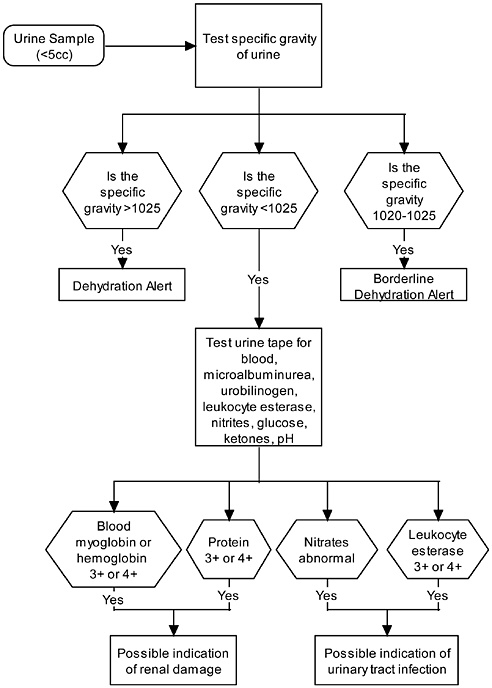
TABLE 4–3 Various Types of Dehydration and Their Effects on Body Fluid Spaces
|
Status |
Extracellular Volume |
Intracellular Volume |
|
Normal |
Normal |
Normal |
|
Isotonic dehydration |
Decreased |
Normal |
|
Hypertonic dehydration |
Decreased |
Decreased |
|
Hypotonic dehydration |
Decreased |
Increased |
engaged in heavy exertion and exercise, protein in the urine often signals muscle damage. If it is extensive, it can lead to acute renal failure.
Several biochemical indicators, including blood urea nitrogen and serum creatinine, have some associations with protein status. However, concentrations of these indicators will also be influenced by hydration status. High blood urea nitrogen or high serum creatinine suggests that protein intake is very high, protein catabolism is very high, the individual is very dehydrated, or kidney function is abnormal. The problem with these measures is that multiple processes and factors, not simply hydration status, influence all of them. There are no simple method to measure these markers.
Possible urine measures of protein status might include urinary nitrogen, urinary creatinine, and 3-methylhistidine. These might signal changes in protein status, but they do not appear to be useful under field conditions.
Electrolytes
The kidneys also play a vital role in electrolyte homeostasis. Fluid intake regulation is influenced by plasma osmolality and volume, both of which are affected by kidney function, as well as by other factors (Nose et al., 1994). Exertion and other stresses during field operations affect not only water metabolism, but also electrolytes. Water shifts between the intracellular and extracellular compartments cause shifts in sodium, potassium, magnesium, and chloride ions. Sweating also causes electrolyte loss. In hot environments, “…individuals routinely have sweat rates of 1 liter per hour. Dehydration from sweat loss increases plasma tonicity and decreases blood volume, both of which reduce heat loss and result in elevated core temperature levels during exercise heat stress. Additionally, during exercise-heat stress, competing metabolic and thermoregulatory demands for blood flow make it difficult to maintain adequate cardiac output” (IOM, 1993, P. 71), and with continued stress, may result in renal failure. Prolonged moderate- to high-intensity activity, especially in hot environments, will lead to a significant loss of electrolytes (sodium, potassium, and magnesium), especially in individuals who are not adapted to hot environments.
The relative amounts of electrolytes versus water that are lost will determine whether the dehydration is isotonic (net salt and water loss equal), hypertonic (water alone is lost or water in excess of electrolytes is lost) or hypotonic (electrolyte loss exceeds water loss; see Table 4–3) (Oh and Uribarri, 1999).
Urinary water excretion varies greatly depending on the total amount of solute that is excreted, the urine osmolality, and the presence of fever or sweating.
Isotonic dehydration under field conditions might occur due to gastrointestinal fluid loses, with salt lost with an equal or larger quantity of water lost, and depletion of the extracellular volume. The osmolality of the body fluids can be adjusted to isotonicity either by urinary excretion of water or by oral salt intake.
Hypertonic dehydration is due to water deficit that in turn may be due to either inadequacy of water intake or excessive water loss. Under field conditions, inadequate water intake might be due to defective thirst signals, the lack of water, or an inability to drink water. Increased water loss due to sweating, osmotic diarrheas, vomiting, and hyperventilation may also occur. The end result of hypertonic dehydration is depletion in both the extracellular volume and the intracellular volume.
The various forms of dehydration (isotonic, hypotonic, and hypertonic) could theoretically be distinguished from each other by the use of “point of care” electrolyte kits that are relatively compact (egg size) and assess sodium, potassium, carbon dioxide, and chloride. However, from the standpoint of field conditions, all forms of dehydration are of concern. Water replacement is important for all forms. Although hypotonic salt replacement is most important in hypotonic dehydration, isotonic dehydration will not be harmed by the provision of modest salt replacement in addition to water, whereas in hypertonic dehydration salt replacement should be dilute (<40 mEq/L water replacement).
Hydration Status Measures
The maintenance of proper hydration status is a critical issue facing combat military personnel in the field, especially in hot environments (IOM, 1994). Fluid deprivation may be due to extracellular volume deficiency, pure water deficiency (dehydration), or both (see Table 4–4) (Hoffer, 1999). Both water loss and a combination of water and sodium loss may deplete the extracellular fluid volume. Changes in weight over a short time (hours) are indicators of hydration status. At present, changes in hydration status cannot easily be measured by strain gauges or by other techniques in the field. Similarly, hyper- or hyponatremic dehydration cannot accurately be measured in the field. In the future, if miniaturized and field-usable forms of NIRS become available to measure serum sodium, and measures of weight are feasible in the field, it will be possible to refine these measurements (see earlier section, “Biomarkers of Muscle Metabolism and Fatigue”). Carter and colleagues (2003) described various methods for measuring hydration (see Appendix A), but only some of these are promising at present for use in the field.
TABLE 4–4 Various Types of Fluid Deprivation
|
Condition |
Symptoms |
|
Volume deficiency: combination of sodium and water loss deplete extracellular fluid volume |
Anorexia Nausea Thirst either present or absent |
|
Dehydration (water deficiency) |
Anorexia with continued deprivation of water and hyperosmolality, confusion, weakness, lethargy, obtundation, coma Dry mouth Fatigue Headache, but a late symptom that develops slowly Thirst |
|
Combinations of these |
|
Urine Specific Gravity
The most straightforward method for measuring hydration status is to assess urine specific gravity. If this were done at mid-day and at the end of the day, it might be most helpful since it would assess hydration status during or afterstress experiences that might perturb it. Miniaturized (pen-size) instruments with eye-pieces are available—a drop of urine is all that is needed—and can be read in the field. When available, methods based on measurement of osmolality should also be used.
Although the measurement of first-morning urine specific gravity in the field may be feasible, individuals could also be trained to associate a urine specific gravity that represents dehydration with their urine color (urine color charts are available) (Casa et al., 2000). They could then use either color or odor to monitor their own level of hydration.
|
Clinical Signs |
Biochemical Signs |
|
Diminished sweat Dry mucous membranes Poor skin turgor Postural hypotension Weight loss |
Hyponatremia (variable) Increased serum urea concentration due to decreased renal glomerular filtration and urea clearance |
|
Diminished sweat Dry mucous membranes For each 1% loss in body weight, there is approximately an increase of 0.4°– 0.5°C in rectal temperature, a 2.5% decrease in plasma volume, and a 1% decline in muscle water Poor skin turgor Postural hypotension Renal failure with extreme dehydration There is increased strain on the cardiovascular and thermoregulatory systems with as little as 2% body-weight loss; at 4% body-weight loss, muscle strength declines Weight loss |
Hypernatremia Increased plasma viscosity with lesser increases in serum sodium, albumin, and hematocrit; with continuing water deprivation, rising serum sodium and hyperosmolality and increased blood urea and hemoconcentration |
Urine Color and Odor
Urine color and odor are more subjective methods and therefore are not ideal for determining dehydration, but a deep color or strong odor is corroborative. If the urine has a dark color or strong odor, then the individual is dehydrated. Urine color may be a better field indicator of dehydration than urine volume (Armstrong et al., 1998). Individuals should drink until their urine color is either a “very pale yellow” or “pale yellow.” However, this may not be the best measure of hydration status within 6 hours of physical activity-caused dehydration (Kovacs et al., 1999).
Urine Volume
Urine volume is difficult and impractical to track, but it may corroborate other measures of dehydration. If urine color cannot be measured, then urine volume may be the only field indicator of hydration level available. Active individuals should drink enough fluids to produce 1 to 2 L of urine per day.
Voids per Day
Voids per day are also difficult to track under field situations, but few or no voids are corroborative of dehydration.
Calculation of Sweat Rate Using Changes in Body Weight
A decrease in body weight by 1 percent can cause a decrease in exercise performance. In order to measure changes in body mass due to physical activity, body weight needs to be measured before and after exercise. Sweat rate is calculated as follows:
Sweat rate=preexercise body weight−postexercise body weight+ fluid intake−urine volume/exercise time in hours
Although the measurement of sweat rate and changes in body weight may be easy in a sport setting where locker rooms are available, this becomes more difficult in a field setting. It might be easier to determine an individual’s sweat rate in a controlled setting and then use this rate to estimate sweat losses in the field. For example, an individual’s sweat rate could be determined by measuring weight loss after a 1-hour, intense training period under environmental conditions that mimic what is expected to occur in the field. The amount of fluid lost in this hour would then represent the amount an individual would need to drink in the field for every hour of physical activity. The development of a way for combat service members to monitor short-term changes in body weight in the field would be a useful method for measuring fluid balance. These same measurements, over a longer period, could be used to determine if adequate energy is being provided to cover total energy expenditure.
Thirst
By the time an individual is thirsty, some level of dehydration has already occurred (~1 percent). Individuals can be trained to drink frequently in hot environments even when they are not thirsty, thus reducing their risk of dehydration. Teaching military personnel how to drink frequently for adequate hydration can be easily done through training and by providing military personnel with quantitative camel packs or insulated sport bottles for carrying fluids.
BIOMARKERS OF STRESS AND IMMUNE FUNCTION
Evidence revealing bidirectional communications between the neuroendocrine and immune systems has been derived from neuroendocrine, behavioral, and immunological studies using animals and humans (Ader et al., 1995; Cohen and Kinney, 2001; Maier et al., 1994; Sternberg et al., 1992; Webster et al., 2002). Other studies have shown that a variety of physical and psychosocial
stressors can alter immune responsiveness (Biondi, 1991; Esterling et al., 1996; Kiecolt-Glaser et al., 1993; Kusnecov et al., 2001). While previous studies assumed that all stress was generally immunosuppressive, recent evidence indicates that different types of stress and different components of the physiological stress response have specific effects on different components of the immune response. In addition, the duration and timing of the stressor in relation to immune exposures also affect how stress influences immunity and immune-mediated processes.
Stress can be defined as a constellation of events that begins with a stimulus, called the stressor, that precipitates a reaction in the brain (stress perception) and subsequently activates physiological systems in the body, called the stress response (Dhabhar and McEwen, 2001). The stress response results in the release of neurotransmitters and hormones that serve as the brain’s messengers for regulation of the immune and other systems. The consequences of this response are generally adaptative in the short run, but can be damaging when stress is chronic (Dhabhar and McEwen, 2001).
Conversely, the immune system produces chemical messengers (cytokines) that play a crucial role in mediating inflammatory and immune responses and that also serve as mediators between the immune system and the central nervous system (Kronfol and Remick, 2000).
Considering the interactions between these systems, monitoring of biomarkers of stress and immune function should ideally include monitoring the immune system and the neuronal and hormonal arms of the stress response at multiple levels. This includes monitoring the expression of immune and nervous system genes, receptors, and maturation or activation markers in accessible cells and tissues (Wei et al., 2003). Thus categories of molecules that could be monitored include: immune mediators (cytokines including ILs) (Kang et al., 1997; Rothermundt et al., 2001; Song et al., 1999), immune-cell activation markers, and neuropeptides and neurohormones secreted in bodily fluids, including blood, saliva, or sweat (Ahmed et al., 1996; Murphy, 1995; Niess et al., 2002; Scott and Dinan 1998; Strickland et al., 1998).
Intermediate functional measures of neuronal and neuroendocrine responsiveness, which should also be monitored, include measures of heart rate variability (HRV) as an indicator of relative sympathetic and parasympathetic responsiveness (Brook and Julius, 2000), and hormonal measures of adrenergic and hypothalamic-pituitary-adrenal (HPA) axis responsiveness, such as cortisol (Biondi et al., 1994; Moynihan, 2003; Niess et al., 2002) and neuropeptide Y (Zukowska et al., 2003) secretion, respectively. Functional measures of immune responsiveness that can be measured include the production of antibodies to vaccine and measures of cellular and innate immunity (Glaser et al., 1992; Vedhara et al., 1999). Functional integrity at the organ and system levels may include outcome measures of the central nervous system, cognitive function and mood, immune outcome measures of susceptibility to infection (Kasl et al.,
1979; Totman et al., 1980), and speed of wound healing (Kiecolt-Glaser et al., 1995; Marucha et al., 2001).
The measures selected to monitor stress and immune function will depend on the setting in which the monitoring is performed. While a full battery of biomarkers and functional measures can be assessed in the clinical laboratory setting (see Appendix A), a more limited battery may be applied in ambulatory or field settings. For example, a minimum battery of cytokine measures that is currently used include IL-10 and IL-4 as markers of T helper type 1 (Th1) response, and interferon-gamma (IFNγ) and IL-6 as markers of Th2 response and innate immunity response. In addition, cortisol and HRV are currently used as markers of neuroendocrine and neuronal responsiveness, respectively
The rate of change of stress hormones away from and back to baseline in response to stressful stimuli is a critical variable in adaptive physiological responses. An important aspect of monitoring should include measurements at baseline (prior to exposure to the stressor), during the stress exposure, and during the period of recovery (postexposure to the stressor) (Ader et al., 1995; Biondi, 2001). The first two measurement periods, baseline and stress exposure, provide insights into individual degrees of stress responsiveness that cannot be detected by baseline measures alone. The latter period, poststress exposure, is important to gain insight into the pattern and resiliency of the individual’s stress responsiveness and the speed and completeness with which the responses return to baseline.
In ambulatory settings, the less invasive the method for obtaining samples, the less the measurement itself will perturb the system. It is thus important to develop methods to measure and validate intermediate neural and immune markers in tissues other than blood. Any electronic monitoring should be relatively noninvasive, and any psychological instruments to measure cognition and mood should be relatively noninvasive.
The Stress Response
The HPA axis and the sympathetic adrenomedullary system are the primary neuroendocrine components of the stress response (Chrousos, 1998; Eskandari and Sternberg, 2002; Goldstein, 1995; Sternberg, 1998) and are further described below. Release of cortisol from the adrenal cortex, catecholamine from the adrenal medulla, and norepinephrine from nerve terminals prepare the individual to cope with the demands of metabolic, physical, and psychological stressors. These two systems interact in a dynamic fashion in response to challenge. The stress response must be tightly controlled because an exaggerated response can by itself be a source of illness to the individual (Dhabhar and McEwen, 2001; Webster et al., 2002)
After exposure to any stressor, the neuronal response is first activated and then elicits the hormonal stress response (Guyton and Hall, 1997). Contrary to previous belief, it is now known that the stress response is not nonspecific, but
shows specificity in patterns of response depending on the nature of the stimulus. Thus different stressors (physiological, psychological, inflammatory, or infectious) differentially activate components of the stress response and activate different brain regions (Goldstein, 1995; Sawchenko and Arias, 1995; Sawchenko et al., 2000).
Autonomic Nervous System
There is growing evidence for a role of the autonomic nervous system (ANS) in a wide range of diseases. The ANS is generally conceived to have two major branches: the sympathetic system, associated with energy mobilization, and the parasympathetic system, associated with vegetative and restorative functions. Normally the activity of these branches is in dynamic balance. For example, there is a well-documented circadian rhythm such that sympathetic activity is higher during daytime hours and parasympathetic activity increases at night. There are other periodicities present, and the activity of the two branches can be rapidly modulated in response to changing environmental demands.
More modern conceptions of organism function that are based on complexity theory hold that organism stability, adaptability, and health are maintained through variability in the dynamic relationship among system elements (Friedman and Thayer, 1998a, 1998b; Thayer and Friedman, 1997; Thayer and Lane, 2000). Thus patterns of organized variability, rather than static levels, are preserved in the face of constantly changing environmental demands. This conception, in contrast to homeostasis, posits that the system has multiple points of stability, which necessitates a dynamic organization of resources to match specific situational demands. These demands can be conceived in terms of energy regulation such that the points of relative stability represent local energy minima required by the situation. For example, in healthy individuals average HR is greater during the day than during the night because energy demands are greater during the day. Thus the system has a local energy minimum, or attractor, for daytime and another for nighttime. Because the system operates “far-from-equilibrium,” it is always searching for local energy minima to minimize the energy requirements of the organism. Consequentially, optimal system functioning is achieved via lability and variability in its component processes, and rigid regularity is associated with mortality, morbidity, and ill health (Lipsitz and Goldberger, 1992; Peng et al., 1994).
Another corollary of this view is that autonomic imbalance, in which one branch of the ANS dominates over the other, is associated with a lack of dynamic flexibility and health. Empirically, there is a large body of evidence to suggest that autonomic imbalance, in which typically the sympathetic system is hyperactive and the parasympathetic system is hypoactive, is associated with various pathological conditions (Malliani et al., 1994). In particular, when the sympathetic branch dominates for long periods of time, the energy demands on the system becomes excessive and ultimately cannot be met, eventually causing
death. The prolonged state of alarm associated with negative emotions likewise places an excessive energy demand on the system. On the way to death, however, premature aging and disease characterize a system dominated by negative effect and autonomic imbalance.
Like many organs in the body, the heart is dually innervated. Although a wide range of physiologic factors determines HR, the ANS is the most prominent. Importantly, when both cardiac vagal (the primary parasympathetic nerve) and sympathetic inputs are blocked pharmacologically (for example, with atropine plus propranolol, the so-called double blockade), intrinsic HR is higher than normal resting HR (Jose and Collison, 1970). This fact supports the idea that the heart is under tonic inhibitory control by parasympathetic influences. Thus, resting cardiac autonomic balance favors energy conservation by way of parasympathetic dominance over sympathetic influences. In addition, the HR time series is characterized by beat-to-beat variability over a wide range, which also implicates vagal dominance. Lowered HRV is associated with increased risk of mortality, and HRV has been proposed as a marker for disease (Task Force of the European Society of Cardiology the North American Society of Pacing Electrophysiology, 1996).
Resting HR can be used as a rough indicator of autonomic balance, and several large studies have shown a largely linear, positive dose-response relationship between resting HR and all-cause mortality (see Habib, 1999). This association was independent of gender and ethnicity and showed a threefold increase in mortality in persons with HR over 90 beats/min compared with those persons with HRs less than 60 beats/min. It was suggested that this relationship is due to the role of HR as a major determinant of myocardial oxygen demand and the direct link of HR to the rate of myocardial energy use.
Brook and Julius (2000) have recently detailed how autonomic imbalance in the sympathetic direction is associated with a range of metabolic, hemodynamic, trophic, and rheologic abnormalities that contribute to elevated cardiac morbidity and mortality. Although the relationship between HR and cardiovascular morbidity and mortality may be assumed, the fact that autonomic imbalance and HR are related to other diseases may not be as obvious. However, links do exist. For example, HRV has been shown to be associated with diabetes mellitus, and decreased HRV has been shown to precede evidence of disease provided by standard clinical tests (Ziegler et al., 2001). In addition, immune dysfunction and inflammation have been implicated in a wide range of conditions associated with aging, including cardiovascular disease, diabetes, osteoporosis, arthritis, Alzheimer’s disease, periodontal disease, and certain types of cancers, as well as with declines in muscle strength and increased frailty and disability (Ershler and Keller, 2000; Kiecolt-Glaser et al., 2002). The common mechanism seems to involve excess proinflammatory cytokines, such as IL-1, IL-6, and tumor necrosis factor. Importantly, increased parasympathetic tone and acetylcholine (the primary parasympathetic neurotransmitter) have been shown to attenuate release of these proinflammatory cytokines, and sympathetic hyperactivity is associated
with their increased production (Das, 2000). Thus autonomic imbalance may be a final common pathway to increased morbidity and mortality from a host of conditions and diseases.
Although the idea is not new (Sternberg, 1997), several recent reviews have provided strong evidence linking negative affective states and dispositions to disease and ill health (Friedman and Thayer, 1998a; Kiecolt-Glaser et al., 2002; Krantz and McCeney, 2002; Musselman et al., 1998; Rozanski et al., 1999; Verrier and Mittleman, 2000). All of these reviews implicate altered ANS function and decreased parasympathetic activity as a possible mediator in this link.
An additional pathway between psychosocial stressors and ill health is an indirect one in which psychosocial factors lead to poor lifestyle choices, including a lack of physical activity and the abuse of tobacco, alcohol, and drugs. Both sedentary lifestyle and substance abuse are associated with autonomic imbalance and decreased parasympathetic tone (Nabors-Oberg et al., 2002; Reed et al., 1999; Rossy and Thayer, 1998; Weise et al., 1986). In fact, the therapeutic effectiveness of smoking cessation, reduced alcohol consumption, and increased physical activity rest in part on their ability to restore autonomic balance and increase parasympathetic tone.
In sum, autonomic imbalance, and decreased parasympathetic tone in particular, may be the final common pathway linking negative effective states and dispositions, including the indirect effects of poor lifestyle, to numerous diseases and conditions associated with aging and increased morbidity and mortality.
Several lines of research point to the significance of HRV in emotions and health. Decreased HRV is linked with a number of disease states (e.g., cardiovascular disease, diabetes, and obesity), and a lack of physical exercise (Stein and Kleiger, 1999). Reduced vagally-mediated HRV is also associated with a number of psychological disease states (e.g., anxiety, depression, and hostility). For example, low HRV is consistent with the cardiac symptoms of panic anxiety, as well as with its psychological expressions in poor attentional control, poor emotion regulation, and behavioral inflexibility (Friedman and Thayer, 1998a, 1998b). Similar reductions in HRV have been found in depression (Thayer et al., 1998), generalized anxiety disorder (Thayer et al., 1996), and post-traumatic stress disorder (Cohen et al., 1999). Low levels of vagal cardiovascular influence serve to disinhibit sympathoexcitatory influences. Due to differences in the temporal kinetics of the autonomic neuroeffectors, sympathetic effects on cardiac control are relatively slow (an order of magnitude of seconds) compared with vagal effects (an order of magnitude of milliseconds; see Saul, 1990). Thus when this rapid vagal cardiac control is low, HR cannot change as quickly in response to environmental changes. In this view, the prefrontal cortex modulates subcortical motivational circuits to serve goal-directed behavior. When the prefrontal cortex is taken “off-line” for whatever reason, a relative sympathetic dominance associated with disinhibited defensive circuits is released.
The Hypothalamic-Pituitary-Adrenal Axis
The hormones of the hormonal stress response, which together constitute the HPA axis, include corticotropin-releasing hormone (CRH), which is released from the hypothalamus; adrenocorticotropin (ACTH), which is released from the pituitary gland; and cortisol, which is released from the adrenal glands (Webster et al., 2002). CRH, released into the median eminence through the portal circulation from neuronal cells of the paraventricular nucleus in the hypothalamus, acts on the anterior pituitary in conjunction with arginine vasopressin to release ACTH. Secretion of ACTH signals the adrenal glands to increase the production and secretion of cortisol (Chrousos and Gold, 1992; Scott and Dinan, 1998).
Negative feedback by cortisol is the principal mechanism of regulatory control of the HPA axis, specifically on the pituitary-adrenal component. In addition, cortisol may modulate some of the physiological effects of catecholamines (Eskandari and Sternberg, 2002; Ligier and Sternberg, 2001). CRH is also negatively regulated by ACTH and itself, as well as by other neuropeptides, such as γ-aminobutyric acid/benzodiazepines and opioid peptide systems (Calogero et al., 1988b, 1988d).
The HPA axis is also positively regulated by neurotransmitters, such as serotonin (Bagdy et al., 1989; Calogero et al., 1989, 1990), acetylcholine (Calogero et al., 1988c), and catecholamines (Calogero et al., 1988a).
Almost immediately after an activation of the HPA axis (e.g., a stressful event), the levels of the regulatory hormones ACTH and CRH increase, causing a rise in cortisol levels. Once released into the circulation, a primary function of cortisol is to make energy stores available for use throughout the body by increasing protein catabolism and gluconeogenesis (Gold et al., 1988).
Recent studies show that depending on dose or preparation, cortisol may enhance or suppress immunological and other physiological parameters. Low levels of glucocorticoids are generally stimulatory for a physiological process, whereas higher levels are inhibitory (Dhabhar and McEwen, 2001). Also, most of the adaptive changes conferred by cortisol are limited to its acute, rather than chronic, release (Gold and Chrousos, 2002). Chronic cortisol release is almost always deleterious and results in a variety of physical and emotional effects, including insulin resistance, visceral fat deposition and its many proatherogenic sequelae, osteopenia/osteoporosis, and excessive fear (Gold and Chrousos, 2002).
When cortisol is secreted it causes a breakdown of muscle protein, leading to release of amino acids into the bloodstream. These amino acids are then used by the liver for gluconeogenesis. This process raises the blood sugar level so that the brain will have more glucose for energy. At the same time, the other tissues of the body decrease their use of glucose as fuel. Cortisol also causes the release of fatty acids from adipose tissue for use by the muscles. Taken together, these energy-directing processes prepare the individual to deal with stressors and ensure that the brain receives adequate energy sources (Gold and Chrousos, 2002).
Glucocorticoids regulate a wide variety of immune cell expressions and function, including production of cytokines, adhesion molecular expression, immune cell trafficking, immune cell maturation and differentiation, expression of chemoattractants and cell migration, and production of inflammatory mediators and other inflammatory molecules (Webster et al., 2002). Exposure to physiological concentrations of stress hormones exerts biphasic effects on immune function, that is, they are immunomodulatory rather than simply immunosuppressive. Some important factors that determine the nature of the effects that glucocorticoids have on a given immune response include the source (natural vs. synthetic), concentration (physiological vs. pharmacological), the effects that other factors have (hormone, cytokines, and neurotransmitters), and the state of activation of an immune parameter (naive vs. activated leukocyte vs. late activated) (Dhabhar, 2002).
Acute administration of physiological doses of endogenous cortisol can significantly enhance some immune responses (Dhabhar and McEwen, 1999), whereas chronic and acute administration of high doses of endogenous cortisol are immunosuppressive (Dhabhar and McEwen, 1999). This dose-response relationship has been described for the biphasic effects of cortisol on several immunological parameters, including the skin delayed-type hypersensitivity response in vivo (Dhabhar, 1998; Dhabhar and McEwen, 1999), synthesis and secretion of immunoglobulin (Levo et al., 1985), T-cell mitogenesis (Stanulis et al., 1997; Wiegers et al., 1994), and macrophage phagocytosis (Forner et al., 1995). The immunomodulatory actions of glucocorticoids may be related to a shift of cytokine production from a primarily proinflammatory to an anti-inflammatory pattern (Elenkov et al., 2000; Sternberg, 2001), also categorized as Th1 or Th2. A Th1 pattern of cytokines is characterized by production of largely proinflammatory IL-2 and IFNγ and generally mediates cellular immune reactions. A Th2 pattern of immunity is characterized by production of IL-4 and IL-10 and is associated with a primarily humoral or antibody response (Sternberg, 2001). At physiological concentrations, glucocorticoids inhibit Th1 and enhance Th2 cytokine production, thus causing a shift in immune responses from a cellular immune to a humoral pattern of response. Such glucocorticoid-induced shifts may protect against some forms of autoimmune disease (Sternberg, 2001), but exacerbate others (Elenkov et al., 2000).
Psychological Stress and Immunity
Psychological stimuli exert profound effects on the HPA axis, generally causing cortisol elevations. However, in some circumstances, the stimuli cause the suppression of cortisol (Biondi, 2001).
Some important parameters that should be considered in determining the HPA responses to a stress situation and these HPA response effects on immune responses include stress characteristics (magnitude, psychological, physical, and avoidable or not), immunological outcome measure (cellular or humoral), bio-
logical characteristics of the individual under study, and the individual’s perception, interpretation, and evaluation of the stress situation and specific stress-coping strategies (Ader et al., 1995; Olff, 1999).
Thus to assess the consequences of stress on immune responses, it is important to first identify the specific characteristics of the stress and to quantify its magnitude, which can be regarded as a combination of its intensity, duration, and frequency (Dhabhar and McEwen, 2001). The intensity of a stress can be measured by peak levels of stress hormones and neurotransmitters, and by physiological changes, such as increases in HR and blood pressure. The duration of stress can be classified as acute (for a period of minutes to hours), or chronic (for a period of several hours to a number of months) (Dhabhar and McEwen, 2001).
Another important point to address in such studies is the individual’s perception of the stressful situation and the availability and effectiveness of the individual’s ways of coping with the situation. A situation may be perceived as threatening if the individual does not have control and appraises his or her resources as less than effective in dealing with the situation. In general, distressing situations (e.g., those characterized by threat, lack of control, uncertainty, novelty, and anticipation of aversive events) are associated with an increase in cortisol release (Olff, 1999). In addition to these psychological measures, changes in cortisol secretion can be used as a measure of the reactivity of the stress response system. Chronic hypersecretion of cortisol has been associated with the melancholic form of depression, while hyposecretion of cortisol has been associated with atypical depression, emotional numbing, withdrawal, and avoidance in post-traumatic stress disorder and in normal populations (Holsboer et al., 1984; Yehuda et al., 1996, 2000).
Immunological Alterations After Acute and Chronic Psychological Stress
Under normal conditions, acute stress may serve a protective role by enhancing immune responses directed toward a wound, infection, or cancer. However, such immune enhancement can be deleterious for autoimmune and inflammatory disorders (Dhabhar and McEwen, 2001). Immunological changes that have been reported in association with acute psychological stress include enhanced delayed-type hypersensitivity and immune cell trafficking into tissues (Dhabhar and McEwen, 1999), transient increases in the number and activity of natural killer (NK) cells (van der Pompe et al., 1998), and transient increases in leukocyte count (Mills et al., 1995).
During chronic stress, high levels of glucocorticoids suppress most aspects of the immune responses, including humoral, cellular, and innate immunity; immune cell trafficking out of the blood and into tissues (Dhabhar and McEwen, 1997); and the ability to fight infection and mount an antibody response (Dhabhar, 2002). Thus chronic or subacute stress is consistently associated with de-
creased immune cell function and maturation, decreased mitogen responses (Weiss et al., 1996), reduced numbers of NK cells and NK-cell activity (Irwin et al., 1988), reduced antibody production in response to vaccine (Kiecolt-Glaser et al., 1988, 1993), suppressed delayed-type hypersensitivity response (Dhabhar and McEwen, 1997), and suppressed and prolonged wound healing (Kiecolt-Glaser et al., 1995). Also during stress, patterns of immune responses are shifted from a Th1 (mainly cellular) to a Th2 (mainly humoral) pattern of response. Thus levels of proinflammatory cytokines are suppressed by glucocorticoids, and anti-inflammatory cytokines are increased, leading to overall immunosuppression.
Both the sympathetic and neuroendocrine arms of the stress response are involved in these effects of stress on immunity, as evidenced by the fact that in animal models pharmacological interruption with both beta adrenergic and glucocorticoid antagonists is required to completely abrogate these effects (Webster et al., 2002).
Interruption of the neuroendocrine stress response (HPA axis) is associated with enhanced mortality and incidence of septic shock in rodent animal models. Thus interruption of the HPA axis at the level of the pituitary with hypophysectomy, at the level of the adrenal with adrenalectomy, and through pharmacological interruption at the level of the glucocorticoid receptor, have all been shown to be associated with increased mortality from septic shock after exposure to salmonella, streptococcal bacterial cell walls, bacterial lipopolysaccharide (Webster et al., 2002), murine cytomegalovirus (Ruzek et al., 1999), and toxicity related to Shiga toxin (Gomez et al., 2003). Furthermore, a blunted HPA-axis hormone response has been associated with susceptibility to a variety of autoimmune and inflammatory diseases across species and in chicken, mice, rats, and humans (Bonneau et al., 1993; Mason et al., 1990; Sternberg et al., 1992; Wick et al., 1987).
Thus systemically, an over-reactive immune response, through activation of the stress system, stimulates an important negative feedback mechanism that protects the organism from “overshoot” of proinflammatory cytokines and other products of activated macrophages with tissue damaging potential. Conversely, a blunted hormonal stress response may enhance immune responses and susceptibility to autoimmune disease as a consequence of inadequate responsiveness of this negative feedback loop.
Immunological Alterations After Physical Stress: Overtraining Syndrome and Excessive Exercise
Immunological alterations can also appear in the Overtraining Syndrome (OTS). This is a condition that occurs when an athlete is training intensely but, instead of showing improvement, shows deterioration in performance, even after an appropriate rest period (MacKinnon, 2000).
Classic symptoms of overtraining include profound mood changes (feelings of depression and emotional instability), extreme fatigue (apathy), and frequent illnesses (flu-like illness, bacterial infection, allergies). Others symptoms, such as deficits in concentration, fear of competition, prolonged recovery, decreased muscular strength, loss of coordination, insomnia, and loss of appetite, may also occur. Biochemical alterations, such as negative nitrogen balance, depressed muscle glycogen concentration, elevated cortisol, and a low level of free testosterone, are also seen (Fry et al., 1991). The condition should be distinguished from overreaching, which is a temporary deterioration in athletic performance with recovery and improvement after sufficient rest (Fry and Kraemer, 1997).
Evidence in a few empirical studies of OTS and in excessive exercise showed immune alterations manifested as increased susceptibility to infectious illnesses, such as upper respiratory tract infections, usually with a viral etiology (MacKinnon, 2000; Nieman, 2000; Sevier, 1994; Shephard and Shek, 2001). Other infections may occur in the ear and skin (Sevier, 1994). Intestinal upset, slow wound healing, and increased sensitivity to environmental and food allergens have also been reported (Sevier, 1994). Laboratory measures show suppressed neutrophil function, suppressed lymphocyte count and proliferation, suppressed NK cell count and activity, changes in polymorphonuclear cell priming potential, and decreased serum, nasal, and salivary immunoglobulins (MacKinnon, 2000; Müns, 1994; Pedersen et al., 1999; Suzuki et al., 2000). Alterations in others measures, such as cytokine levels and stress hormones, were found in some studies (Müns, 1994; Suzuki et al., 2000).
Some theories have attempted to explain the relationship among immune suppression, OTS, and excessive exercise. Some studies have found lower serum glutamine levels in athletes during seasonal periods of intense training, which may interfere with optimal immune function (MacKinnon, 2000; Newsholme, 1994). Other theories focus on the “open window” model, which is a similar situation where immunosuppression is seen after exhaustive aerobic exercise, such as marathon running. Pedersen and colleagues (1999) have suggested that the time period between 3 and 72 hours after exercise represents an open window that is associated with an increased risk of developing subclinical and clinical infections. Some researchers have proposed that the athlete who trains excessively without sufficient recovery time shows a cumulative effect of the vulnerable open window period, which leads to a more chronic form of immunosuppression (Lakier Smith, 2003).
It has also been proposed that in OTS, excessive exercise, and marathon running, athletes may develop trauma in muscle and connective tissues, which activates local cells to produce cytokines that stimulate a Th2 humoral profile (Lakier Smith, 2003). As described above, when Th2 responses are up-regulated (humoral immunity), there is a suppression of Th1 responses (cellular immunity) (Abbas et al., 2000). Evidence for this hypothesis has been shown in studies of athletes after a marathon, where higher levels of tumor necrosis factor-a and Th2 cytokines, including IL-6 and IL-10 (Lakier Smith, 2003; Suzuki et al.,
2000), and lower levels of IL-12 and IFNγ (Lakier Smith, 2003) are seen. This pattern of immune responses—an up-regulation of the Th2 humoral response and suppressed Th1 cellular responses—would be consistent with reported higher levels of stress hormones (cortisol and catecholamine) in athletes postexercise (Steensberg et al., 2001) and in OTS (MacKinnon, 2000). It should be pointed out that higher levels of stress hormones also occur in response to psychological stress. Thus in OTS and excessive exercise, the stress of high-intensity training may be superimposed with psychological stressors, leading to further increases in an athlete’s susceptibility to infection (Lakier Smith, 2003). For studies in this field, it may be important to measure immunological parameters in the open window period, as it seems to be a particularly vulnerable period (Nieman, 2000; Smith, 2000).
Monitoring Stress and Immune Function
This section outlines general categories of biomarkers that are currently used to measure both physiological stress responses and immune responses, but they are neither comprehensive nor exhaustive. Monitoring biomarkers of the stress response should include molecular and functional measures of the HPA axis, the adrenergic response systems, and the immune system at multiple levels. The HPA axis can be monitored by measuring CRH, ACTH, and cortisol in plasma, cerebral-spinal fluid, urine, saliva, or sweat. HRV is an accurate, sensitive, and noninvasive way to measure the relative activity of the sympathetic and parasympathetic nervous systems. Monitoring the parasympathetic system (which generally acts as a brake to oppose sympathetic nervous system responses) also provides insights for the action of the ANS. Acetylcholine (the main neurotransmitter of the parasympathetic nervous system) and other neurotransmitters and neurohormones can be measured in the serum, urine, saliva, or sweat.
Immunological evaluation may include measures of the numbers, maturity, activation, and function of immune cells, including such measures as macrophage phagocytosis, lymphocyte proliferation in stimulation test, NK activity, cytokine production patterns, expression of genes and receptors, antibody production, skin delayed-type hypersensitivity, antibody response to vaccine, wound healing, and infection rate. The precise combination of measures chosen will depend on the flexibility of the collection of these measures in the laboratory or field setting.
A full evaluation of the effects of activation of stress response systems on immune function requires measures of multiple functional and molecular biomarkers at multiple time points prior to, during, and after the stress exposure. The precise measures selected should be determined by the specific conditions and setting of the study. In the field setting, a minimum battery of biomarkers may be selected as compared with a more extensive battery applied in the laboratory setting.
HUMAN ODORS AS BIOMARKERS
Chemical signals that are present in body odors provide information about many characteristics of an organism and are involved in the coordination and regulation of all aspects of behavior and physiology. Also known as pheromones, these chemical signals elicit a broad range of behavioral and physiological responses within members of a species. Several classes of pheromones have been defined (McClintock, 2000; Wysocki and Preti, 2000):
-
Releaser pheromones generate immediate behavioral responses, such as aggression, sexual attraction, and copulation.
-
Primer pheromones elicit slower physiological, endocrine, and neuroendocrine responses, such as estrus synchrony and sexual maturation.
-
Signaler pheromones include chemical signals that convey information such as individual identity, age, or health status. No obvious primer or releaser effect has been established for this class.
-
Recently, an additional group, modulator pheromones, has been introduced. This group has the potential to affect the psychological state or mood of the receiver (Jacob and McClintock, 2000).
Body odors have a number of inherent characteristics that should make them particularly useful for monitoring organic states of individual humans. First, many body odors evolved to communicate messages between individuals. As a consequence, these messages ought to be relatively unambiguous and difficult to falsify. Second, as mentioned above, body odors often directly reflect physiological processes. For example, odors associated with stress have been suggested to arise from the action of stress hormones (e.g., cortisol) on odor-producing body structures (e.g., underarm axillae). Third, odors can be detected from a distance, hence they can be monitored noninvasively. Finally, in principle, it should be possible to identify the odorous materials in human emanations with the long-range goals of developing sensors that could recognize individuals by their characteristic body odors and of developing devices that could detect and recognize specific chemical signatures indicative of particular physiological states. In practice, however, this has remained a challenge, as described below.
Messages in Body Odor
Individual Identity
Many species rely on chemical signals to recognize the individual identity of other members of the same species. The individual identity of a mouse, for example, is coded in part by the genes of the major histocompatability complex (MHC), the same genes involved in activation of immunological defenses and self/nonself recognition (Penn and Potts, 1998a; Yamazaki et al., 1999). MHC genes are highly polymorphic. Conservation of this extreme allelic variation
may help the organism recognize and evade a greater array of pathogens, leading to increased resistance to infection and parasites (Apanius et al., 1997). In one study, congenic mice strains were coinfected with Salmonella enterica and a murine encephalomyelitis virus where one haplotype was resistant to Salmonella and the other was resistant to the encephalomyelitis virus. MHC heterozygotes had lower susceptibility profiles to the two pathogens than did homozygotes (McClelland et al., 2003). This finding provides evidence that MHC diversity provides superior protection against multiple pathogens and might explain the persistence of alleles conferring lower susceptibility to disease.
This protection extends to subsequent generations as well. In a study in which male and female mice were randomly infected with mouse hepatitis virus prior to mating, virus-infected mice produced more heterozygous embryos than sham-infected mice. Thus the presence of a viral infection during fertilization could influence the MHC-genotype of the progeny (Rülicke et al., 1998).
MHC genes also influence characteristic body odors and mating preferences. Female mice prefer to mate with male mice expressing MHC genes different from their own (Penn and Potts, 1998b). Thus preference for MHC-dissimilar mates may have evolved as a strategy to increase genetic diversity of the individual’s offspring in order to preserve immunocompetence and enhance survival fitness.
Female mice can be trained to distinguish the odor of mice that vary genetically from themselves (Yamaguchi et al., 1981; Yamazaki et al., 1979). This discrimination has also been demonstrated in untrained MHC-mutant mouse strains differing in only five amino acids (Carroll et al., 2002).
In humans the influence of MHC odor types on odor preferences and mate selection is controversial (Hedrick and Black, 1997; Ober et al., 1997; Wedekind et al., 1995). Ober and colleagues (1997) studied 411 couples from the Hutterites, an isolated community that expresses a limited number of MHC-derived, human leucocyte antigen (HLA) alleles. Fewer matches in HLA genotypes were found between spouses than expected by chance. Among couples that did match, the matched genotype was more often inherited from the father. These results are consistent with the hypothesis that mate choice is influenced by HLA genes, with an avoidance of spouses with genotypes that are the same as one’s own. Hedrick and Black (1997), on the other hand, found no mate choice effect in 194 couples from 11 South Amerindian tribes who were characterized by two HLA variants.
McClintock’s group (Jacob et al., 2002) recently studied the odor preferences of females exposed to male axillary odors. Forty-nine women were recruited from an isolated community in which a limited number of HLA types were expressed. Six males from diverse ethnic backgrounds were selected as odor donors. The men carried HLA alleles that were common in the women’s community, as well as completely foreign alleles. Each man wore a T-shirt for two consecutive nights to capture body odors. In a double-blind study design, the women sniffed and rated each T-shirt for familiarity, intensity, pleasantness,
and spiciness. Each woman’s most-preferred odors were from male donors whose number of HLA matches differed on average by 1 allele from her own HLA alleles. The least-preferred odors were from donors with few matches (0 or 1 HLA matches) or more matches (up to 7 HLA matches were possible). None of the odor donors in this study shared identical or near-identical MHC with the women, thus avoidance of haplotypes identical to one’s own was not an option. Nevertheless, the findings of this study are consistent with a small, intermediate number of matches being preferred over either zero matches or identical MHC as suggested by previous studies (Ober et al., 1997; Wedekind et al., 1995).
Jacob and colleagues (2002) also showed that a woman’s odor choices were strongly associated with matches to the alleles inherited from her father, but not her mother, similar to the earlier finding of Ober and colleagues (1997) for mate choices. Preferred odor donors had an average of 1.4 allele matches, and the least-preferred odor donors had an average of 0.6 allele matches to a woman’s paternally inherited haplotype. These provocative findings suggest that paternally inherited HLA-associated odors influence women’s odor preferences and may serve as social cues.
Disease Recognition
Throughout history physicians have used body odor to diagnose metabolic diseases (e.g., diabetes, scurvy, and gout) and infectious diseases (e.g., smallpox, typhoid, and yellow fever) (see Penn and Potts, 1998a). There are also anecdotal accounts of dogs’ abilities to detect human skin cancers before overt symptoms of the disease were present (Church and Williams, 2001). These observations need to be confirmed with rigorous experimental study.
Nevertheless, female mice could discriminate between parasitized males and healthy males (Kavaliers and Colwell, 1992) and showed less attraction to the odor of male mice infected with intestinal parasites than they did to healthy controls (Kavaliers and Colwell, 1995). In another experiment, female mice were less attracted to male mice infected with a respiratory virus than they were either before or after the infection (Penn et al., 1998).
Yamazaki and colleagues (2002) studied the ability of mice to discriminate the urine odors of other mice experimentally infected with mouse mammary tumor virus (MMTV), a B-type retrovirus that is tightly linked to immune responses. MMTV can be acquired either through infection (when newborn pups suckle on infected mothers that shed the virus into milk) or genetically (when the virus is transmitted as an endogenous provirus). Trained mice discriminated male and female mice or their urine odors based on the presence or absence of MMTV, regardless of how the virus was acquired. These odor differences were observed in the absence of overt symptoms of infection. These findings may have relevance for human disease since MMTV-like genes may play a role in human breast cancers (Etkind et al., 2000). There is also a wide variety of other viruses (e.g., human immunodeficiency virus) for which obvious symptoms are
slow to develop and could give rise to unique odor profiles. Further investigation of the volatile profiles that give rise to these odor differences could be important for the early diagnosis of human disease.
Psychological State
There has been very little empirical research on the ability of humans to communicate emotions such as fear, anger, and happiness through body odors. Nevertheless, a large body of work has shown that stressed animals communicate fear and alarm through changes in body odor (Agosta, 1992). For example, in one study rats distinguished the odor from stressed and unstressed rats (Valenta and Rigby, 1968). Odors from stressed rats lowered the immune responses of unstressed rats (Cocke et al., 1993), and they induced avoidance behavior (Rottman and Snowdon, 1972).
Only two studies have investigated the ability of humans to communicate emotions through body odor. Chen and Haviland-Jones (2000) collected underarm odors from young men and women under two different conditions: when viewing a “scary” movie or viewing a “funny” movie. A panel of 40 women and 37 men were asked to sniff bottles containing odor pads collected from odor donors during the two viewing conditions. When asked to select which bottles contained the odors of people who were happy (or frightened), women chose the correct bottle more often than chance would suggest. Interestingly, neither men nor women correctly identified fearful odors from women donors. This negative finding could reflect the fact that odor donors reported their fear to be only moderate, and that underarm odors are generally less intense and more pleasant in young women than in young men (Chen and Haviland-Jones, 1999; Doty et al., 1978).
A similar study was conducted by Ackerl and colleagues (2002) in which female donors wore odor pads during a “fear” film or a “neutral” film. Salivary cortisol was measured before and after the films as a measure of stress. Female observers were able to discriminate between fear and nonfear odor pads in a forced-choice test significantly better than chance. However, cortisol levels were unrelated to the level of induced fear or to the odor ratings. These findings implied that cortisol was not the inducer of these odors, and that other mechanisms need to be investigated.
Although the results of these studies should be interpreted cautiously, they suggest that there may be information in human body odors that communicate emotional state. These experiments need to be repeated with stimuli that arouse more intense emotions, although ethical considerations may limit the conduct of some extreme study designs.
Recognition and Detection of Human Odor Profiles
Studies reviewed here suggest there is a rich potential for monitoring human physical and psychological states using body odors. For this potential to be realized, however, three critical issues need to be addressed: (1) ascertainment of what specific information human body odors convey, (2) identification of which compounds of the odor profile to measure, and (3) development of convenient and reliable devices to monitor odor profiles in individuals under various physical and psychological states. Currently there is a lack of definitive studies in all three areas, but future work is likely to fill many gaps in our understanding of these issues. It is encouraging that the Defense Advanced Research Projects Agency has an interest in funding studies to identify individuals based on their body odors.
Information Conveyed in Human Body Odors
Current evidence suggests that genetically based odor profiles play a role in individual identity and immune and stress responses and may be useful for monitoring a variety of physical and emotional states in humans. These signals may be mediated by MHC genes, whereas others may not (Beauchamp and Yamazaki, 2003).
Whether these signals can be reliably discriminated against background variation in such factors as diet, perfume use, and odors associated with home and work place remains a major question. Apparently dogs can discern the individual signature of a person in spite of these potential distracters indicating that, at least in principle, it should be possible for a device to do this as well.
Studies should be encouraged to investigate further how odors reflect emotional states. Based on animal studies, it is highly likely that human stress induces specific odor changes, but this must be rigorously demonstrated before programs that try to identify specific odorants and that try to develop sensors are instituted. No studies have examined odor profiles that might be associated with fatigue; this remains a novel area for future investigation.
It is also important to recognize that for volatile signals indicative of emotional states to be useful for monitoring emotion, it is not necessary that human noses be able to detect these substances. More discriminative devices, be they other biological ones, such as rats or dogs, or specialized nonbiological sensors (see below), may be able to detect these volatile signals and thereby serve as monitors, even if humans find these discriminations difficult or impossible.
A major problem with using human odors as biomarkers is identifying which odorants to monitor. The olfactory system is exquisitely sensitive to a large repertoire of molecules. Recently much progress has been made in our understanding of this system, although many mysteries remain. Briefly, it is now thought that mammals have about 1,000 different genes that express receptors for odorants (in humans, however, two-thirds of these are not functional). Each receptor (located on an individual receptor cell that is actually a primary sensory
neuron) is responsive to a variety of structurally similar odorants (Zhang and Firestein, 2002). It is thus the pattern of receptor activity that is monitored and that determines odor quality and intensity. Processing and fine-tuning this pattern begins at the first synapse in the olfactory bulbs, but how further central nervous system processing occurs remains mostly unknown.
It is clear that the olfactory system is capable of decoding MHC-derived body odors (Schaefer et al., 2001). How MHC genes alter odors is largely unknown, although recent studies have shown that they influence the concentration of volatile acids that serve as sexual attractants (Singer et al., 1997). It has also been proposed that MHC odor types may result from a linkage between MHC loci and olfactory receptor genes (Amadou et al., 1999; Fan et al., 1996). MHC-specific odors may be soluble MHC proteins, odor molecules selectively bound to MHC proteins, or by-products of MHC-specific bacteria localized to skin or axillae (Pearse-Pratt et al., 1999; Yamazaki et al., 1999). Further identification of MHC-derived and non-MHC-derived odors is an important prerequisite for developing a viable monitoring system based on odor profiles.
Odor Sensors
One strategy to designing odor sensors is to develop devices that mimic or even use biological principles to detect specific body odors. Particularly attractive is the idea that one might be able to express olfactory receptors in a device that monitors receptor activity using, for example, fluorescence to express overall patterned activity. This is a promising approach, but its development is clearly quite far in the future.
A very active research area involves using a variety of nonbiological sensors (called electronic noses, or e-noses) as artificial odor-sensing devices. In principle, an e-nose consists of an array of chemophysical detectors that change frequency or conductivity in a characteristic pattern upon binding of an odorant. The e-nose does not identify the specific chemical structure of the odorant, rather it detects differences in the molecular composition of odors by comparing signal patterns among samples (Gardner and Bartlett, 1999; Persaud and Travers, 1996). Such devices have been employed in the food industry to distinguish among different types of olive oils, tomatoes, and cheeses (Concepción Cerrato Oliverosa et al., 2002; Maul et al., 2000; Pillonel et al., 2003).
Recently Montag and colleagues (2001) utilized e-nose technology in a comprehensive study of MHC-derived individual odor types of mice and humans. The output from the sensors was analyzed using principal component analysis, an algorithm used to find the optimum representation of a given data set in n-dimensional space. In this case, the data were visualized in two-dimensional spaces where each odor type was represented by a primary and secondary component. The e-nose reliably distinguished urine and serum odor types among MHC congenic and mutant mice strains and also detected the difference between male and female mouse urine. Human serum from eight HLA-
homozygous males was also distinguished by the e-nose. The human serum was also represented by two odor components: one influenced by MHC genes and the other by non-MHC genes. The authors speculated that differences in food intake might have influenced the non-MHC odor component. Other environmental variables, such as perfumes and soaps, could have contributed to these differences as well.
Gas chromatography/mass spectrometry headspace analysis was also used to detect and identify individual volatile odors from mouse urine. Preliminary evidence suggested that the ratio of some common volatile compounds varied with HLA expression. For example, the peaks for 3-methylbutanal and 2-pentanone occurred in markedly different ratios in H-2 congenic mouse strains. Moreover, one partially identified substance was present in HLA-A2 transgenic mice, but was absent from their nontransgenic counterparts, suggesting that the presence of this substance depended on the expression of a single gene (Montag et al., 2001). Compounds of low volatility, such as organic acids, also contribute to the odor profile (Singer et al., 1997) and need to be considered as well. Further identification of these odor substances—both in absolute as well as relative quantity—may eventually lead to objective, on-line detection of individual odor profiles.
E-nose technology has also been used in clinical applications. Mohamed and colleagues (2002) used an e-nose to qualitatively classify urine samples from type 2 diabetic patients and healthy controls. Data were analyzed by principal component analysis, artificial neural network, and logistic regression. Correct clinical classification ranged from 88 to 96 percent across methods and was highest with principal component analysis. Others (Hay et al., 2003; Lai et al., 2002; Pavlou et al., 2002) have used the e-nose to diagnose urogenital and upper respiratory infections, with different degrees of success. As e-nose technology continues to develop (Harper, 2001), it represents a promising technology for the early detection of a variety of medical conditions.
Over the next 5 to 10 years, major strides are likely to be made in understanding the molecular mechanisms of olfaction and the relationship between gene expression and individual odor profiles and their links with emotion and cognitive states. Development of sensor technology are ongoing and are likely to yield smaller, more automated devices that reduce analysis time and increase reliability—two factors critical for field applications. These advances will go hand-in-hand with the development of sweat patches that can be uniquely designed to capture the substances of interest (Cizza et al., 2003). The military is encouraged to promote innovative research in chemical signaling that will accelerate these advances.
Two final caveats need to be mentioned. First, to be truly valuable as a monitoring technology, odor profiling must be reproducible at the individual level. That is, an individual’s odor profile during rest must be easily distinguished from that same individual’s odor profile during stress. Furthermore, information contained in an individual’s odor profile must be capable of
predicting decrements in cognitive performance or changes in health status under different environmental and physiological conditions. Future study of these parameters will determine if odor profiles possess these performance characteristics.
HUMAN TEARS AS BIOMARKERS
Bodily excretions and secretions that are noninvasively accessible and that reflect the current internal concentrations of substances within physiologically relevant systems represent possible targets of metabolic monitoring technology. Saliva and sweat have been discussed elsewhere. An often overlooked external secretion is lachrymal fluid, or tears.
Although there appears to be little currently accepted clinical analytic use of tears as indicants of nonophthalmic internal status, a number of disparate studies suggest that there may be merit in examining tears as a possible medium for monitoring relevant aspects of metabolic status.
It has been reported that tear glucose concentrations are related to blood glucose levels (Das et al., 1995). Also, insulin concentrations in tears of subjects who were fasted for 12 hours were lower than those in tears of fed subjects (Rocha et al., 2002).
Among marginally nourished Thai children, tear levels of retinol increased 2 months after a single dose of vitamin A supplementation, whereas they were unchanged among an unsupplemented group (van Agtmaal et al., 1988). In adults administered varying doses of aspirin, salicylic acid levels in tears were dose-dependent and proportional to plasma levels (Valentic et al., 1980). Fluoride concentrations in tears have been found to be in constant proportion to plasma concentrations in the face of twofold increases in plasma levels induced by acute fluoride ingestion (Chan et al., 1990).
Several studies have shown that tear concentrations of certain anticonvulsant drugs are closely related to both plasma and cerebrospinal fluid drug levels. Tear concentrations of valproic acid were directly correlated to cerebrospinal fluid concentrations as strongly as were plasma concentrations, and more so than were salivary concentrations (Monaco et al., 1982). Further, tear concentrations of valproic acid were correlated with plasma concentrations among adults and among children under 3 years of age (Nakajima et al., 2000; Monaco et al., 1982, 1984). Tear levels of diphenylhydantoin, phenobarbital, and carbamazepine correlated more strongly than salivary levels with their respective plasma and cerebrospinal fluid concentrations (Monaco et al., 1979, 1981).
Research is needed to determine which physiological and pharmacological variables may be reliably assessed from tear concentrations. It may be possible to identify potential exogenously administered tracers that in their tear concentrations indicate the status of certain physiological variables. It will also be necessary to delineate the conditions that affect the validity of tear levels as indicants. For example, it has been suggested that the tear:plasma ratio of levels of
certain drugs is affected by the pH of the tears and plasma and by the drug’s lipid solubility and degree of ionization (van Haeringen, 1985). Environmental agents may also influence the tear concentrations of certain analytes that might have physiological significance. Among subjects with indoor air complaints, exposures to two concentrations of a mixture of organic gases and vapors associated with new homes led, in a dose- and time-dependent manner, to dilution of tear levels of serum albumin, sodium, and potassium (Thygesen et al., 1987). While this may limit the extent to which tear concentrations of some substances accurately represent internal levels, it also suggests that analysis of tears may indicate exposure to some environmental toxins in subperceptible concentrations. Thus tears may also provide a medium for obtaining early indications of exposure to toxins.
SUMMARY
This chapter presents the current monitoring methods for specific metabolic systems of particular concern to the military, which are bone and muscle metabolism, kidney function and hydration, and stress and immune function. The development of sensors and applicability in the field remains at different stages; some of them, such as the monitoring of renal function by dipstick strips, are ready for field use, while others, such monitoring methods for bone health or muscle fatigue, still need validation in the field.
Maintaining a healthy bone to minimize the incidence of fracture is predicted by measuring bone mineral density. However, the low level of precision of this method limits its use; therefore, for short-term changes, intermediate biological markers of bone remodeling (i.e., the balance between resorption and formation) may be better indicators of potential fractures. There are a variety of compounds that can be used as markers of bone resorption, including collagen break-down products, specific gene products, and hormonal markers. For an accurate evaluation, however, biomarkers of bone formation also need to be monitored, but they have been difficult to elucidate. In addition to bone remodeling, stress is related to changes in bone health. Although cortisol appears to be a promising indicator of bone health, validation in the field is still needed.
Heavy physical exertion, inadequate energy intake, and psychological stress can all influence muscle metabolism, causing muscle damage and muscle protein breakdown. Single blood and urinary markers of these processes are difficult to interpret because their levels may be confounded by diurnal patterns or dietary consumption of muscle meats; also, other markers of turnover exist but their measure involves invasive procedures unsuitable for field monitoring. More advanced technology for minimally invasive sampling of muscle tissue is needed before this monitoring application is field-ready. Subjective measures, such as muscle soreness and ratings of self-assessment, may be of great value as predictors of performance and indicators of the need for rest.
Monitoring renal function is important because of the role of the kidneys in maintaining proper hydration, fluid homeostasis, and electrolyte balance, all of which are critical to sustain both physical and cognitive functions. In the field, monitoring urinary output, color, odor, and specific gravity would all provide important information relative to hydration, electrolyte balance, muscle breakdown, and protein and energy status, as well as to the presence of infection. Being able to field-monitor fluctuations in body weight would also be an excellent indicator of hydration status, since short-term changes in body weight are directly attributable to changes in body water volume. Changes in body weight, when coupled with knowledge of serum osmolality and/or serum sodium, would assist greatly in defining the presence and severity of disturbances in body volume status.
In addition to muscle, bone, and renal function, stress and immune responses need to be monitored because they affect both physical and cognitive performance through a variety of mechanisms. The stress response to an stressor results in the release of neurotransmitters and hormones that serve as the brain’s messengers for regulation of the immune and other systems. The consequences of this response are generally adaptive in the short run, but can be damaging when stress is chronic. Indicators of stress and immune responses that are currently in use or development include cortisol levels and heart-rate variability. Self-report (and peer-report) inventories could be adapted to offer valuable information about individual stress levels.
Over the next several years, major strides are likely to be made in understanding the molecular mechanisms of olfaction and the relationship between individual odor profiles and emotion and cognitive states. Development of sensor technology suitable for field applications, along with the development of sweat patches designed to capture substances of interest, are ongoing. Future studies on their reproducibility and the ability to predict decrements in performance under different environmental and physiological conditions will be critical.
A number of studies suggest the possibility of using tears as a possible medium for monitoring relevant aspects of metabolic status. For example, the analysis of tears may indicate exposure to some environmental toxins in subperceptible concentrations and its use merits future research.
REFERENCES
Abbas AK, Lichtman AH, Pober JS. 2000. Cellular and Molecular Immunology. 4th ed. Philadelphia: WB Saunders. P. 307.
Ackerl K, Atzmueller M, Grammer K. 2002. The scent of fear. Neuroendocrinol Lett 23:79–84.
ACSM (American College of Sports Medicine). 1996. Exercise and fluid replacement. Med Sci Sports Exerc 28:i-vii.
ACSM. 2002. Progression models in resistance training for healthy adults. Med Sci Sports Exerc 34:364–380.
Adams GR, Haddad F. 1996. The relationships among IGF-1, DNA content, and protein accumulation during skeletal muscle hypertrophy. J Appl Physiol 81:2509–2516.
Adams GR, Haddad F, Baldwin KM. 1999. Time course of changes in markers of myogenesis in overloaded rat skeletal muscles. J Appl Physiol 87:1705–1712.
Ader R, Cohen N, Felten D. 1995. Psychoneuroimmunology: Interactions between the nervous system and the immune system. Lancet 345:99–103.
Afting EG, Bernhardt W, Janzen RW, Rothig HJ. 1981. Quantitative importance of non-skeletal-muscle Nτ-methylhistidine and creatine in human urine. Biochem J 200:449–452.
Agosta WC. 1992. Chemical Communication: The Language of Pheromones. New York: Scientific American Library.
Ahmed AA, Nordlind K, Schultzberg M, Liden S. 1996. Proinflammatory cytokines and their corresponding receptor proteins in eccrine sweat glands in normal and cutaneous leishmaniasis human skin. An immunohistochemical study. Exp Dermatol 5:230–235.
Alfonsi E, Pavesi R, Merlo IM, Gelmetti A, Zambarbieri D, Lago P, Arrigo A, Reggiani C, Moglia A. 1999. Hemoglobin near-infrared spectroscopy and surface EMG study in muscle ischaemia and fatiguing isometric contraction. J Sports Med Phys Fitness 39:83–92.
Amadou C, Kumánovics A, Jones EP, Lambracht-Washington D, Yoshino M, Lindahl KF. 1999. The mouse major histocompatibility complex: Some assembly required. Immunol Rev 167:211–221.
Apanius V, Penn D, Slev PR, Ruff LR, Potts WK. 1997. The nature of selection on the major histocompatibility complex. Crit Rev Immunol 17:179–224.
Ardawi MS, Majzoub MF, Masoud IM, Newsholme EA. 1989. Enzymic and metabolic adaptations in the gastrocnemius, plantaris and soleus muscles of hypocaloric rats. Biochem J 261:219–225.
Armstrong LE, Curtis WC, Hubbard RW, Francesconi RP, Moore R, Askew EW. 1993. Symptomatic hyponatremia during prolonged exercise in heat. Med Sci Sports Exerc 25:543–549.
Armstrong LE, Herrera Soto JA, Hacker FT, Casa DJ, Kavouras SA, Maresh CM. 1998. Urinary indices during dehydration, exercise, and rehydration. Int J Sport Nutr 8:345–355.
Bagdy G, Calogero AE, Murphy DL, Szemeredi K. 1989. Serotonin agonists cause parallel activation of the sympathoadrenomedullary system and the hypothalamo-pituitary-adrenocortical axis in conscious rats. Endocrinology 125:2664–2669.
Baldwin KM, Haddad F, Adams GR. 2003. Molecular Markers of Mechanical Activity/Inactivity Induced Anabolic and Catabolic States in Striated Muscle. Presented at the Institute of Medicine, Committee on Metabolic Monitoring Technologies for Military Field Applications Workshop on Meta-
bolic Monitoring Technologies for Military Field Applications, San Antonio, Texas, January 8–9.
Banister EW, Rajendra W, Mutch BJ. 1985. Ammonia as an indicator of exercise stress: Implications of recent findings to sports medicine. Sports Med 2:34–46.
Barac-Nieto M, Spurr GB, Dahners HW, Maksud MG. 1980. Aerobic work capacity and endurance during nutritional repletion of severely undernourished men. Am J Clin Nutr 33:2268–2275.
Barton JL, Noakes TD, Levy W, Smith C, Millar RP. 1985. Hypothalamic dysfunction in overtrained athletes. J Clin Endocrinol Metab 60:803–806.
Bass SL, Myburgh KH. 2000. The role of exercise in the attainment of peak bone mass and bone strength. In: Warren MP, Constantini NW, eds. Sports Endocrinology. Totowa, NJ: Humana Press. Pp. 253–280.
Beauchamp GK, Yamazaki K. 2003. Chemical signalling in mice. Biochem Soc Trans 31:147–151.
Beers MH, Berkow R, eds. 1999. The Merck Manual of Diagnosis and Therapy. 17th ed. Whitehouse Station, NJ: Merck Research Laboratories.
Behm DG, Baker KM, Kelland R, Lomond J. 2001. The effect of muscle damage on strength and fatigue deficits. J Strength Cond Res 15:255–263.
Bennell KL, Malcolm SA, Brukner PD, Green RM, Hopper JL, Wark JD, Ebeling PR. 1998. A 12-month prospective study of the relationship between stress fractures and bone turnover in athletes. Calcif Tissue Int 63:80–85.
Binkley HM, Beckett J, Casa DJ, Leiner DM, Plummer PE. 2002. National Athletic Trainers’ Association position statement: Exertional heat illnesses. J Athlet Train 37:329–343.
Biondi M. 1991. The application of the human stress model to psychoneuroimmunology. Acta Neurologica 13:328–334.
Biondi M. 2001. Effect of stress on immune functions: An overview. In: Adler RF, Felten DL, Cohen N, eds. Psychoneuroimmunology. Vol 2, 3rd ed. San Diego: Academic Press. Pp. 189–226.
Biondi M, Peronti M, Pacitti F, Pancheri P, Pacifici R, Altieri I, Paris L, Zuccaro P. 1994. Personality, endocrine and immune changes after eight months in healthy individuals under normal daily stress. Psychother Psychosom 62:176–184.
Black DM, Cummings SR, Genant HK, Nevitt MC, Palermo L, Browner W. 1992. Axial and appendicular bone density predict fractures in older women. J Bone Miner Res 7:633–638.
Blomstrand E, Celsing F, Newsholme EA. 1988. Changes in plasma concentrations of aromatic and branched-chain amino acids during sustained exercise in man and their possible role in fatigue. Acta Physiol Scand 133:115–121.
Bonneau RH, Sheridan JF, Feng N, Glaser R. 1993. Stress-induced modulation of the primary cellular immune response to herpes simplex virus infection is
mediated by both adrenal-dependent and independent mechanisms. J Neuroimmunol 42:167–176.
Braunwald E, Fauci AS, Kasper DL, Hauser SL, Longo DL, Jameson JL, eds. 2001. Harrison’s Principles of Internal Medicine. 15th ed. New York: McGraw-Hill.
Brook RD, Julius S. 2000. Autonomic imbalance, hypertension, and cardiovascular risk. Am J Hyperten 13:S112-S122.
Budgett R. 1998. Fatigue and underperformance in athletes: The overtraining syndrome. Br J Sports Med 32:107–110.
Burr DB. 1997. Bone, exercise, and stress fractures. Exerc Sport Sci Rev 25:171–194.
Calogero AE, Gallucci WT, Bernardini R, Saoutis C, Gold PW, Chrousos GP. 1988a. Effect of cholinergic agnonists and antagonists on rat hypothalamic coricotrop in-releasing hormone secretion in vitro. Neuroendocrinology 47:303–308.
Calogero AE, Gallucci WT, Chrousos GP, Gold PW. 1988b. Catecholamine effects upon rat hypothalamic corticotropin-releasing hormone secretion in vitro. J Clin Invest 82:839–846.
Calogero AE, Gallucci WT, Chrousos GP, Gold PW. 1988c. Interaction between GABAergic neurotransmission and rat hypothalamic corticotropin-releasing hormone secretion in vitro. Brain Res 463:28–36.
Calogero AE, Gallucci WT, Gold PW, Chrousos GP. 1988d. Multiple feedback regulatory loops upon rat hypothalamic corticotropin-releasing hormone secretion. Potential clinical implications. J Clin Invest 82:767–774.
Calogero AE, Bernardini R, Margioris AN, Bagdy G, Gallucci WT, Munson PJ, Tamarkin L, Tomai TP, Brady L, Gold PW, Chrousos GP. 1989. Effects of serotonergic agonists and antagonists on corticotropin-releasing hormone secretion by explanted rat hypothalami. Peptides 10:189–200.
Calogero AE, Bagdy G, Szemeredi K, Tartaglia ME, Gold PW, Chrousos GP. 1990. Mechanisms of serotonin receptor agonist-induced activation of the hypothalamic-pituitary-adrenal axis in the rat. Endocrinology 126:1888–1894.
Carroll LS, Penn DJ, Potts WK. 2002. Discrimination of MHC-derived odors by untrained mice is consistent with divergence in peptide-binding region residues. Proc Natl Acad Sci USA 99:2187–2192.
Carter R, Cheuvront SN, Kolka MA, Sawka MN. 2003. Hydration Status Monitoring. Presented at the Institute of Medicine, Committee on Metabolic Monitoring Technologies for Military Field Applications Workshop on Metabolic Monitoring Technologies for Military Field Applications, San Antonio, Texas, January 8–9.
Casa DJ, Armstrong LE. 2001. Letters to the editor. Hyponatremia or hype? Phys Sportsmed 29:21–22.
Casa DJ, Armstrong LE, Hillman SK, Montain SJ, Reiff RV, Rich BSE, Roberts WO, Stone JA. 2000. National Athletic Trainers’ Association position statement: Fluid replacement for athletes. J Athlet Train 35:212–224.
Chailurkit LO, Ongphiphadhanakul B, Piaseu N, Saetung S, Rajatanavin R. 2001. Biochemical markers of bone turnover and response of BMD to intervention in early postmenopausal women: An experience in a clinical laboratory. Clin Chem 47:1083–1088.
Chan JT, Cheeks L, Slagle T, Green K. 1990. Relationship between plasma and tear fluoride levels in rabbit and man. Ophthalmic Res 22:39–44.
Chen D, Haviland-Jones J. 1999. Rapid mood change and human odors. Physiol Behav 68:241–250.
Chen D, Haviland-Jones J. 2000. Human olfactory communication of emotion. Percept Mot Skills 91:771–781.
Chilibeck PD. 2000. Hormonal regulations of the effects of exercise on bone. Positive and negative effects. In: Warren MP, Constantini NW. Sports Endocrinology. Totowa, NJ: Humana Press. Pp. 239–252.
Chrousos GP. 1998. Stressors, stress, and neuroendocrine integration of the adaptive response. The 1997 Hans Selye Memorial lecture. Ann NY Acad Sci 851:311–335.
Chrousos GP, Gold PW. 1992. The concepts of stress and stress system disorders. Overview of physical and behavioral homeostasis. J Am Med Assoc 267:1244–1252.
Church J, Williams H. 2001. Another sniffer dog for the clinic? Lancet 358:930.
Cizza G, Ravn P, Chrousos GP, Gold PW. 2001. Depression: A major, unrecognized risk factor for osteoporosis? Trends Endocrinol Metab 12:198–203.
Cizza G, Eskandari F, Phillips T, Sternberg EM. 2003. Sweat Patch as a Novel Approach to Monitor the Level of Activity of the Stress System: Potential Application for Studies Conducted in the Field. Presented at the Institute of Medicine, Committee on Metabolic Monitoring Technologies for Military Field Applications Workshop on Metabolic Monitoring Technologies for Military Field Applications, San Antonio, Texas, January 8–9.
Clarkson PM, Nosaka K, Braun B. 1992. Muscle function after exercise-induced muscle damage and rapid adaptation. Med Sci Sports Exerc 24:512–520.
Cocke R, Moynihan JA, Cohen N, Grota LJ, Ader R. 1993. Exposure to conspecific alarm chemosignals alters immune responses in BALB/c mice. Brain Behav Immun 7:36–46.
Cohen H, Matar MA, Kaplan Z, Kotler M. 1999. Power spectral analysis of heart rate variability in psychiatry. Psychother Psychosom 68:59–66.
Cohen N, Kinney KS. 2001. Exploring the phylogenetic history of neuralimmune system interactions. In: Ader R, Felten DL, Cohen N, eds. Psychoneuroimmunology. Vol 1, 3rd ed. San Diego: Academic Press. Pp. 21–54.
Cohen O, Fine I, Monashkin E, Karasik A. 2003. Glucose correlation with light scattering patterns—A novel method for non-invasive glucose measurements. Diabetes Technol Ther 5:11–17.
Concepción Cerrato Oliveros M, Luis Pérez Pavón J, García Pinto C, Esther Fernández Laespada M, Moreno Cordero B, Fornia M. 2002. Electronic nose based on metal oxide semiconductor sensors as a fast alternative for the detection of adulteration of virgin olive oils. Anal Chim Acta 459:219–228.
Conover CA. 1996. The role of insulin-like growth factors and binding proteins in bone cell biology. In: Bilezikian JP, Raisz LG, Rodan GA, eds. Principles of Bone Biology. San Diego: Academic Press. Pp. 607–618.
Costill DL, Cote R, Fink W. 1976. Muscle water and electrolytes following varied levels of dehydration in man. J Appl Physiol 40:6–11.
Cummings SR, Black DM, Nevitt MC, Browner W, Cauley J, Ensrud K, Genant HK, Palermo L, Scott J, Vogt TM. 1993. Bone density at various sites for prediction of hip fractures. The Study of Osteoporotic Fractures Research Group. Lancet 341:72–75.
Darmaun D, Matthews DE, Bier DM. 1988. Physiological hypercortisolemia increases proteolysis, glutamine, and alanine production. Am J Physiol 255:E366-E373.
Das BN, Sengupta S, Das BK, Goswami NR. 1995. Tear glucose estimation—An alternative to blood glucose estimation. J Indian Med Assoc 93:127–128.
Das UN. 2000. Beneficial effects of n-3 fatty acids in cardiovascular diseases: But, why and how? Prostaglandins Leukot Essent Fatty Acids 63:351–362.
Davies CTM, White MJ. 1981. Muscle weakness following eccentric work in man. Pflungers Arch 392:168–171.
Davis JM. 1995. Central and peripheral factors in fatigue. J Sports Sci 13:S49-S53.
de Kerviler E, Leroy-Willig A, Jehenson P, Duboc D, Eymard B, Syrota A. 1991. Exercise-induced muscle modifications: Study of healthy subjects and patients with metabolic myopathies with MR imaging and P-31 spectroscopy. Radiology 181:259–264.
Dhabhar FS. 1998. Stress-induced enhancement of cell-mediated immunity. Ann NY Acad Sci 840:359–372.
Dhabhar FS. 2002. Stress-induced augmentation of immune function—The role of stress hormones, leukocyte trafficking, and cytokines. Brain Behav Immun 16:785–798.
Dhabhar FS, McEwen BS. 1997. Acute stress enhances while chronic stress suppresses cell-mediated immunity in vivo: A potential role for leukocyte trafficking. Brain Behav Immun 11:286–306.
Dhabhar FS, McEwen BS. 1999. Enhancing versus suppressive effects of stress hormones on skin immune function. Proc Natl Acad Sci USA 96:1059–1064.
Dhabhar FS, McEwen BS. 2001. Bidirectional effects of stress and glucorticoid hormones on immune function: Possible explanations for paradoxical ob-
servations. In: Ader R, Felten DL, Cohen N, eds. Psychoneurimmunology. Vol 1, 3rd ed. San Diego: Academic Press. Pp. 301–338.
Doty RL, Orndorff MM, Leyden J, Kligman A. 1978. Communication of gender from human axillary odors: Relationship to perceived intensity and hedonicity. Behav Biol 23:373–380.
Edwards RHT. 1981. Human muscle function and fatigue. In: Porter R, Wheland J, eds. Human Muscle Fatigue: Physiological Mechanisms. Ciba Foundation Symposium. London: Pitman Medical. Pp. 1–18.
Elenkov IJ, Wilder RL, Chrousos GP, Vizi ES. 2000. The sympathetic nerve—An integrative interface between two supersystems: The brain and the immune system. Pharmacol Rev 52:595–638.
Eliakim A, Brasel JA, Cooper DM. 2000. Exercise and the growth hormoneinsulin-like growth factor-1 axis. In: Warren MP, Constantini NW, eds. Sports Endocrinology. Totowa, NJ: Humana Press. Pp. 77–95.
Epstein Y, Armstrong LE. 1999. Fluid-electrolyte balance during labor and exercise: Concepts and misconceptions. Int J Sport Nutr 9:1–12.
Ershler WB, Keller ET. 2000. Age-associated increased interleukin-6 gene expression, late-life diseases, and frailty. Ann Rev Med 51:245–270.
Eskandari F, Sternberg EM. 2002. Neural-immune interactions in health and disease. Ann NY Acad Sci 966:20–27.
Esterling BA, Kiecolt-Glaser JK, Glaser R. 1996. Psychosocial modulation of cytokine-induced natural killer cell activity in older adults. Psychosom Med 58:264–272.
Etkind P, Du J, Khan A, Pillitteri J, Wiernik PH. 2000. House mammary tumor virus-like ENV gene sequences in human breast tumors and in a lymphoma of a breast cancer patient. Clin Cancer Res 6:1273–1278.
Evans WJ. 2001. Protein nutrition and resistance exercise. Can J Appl Physiol 26:S141-S152.
Evans WJ, Cannon JG. 1991. The metabolic effects of exercise-induced muscle damage. Exerc Sport Sci Rev 19:99–125.
Fan W, Cai W, Parimoo S, Lennon GG, Weissman SM. 1996. Identification of seven new human MHC class I region genes around the HLA-F locus. Immunogenetics 44:97–103.
Fernstrom JD. 1990. Aromatic amino acids and monoamine synthesis in the central nervous system: Influence of the diet. J Nutr Biochem 1:508–517.
Ferrando AA, Williams BD, Stuart CA, Lane HW, Wolfe RR. 1995. Oral branched-chain amino acids decrease whole-body proteolysis. J Parenteral Enteral Nutr 19:47–54.
Ferrando AA, Lane HW, Stuart CA, Davis-Street J, Wolfe RR. 1996. Prolonged bed rest decreases skeletal muscle and whole body protein synthesis. Am J Physiol 270:E627-E633.
Fielding RA, Manfredi TJ, Ding W, Fiatarone MA, Evans WJ, Cannon JG. 1993. Acute phase response in exercise. III. Neutrophil and IL-1 beta accumulation in skeletal muscle. Am J Physiol 265:R166-R172.
Fitts RH. 1994. Cellular mechanisms of muscle fatigue. Physiol Rev 74:49–94.
Flinn SD, Sherer RJ. 2000. Seizure after exercise in the heat. Physician Sportsmed 28:61–65.
Forner MA, Barriga C, Rodriguez AB, Ortega E. 1995. A study of the role of corticosterone as a mediator in exercise-induced stimulation of murine macrophage phagocytosis. J Physiol 488:789–794.
Friedl KE, Moore RJ, Hoyt RW, Marchitelli LJ, Martinez-Lopez LE, Askew EW. 2000. Endocrine markers of semistarvation in healthy lean men in a multistressor environment. J Appl Physiol 88:1820–1830.
Friedman BH, Thayer JF. 1998a. Anxiety and autonomic flexibility: A cardiovascular approach. Biol Psychol 49:303–323.
Friedman BH, Thayer JF. 1998b. Autonomic balance revisited: Panic anxiety and heart rate variability. J Psychosom Res 44:133–151.
Fry AC, Kraemer WJ. 1997. Resistance exercise overtraining and overreaching. Neuroendocrine responses. Sports Med 23:106–129.
Fry RW, Morton AR, Keast D. 1991. Overtraining in athletes. An update. Sports Med 12:32–65.
Fukuoka H, Kiriyama M, Nishimura Y, Higurashi M, Suzuki Y, Gunji A. 1994. Metabolic turnover of bone and peripheral monocyte release of cytokines during short-term bed rest. Acta Physiol Scand 150:37–41.
Gardner JW, Bartlett PN. 1999. Electronic Noses: Principles and Applications. New York: Oxford University Press.
Gelfand RA, Matthews DE, Bier DM, Sherwin RS. 1984. Role of counterregulatory hormones in the catabolic response to stress. J Clin Invest 74:2238–2248.
Giger JM, Haddad F, Qin AX, Baldwin KM. 2002. Functional overload increases beta-MHC promoter activity in rodent fast muscle via the proximal MCAT (βe3) site. Am J Physiol Cell Physiol 282:C518-C527.
Glaser R, Kiecolt-Glaser JK, Bonneau RH, Malarkey W, Kennedy S, Hughes J. 1992. Stress-induced modulation of the immune response to recombinant hepatitis B vaccine. Psychosom Med 54:22–29.
Gluer CC, Cummings SR, Bauer DC, Stone K, Pressman A, Mathur A, Genant HK. 1996. Osteoporosis: Association of recent fractures with quantitative US findings. Radiology 199:725–732.
Gold PW, Chrousos GP. 2002. Organization of the stress system and its dysregulation in melancholic and atypical depression: High vs low CRH/NE states. Mol Psychiatry 7:254–275.
Gold PW, Goodwin FK, Chrousos GP. 1988. Clinical and biochemical manifestations of depression. Relation to the neurobiology of stress (2). N Engl J Med 319:413–420.
Goldstein DS. 1995. Clinical assessment of sympathetic responses to stress. Ann NY Acad Sci 771:570–593.
Gollnick PD, Piehl K, Saubert CW 4th, Armstrong RB, Saltin B. 1972. Diet, exercise, and glycogen changes in human muscle fibers. J Appl Physiol 33:421–425.
Gomez SA, Fernandez GC, Vanzulli S, Dran G, Rubel C, Berki T, Isturiz MA, Palermo MS. 2003. Endogenous glucocorticoids attenuate shiga toxin-2-induced toxicity in a mouse model of haemolytic uraemic syndrome. Clin Exp Immunol 131:217–224.
Gonzalez-Alonso J, Calbet JA, Nielsen B. 1999. Metabolic and thermodynamic responses to dehydration-induced reductions in muscle blood flow in exercising humans. J Physiol 520:577–589.
Graeff FG. 1997. Serotonergic systems. Psychiat Clin N Am 20:723–739.
Greenleaf JE. 1992. Problem: Thirst, drinking behavior, and involuntary dehydration. Med Sci Sports Exerc 24:645–656.
Guyton AC, Hall JE. 1997. The autonomic nervous system; cerebral blood flow; and cerebrospinal fluid. In: Human Physiology and Mechanisms of Disease. 6th ed. Philadelphia: W.B. Saunders Co. Pp. 495–507.
Habib GB. 1999. Reappraisal of heart rate as a risk factor in the general population. Eur Heart J Suppl 1:H2-H10.
Hackney AC, Viru A. 1999. Twenty-four-hour cortisol response to multiple daily exercise sessions of moderate and high intensity. Clin Physiol 19:178–182.
Harper WJ. 2001. The strengths and weaknesses of the electronic nose. Adv Exp Med Biol 488:59–71.
Hay P, Tummon A, Ogunfile M, Adebiyi A, Adefowora A. 2003. Evaluation of a novel diagnostic test for bacterial vaginosis: ‘The electronic nose.’ Int J STD AIDS 14:114–118.
Hedrick PW, Black FL. 1997. Random mating and selection in families against homozygotes for HLA in South Amerindians. Hereditas 127:51–58.
Heymsfield SB, Arteaga C, McManus C, Smith J, Moffitt S. 1983. Measurement of muscle mass in humans: Validity of the 24-hour urinary creatinine method. Am J Clin Nutr 37:478–494.
Hoffer LJ. 1999. Metabolic consequences of starvation. In: Shils ME, Olson JA, Shike M, Ross AC, eds. Modern Nutrition in Health and Disease. 9th ed. Baltimore: Williams & Wilkins. Pp. 645–665.
Holsboer F, Von Bardeleben U, Gerken A, Stalla GK, Muller OA. 1984. Blunted corticotropin and normal cortisol response to human corticotropin-releasing factor in depression. N Engl J Med 311:1127.
Houtkooper LB, Lohman TG, Going SB, Howell WH. 1996. Why bioelectrical impedance analysis should be used for estimating adiposity. Am J Clin Nutr 64:436S–448S.
Ingle BM, Hay SM, Bottjer HM, Eastell R. 1999. Changes in bone mass and bone turnover following distal forearm fracture. Osteoporos Int 10:399–407.
IOM (Institute of Medicine). 1993. Nutritional Needs in Hot Environments: Applications for Military Personnel in Field Operations. Marriott BM, ed. Washington, DC: National Academy Press.
IOM. 1994. Fluid Replacement and Heat Stress: Proceedings of a Workshop. Marriott BM, ed. Washington, DC: National Academy Press.
IOM. 1998. Reducing Stress Fracture in Physically Active Military Women. Washington, DC: National Academy Press.
IOM. 1999. Military Strategies for Sustainment of Nutrition and Immune Function in the Field. Washington, DC: National Academy Press.
Irwin M, Daniels M, Risch SC, Bloom E, Weiner H. 1988. Plasma cortisol and natural killer cell activity during bereavement. Biol Psychiatry 24:173–178.
Jacob S, McClintock MK. 2000. Psychological state and mood effects of steroidal chemosignals in women and men. Norm Behav 37:57–78.
Jacob S, McClintock MK, Zelano B, Ober C. 2002. Paternally inherited HLA alleles are associated with women’s choice of male odor. Nat Genet 30:175–179.
Jakeman PM, Hawthorne JE, Maxwell SR, Kendall MJ, Holder G. 1994. Evidence for downregulation of hypothalamic 5-hydroxytryptamine receptor function in endurance-trained athletes. Exp Physiol 79:461–464.
Jaspers SR, Tischler ME. 1986. Role of glucorticoids in the response of rat leg muscles to reduced activity. Muscle Nerve 9:554–561.
Jose AD, Collison D. 1970. The normal range and determinants of the intrinsic heart rate in man. Cardiovasc Res 4:160–167.
Kang DH, Coe CL, McCarthy DO, Ershler WB. 1997. Immune responses to final exams in healthy and asthmatic adolescents. Nur Res 46:12–19.
Kasl SV, Evans AS, Niederman JC. 1979. Psychosocial risk factors in the developmental of infectious mononucleosis. Psychosom Med 41:445–466.
Kavaliers M, Colwell DD. 1992. Exposure to the scent of male mice infected with the protozoan parasite, Eimeria vermiformis, induces opoid-and nonopoid-mediated analgesia in female mice. Physiol Behav 52:373–377.
Kavaliers M, Colwell DD. 1995. Discrimination by female mice between the odours of parasitized and non-parasitized males. Proc R Soc Lond B Biol Sci 261:31–35.
Kell RT, Bhambhani Y. 2003. Cardiorespiratory and hemodynamic responses during repetitive incremental lifting and lowering in healthy males and females. Eur J Appl Physiol 90:1–9.
Kelly PJ, Eisman JA. 1992. Osteoporosis: Genetic effects on bone turnover and bone density. Editorial. Ann Med 25:100–101.
Kelsey JL, Browner WS, Seeley DG, Nevitt MC, Cummings SR. 1992. Risk factors for fractures of the distal forearm and proximal humerus. The Study of Osteoporotic Fractures Research Group. Am J Epidemiol 135:477–489.
Kiecolt-Glaser JK, Kennedy S, Malkoff S, Fisher L, Speicher CE, Glaser R. 1988. Marital discord and immunity in males. Psychosom Med 50:213–229.
Kiecolt-Glaser JK, Malarkey WB, Chee M, Newton T, Cacioppo JT, Mao HY, Glaser R. 1993. Negative behavior during marital conflict is associated with immunological down-regulation. Psychosom Med 55:395–409.
Kiecolt-Glaser JK, Marucha PT, Malarkey WB, Mercado AM, Glaser R. 1995. Slowing of wound healing by psychological stress. Lancet 346:1194–1196.
Kiecolt-Glaser JK, McGuire L, Robles TF, Glaser R. 2002. Emotions, morbidity, and mortality: New perspectives from psychoneuroimmunology. Annu Rev Psychol 53:83–107.
Kleerekoper M. 2003. Biomarkers for Monitoring Bone Turnover and Predicting Bone Stress. Presented at the Institute of Medicine, Committee on Metabolic Monitoring Technologies for Military Field Applications Workshop on Metabolic Monitoring Technologies for Military Field Applications, San Antonio, Texas, January 8–9.
Kleinman LI, Lorenz JM. 1996. Physiology and pathophysiology of body water and electrolytes. In: Kaplan LA, Pesce AJ, Kazmierczak SC, eds. Clinical Chemistry. Theory, Analysis, and Correlation. 3rd ed. St. Louis: Mosby. Pp. 439–463.
Kohrt WM, Jankowski CM. 2003. Biomarkers to Predict the Occurrence of Bone Stress and Matrix Abnormalities Due to Sustained and Intensive Physical Activity. Presented at the Institute of Medicine, Committee on Metabolic Monitoring Technologies for Military Field Applications Workshop on Metabolic Monitoring Technologies for Military Field Applications, San Antonio, Texas, January 8–9.
Kopple JD. 1999. Renal disorders and nutrition. In: Shils ME, Olson JA, Shike M, Ross AC, eds. Modern Nutrition in Health and Disease. 9th ed. Baltimore: Williams & Wilkins. Pp. 1439–1472.
Kovacs EM, Senden JM, Brouns F. 1999. Urine color, osmolality and specific electrical conductance are not accurate measures of hydration status during postexercise rehydration. J Sports Med Phys Fitness 39:47–53.
Krantz DS, McCeney MK. 2002. Effects of psychological and social factors on organic disease: A critical assessment of research on coronary heart disease. Ann Rev Psychol 53:341–369.
Kronfol Z, Remick DG. 2000. Cytokines and the brain: Implications for clinical psychiatry. Am J Psychiat 157:683–694.
Kusnecov AW, Sved A, Rabin BS. 2001. Immunologic effects of acute versus chronic stress in animals. In: Ader R, Felten DL, Cohen N, eds. Psychoneuroimmunology. Vol 2, 3rd ed. San Diego: Academic Press. Pp. 265–278.
Ladlow JF, Hoffmann WE, Breur GJ, Richardson DC, Allen MJ. 2002. Biological variability in serum and urinary indices of bone formation and resorption in dogs. Calcif Tissue Int 70:186–193.
Lai SY, Deffenderfer OF, Hanson W, Phillips MP, Thaler ER. 2002. Identification of upper respiratory bacterial pathogens with the electronic nose. Laryngoscope 112:975–979.
Lakier Smith L. 2003. Overtraining, excessive exercise, and altered immunity. Is this a T helper-1 versus T helper-2 lymphocyte response? Sports Med 33:347–364.
Latner AL. 1975. Cantarow and Trumper Clinical Biochemistry. 7th ed. Philadelphia: WB Saunders.
LeBlanc AD, Evans HJ, Marsh C, Schneider V, Johnson PC, Jhingran SG. 1986. Precision of dual photon absorptiometry measurements. J Nucl Med 27:1362–1365.
LeBlanc AD, Schneider VS, Evans HJ, Pientok C, Rowe R, Spector E. 1992. Regional changes in muscle mass following 17 weeks of bed rest. J Appl Physiol 73:2172–2178.
LeBlanc A, Schneider V, Spector E, Evans H, Rowe R, Lane H, Demers L, Lipton A. 1995. Calcium absorption, endogenous excretion, and endocrine changes during and after long-term bed rest. Bone 16:301S-304S.
LeBlanc AD, Driscol TB, Shackelford LC, Evans HJ, Rianon NJ, Smith SM, Feeback DL, Lai D. 2002. Alendronate as an effective countermeasure to disuse induced bone loss. Musculoskel Neuron Ineract 2:335–343.
Levo Y, Harbeck RJ, Kirkpatrick CH. 1985. Regulatory effect of hydrocortisone on the in vitro synthesis of IgE by human lymphocytes. Int Arch Allergy Appl Immunol 77:413–415.
Lieberman HR, Falco CM, Slade SS. 2002. Carbohydrate administration during a day of sustained aerobic activity improves vigilance, as assessed by a novel ambulatory monitoring device, and mood. Am J Clin Nutr 76:120–127.
Ligier S, Sternberg EM. 2001. The neuroendocrine system and rheumatoid arthritis: Focus on the hypothalamo-pituitary-adrenal axis. In: Ader R, Felten DL, Cohen N, eds. Psychoneuroimmunology. Vol 2, 3rd ed. San Diego: Academic Press. Pp. 449–469.
Lipsitz LA, Goldberger AL. 1992. Loss of ‘complexity’ and aging. Potential applications of fractals and chaos theory to senescence. J Am Med Assoc 267:1806–1809.
Lohman TG. 1992. Advances in Body Composition Assessment. Current Issues in Exercise Science. Monograph Number 3. Champaign, IL: Human Kinetics. Pp. 1–5, 7–23, 65–77, 79–89.
Lueken SA, Arnaud SB, Taylor AK, Baylink DJ. 1993. Changes in markers of bone formation and resorption in a bed rest model of weightlessness. J Bone Miner Res 8:1433–1438.
Macías N, Calderón de la Barca AM, Bolaños AV, Alemán H, Esparza J, Valencia ME. 2002. Body composition in Mexican adults by air displacement plethysmography (ADP) with the BOD-POD and deuterium oxide dilution using infrared spectroscopy (IRS-DOD). Food Nutr Bull 23:99–102.
MacKinnon LT. 2000. Chronic exercise training effects on immune function. Med Sci Sports Exerc 32:S369-S376.
Maier SF, Watkins LR, Fleshner M. 1994. Psychoneuroimmunology. The interface between behavior, brain, and immunity. Am Psychol 49:1004–1017.
Malliani A, Pagani M, Lombardi F. 1994. Physiology and clinical implications of variability of cardiovascular parameters with focus on heart rate and blood pressure. Am J Cardiol 73:3C-9C.
Manfredi TG, Fielding RA, O’Reilly KP, Meredith CN, Lee HY, Evans WJ. 1991. Plasma creatine kinase activity and exercise-induced muscle damage in older men. Med Sci Sports Exerc 23:1028–1034.
Manore M, Thompson J. 2000. Sport Nutrition for Health and Performance. Champaign, IL: Human Kinetics. Pp. 136–137, 148–149, 219–220, 224, 225, 228.
Margolis RN, Canalis E, Partridge NC. 1996. Invited review of a workshop: Anabolic hormones in bone: Basic research and therapeutic potential. J Clin Endocrinol Metab 81:872–877.
Marshall D, Johnell O, Wedel H. 1996. Meta-analysis of how well measures of bone mineral density predict occurrence of osteoporotic fractures. Br Med J 312:1254–1259.
Marucha PT, Sheridan JF, Padgett D. 2001. Stress and wound healing. In: Ader R, Felten DL, Cohen N, eds. Psychoneuroimmunology. Vol. 2, 3rd ed. San Diego: Academic Press. Pp. 613–626.
Mason D, MacPhee I, Antoni F. 1990. The role of the neuroendocrine system in determining genetic susceptibility to experimental allergic encephalomyelitis in the rat. Immunology 70:1–5.
Massip C, Riollet P, Quemener E, Bayle C, Salvayre R, Couderc F, Causse E. 2002. Choice of different dyes to label tyrosine and nitrotyrosine. J Chromatogr A 979:209–215.
Matkovic V, Heaney RP. 1992. Calcium balance during human growth: Evidence for threshold behavior. Am J Clin Nutr 55:992–996.
Maughan RJ. 1992. Fluid balance and exercise. Int J Sports Med 13:S132-S135.
Maughan RJ, Shirreffs SM. 1997. Recovery from prolonged exercise: Restoration of water and electrolyte balance. J Sports Sci 15:297–303.
Maul F, Sargent SA, Sims CA, Baldwin EA, Balaban MO, Huber DJ. 2000. Tomato flavor and aroma quality as affected by storage temperature. J Food Sci 65:1228–1237.
Maw GJ, Mackenzie IL, Taylor NA. 1998. Human body-fluid distribution during exercise in hot, temperate and cool environments. Acta Physiol Scand 163:297–304.
McClelland EE, Penn DJ, Potts WK. 2003. Major histocompatibility complex heterozygote superiority during coinfection. Infect Immun 71:2079–2086.
McClintock MK. 2000. Human pheromones: Primers, releasers, signalers, or modulators? In: Wallen K, Schneider JE, eds. Reproduction in Context. Social and Environmental Influences on Reproductive Physiology and Behavior. Cambridgs, MA: MIT Press. Pp. 355–420.
Melton LJ 3rd, Atkinson EJ, O’Fallen WM, Wahner HW, Riggs BL. 1993. Long-term fracture prediction by bone mineral assessed at different skeletal sites. J Bone Miner Res 8:1227–1233.
Meyer RA, Foley JM. 1996. Cellular processes integrating the metabolic response to exercise. In: Rowell LB, Shepherd JT, eds. Handbook of Physiology: A Critical Comprehensive Presentation of Physiological Knowledge and Concepts. New York: Oxford University Press. Pp. 841–869.
Mills PJ, Ziegler MG, Dimsdale JE, Parry BL. 1995. Enumerative immune changes following acute stress: Effect of the menstrual cycle. Brain Behav Immun 9:190–195.
Mohamed EI, Linder R, Perriello G, Di Daniele N, Poppl SJ, De Lorenzo A. 2002. Predicting type 2 diabetes using an electronic nose-based artificial neural network analysis. Diabetes Nutr Metab 15:215–221.
Monaco F, Mutani R, Mastropaolo C, Tondi M. 1979. Tears as the best practical indicator of the unbound fraction of an anticonvulsant drug. Epilepsia 20:705–710.
Monaco F, Piredda S, Mastropaolo C, Tondi M, Mutani R. 1981. Diphenylhydantoin and primidone in tears. Epilepsia 22:185–188.
Monaco F, Piredda S, Mutani R, Mastropaolo C, Tondi M. 1982. The free fraction of valproic acid in tears, saliva, and cerebrospinal fluid. Epilepsia 23:23–26.
Monaco F, Mele G, Meloni T, Franca V, Sotgia A, Mutani R. 1984. A longitudinal study of valproate free fraction in the specific age group at greatest risk for febrile convulsions (children below 3 years). Epilepsia 25:240–243.
Montag S, Frank M, Ulmer H, Wernet D, Göpel W, Rammensee HG. 2001. “Electronic nose” detects major histocompatibility complex-dependent prerenal and postrenal odor components. Proc Natl Acad Sci USA 98:9249–9254.
Montain SJ, Coyle EF. 1992. Influence of graded dehydration on hyerthermia and cardiovascular drift during exercise. J Appl Physiol 73:1340–1350.
Morgan WP, Costill DL, Flynn MG, Raglin JS, O’Connor PJ. 1988. Mood disturbance following increased training in swimmers. Med Sci Sports Exerc 20:408–414.
Moynihan JA. 2003. Mechanisms of stress-induced modulation of immunity. Brain Behav Immun 17:S11-S16.
Müns G. 1994. Effect of long-distance running on polymorphonuclear neutrophil phagocytic function of the upper airways. Int J Sports Med 15:96–99.
Murphy PM. 1995. Blood, sweat, and chemotactic cytokines. J Leukoc Biol 57:438–439.
Murray R. 1995. Fluid needs in hot and cold environments. Int J Sport Nutr 5:S62-S73.
Musselman DL, Evans DL, Nemeroff CB. 1998. The relationship of depression to cardiovascular disease. Arch Gen Psychiatry 55:580–592.
Nabors-Oberg RE, Niaura RS, Sellers JJ, Thayer JF. 2002. The effect of controlled smoking on heart period variability. IEEE Eng Med Biol 21:65–70.
Nakajima M, Yamato S, Shimada K, Sato S, Kitagawa S, Honda A, Miyamoto J, Shoda J, Ohya M, Miyazaki H. 2000. Assessment of drug concentrations in tears in therapeutic drug monitoring: I. Determination of valproic acid in tears by gas chromatography/mass spectrometry with EC/NCI mode. Ther Drug Monit 22:716–722.
Neary JP, McKenzie DC, Bhambhani YN. 2002. Effects of short-term endurance training on muscle deoxygenation trends using NIRS. Med Sci Sports Exerc 34:1725–1732.
Newsholme EA. 1994. Biochemical mechanisms to explain immunosuppression in well-trained and overtrained athletes. Int J Sports Med 15:S142-S147.
Newsholme EA, Actworth IN, Blomstrand E. 1987. Amino acids, brain neruotransmitters and a functional link between muscle and brain that is important in sustained exercise. Adv Myochem 1:127–133.
Nguyen TV, Sambrook PN, Eisman JA. 1997. Source of variability in bone mineral density measurement: Implications for study design and analysis of bone loss. J Bone Miner Res 44:424–442.
Nieman DC. 2000. Is infection risk linked to exercise workload? Med Sci Sports Exerc 32:S406-S411.
Niess JH, Monnikes H, Dignass AU, Klapp BF, Arck PC. 2002. Review on the influence of stress on immune mediators, neuropeptides and hormones with relevance for inflammatory bowel disease. Digestion 65:131–140.
Nishimura Y, Fukuoka H, Kiriyama M, Suzuki Y, Oyama K, Ikawa S, Higurashi M, Gunji A. 1994. Bone turnover and calcium metabolism during 20 days bed rest in young healthy males and females. Acta Physiol Scand 150:27–35.
Noakes TD, Norman RJ, Buck RH, Godlonton J, Stevenson K, Pittaway D. 1990. The incidence of hyponatremia during prolonged ultraendurance exercise. Med Sci Sports Exerc 22:165–170.
Nose H, Morimoto T, Ogura K. 1983. Distribution of water losses among fluid compartments of tissues under thermal dehydration in the rat. Jpn J Physiol 33:1019–1029.
Nose H, Mack GW, Shi X, Nadel ER. 1994. Role of osmolality and plasma volume during rehydration in humans. In: Marriott BM, ed. Fluid Replacement and Heat Stress. Washington, DC: National Academy Press. Pp. 143–160.
NWS (National Weather Service). 2003. Heat Index. Online. National Oceanic and Atmospheric Administration. Available at http://www.crh.noaa.gov/pub/heat.htm. Accessed September 24, 2003.
Ober C, Weitkamp LR, Cox N, Dytch H, Kostyu D, Elias S. 1997. HLA and mate choice in humans. Am J Hum Genet 61:497–504.
Obminski Z, Wojtkowiak M, Stupnicki R, Golec L, Hackney AC. 1997. Effect of acceleration stress on salivary cortisol and plasma cortisol and testosterone levels in cadet pilots. J Physiol Pharmacol 48:193–200.
O’Connor PJ, Morgan WP, Raglin JS. 1991. Psychobiologic effects of 3 d of increased training in female and male swimmers. Med Sci Sports Exerc 23:1055–1061.
Oh MS, Uribarri J. 1999. Electrolytes, water, and acid-base balance. In: Shils ME, Olson JA, Shike M, Ross AC, eds. Modern Nutrition in Health and Disease. 9th ed. Baltimore: Williams & Wilkins. Pp. 105–139.
Ohira Y, Jiang B, Roy RR, Oganov V, Ilyina-Kakueva E, Marini JF, Edgerton VR. 1992. Rat soleus muscle fiber responses to 14 days of spaceflight and hindlimb suspension. J Appl Physiol 73:51S-57S.
Olff M. 1999. Stress, depression and immunity: The role of defense and coping styles. Psychiat Res 85:7–15.
Pavlou AK, Magan N, McNulty C, Jones JM, Sharp D, Brown J, Turner APF. 2002. Use of an electronic nose system for diagnoses of urinary tract infections. Biosens Bioelectron 17:893–899.
Pearse-Pratt R, Schellinck H, Brown R, Singh PB, Roser B. 1999. Soluble MHC antigens and olfactory recognition of genetic individuality: The mechanism. Genetica 104:223–230.
Pedersen BK, Bruunsgaard H, Jensen M, Toft AD, Hansen H, Ostrowski K. 1999. Exercise and the immune system—Influence of nutrition and ageing. J Sci Med Sport 2:234–252.
Peng CK, Buldyrev SV, Hausdorff JM, Havlin S, Mietus JE, Simons M, Stanley HE, Goldberger AL. 1994. Non-equilibrium dynamics as an indispensable characteristic of a healthy biological system. Integr Physiol Behav Sci 29:283–293.
Penn D, Potts WK. 1998a. Chemical signals and parasite-mediated sexual selection. Trends Ecol Evol 13:391–396.
Penn D, Potts W. 1998b. How do major histocompatibility complex genes influence odor and mating preferences? Adv Immunol 69:411–436.
Penn D, Schneider G, White K, Slev P, Potts W. 1998. Influenza infection neutralizes the attractiveness of male odor to female mice (Mus musculus). Ethology 104:685–694.
Persaud KC, Travers PJ. 1996. Arrays of broad specificity films for sensing volatile chemicals. In: Kress-Rogers E, ed. Handbook of Biosensors and Electronic Noses: Medicine, Food, and the Environment. Boca Raton, FL: CRC Press. Pp. 563–592.
Pette D, Staron RS. 1990. Cellular and molecular diversities of mammalian skeletal muscle fibers. Rev Physiol Biochem Pharmacol 116:1–76.
Pillonel L, Ampuero S, Tabacchi R, Bosset JO. 2003. Analytical methods for the determination of the geographic origin of Emmental cheese: Volatile compounds by GC/MS-FID and electronic nose. Eur Food Res Technol 216:179–183.
Puente-Maestu L, Tena T, Trascasa C, Pérez-Parra J, Godoy R, Garcia MJ, Stringer WW. 2003. Training improves muscle oxidative capacity and oxy-
genation recovery kinetics in patients with chronic obstructive pulmonary disease. Eur J Appl Physiol 88:580–587.
Quaresima V, Lepanto R, Ferrari M. 2003. The use of near infrared spectroscopy in sports medicine. Sports Med Phys Fitness 43:1–13.
Ravn P, Bidstrup M, Wasnich RD, Davis JW, McClung MR, Balske A, Coupland C, Sahota O, Kaur A, Daley M, Cizza G. 1999. Alendronate and estrogen-progestin in the long-term prevention of bone loss: Four-year results from the early postmenopausal intervention cohort study. A randomized, controlled trial. Ann Intern Med 131:935–942.
Recker RR, Davies KM, Hinders SM, Heaney RP, Stegman MR, Kimmel DB. 1992. Bone gain in young adult women. J Am Med Assoc 268:2403–2408.
Reed SF, Porges SW, Newlin DB. 1999. Effect of alcohol on vagal regulation of cardiovascular function: Contributions of the polyvagal theory to the psychophysiology of alcohol. Exp Clin Psychopharmacol 7:484–492.
Rendell M, Anderson E, Schlueter W, Mailliard J, Honigs D, Rosenthal R. 2003. Determination of hemoglobin levels in the finger using near infrared spectroscopy. Clin Lab Haematol 25:93–97.
Richards L. 1996. April 27. Disturbing trend: Hikers ill from too much water. Arizona Republic Al.
Robbins JA, Hirsch C, Whitmer R, Cauley J, Harris T. 2001. The association of bone mineral density and depression in an older population. J Am Geriatr Soc 49:732–736.
Rocha EM, Cunha DA, Carneiro EM, Boschero AC, Saad MJA, Velloso LA. 2002. Identification of insulin in the tear film and insulin receptor and IGF-1 receptor on the human ocular surface. Invest Ophthalmol Vis Sci 43:963–967.
Rosen CJ, Beamer WG, Donahue LR. 2003. Biomarkers of Bone and Muscle Turnover: Effects of Exercise. Presented at the Institute of Medicine, Committee on Metabolic Monitoring Technologies for Military Field Applications Workshop on Metabolic Monitoring Technologies for Military Field Applications, San Antonio, Texas, January 8–9.
Rosen NA, Charash WE, Hirsch EF. 2002. Near-infrared spectrometric determination of blood pH. J Surg Res 106:282–286.
Rossy LA, Thayer JF. 1998. Fitness and gender-related differences in heart period variability. Psychosom Med 60:773–781.
Roth SM, Ivey FM, Martel GF, Lemmer JT, Hurlbut DE, Siegel EL, Metter EJ, Fleg JL, Fozard JL, Kostek MC, Wernick DM, Hurley BF. 2001. Muscle size responses to strength training in young and older men and women. J Am Geriatr Soc 49:1428–1433.
Rothermundt M, Arolt V, Fenker J, Gutbrodt H, Peters M, Kirchner H. 2001. Different immune patterns in melancholic and non-melancholic major depression. Eur Arch Psychiat Clin Neurosci 251:90–97.
Rottman SJ, Snowdon CT. 1972. Demonstration and analysis of an alarm pheromone in mice. J Comp Physiol Psychol 81:483–490.
Rozanski A, Blumenthal JA, Kaplan J. 1999. Impact of psychological factors on the pathogenesis of cardiovascular disease and implications for therapy. Circulation 99:2192–2217.
Rülicke T, Chapuisat M, Homberger FR, Macas E, Wedekind C. 1998. MHC-genotype of progeny influenced by parental infection. Proc R Soc Lond B Biol Sci 265:711–716.
Ruzek MC, Pearce BD, Miller AH, Biron CA. 1999. Endogenous glucocorticoids protect against cytokine-mediated lethality during viral infection. Immunology 162:3527–3533.
Saltin B, Gollnick PD. 1983. Skeletal muscle adaptability: Significance for metabolism and performance. In: Peachey LD, Adrian RH, Geiger SR, eds. Handbook of Physiology. A Critical, Comprehensive Presentation of Physiological Knowledge and Concepts. Section 10: Skeletal Muscle. Bethesda, MD: American Physiological Society. Pp. 555–631.
Saul JP. 1990. Beat-to-beat variations of heart rate reflect modulation of cardiac autonomic outflow. News Physiol Sci 5:32–37.
Sawchenko PE, Arias C. 1995. Evidence for short-loop feedback effects of ACTH on CRF and vasopressin expression in parvocellular neurosecretory neurons. J Neuroendocrinol 7:721–731.
Sawchenko PE, Li HY, Ericsson A. 2000. Circuits and mechanisms governing hypothalamic responses to stress: A tale of two paradigms. Prog Brain Res 122:61–78.
Sawka MN, Montain SJ. 2000. Fluid and electrolyte supplementation for exercise heat stress. Am J Clin Nutr 72:564S-572S.
Sawka MN, Pandolf KB. 1990. Effects of body water loss on physiological function and exercise performance. In: Lamb DR, Gisolfi CV, eds. Perspectives in Exercise Science and Sports Medicine. Fluid Homeostasis During Exercise. Vol. 3. Carmel, IN: Benchmark Press. Pp. 1–38.
Schaefer ML, Young DA, Restrepo D. 2001. Olfactory fingerprints for major histocompatibility complex-determined body odors. J Neurosci 21:2481–2487.
Schoeller DA. 1996. Hydrometry. In: Roche AF, Heymsfield SB, Lohman TG, eds. Human Body Composition. Champaign, IL: Human Kinetics. Pp. 25–43.
Scott LV, Dinan TG. 1998. Vasopressin and the regulation of hypothalamicpituitary-adrenal axis function: Implications for the pathophysiology of depression. Life Sci 62:1985–1998.
Sevick-Muraca EM, Houston JP, Gurfinkel M. 2002. Fluorescence-enhanced, near infrared diagnostic imaging with contrast agents. Curr Opin Chem Biol 6:642–650.
Sevier TL. 1994. Infectious disease in athletes. Med Clin North Am 78:389–412.
Shapiro Y, Seidman DS. 1990. Field and clinical observations of exertional heat stroke patients. Med Sci Sports Exerc 22:6–14.
Shephard RJ, Shek PN. 2001. Physical activity and upper respiratory infection. In: Ader R, Felten DL, Cohen N, eds. Psychoneuroimmunology. Vol 2, 3rd ed. San Diego: Academic Press. Pp. 511–523.
Shirreffs SM, Maughan RJ. 2000. Rehydration and recovery of fluid balance after exercise. Exerc Sport Sci Rev 28:27–32.
Shishehbor MH, Aviles RJ, Brennan ML, Fu X, Goormastic M, Pearce GL, Gokce N, Keaney JF Jr, Penn MS, Sprecher DL, Vita JA, Hazen SL. 2003. Association of nitrotyrosine levels with cardiovascular disease and modulation by statin therapy. J Am Med Assoc 289:1675–1680.
Simon AM, Manigrasso MB, O’Connor JP. 2002. Cyclo-oxygenase 2 function is essential for bone fracture healing. J Bone Miner Res 17:963–976.
Singer AG, Beauchamp GK, Yamazaki K. 1997. Volatile signals of the major histocompatibility complex in male mouse urine. Proc Natl Acad Sci USA 94:2210–2214.
Smith LL. 1991. Acute inflammation: The underlying mechanism in delayed onset muscle soreness? Med Sci Sports Exerc 23:542–551.
Smith LL. 2000. Cytokine hypothesis of overtraining: A physiological adaptation to excessive stress? Med Sci Sports Exerc 32:317–331.
Smith SM, Krauhs JM, Leach CS. 1997. Regulation of body fluid volume and electrolyte concentrations in spaceflight. Adv Space Biol Med 6:123–165.
Smith SM, Nillen JL, Leblanc A, Lipton A, Demers LM, Lane HW, Leach CS. 1998. Collagen cross-link excretion during space flight and bed rest. J Clin Endocrinol Metab 83:3584–3591.
Smith SM, Wastney ME, Morukov BV, Larina IM, Nyquist LE, Abrams SA, Taran EN, Shih CY, Nillen JL, Davis-Street JE, Rice BL, Lane HW. 1999. Calcium metabolism before, during, and after a 3-mo spaceflight: Kinetic and biochemical changes. Am J Physiol 277:R1-R10.
Soller BR, Cabrera M, Smith SM, Sutton JP. 2002. Smart medical systems with application to nutrition and fitness in space. Nutrition 18:930–936.
Song C, Kenis G, van Gastel A, Bosmans E, Lin A, de Jong R, Neels H, Scharpe S, Janca A, Yasukawa K, Maes M. 1999. Influence of psychological stress on immune-inflammatory variables in normal humans. Part II. Altered serum concentrations of natural anti-inflammatory agents and soluble membrane antigens of monocytes and T lymphocytes. Psychiat Res 85:293–303.
Speedy DB, Noakes TD, Schneider C. 2001. Exercise-associated hyponatremia: A review. Emerg Med 13:17–27.
Stanulis ED, Matulka RA, Jordan SD, Rosecrans JA, Holsapple MP. 1997. Role of corticosterone in the enhancement of the antibody response after acute cocaine administration. J Pharmacol Exp Therapeut 280:284–291.
Steensberg A, Toft AD, Bruunsgaard H, Sandmand M, Halkjaer-Kristensen J, Pedersen BK. 2001. Strenuous exercise decreases the percentage of type 1 T cells in the circulation. J Appl Physiol 91:1708–1712.
Stein PK, Kleiger RE. 1999. Insights from the study of heart rate variability. Ann Rev Med 50:249–261.
Stein TP. 2003. Amino Acids as Biomarkers for Fatigue. Presented at the Institute of Medicine, Committee on Metabolic Monitoring Technologies for Military Field Applications Workshop on Metabolic Monitoring Technologies for Military Field Applications, San Antonio, Texas, January 8–9.
Sternberg EM. 1997. Emotions and disease: From balance of humors to balance of molecules. Nat Med 3:264–261.
Sternberg EM. 1998. Overview of the conference and the field. Ann NY Acad Sci 840:1–8.
Sternberg EM. 2001. Neuroendocrine regulation of autoimmune/inflammatory disease. J Endocrinol 169:429–435.
Sternberg EM, Chrousos GP, Wilder RL, Gold PW. 1992. The stress response and the regulation of inflammatory disease. Ann Intern Med 117:854–866.
Stofan JR, Zacwieja JJ, Horswill CA, Murray R. 2002. Sweat and sodium losses during practice in professional football players: Field studies. Med Sci Sports Exerc 34:S113.
Stofan JR, Zachwieja JJ, Horswill CA, Lacambra M, Murray R, Eichner ER, Anderson S. 2003. Sweat and sodium losses in NCAA Division I football players with a history of whole-body muscle cramping. Med Sci Sports Exerc 35:S48.
Strachan AT, Maughan RJ. 1999. The hormonal response to a D-fenfluramine challenge in trained and sedentary men. Med Sci Sports Exerc 31:547–553.
Strickland P, Morriss R, Wearden A, Deakin B. 1998. A comparison of salivary cortisol in chronic fatigue syndrome, community depression and healthy controls. J Affect Disord 47:191–194.
Strüder HK, Weicker H. 2001. Physiology and pathophysiology of the serotonergic system and its implications on mental and physical performance. Part II. Int J Sports Med 22:482–497.
Strüder HK, Hollmann W, Platen P, Donike M, Gotzmann A, Weber K. 1998. Influence of paroxetine, branched-chain amino acids and tyrosine on neuroendocrine system responses and fatigue in humans. Norm Metab Res 30:188–194.
Sutton JR. 1990. Clinical implications of fluid imbalance. In: Lamb DR, Gisolfi CV, eds. Perspectives in Exercise Science and Sports Medicine. Fluid Homeostasis During Exercise. Vol 3. Carmel, IN: Benchmark Press. Pp. 425–455.
Suzuki Y, Murakami T, Haruna Y, Kawakubo K, Goto S, Makita Y, Ikawa S, Gunji A. 1994. Effects of 10 and 20 days bed rest on leg muscle mass and strength in young subjects. Acta Physiol Scand 150:5–18.
Suzuki K, Yamada M, Kurakake S, Okamura N, Yamaya K, Liu Q, Kudoh S, Kowatari K, Nakaji S, Sugawara K. 2000. Circulating cytokines and hormones with immunosuppressive but neutrophil-priming potentials rise after endurance exercise in humans. Eur J Appl Physiol 81:281–287.
Takahashi N, Yuasa S, Fukunaga M, Kara T, Moriwaki K, Shokoji T, Hitomi H, Fujioka H, Kiyomoto H, Aki Y, Hirohata M, Mizushige K, Kohno M. 2003.
Long-term evaluation of nutritional status using dual-energy X-ray absorptimetry in chronic hemodialysis patients. Clin Nephrol 59:373–378.
Task Force of the European Society of Cardiology the North American Society of Pacing Electrophysiology. 1996. Heart rate variability: Standards of measurement, physiological interpretation, and clinical use. Circulation 93:1043–1065.
Thayer JF, Friedman BH. 1997. The heart of anxiety: A dynamical systems approach. In: Vingerhoets AJJM, Bussel F, Boelhouwer J, eds. The (Non)Expression of Emotions in Health and Disease. Amsterdam: Tilburg University Press. Pp. 39–49.
Thayer JF, Lane RD. 2000. A model of neurovisceral integration in emotion regulation and dysregulation. J Affect Disord 61:201–216.
Thayer JF, Friedman BH, Borkovec TD. 1996. Autonomic characteristics of generalized anxiety disorder and worry. Biol Psychiatry 39:255–266.
Thayer JF, Smith M, Rossy LA, Sellers JJ, Friedman BH. 1998. Heart period variability and depressive symptoms: Gender differences. Biol Psychiatry 44:304–306.
Thygesen JEM, Bach B, Molhave L, Pedersen OF, Prause JU, Skov P. 1987. Tear fluid electrolytes and album in persons under environmental stress. Environ Res 43:60–65.
Totman R, Kiff J, Reed SE, Craig JW. 1980. Predicting experimental colds in volunteers from different measures of recent life stress. J Psychosom Res 24:155–163.
Valenta JG, Rigby MK. 1968. Discrimination of the odor of stressed rats. Science 161:599–601.
Valentic JP, Leopold IH, Dea FJ. 1980. Excretion of salicylic acid into tears following oral administration of asprin. Ophthalmology 87:815–820.
van Agtmaal EJ, Bloem MW, Speek AJ, Saowakontha S, Wchreurs WHP, van Haeringen NJ. 1988. The effect of vitamin A supplementation on tear fluid retinol levels of marginally nourished preschool children. Curr Eye Res 7:43–48.
van Beekvelt MCP, van Engelen BGM, Wevers RA, Colier WNJM. 2002. In vivo quantitative near-infrared spectroscopy in skeletal muscle during incremental isometric handgrip exercise. Clin Physiol Func Imag 22:210–217.
van der Pompe G, Antoni MH, Visser A, Heijnen CJ. 1998. Effect of mild acute stress on immune cell distribution and natural killer cell activity in breast cancer patients. Biol Psychol 48:21–35.
van Haeringen NJ. 1985. Secretion of drugs in tears. Curr Eye Res 4:485–488.
Vedhara K, Cox NK, Wilcock GK, Perks P, Hunt M, Anderson S, Lightman SL, Shanks NM. 1999. Chronic stress in elderly carers of dementia patients and antibody response to influenza vaccination. Lancet 353:627–631.
Verrier RL, Mittleman MA. 2000. The impact of emotions on the heart. Prog Brain Res 122:369–380.
Walser M. 1999. Effects of protein intake on renal function and on the development of renal disease. In: The Role of Protein and Amino Acids in Sustaining and Enhancing Performance. Washington, DC: National Academy Press. Pp. 137–154.
Wariar R, Gaffke JN, Haller RG, Bertocci LA. 2000. A modular NIRS system for clinical measurement of impaired skeletal muscle oxygenation. J Appl Physiol 88:315–325.
Watts NB. 1999. Clinical utility of biochemical markers of bone remodeling. Clin Chem 45:1359–1368.
Weaver CM, LeBlanc A, Smith SM. 2000. Calcium and related nutrients in bone metabolism. In: Lane HW, Schoeller DA, eds. Nutrition in Spaceflight and Weightlessness Models. Boca Raton, FL: CRC Press. Pp. 179–201.
Webster JI, Tonelli L, Sternberg EM. 2002. Neuroendocrine regulation of immunity. Ann Rev Immunol 20:125–163.
Wedekind C, Seebeck T, Bettens F, Paepke AJ. 1995. MHC-dependent mate preferences in humans. Proc R Soc Lond B Biol Sci 260:245–249.
Wei R, Listwak SJ, Sternberg EM. 2003. Lewis hypothalamic cells constitutively and upon stimulation express higher levels of mRNA for proinflammatory cytokines and related molecules: Comparison with inflammatory resistant Fischer rat hypothalamic cells. J Neuroimmunol 135:10–28.
Weise F, Krell D, Brinkhoff N. 1986. Acute alcohol ingestion reduces heart rate variability. Drug Alcohol Depend 17:89–91.
Weiss DW, Hirt R, Tarcic N, Berzon Y, Ben-Zur H, Breznitz S, Glaser B, Grover NB, Baras M, O’Dorisio TM. 1996. Studies in psychoneuroimmunology: Psychological, immunological, and neuroendocrinological parameters in Israeli civilians during and after a period of Scud missle attacks. Behav Med 22:5–14.
Westerblad H, Lee JA, Lannergren J, Allen DG. 1991. Cellular mechanisms of fatigue in skeletal muscle. Am J Physiol 261 :C195-C209.
Wick G, Kromer G, Neu N, Fassler R, Ziemiecki A, Muller RG, Ginzel M, Beladi I, Kuhr T, Hala K. 1987. The multi-factorial pathogenesis of autoimmune disease. Immunol Lett 16:249–257.
Wiegers GJ, Reul JM, Holsboer F, de Kloet ER. 1994. Enhancement of rat splenic lymphocyte mitogenesis after short term preexposure to corticosteroids in vitro. Endocrinology 135:2351–2357.
Wilmore JH, Costill DL. 1994. Physiology of Sport and Exercise. Champaign, IL: Human Kinetics.
Wilson WM, Maughan RJ. 1992. Evidence for a possible role of 5-hydroxytryptamine in the genesis of fatigue in man: Administration of paroxetine, a 5-HT re-uptake inhibitor, reduces the capacity to perform prolonged exercise. Exp Physiol 77:921–924.
Wittert G. 2000. The effect of exercise on the hypothalamo-pituitary-adrenal axis. In: Warren MP, Constantini NW, eds. Sports Endocrinology. Totowa, NJ: Humana Press. Pp. 43–55.
Wolfe R, Børsheim E. 2003. Biomarkers for Change in Protein Turnover of Muscle. Presented at the Institute of Medicine, Committee on Metabolic Monitoring Technologies for Military Field Applications Workshop on Metabolic Monitoring Technologies for Military Field Applications, San Antonio, Texas, January 8–9.
Wong ML, Kling MA, Munson PJ, Listwak S, Licinio J, Prolo P, Karp B, McCutcheon IE, Geraicioti TD, DeBellis MD, Rice KC, Goldstein DS, Veldhuis JD, Chrousos GP, Oldfield EH, McCann SM, Gold PW. 2000. Pronounced and sustained central hypernoradrenergic function in major depression with melancholic features: Relation to hypercortisolism and corticotropin-releasing hormone. Proc Natl Acad Sci USA 97:325–330.
Wysocki CJ, Preti G. 2000. Human body odors and their perception. Jpn J Taste Smell Res 7:19–42.
Xu GD, Liu F, Gong H, Ge XF, Luo QM. 2003. Blood oxygen and lactate concentrations in skeletal muscles during exercise. Space Med Med Engl (Beijing) 16:41–43.
Yamaguchi M, Yamazaki K, Beauchamp GK, Bard J, Thomas L, Boyse EA. 1981. Distinctive urinary odors governed by the major histocompatibility locus of the mouse. Proc Natl Acad Sci USA 78:5817–5820.
Yamazaki K, Yamaguchi M, Baranoski L, Bard J, Boyse EA, Thomas L. 1979. Recognition among mice. Evidence for the use of a Y-maze differentially scented by congenic mice of different major histocompatibility types. J Exp Med 150:755–760.
Yamazaki K, Singer A, Curran M, Beauchamp GK. 1999. Origin, functions, and chemistry of H-2 regulated odorants. In: Johnston RE, Müller-Schwarze D, Sorensen PW, eds. Advances in Chemical Signals in Vertebrates. New York: Kluwer Academic/Plenum Publishers. Pp. 173–180.
Yamazaki K, Boyse EA, Bard J, Curran M, Kim D, Ross SR, Beauchamp GK. 2002. Presence of mouse mammary tumor virus specifically alters the body odor of mice. Proc Natl Acad Sci USA 99:5612–5615.
Yehuda R, Teicher MH, Trestman RL, Levengood RA, Siever LJ. 1996. Cortisol regulation in posttraumatic stress disorder and major depression: A chronobiological analysis. Biol Psychiat 40:79–88.
Yehuda R, Bierer LM, Schmeidler J, Aferiat DH, Breslau I, Dolan S. 2000. Low cortisol and risk for PTSD in adult offspring of holocaust survivors. Am J Psychiat 157:1252–1259.
Young VR, Haverberg LN, Bilmazes C, Munro HN. 1973. Potential use of 3-methylhistidine excretion as an index of progressive reduction in muscle protein catabolism during starvation. Metabolism 22:1429–1436.
Zhang M, Xuan S, Bouxsein ML, von Stechow D, Akeno N, Faugere MC, Malluche H, Zhao G, Rosen CJ, Efstratiadis A, Clemens TL. 2002. Osteoblast-specific knockout of the insulin-like growth factor (IGF) receptor gene reveals an essential role of IGF signaling in bone matrix mineralization. J Biol Chem 277:44005–44012.
Zhang X, Firestein S. 2002. The olfactory receptor gene superfamily of the mouse. Nat Neurosci 5:124–133.
Zhao G, Monier-Faugere MC, Langub MC, Geng Z, Nakayama T, Pike JW, Chernausek SD, Rosen CJ, Donahue LR, Malluche HH, Fagin JA, Clemens TL. 2000. Targeted overexpression of insulin-like growth factor I to osteoblasts of transgenic mice: Increased trabecular bone volume without increased osteoblast proliferation. Endocrinology 141:2674–2682.
Zhou GX, Ge Z, Dorwart J, Izzo B, Kukura J, Bicker G, Wyvratt J. 2003. Determination and differentiation of surface and bound water in drug substances by near infrared spectroscopy. J Pharm Sci 92:1058–1065.
Ziegler D, Laude D, Akila F, Elghozi JL. 2001. Time- and frequency-domain estimation of early diabetic cardiovascular autonomic neuropathy. Clin Auton Res 11:369–376.
Ziegler R, Kasperk C. 1998. Glucocorticoid-induced osteoporosis: Prevention and treatment. Steroids 63:344–348.
Zukowska Z, Pons J, Lee EW, Li L. 2003. Neuropeptide Y: A new mediator linking sympathetic nerves, blood vessels and immune system? Can J Physiol Pharmacol 81:89–94.


