
5
What We Eat
Public health effects from what we eat are a consequence of both direct (inadvertently or consciously eating earth materials) and indirect (via food) ingestion paths. The latter represents a considerably more important risk to public health, and consequently this chapter has a primary (but not exclusive) focus on soils—the major exposure pathway between earth science and the human health issues that are associated with eating. This chapter reviews the exposure pathways represented by direct ingestion of earth material and by indirect ingestion arising from both microbial activity in soil and the trace elements and metals present in soil and other earth materials.
Knowledge that a link exists between geology, microbiology, and food is as old as our knowledge of soil and agriculture. Minerals, organic material, microorganisms, and dissolved metal species in soils are in close proximity to the roots of food crops. Many factors—the dynamic temporal and spatial variability in chemical speciation and mobility, microbial community structure, pathogen viability, and organic contaminant mobility and persistence—must all be considered when assessing the public health impacts of earth materials. The interrelated topics of foodborne pathogens, the microbiology of food and food spoilage, and agricultural microbiology are enormous and beyond the scope of this report.
EATING EARTH MATERIALS (GEOPHAGIA/GEOPHAGY)
Although soil or clay contamination of foods is not recognized as either an immediate threat or a benefit to human health, the direct con-
sumption of soil or clay as food—known variously as geophagia, geophagy, or pica—is a classic example of the intersection of earth science and public health. Human consumption of earth materials has been documented from historical times, and both involuntary and voluntary consumption of soil or clay occurs today (Abrahams, 2003, 2005). Because of immigration, the tradition of geophagia has been introduced and is increasing in Western societies, and imported soils can often be found in local ethnic food stores in this country for sale to immigrants. Geophagia is a potential route for transmission of pathogens (e.g., helminthes, see below) directly to the human host through ingestion of soil (Magnaval et al., 2001; Santamaria and Toranzos, 2003).
Geophagia is considered by many human and animal nutritionists to be either:
-
an acquired habitual response in which clays and soil minerals are specifically ingested to reduce the toxicity of various dietary components common to the local environment (e.g., in tropical rain forests, where many plants and fruits contain toxins to reduce their palatability) or
-
an innate response to nutritional deficiencies resulting from a poor diet, typically rich in fiber but deficient in magnesium, iron, and zinc. Such diets are common in tropical countries, particularly where the typical diet is dominated by starchy fiber-rich foods such as sweet potatoes and cassava.
From an historical perspective, geophagia has also been commonly associated with various mental disorders and afflictions that have a wide variety of rather unpleasant cures. Even today, the theory of geophagia as a subconscious response to dietary toxins or stress must be balanced against the habitual eating of soil that has been reported to develop into extreme, often obsessive, cravings. These cravings generally occur immediately after rain. Typical quantities of soil eaten by geophagics in Kenya have been reported to be 20 g per day—almost 400 times more than typical quantities of soil thought to be inadvertently ingested through hand-to-mouth contact (i.e., about 50 mg per day) or with leafy vegetables. Although eating such large quantities of soil increases exposure to essential trace nutrients, it also significantly increases exposure to biological pathogens and to potentially toxic trace elements, especially in areas associated with mineral extraction or in polluted urban environments.
HEALTH EFFECTS OF MICROBES IN EARTH MATERIALS
Clearly, the greatest direct benefit of earth materials to public health with respect to what people eat is that surface soils provide a medium for food production, either directly consumed by humans or indirectly consumed via food animals. In either case, plant nutrition is the result of soil characteristics that ultimately affect human health and welfare. Many soil microorganisms aid plant growth and food production. These include free-living microbes in the rhizosphere and symbiotic associations involving rhizobia and mycorhizal fungi. Both of these symbiotic associations improve the nutritional content of plants, contributing nitrogen, phosphorus, and trace elements. In addition, some natural soil microbes suppress plant pathogens (Press et al., 2001; Zehnder et al., 2001), and other soil microbes can remove or transform organic toxicants in soil (see Box 5.1).
The simplest examples of geologically influenced direct microbial threats to human health in food are soilborne human pathogens. Many of the major enteric pathogens are transmitted via the fecal-oral route. Pathogenic organisms in soils can infect and damage either food crops or the animals and humans that ingest them (Tate, 2000). Antibiotic uptake by plants has also been demonstrated, with clear potential to adversely impact human health (Kumar et al., 2005). Some human pathogens are naturally present in soils but do not commonly infect plants as an intermediate host (food spoilage and fermentation are excluded as examples here). The most common mechanism for transmission to humans is from soil adhering to unwashed agricultural products or by transfer of waterborne pathogens introduced during irrigation or food processing (Heinke, 1996; Maier et al., 2000; Tate, 2000). Agricultural uses of treated sewage sludge (biosolids), sewage effluent, or human waste (night soil) are all potential sources of human pathogens in agricultural products. Human pathogens found in these materials include viruses (e.g., coxsackie or poliovirus), bacteria (including Salmonella and E. coli), and protozoan parasites (e.g., Giardia or Cryptosporidium) (NRC, 2002a).
Another important group of introduced pathogens commonly present in soils are helminthes (worms—roundworms, flatworms, and tape-worms). Roundworms (nematodes) are the most common helminthes in soils, and these are frequently ingested by people in developing countries and in the southeastern United States. Surveys have demonstrated that 75% or more of the populations in rural areas in Latin America and Africa are infested with intestinal roundworms such as Ascaris lumbricoides. In many cases, their presence is asymptomatic, but in other cases, heavy worm burdens can cause anemia, vitamin deficiencies, and blockages of the intestine and common bile duct.
The other direct threat to public health is from plant pathogens that
|
BOX 5.1 Anthropogenic Contaminants and Natural Attenuation Soil microbial populations form one component of the “natural attenuation” approach to the remediation of contaminated soil (NRC, 1993, 2000a), where the subsurface microbial community degrades contaminants. This interaction often (but not inevitably) results in a decrease in the concentration of toxic components and eventual remediation of the contaminated soil, providing protection for the food supply. Growing evidence exists for a link between the geochemical and mineralogical properties of a subsurface system and the efficiency of biotransformation of organic contaminants (Rogers et al., 1998a, 1998b; Rogers, 2000; Rogers and Bennett, 2004; Bennett et al., 2000, 2001). In a typical hydrocarbon-contaminated soil or aquifer, the biogeochemical system is carbon substrate rich but nutrient poor, and the overall attenuation efficiency is limited by available ferric iron, nitrogen, and/or phosphorus (Chapelle, 2001). Laboratory and field experiments have demonstrated that the inorganic nutrient content of the constituent minerals directly influences the rate of hydrocarbon degradation by anaerobic microorganisms. In methanogenic regions, phosphate is the critical nutrient, whereas in iron-reducing zones the availability of nitrogen and iron constitute the limiting nutrients. Soil mineralogy is therefore a key control on the microbial detoxification of soil and a fundamental part of the microbial habitat description. Another important example of indirect benefits of soil microbes, and the influence of the earth sciences on what we eat, is in the efficient breakdown of the various organic pesticides used to enhance agricultural yields (Corona-Cruz et al., 1999; Ragnarsdottir, 2000). After application, a valuable attribute of an effective pesticide is efficient action on the target plant or insect pest, followed by rapid degradation to limit runoff or indirect damage to valuable organisms (Maier et al., 2000). Both abiotic and biotic mechanisms are critical in degrading organic pesticides, and geological factors are important for both. In particular, soil pH, clay content, and moisture content are important factors for microbial degradation of organic pesticides. |
infect agricultural products and decrease yields or damage the products (Tate, 2000). Although the geological controls on direct infection by plant or human pathogenic organisms have not been extensively investigated, the geochemical environment is a fundamental attribute of the soil habitat, and the basic physical attributes of soil such as pH, temperature, moisture content, porosity, permeability, and organic matter content are all important for the viability of pathogenic organisms and the structure and species composition of the soil microbial community (Kodama, 1999). The
bulk physicochemical attributes of soil are a direct function of the local geology (e.g., the amount of clay and type of clay mineral present, the carbonate content of the soil, or the availability of mineral iron oxides).
Viral particles behave in a fashion resembling passive charged colloids, where the charges of the viral and mineral surfaces are the important characteristic (Ashbolt, 2004). Viral colloids interact with other charged surfaces, particularly clays, and this interaction can be modeled using well-established double-layer models for solute sorption and exchange on mineral surfaces. Soil mineralogy and mineral surface geochemical properties provide a clear geological component to viral transport.
A recently advanced theory on microbial transport in porous media involves the nutrient requirements of the microbial population and the nutrient content of the soil or aquifer minerals (Rogers and Bennett, 2004). In a sand and gravel aquifer contaminated with crude oil, field and laboratory experiments showed that different minerals support dramatically different microbial populations independent of the mineral surface charge. The primary control of surface attachment and adhesion is the nutrient content of the mineral, with the critical nutrient varying with the dominant metabolic guild. Although physical filtration is the principal factor controlling microbial transport in fine-grained soils, in coarse-grained soils both the mineral surface charge and the mineral chemical composition also influence transport.
Microbial metabolism also represents an indirect threat to public health, through biogeochemical cycling of elements, alteration of soil gas composition, weathering of minerals, and altering element speciation (Chapelle, 2001; Ehrlich, 1996). For many slow geochemical processes, microbial catalysis is the primary mechanism for rapid and significant change in metal speciation and mobility (Huang et al., 2004; Islam et al., 2004). Microorganisms are now recognized as an important factor in agriculturally important metal chemistry, particularly for iron (Burd et al., 2000), as well as in the chemistry of toxic metal contaminants. Basic geological attributes such as mineralogy and permeability directly influence soil pH, moisture content, and redox potential and, as a result, influence the dominant microbial community.
HEALTH EFFECTS OF TRACE ELEMENTS AND METALS IN EARTH MATERIALS
Both toxic and beneficial trace elements are naturally present in soils as a consequence of soil parent minerals and as a result of atmospheric deposition of natural materials (e.g., volcanic ash). They are also present as a result of anthropogenic inputs, including application of treated sew-
TABLE 5.1 Trace Element Concentrations (mg kg−1dry weight) in Agricultural Soils and Food Crops
|
Element |
Common Range for Agricultural Soils |
Selected Average for Soils |
Typical Range for Food Crops |
|
Arsenic (As) |
<1−95 |
5.8 |
0.009−1.5 |
|
Barium |
19–2368 |
500 |
1–198 |
|
Boron |
1–467 |
9.5–85 |
1.3–16 |
|
Cadmium |
0.01–2.5 |
0.06–1.1 |
0.13–0.28 |
|
Cobalt |
0.1–70 |
7.9 |
8–100 |
|
Chromium |
1.4–1300 |
54 |
0.013–4.2 |
|
Copper |
1–205 |
13–24 |
1–10 |
|
Fluorine |
10–1360 |
329 |
0.2–28.3 |
|
Mercury |
0.05–0.3 |
0.03 |
0.0026–0.086 |
|
Molybdenum |
0.013–17 |
1.8 |
0.07–1.75 |
|
Nickel |
0.2–450 |
20 |
0.3–3.8 |
|
Lead |
3–189 |
32 |
0.05–3.0 |
|
Selenium |
0.005–3.5 |
0.33 |
0.001–18 |
|
Silver |
0.03–0.9 |
0.05 |
0.03–2.9 |
|
Tin |
1–11 |
— |
0.2–7.9 |
|
Vanadium |
18–115 |
58 |
0.5–280 |
|
Zinc |
17–125 |
64 |
1.2–73 |
|
SOURCE: Alloway (2005). |
|||
age sludge and fertilizers and atmospheric deposition from industrial sources. Because of differences in the mineralogy of the parent materials and the variable levels and broad range of contamination from anthropogenic sources, soils are found with a wide range of trace metal concentrations. Trace element concentrations in agricultural soils can vary by two to three orders of magnitude (see Table 5.1).
Chaney (1983) classified trace elements in agricultural soils that received sewage sludge and other wastes according to their potential for risk. At a soil pH of 6-8, the low solubilities or strong adsorptions of silver (Ag), gold (Au), chromium (Cr), fluorine (F), galium (Ga), mercury (Hg), lead (Pb), palladium (Pd), platinum (Pt), silicon (Si), tin (Sn), titanium (Ti), and zirconium (Zr) essentially preclude significantly increased concentrations in plants even when the soils are greatly enriched in these elements. Increased concentrations of aluminum (Al), arsenic (As), boron (B), barium (Ba), beryllium (Be), copper (Cu), iron (Fe), manganese (Mn), nickel (Ni), vanadium (V), and zinc (Zn) in plants are insufficient to adversely affect animals because the element causes phytotoxicity, the element is well tolerated by animals, and/or the maximum increased level in plants is lower than the toxic level to animals. Elements that are easily
translocated within the plant and can reach foliar levels sufficient to cause adverse health effects include cadmium (Cd), cobalt (Co), molybdenum (Mo), and selenium (Se).
Metal Partitioning in Soils
The bulk composition of a soil is rarely a good predictor of the availability of elements or relative risk. Rather, the bioavailability or the amount of the metal in soil solution is more important. Thus, partitioning of trace elements between soil and the soil solution governs their mobility and availability for uptake by plants and other organisms (Allen, 2002). The uptake of trace elements by earthworms is principally from soil solution, rather than from food or ingested soil particles (Saxe et al., 2001). It is therefore important to understand the partitioning of metals between soil and soil solution in order to assess the potential for ecotoxicological effects and—because many trace elements are required nutrients—to assess the nutrient status of soils.
A number of recent reviews of the processes controlling chemical partitioning show that a variety of factors influence metal mobility in soils, with the most important factor being soil pH (Adriano, 2001; KabataPendias and Pendias, 2001; Allen, 2002; Alloway, 2005). Sorption of cationic trace elements increases with increasing pH, generally with a sharp increase occurring over about a 2 pH unit range. Conversely, elements that are anionic, including oxyanions such as arsenate and chromate, are more strongly bound at lower pH values. The permanently charged surface sites of clay minerals sorb metals by ion exchange or chemisorption onto the variably charged surfaces of metal oxides and hydroxides as well as those of amorphous aluminosilicates (Stumm, 1990). The organic matter in soils also participates in the partitioning reactions by forming stable complexes with many metals, and in many cases binding of metals by organic matter is the most important process (Lee et al., 1996; Tipping, 2002).
Oxidation reduction conditions directly influence element mobility in soils, potentially altering both dissolved and surface-bound species. The classic example is chromium, which occurs as trivalent Cr+3 under reducing conditions and as hexavalent Cr+6 under oxidizing conditions. Whereas Cr+3 has limited mobility due to formation of the sparingly soluble chromium hydroxide, hexavalent chromium is much more mobile than trivalent chromium and is a known carcinogen. Another example is arsenic, which can exist as arsenate (As+5) or arsenite (As+3). Arsenite is more mobile and more toxic. Under oxidizing conditions, iron and manganese form insoluble oxides and hydroxides that can scavenge and sequester a variety of trace elements or provide a suitable surface for their sorption (Stumm and Morgan, 1996). However, under reducing condi-
|
BOX 5.2 Use of Geochemical Models for Public Health A number of models are available to characterize the equilibrium speciation of soil solutions, and these models can also provide data for physiological studies of metal toxicity. Among the commonly used models in such geochemical studies are PHREEQC (Parkhurst and Appelo, 1999), MINEQL+ (Schecher and McAvoy, 1998), and MINTEQA2 (EPA, 2006b). These models are capable of modeling solution and solid-phase speciation, including organic and inorganic complexes of metals, and they can provide solution speciation and saturation indices (whether a mineral should dissolve or precipitate) for a broad range of minerals. Sorption can be included by a variety of processes, ranging from simple Langmuir isotherms to various surface complexation models. However, while these models are adequate to evaluate metal complexation by simple ligands, they are not yet capable of considering reactions between metals and complex humic substances with broad ranges of binding energies. Two models represent the state of the art for simulating interactions between humic materials and metals—SWAMP (Sediment Water Algorithm for Metal Partitioning; Radovanovic and Koelmans, 1998) and SCAMP (Surface Chemistry Assemblage Model for Particles; Lofts and Tipping, 1998). Both have been used to characterize the interactions between dissolved metals and suspended particulate matter. The SWAMP model couples a speciation model with a surface complexation model, and expresses the stability constant (Kd) for suspended solids in which metals complex with inorganic species, organic species, and solid surfaces. SCAMP uses a similar chemical equilibrium method, with the interactions between humics and metals described using “Model V” (Tipping, 1994, 1998, 2002). |
tions, metal-respiring bacteria can reduce both Fe and Mn oxy/hydroxides to much more soluble Fe+2 and Mn+2 states (Lovley, 1987). The reduction of these oxides releases incorporated complexed elements into solution, together with any surface-bound elements (which may be nutrients or contaminants). The kinetics of the sorption/desorption reaction are complex and poorly understood. Elements added to soil, especially metals, slowly become more stable over time and less likely to partition into the soil solution. The metal hydroxide precipitates mentioned above account for some of this behavior at higher pH, but other processes may also be involved, both at the higher pH values at which metal hydroxides and mixed metal-aluminum lattice double hydroxides form and at the lower pH values at which these precipitation processes would not be effective (Stumm and Morgan, 1996) (see Box 5.2).
Because plants ultimately derive their trace metals from soil solutions rather than directly from soil minerals, total element concentrations in soils are often poor predictors of the bioaccessibility and bioavailability of trace elements. Increasing the solution concentration of a trace element by complexation (for instance by chloride or sulfate), by lowering pH for cationic metals or by raising the pH by adding lime (CaO) for anionic species, increases the solubility and uptake of the element into the root. In contrast, hyperaccumulators—such as some brassica species—are capable of accumulating greater than 1% of specific metals, and these plants have been used for remediation of metal-contaminated sites. It seems probable that other plant species may accumulate significant metal concentrations and that these could serve as a food source for humans. More research is needed to develop analytical and modeling methods to better describe the bioavailability and geoavailability of elements in soils.
Health Effects of Bioaccumulation of Trace Toxic Metals
It has become increasingly clear that simple, single-element models are often inadequate to explain disease associated with nutrition, element toxicity, or element deficiency associated with foods. Cadmium, for example, stimulates the growth of malignant prostate cells in vitro, whereas selenium, at a critical concentration, inhibits this growth (Webber, 1985). Zinc is considered an essential nutrient for normal prostate growth. Although the precise role of these elements is not clear, biopsies of normal and abnormal prostates have confirmed that cadmium and zinc concentrations are higher in prostates with tumors (Brys et al., 1998; Ogunlewe and Osegbe, 1989). Improved understanding of the synergistic and/or antagonistic trace element interactions in dietary constituents is needed. Importantly, trace element interactions also occur in soil, and these interactions influence the amount of each element taken up by plants and subsequently consumed by humans.
Cadmium (Cd)
The human body burden of cadmium has increased over the past 100 years due to an increase in environmental and industrial pollutants (Thrush, 2000), leading to a range of health effects (see Box 5.3). Individual body burden can increase with poor diet and nutritional status (e.g., as a result of vitamin C and zinc deficiency). In the geological environment, cadmium usually occurs in minerals combined with other elements such as oxygen, chlorine, or sulfur. Cadmium is widely used in industry, where it is found in batteries, pigments, plastics, and metal coatings. It also enters the environment naturally from weathering and from the mining and
|
BOX 5.3 Human Health Effects of Excess Cadmium in Soil Cadmium is a nonessential trace element that has been identified as the source of a number of human health problems. The exposure pathway is generally from foodstuffs grown on soil containing elevated levels of cadmium, principally as a result of emissions from mining and smelting of ores and from the application of sewage sludge and phosphatic fertilizers to agricultural land. Additionally, smokers are exposed due to the presence of cadmium in tobacco. Cadmium-induced disease in humans, occurring principally as a consequence of long-term consumption of cadmium-contaminated rice, is manifested as proximal tubular renal dysfunction. The most severe consequences of cadmium contamination occurred in the Jinzu Valley in Toyama Province, Japan, where mining and smelting operations prior to World War II resulted in contamination of the rice paddy soils with cadmium, lead, and zinc (Alloway, 2005). The flooding and drying out of the paddy fields caused changes in chemical speciation, particularly that of cadmium. Cadmium is immobilized as CdS under flooded and reduced conditions, but under oxidizing conditions it becomes released as Cd+2, which is available to be taken up by the rice plant and translocated to the grain. Rice in the Jinzu Valley was significantly elevated in cadmium content—the average concentration of cadmium in rice grown on contaminated paddy soils was 0.7 mg kg−1, more than 10-fold greater than that in local uncontaminated rice samples. The mean cadmium intake for residents of the Jinzu Valley was approximately 600 mg per day, which is about 10 times the maximum tolerable intake. The most severely affected were women who had several children, who suffered kidney damage and a skeletal disorder know as itaiitai (or “ouch-ouch” when translated to English) because of the pain suffered when their bodies were touched. More than 200 women were disabled by the disease and another 65 died from its effects. Although the concentration of cadmium in food has often been considered the predominant factor to be considered for body burden, numerous other factors are also relevant. In particular, the nutrient status of an individual with respect to zinc, iron, and/or calcium can have a profound effect on the rate of cadmium absorption from the gut (Reeves and Chaney, 2002). Nutrient status, and not solely the concentration of cadmium in rice, must be considered when assessing the risk of dietary cadmium exposure. |
processing of rocks and minerals (CDC, 2005). Environmental cadmium pollution occurs in many parts of the world through a combination of land contamination (through fertilizers and sludge application) and water contamination (through irrigation and industry), resulting in cadmium introduction into the food chain. Excess consumption of lamb, kidney, alcohol, grains, and oysters can increase the body burden, and industry-related activities can provide direct occupational exposure (Thrush, 2000). Trace element interactions also occur in soils, ultimately affecting the bioavailability of elements and their subsequent plant uptake. Specifically, high bioavailable concentrations of zinc can reduce the amount of cadmium taken up by plants (Cataldo and Wildung, 1978).
Selenium as a “Protective Factor”
Chemoprevention is the administration of agents to prevent the development of cancer (Platz and Helzlsouer, 2001). Chemoprevention of prostate cancer can be assisted by antioxidants to combat oxidative stress and by the inhibition of androgenic stimulation either pharmacologically or by modification of lifestyle factors such as diet. Selenium is an essential trace element found in varying concentrations in the soil and as organic complexes in foods such as meats, eggs, dairy products, bread, and seafood. Selenium levels in food are largely dependent on the soil content in the region where the food is grown (Combs and Combs, 1984) and therefore intakes vary geographically. Populations living in parts of the world with low-selenium soils who depend on domestic food production may ingest very little selenium and could be at risk of selenium deficiency (Vogt et al., 2003). Many ecological studies have established an inverse correlation between soil selenium levels, prostate cancer mortality, and mortality from other cancers (Clark et al., 1991; Fleet, 1997; Shamberger and Willis, 1969). One study found that men taking selenium supplements for five years had a 65% reduction in the incidence of prostate cancer (Clark et al., 1996). However, another large study found no association between baseline selenium and prostate cancer during nine years of follow-up monitoring (Hartman et al., 1998). Platz and Helzlsouer (2001) suggested that the difference between the findings of Clark et al. (1996) and Hartman et al. (1998) may be due to a difference in actual selenium exposure—one factor might be that the latter study was carried out in Finland, known to have low selenium levels in soil but where fertilizer fortified with selenium had just been introduced. Inverse associations between other cancers and levels of environmental or blood selenium have been recorded (Rayman, 2005).
Although clinical studies have focused on selenium supplementation as a protective factor in reducing prostate cancer incidence (Brawley and
Barnes, 2001; Nelson et al., 1999), the effect of low-selenium bioavailability on the risk of prostate cancer or benign prostatic hyperplasia (BPH) has not been addressed. With the availability of data from community-based studies on the natural history of BPH and placebo-controlled clinical trials, interest is shifting beyond short-term effects on symptoms to reducing the risk of long-term negative outcomes and BPH progression (Roehrborn, 2000).
Zinc as a “Protective Factor”
Zinc is a homeostatically regulated essential mineral present in red meat, poultry, grains, dairy, legumes, and vegetables. It is a critical soil nutrient, and deficiency of zinc in soil can impact crop yield and the nutritive quality of the resulting food crop (Adriano, 2001). Human zinc deficiency has also been associated with geophagia, where the ingestion of soils rich in zinc actually decreased zinc absorption (Hooda et al., 2004). Zinc is a component of numerous metalloenzymes and is important for cell growth and replication, osteogenesis, and immunity. Zinc may also act as an antioxidant by stabilizing membranes in some cell types.
The normal human prostate accumulates the highest zinc levels of any soft tissue in the body—10 times higher than for other soft tissue (Costello and Franklin, 1998). Zinc levels in prostate cancer cells are markedly decreased compared with nonprostate tissues, and there is evidence that zinc inhibits human prostate cancer cell growth (Liang et al., 1999). Cancer cells from prostate tumors have been found to lose their ability to amass zinc (Costello and Franklin, 1998).
Reduced red meat consumption and increased cereals in the diet may reduce the intake and bioavailability of zinc (Gibson et al., 2001). Both dietary and biochemical data suggest that thecurrent Western diets of the elderly may result in a risk of zinc deficiency.
Arsenic
The distribution of naturally occurring arsenic and the health effects of arsenic exposure have been reviewed in several recent review articles (Oremland and Stolz, 2003; Smedley and Kinniburgh, 2005; Centeno et al., 2005) and in Chapter 3 above. Here the microbial role in determining the speciation and bioavailable concentrations of arsenic in soils and the resultant effects from arsenic ingestion through food are described (see Box 5.4).
Soil microorganisms can transform and metabolize arsenic species found in soil, both as a pathway to conserve energy and to provide a defense mechanism against the toxic effects of arsenic. Some soil microbes
can use arsenate as a terminal electron acceptor to reduce As+5 to As+3 (Jackson and Dugas; 2003), conserving energy from the oxidation of organic carbon in anaerobic environments but producing the more toxic form of arsenic. Other microbes (or even the same organism, e.g., Thermus HR-1: see Gihring and Banfield, 2001) oxidize arsenite to arsenate, sometimes using arsenite as substrate and conserving energy as a chemoautotroph (e.g., Oremland et al., 2002). Oxidized arsenic (arsenate) is accidentally taken up by micro-organisms as part of the phosphate transport system, due to the similarity of the As+5 oxyanion species to inorganic ortho-phosphate, and the effects of arsenic toxicity can be increased or decreased by pH, temperature, and coexposure to other metals. A variety of bacteria have developed resistance to extreme arsenic concentrations, reducing arsenate to arsenite intracellularly and pumping out arsenite (Silver and Keach, 1982). The microbial response to toxic arsenic is largely to change it to the most toxic and mobile species, which are then available to be taken up in crops or infiltrated to groundwater. Both As+5 and As+3 are taken up by rice (Abedin et al., 2002) and vegetables (Queirolo et al., 2002).
OPPORTUNITIES FOR RESEARCH COLLABORATION
Interdisciplinary collaboration will be essential to advance our understanding of the complex interrelationships at the intersection of agriculture, soils, microbiology, and public health. Conceptually, the soil environment controls the variety and quantity of elements and nutrients taken up by plants and therefore the elemental composition of plants and their nutritional status. Ultimately, this manifests itself in terms of what is eaten by humans, and therefore biogeochemical cycling in soils strongly impacts what people ingest. Soil, the easily disturbed interface between humans and the geological substrate, constitutes a ripe area of research for the earth science and public health communities. High-priority collaborative research activities are:
-
To determine the influence of biogeochemical cycling of trace elements in soils as it relates to low-dose chronic exposure via toxic elements in foods and ultimately its influence on human health. For example, it is well known that zinc and cadmium compete for plant uptake in soils and that zinc protects against excess cadmium uptake. Similar protective mechanisms influence the bioavailability of cadmium in the human body. However, in general, little is known about these elemental interactions and the influence of mixtures of elements on bioavailability in both soils and the human body. Similarly, little is known about low-dose chronic exposure via toxic elements in foods.
|
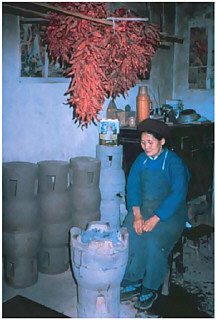
BOX 5.4 Arsenic-Contaminated Food The contribution of arsenic in food to total human arsenic intake has not been extensively studied, but there is evidence that water is not the sole source of this toxic element. Fish and shellfish are a recognized source of total arsenic, and while these sources may be particularly high in organoarsenicals, this represents the least toxic form of arsenic. The contribution of food crops to total arsenic intake, particularly the more toxic inorganic forms, is poorly understood. Dietary selenium status has been shown to influence arsenic excretion in animal models. Gregus et al. (1998) noted that selenium facilitates the excretion of inorganic arsenic metabolites in rats. Selenium supplementation (organic forms of selenium) has been shown to be helpful against poisoning from arsenic and other toxic elements in mice (Andersen and Nielsen, 1994). Similar results have been noted among humans. Recently, Hsueh et al. (2003) found that, in a Taiwanese population exposed to inorganic arsenic via drinking water, urinary arsenic levels significantly increased as urinary selenium levels increased. These observations were recently confirmed in another independent study conducted in Chile from a population exposed to moderate levels of arsenic in their drinking water (~40 µg L−1) (Christian et al., 2006). The results from these studies suggest that, in populations exposed to arsenic, dietary selenium intake may be correlated with urinary arsenic excretion and may alter arsenic methylation. Arsenic from Coal in China Domestic coal combustion has had profound adverse effects on the health of millions of people worldwide. In China alone, several hundred million people commonly burn raw coal in unvented stoves, a process that permeates their homes with high levels of toxic metals and organic compounds. At least 3,000 people in Guizhou Province in southwest China, where coal samples contain up to 35,000 ppm arsenic, suffer from severe arsenic poisoning. Although fresh chili peppers contain less than 1 ppm arsenic, Zheng et al. (1996) showed that chili peppers dried over open coal-burning stoves have on average more than 500 ppm arsenic and therefore may be the principal vector for the arsenic poisoning (Figure 5.1). Significant amounts of arsenic may also come from other tainted foods, from dust ingestion (samples of kitchen dust contained as much as 3,000 ppm arsenic), and from inhalation of indoor arsenic-polluted air. In this area, the arsenic content of drinking water samples was below the Environmental Protection Agency’s drinking water standard of 10 ppb and does not appear to be an important factor. Data describing the concentrations and distributions of potentially toxic elements in coal may assist people dependent on local coal sources to |
-
To determine the distribution, survival, and transfer of plant and human pathogens through soil with respect to the geological framework. The historical approach for evaluating pathogens in soil has been to describe the soil composition and structure in broad agricultural categories such as “sandy clay loam,” while the geological approach to a soil has been either to simplify the microbial biomass and community into the number of colony-forming units, or simply to characterize it all as soil organic matter. Earth scientists who have examined microbial communities are almost always interested in geochemically significant guilds that perform geological functions, rather than the pathogens that are present. Collaboration would involve earth scientists who would be responsible for characterizing the biogeochemical habitat, such as the mineralogy, exchangeable cations, mobile metal species, and/or reactive geochemical surfaces, including sources of nutrients or the presence of antagonistic and/or synergistic metal species. Microbiologists would characterize the microbial community that surrounds the pathogen and examine its viability in different biogeochemical habitats. Public health specialists would examine the incidence of human and plant disease from soil pathogens as a function of the biogeochemical framework, and the role of soils in long-term survival of pathogens and as reservoirs of pathogens. This should also be examined in a bio-security context with respect to food pathogens and food safety. Finally, there is a need to evaluate the potential for plant uptake of human pathogens introduced into soils.
-
To improve understanding of the relationship between disease and metal speciation and between disease and metal-metal interaction. In this research, earth scientists would characterize metal abundance and metal speciation in soils and the mobility and availability of these metals to the biosphere; microbiologists would characterize the microbial populations and mechanisms that are responsible for metal species transitions in soil environments; and public health specialists would use spatial information on the distribution of metal speciation to examine the incidence of specific disease


