




Below is the uncorrected machine-read text of this chapter, intended to provide our own search engines and external engines with highly rich, chapter-representative searchable text of each book. Because it is UNCORRECTED material, please consider the following text as a useful but insufficient proxy for the authoritative book pages.
2 Understanding the Risk of Influenza to Healthcare Workers Although it has been 70 years since the influenza A virus was dis- covered and despite the recognition that it can cause yearly epidemics worldwide resulting in severe illness and death, little is known about the mechanisms by which influenza A is transmitted or its viability and in- fectivity outside the host. Debate continues about whether influenza transmission is primarily via the airborne or droplet routes and the extent of the contribution of the contact route (including contact with blood, fecal matter, or contaminated surfaces). Further, the aerosol-droplet con- tinuum needs to be clarified as soon as possible in order to develop and implement effective prevention strategies. Most of the research on influenza transmission was carried out prior to the 1970s, and there has only recently been a renewed focus on trans- mission, primarily as a result of new pandemic threats. The ongoing out- break of H5N1 (avian) influenza among poultry and other birds with occasional transmission to human beings is of major concern because of intriguing parallels between the H5N1 strain and the highly virulent 1918 influenza strain. Should H5N1 or another novel influenza strain acquire the capability of easy human-to-human transmissibility, conservative estimates project several hundred million emergency and outpatient vis- its, more than 25 million hospital admissions, and several million deaths worldwide (WHO, 2005). The virulence of the strain will determine its impact on the healthcare system (Table 2-1). Healthcare workers are concerned about the risk of a new pandemic, especially in light of the recent outbreaks of severe acute respiratory syndrome (SARS) and the fact that many of the patients who developed SARS were healthcare workers (CDC, 2003a; Lee et al., 2003; Varia et al., 2003; Chen et al., 2006). 47
48 PREPARING FOR AN INFLUENZA PANDEMIC TABLE 2-1 Estimated Aggregate Number of Episodes of Illness, Healthcare Utilization, and Death in the United States Associated with Moderate and Severe Pandemic Influenza Scenariosa Moderate Severe Characteristic (such as 1958 and 1968) (such as 1918) Illness 90 million (30%) 90 million (30%) Outpatient medical care 45 million (50%) 45 million (50%) Hospitalization 865,000 9,900,000 Intensive care unit care 128,750 1,485,000 Mechanical ventilation 64,875 745,500 Deaths 209,000 1,903,000 a Estimates based on extrapolation from past pandemics in the United States. Note that these estimates do not include the potential impact of interventions not available during the twentieth century. SOURCE: DHHS, 2006. This chapter provides a brief overview of the influenza virus and past pandemics and then focuses on understanding the risks to healthcare workers. OVERVIEW OF INFLUENZA AND PANDEMICS Influenza is a serious respiratory illness caused by infection with in- fluenza type A or type B virus. Since the beginning of the twentieth cen- tury, only the influenza A virus has been associated with infection in humans. Cases of influenza peak during the winter months in each hemi- sphere. In addition to seasonal occurrences of influenza, outbreaks may result in a global pandemic. For seasonal influenza, the risk of serious illness and death is highest among persons over the age of 65 years, chil- dren under 2 years of age, and persons who have medical conditions that place them at increased risk of developing complications from influenza. Each year in the United States more than 35,000 deaths and 200,000 hospitalizations result from influenza and its complications, with most of the excess mortality in persons 65 years and older, often from pneumonia (Lewis, 2006; CDC, 2007). Vaccines and antiviral medications have been developed to prevent or mitigate the disease, although major chal- lenges remain, particularly in determining the appropriate virus subtype to target. In a review of nine studies, Brankston and colleagues (2007) note that infections in individuals exposed to influenza ranged from 33 to 55 percent in unvaccinated and 0 to 37 percent in vaccinated cohorts.
UNDERSTANDING THE RISK OF INFLUENZA TO HEALTHCARE WORKERS 49 The influenza A virus is categorized by the subtypes of its major sur- face glycoproteins: hemagglutinin and neuraminidase.1 Of the 16 identi- fied hemagglutinin subtypes (all of which are found in aquatic birds), only the H1, H2, and H3 subtypes are known to have resulted in global pandemics and ongoing epidemics in humans (Gillim-Ross and Subbarao, 2006). The influenza virus undergoes frequent changes in an- tigenicity due often to minor antigenic changes that result from the ac- cumulation of point mutations (antigenic drift) or due to more major antigenic shifts with the introduction of novel subtypes into humans (Treanor, 2005; Gillim-Ross and Subbarao, 2006; Figure 2-1). In contrast to seasonal influenza and frequent regional epidemics, pandemics occur more rarely, every 10 to 50 years (Kamps and Reyes- Terán, 2006). Within the past 400 years, at least 31 pandemics have been described, and most recently, during the twentieth century, pandemics occurred in 1918, 1957, and 1968 (Lazzari and Stohr, 2004). Of the three recent pandemics, the 1918 pandemic resulted in the highest mortality, causing an estimated 675,000 deaths in the United States and a total of 50 million or more deaths worldwide (Johnson and Mueller, 2002; Morens and Fauci, 2007). The 1918-1919 pandemic, caused by an H1N1 virus of possible avian lineage, occurred in three waves across the globe (Morens and Fauci, 2007). In the first wave in the spring of 1918, illness rates were elevated, but death rates were near the annual normal rate as the pandemic spread through the United States, Europe, and possibly Asia (Taubenberger and Morens, 2006). The second and third waves, in the fall of 1918 and early 1919, occurred globally and with an increase in severity and fatality (Kilbourne, 2006; Taubenberger and Morens, 2006). Many deaths were the result of secondary bacterial pneumonia (Klugman and Madhi, 2007). Pandemic influenza has had its most consequential impact on younger age groups (Figure 2-2). Approxi- mately half of the influenza-related deaths in the 1918 pandemic occurred in persons age 20-40 years; persons younger than 65 years of age constituted more than 99 percent of all excess influenza-related deaths in 1918-1919 (Taubenberger and Morens, 2006). 1 Hemagglutinin mediates the binding of influenza virus to the cells. Neuraminidase is involved in the release of virus from infected cells.
50 PREPARING FOR AN INFLUENZA PANDEMIC FIGURE 2-1 Origins of pandemic influenza. In 1918, an H1N1 virus closely related to avian viruses adapted to replicate efficiently in humans. In 1957 and 1968, reassortment events led to new viruses that resulted in pandemic influenza. The 1957 influenza virus (an H2N2 virus) acquired three genetic segments from an avian species, and the 1968 influenza virus (an H3N2 virus) acquired two genetic seg- ments from an avian species. Future pandemic strains could arise through either mechanism. SOURCE: Belshe, 2005. Reprinted with permission from Massachusetts Medical Society. Copyright 2005. All Rights Reserved. The two pandemics that have occurred since 1918 appear to have re- sulted from natural reassortment events (Belshe, 2005; Figure 2-1). The 1957-1958 pandemic, resulting from an H2N2 virus, was clinically milder than the 1918-1919 pandemic, but was responsible for an estimated excess mortality of 1 million to 2 million deaths worldwide (Kamps and Reyes-Terán, 2006). Patients with chronic heart or lung disease and women in the third trimester of pregnancy were particularly at risk of developing pulmonary complications (Kilbourne, 2006).
UNDERSTANDING THE RISK OF INFLUENZA TO HEALTHCARE WORKERS 51 Age (years) FIGURE 2-2 Combined influenza and pneumonia mortality, by age at death, per 100,000 persons, 1911-1917 and 1918. Influenza- and pneumonia-specific death rates are plotted for the interpandemic years 1911-1917 (dashed line) and for the pandemic year 1918 (solid line). SOURCE: Taubenberger and Morens, 2006. The global death toll of the 1968 H3N2 pandemic has been estimated at approximately 1 million individuals, with persons less than 65 years of age accounting for 48 percent of all influenza-related excess deaths (Simonsen et al., 1998). The increased mortality of young adults in past pandemics may be particularly relevant to considerations of protecting healthcare workers, as young adults comprise a large proportion of the healthcare workforce and may be at higher risk depending on the pandemic influenza subtype. The Next Pandemic Threat The next pandemic may come from a human or an avian influenza strain. To date, human disease caused by transmission of avian influenza viruses has occurred with the H5, H7, and H9 subtypes (Katz, 2003; WHO, 2006), and there is serological evidence of exposure of poultry and bird market workers in Asia to other avian influenza virus subtypes (Gillim-Ross and Subbarao, 2006). Species barriers preventing animal- to-human spread of influenza include differences in cell surface recep-
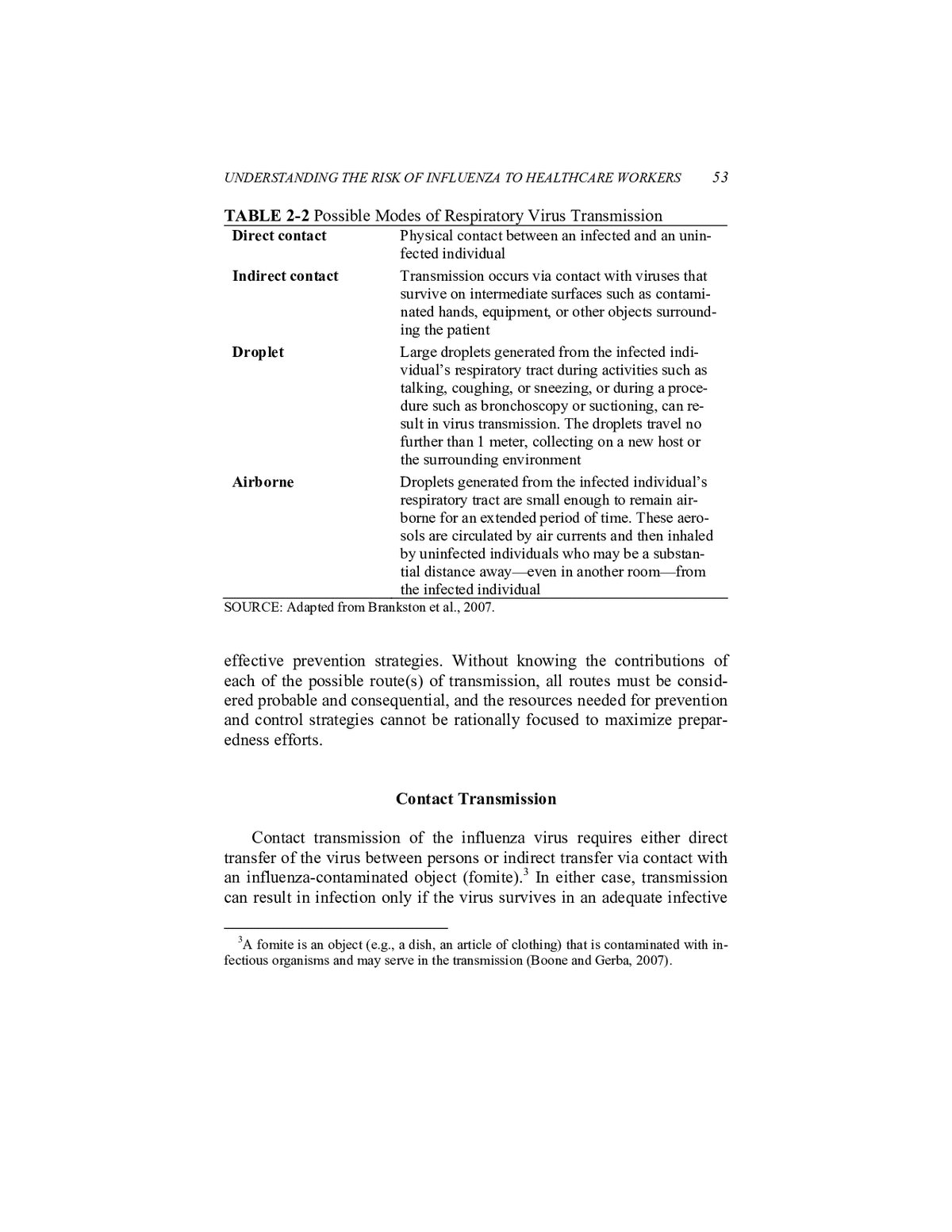
52 PREPARING FOR AN INFLUENZA PANDEMIC tors, intracellular environment, body temperature, and innate and adap- tive antiviral immune responses (Parrish and Kawaoka, 2005). At present, the avian influenza strain of greatest concern is H5N1 because although it remains primarily an avian disease, it has crossed the species barrier to humans. Through May 15, 2007, the World Health Or- ganization had received reports of 291 confirmed human cases of H5N1 avian influenza and 172 deaths associated with the virus; 26.5 percent of the cases were in patients less than 10 years of age (WHO, 2007). To date most cases of human infection with an avian virus have well- documented exposure to sick or dying poultry. Recently, a few cases of human-to-human transmission of H5N1 have been reported, primarily in blood relatives who were primary caregivers and provided care without personal protective equipment (PPE; Ungchusak et al., 2005). Seropreva- lence studies of healthcare workers and family members having close contact with an infected individual have found H5-specific antibodies indicating evidence of human-to-human transmission of the virus;2 se- vere disease has not occurred in those individuals following presumed human transmission (Buxton Bridges et al., 2000; Katz et al., 1999). In a study of a 2003 outbreak of H7N7 influenza in the Netherlands, 58.9 percent of household members of infected poultry workers (confirmed index cases) had detectable H7 antibodies (33 individuals of 56 provid- ing blood samples; Du Ry van Beest Holle et al., 2005). UNDERSTANDING TRANSMISSION OF INFLUENZA Infectious respiratory diseases are transmitted from human to human primarily by three routes: (1) direct contact with an infected patientâs blood or secretions or a contaminated surface; (2) transmission via large droplets; or (3) transmission via small droplets (aerosolization) (Table 2-2). With most respiratory pathogens, including influenza, the relative contribution of each of these types of transmission has not been ade- quately studied. This paucity of definitive data on influenza transmission is a critical gap in the knowledge base needed to develop and implement 2 Comparisons were made between exposed and unexposed healthcare workers. Each individualâs history of poultry exposures was considered in both studies.
UNDERSTANDING THE RISK OF INFLUENZA TO HEALTHCARE WORKERS 53 TABLE 2-2 Possible Modes of Respiratory Virus Transmission Direct contact Physical contact between an infected and an unin- fected individual Indirect contact Transmission occurs via contact with viruses that survive on intermediate surfaces such as contami- nated hands, equipment, or other objects surround- ing the patient Droplet Large droplets generated from the infected indi- vidualâs respiratory tract during activities such as talking, coughing, or sneezing, or during a proce- dure such as bronchoscopy or suctioning, can re- sult in virus transmission. The droplets travel no further than 1 meter, collecting on a new host or the surrounding environment Airborne Droplets generated from the infected individualâs respiratory tract are small enough to remain air- borne for an extended period of time. These aero- sols are circulated by air currents and then inhaled by uninfected individuals who may be a substan- tial distance awayâeven in another roomâfrom the infected individual SOURCE: Adapted from Brankston et al., 2007. effective prevention strategies. Without knowing the contributions of each of the possible route(s) of transmission, all routes must be consid- ered probable and consequential, and the resources needed for prevention and control strategies cannot be rationally focused to maximize prepar- edness efforts. Contact Transmission Contact transmission of the influenza virus requires either direct transfer of the virus between persons or indirect transfer via contact with an influenza-contaminated object (fomite).3 In either case, transmission can result in infection only if the virus survives in an adequate infective 3 A fomite is an object (e.g., a dish, an article of clothing) that is contaminated with in- fectious organisms and may serve in the transmission (Boone and Gerba, 2007).
54 PREPARING FOR AN INFLUENZA PANDEMIC dose. Data on both survivability and infectivity of the influenza virus are limited and more research is needed in both of these areas. Virus survivability on surfaces depends on the complex interaction of a number of factors including humidity, pH, ambient temperature, ul- traviolet light exposure, and the presence of other microorganisms (Boone and Gerba, 2007). In addition, the properties of the fomiteâ including its porous or nonporous nature, the presence of moisture, and cleanlinessâcontribute to the ability of a virus to survive. Finally, the type and strain of the virus and any suspending medium (inoculum) also contribute to its ability to survive on environmental surfaces (Boone and ⦠Gerba, 2007). When tested at room temperature (27.8 to 28.3 C) and 35 to 40 percent humidity, influenza A virus has been found to survive on hard, nonporous surfaces (stainless steel and plastic) for 24 to 28 hours, with reduced survivability (less than 8 to 12 hours) on more porous surfaces (cloth, paper, and tissues) (Bean et al., 1982). Inactivation rates of avian influenza, other influenza A strains, and other respiratory viruses (e.g., respiratory syncytial virus) vary significantly when tested on steel surfaces, leading to different log reductions hourly (Boone and Gerba, 2007). Although transmission from fomites to humans has been proven, contact transmission is generally considered of lesser importance (Hota, 2004). Droplet and Airborne Transmission Much of the discussion regarding influenza transmission has focused on the continuum between large-droplet and airborne transmission. Large-droplet transmission involves larger particles than those that can remain airborne. Because large droplets travel shorter distances before settling on a surface, prevention and protection strategies should focus on areas proximate to the infected patient. Airborne transmission is well described in healthcare settings with certain forms of tuberculosis and measles (Remington et al., 1985). It involves infectious agents carried for longer distances by air currents, with concerns for ventilation, and neces- sitates the protection of individuals at a greater distance from the infected person (Cole and Cook, 1998; CDC, 2003b).
UNDERSTANDING THE RISK OF INFLUENZA TO HEALTHCARE WORKERS 55 The aerosols generated by coughing, sneezing, talking, and other vo- calizations vary widely in the number and size of particles expelled. Fur- ther, each particle from an infected patient may contain zero, one, or multiple viruses,4 and there is much to be learned about the nature and extent of infectivity. On average, a cough with a velocity of 10 meters per second contains hundreds to thousands of particles, while a sneeze can result in thousands to more than a million particles (Tang et al., 2006; Xie et al., 2007). As a result of evaporation or other changes in relative humidity, some of the expelled particles rapidly become even smaller; the droplet nuclei that remain after evaporation can easily be carried on air currents and remain suspended in the air for substantial lengths of time. The length of time that these particles remain airborne is determined by their size, their settling velocity, and air flow dynamics. When humans cough or sneeze, the exhaled aerosols commonly contain fluid from the respiratory tract that can also include infectious agents (Buckland and Tyrrell, 1964). Individuals exhibit a fair amount of vari- ability in the volume and particle size of exhaled bioaerosol particles (Edwards et al., 2004). Persons generating (or who potentially generate) a large quantity of contaminated bioaerosols and who can transmit more virus than others have been labeled superspreaders, although the rele- vance to influenza transmission is not known. Given the limited knowledge of the role of aerosols in the transmis- sion of influenza, further research is needed to more fully define and characterize the nature, continuum, and infectivity of influenza- containing droplets and particle dispersion. Definitions of the size of the particles of concern vary widely (Nicas et al., 2005; Morawska, 2006). Differentiation of the route of transmission is based traditionally on a particle size of 5 µm; large-droplet transmission is considered the mechanism for particles greater than 5 µm and airborne transmission for small particles of less than 5 µm (Table 2-2; Garner and HICPAC, 1996; Brankston et al., 2007). Early classic studies of the evaporation of falling droplets considered 100 µm diameter as the approximate size to identify droplets that settle out and fall to the ground within 2 meters and would be responsible for droplet infection (Wells, 1934). Recent analyses have found that large droplets between 60 and 125 µm (depending on the rela- tive humidity) can be carried approximately 6 meters by sneezing (veloc- 4 The size of the influenza virus is approximately 0.08 to 0.120 µm (Treanor, 2005), al- though the droplets containing the virus can vary widely in size.
56 PREPARING FOR AN INFLUENZA PANDEMIC ity of 50 meters/second), more than 2 meters by coughing (velocity of 10 meters/second), and less than 1 meter by breathing (velocity of 1 me- ter/second) (Xie et al., 2007). Much remains to be learned about the con- tinuum of infectious droplets and aerosols. In addition to affecting the mode of transmission, particle sizes also affect where the particle can be deposited in the respiratory tract after inhalation (Figure 2-3). The smaller the particle, the deeper in the lung it is likely to be deposited. Large particles can be deposited in the nose and upper respiratory tract; 50 percent of particles with a diameter of 4 µm will penetrate the terminal bronchioles and deposit in the alveolar region. The rate of inspiration and expiration and the tidal volume can also affect the deposition of particles in the human host (Knight, 1980). Aerosols may also act as condensation nucleii, and increase in diameter as they are inhaled (lung relative humidity approximates 100 percent). Further research is needed to understand the role of bioaerosols in the spread of infection, including the size and dispersion of the relevant continuum of droplets generated during breathing, speech, coughing, and sneezing; the infectivity and survival of microorganisms within droplets; Upper respiratory tract Nasopharyngeal Lower respiratory tract Tracheobronchial Fomites Pulmonary Sewage and water sources FIGURE 2-3 Deposition of particles in the respiratory tract. Pathway from the source (A), in the air (B), to the recipient (C). The portion of the respiratory tract of a susceptible host in which inhaled particles are de- posited is a function of the particlesâ aerodynamic size. SOURCE: Roy and Milton, 2004. Reprinted with permission from Massachu- setts Medical Society. Copyright 2004 All Rights Reserved.
UNDERSTANDING THE RISK OF INFLUENZA TO HEALTHCARE WORKERS 57 and the detailed mechanisms of disease transmission under various con- ditions. These studies need to include nontraditional healthcare settings such as ambulances and long-term care and rehabilitation facilities (in- cluding the home environment) that would be involved in the care of pa- tients during pandemic influenza. In addition, the role of medical equipment and procedures in altering aerosol behavior is critical to guide rational PPE recommendations. Less urgent, but equally important, is an understanding of the role of ultraviolet light and the ways in which proc- esses such as hydrogen peroxide aerosolization alter aerosol behaviors (McLean, 1961; Boyce et al., 1997; French et al., 2004; Bates and Pearse, 2005). Studies of Influenza A Transmission in Animals Influenza A transmission has been studied in various animal species including mice, guinea pigs, monkeys, and ferrets with variable results. These studies show that animals develop influenza infection and most demonstrate the role of aerosols in transmission. Some of the earliest studies examined influenza A transmission in ferrets. After confirming contact transmission of influenza between animals, researchers then con- ducted experiments in which the cages were separated by varying dis- tances and at different heights in the room (Andrewes and Glover, 1941). Because uninfected ferrets separated by more than 5 feet from the in- fected animals became infected (as did ferrets in cages at a higher level in the room), the authors suggested that airborne transmission was possi- ble. It was noted that as ventilation improved, infection rates decreased: 10 of 18 (55 percent) ferrets separated by more than 5 feet developed influenza; 3 of 3 (100 percent) ferrets less than 3 feet apart developed influenza with an incubation period that ranged from 5 to 11 days. The authors subsequently separated infected and noninfected animals with barriers and fans, and no animal-to-animal transmission occurred. However when influenza virus was introduced into air ducts (including a U-shaped duct), infection occurred in previously well animals, indicat- ing the possibility that airborne transmission was the primary route (Andrewes and Glover, 1941). A series of experiments with mice in the 1960s also provided some evidence pointing toward airborne transmission. Schulman and Kilbourne (1962), using a chamber and aerosolized influenza A virus, found that the proportion of uninfected animals that subsequently developed disease
58 PREPARING FOR AN INFLUENZA PANDEMIC was directly correlated with the stage of illness of the infecting animals. It was determined that 24 to 48 hours after the initiation of infection (in the infector animals) was the optimum time frame for trans- mission between uninfected and infected animals (Schulman and Kilbourne, 1963). Virus titers demonstrated increasing quantities from the nares, to the trachea, to the lungs. In further work, researchers exam- ined the effect of ventilation, air flow, and humidity on influenza transmission and found that the chance of acquiring infection was in- versely correlated to both air flow rate (Schulman, 1967) and humidity (Schulman, 1968). More recently, the guinea pig has been used to study influenza transmission (Lowen et al., 2006). Using human isolates of an H3N2 vi- rus, investigators were able to show that the animals were susceptible to infection and shed virus in nasal secretions and the respiratory tract. These investigators showed that transmission occurred via the droplet route, but they did not examine the role of aerosolized virus in transmis- sion. Although great strides have been made, the optimal animal model that develops infection and transmits disease reliably is not agreed upon in the scientific community. Further research studies using animal models are needed. Transmis- sion models should be standardized to clarify difficulties in the interpre- tation of data thus far. By using particle impactors and other new and evolving technologies in sampling and measurement, these studies could provide much needed insights into transmission and could better inform prevention strategies. Studies are urgently needed to measure the dis- tance from the index case at which live virus can be isolated as well as determining at what distance animals can acquire influenza. These ex- periments need to use environmental conditions that mimic healthcare settings and their ventilation systems. Equally urgent is the need to de- velop a reliable animal model that is thought to mimic human influenza using animals that are available and can be obtained quickly when rapid testing is necessary in an epidemic setting. Studies of Influenza Transmission in Humans Transmission among humans has been less well studied. Early vol- unteer studies found that infection via inhalation of respirable particles requires considerably less virus than infection via droplets instilled onto the nasal membranes. Volunteers were infected by influenza virus (0.6 to
UNDERSTANDING THE RISK OF INFLUENZA TO HEALTHCARE WORKERS 59 3 TCID50 units)5 through inhaled aerosols that penetrated the alveoli (Alford et al., 1966), as well as by nasal instillation, but the required in- fectious dose for nasal and upper respiratory tract infection was found to be 40 to 500 times higher (127 and 320 TCID50) than for inhalation that resulted in lower respiratory tract infection (Couch et al., 1971, 1974; Douglas, 1975). Data from one study suggest that symptoms are more severe when infection is naturally acquired than artificially inoculated (Little et al., 1979). There are very limited data about transmissibility via the conjunctiva and other mucous membranes. Much remains to be learned about the most sensitive site of initiation of influenza infection. Viral shedding in humans occurs within 12 hours of exposure to the virus and increases to a maximum over the next 24 hours (Hayden et al., 1999). Shedding begins before the onset of symptoms and persists for approximately 5 days in adults (ACIP, 2006). Children, especially the very young, shed longer and shed larger quantities of the virus. Research is needed to determine if, when, and how long viral shedding occurs; the relationship to clinical signs and symptoms; and when, or if, this leads to influenza transmission. Airborne transmission is the primary route of transmission between humans for only a few disease agents, most notably pulmonary tubercu- losis (CDC, 2003b). Landmark research by Riley and colleagues (1959) demonstrated airborne transmission of tuberculosis from infectious pa- tients to susceptible animals by continual exposure of a guinea pig col- ony to the air from a ward that housed patients with active tuberculosis. Observational studies of naturally occurring influenza have provided some insights into the challenges of determining more specific informa- tion on transmission modes. One of the most well-known incidents of an influenza A outbreak happened among passengers on a grounded air- plane (Moser et al., 1979; Gregg, 1980). During the 4.5-hour delay, the aircraft carrying 53 people had its main ventilation system turned off for 2 to 3 hours; the doors at the front and back of the cabin were kept open. Passengers were free to move about the cabin and leave the aircraft; 30 individuals remained on the plane throughout the 4.5-hour delay, and the others episodically left and boarded the plane. One of the passengers who remained on the plane was a woman who had become acutely ill within 15 minutes after the initial boarding. Within 4 days of this incident, 37 of 5 TCID50 = tissue culture infective dose, the amount of an infectious agent that when inoculated onto multiple susceptible tissue cultures will infect 50 percent of the cultures.
60 PREPARING FOR AN INFLUENZA PANDEMIC the 52 other persons on the plane became ill with an influenza-like ill- ness. Description of the incident has been found to be consistent with airborne transmission, but many details on the interactions among pas- sengers are not available. Another outbreak related to travel found that 53 percent of people became ill with influenza after traveling on a plane with functioning ventilation systems that exchanged the air every 4 min- utes (Klontz et al., 1989). These data are consistent with what is known about influenza in healthcare settings. McLean (1961) reported on the impact of ultraviolet lights in two buildings that housed patients with tuberculosis during two outbreaks of influenza. The attack rate in the building with ultravio- let light was 2 percent versus 19 percent in the building without ultravio- let light. Although UV light may help in the prevention of airborne transmission, the differences between illness rates could have resulted from other variations between the two buildings and the interactions of staff and patients. Additional observational studies of human influenza have provided further descriptions of influenza outbreaks, but the findings do not clarify potential mechanisms of transmission (discussed in Brankston et al., 2007). For example, Drinka and colleagues (2004) examined ventilation and air circulation in several buildings of a long-term care facility during several seasons of influenza. Persons working in buildings with ventila- tion systems that provided outside air had much lower infection rates than those working in buildings with partially recirculated air. Blumenfeld and colleagues (1959) examined the course of the influenza outbreak in a medical ward in New York City during the 1957 pandemic. Of the 30 individuals who developed influenza, 13 were healthcare workers. Approximately 35 percent of vaccinated healthcare workers developed influenza compared to 55 to 65 percent of unvaccinated healthcare workers. Antibody responses varied widely and did not corre- late with illness severity or vaccination status. Reviews of other reported influenza outbreaks suggest droplet and contact transmission based on temporal and spatial patterns (Morens and Rash, 1995; Drinka et al., 1996; Cunney et al., 2000). Our understanding of the transmission of influenza is woefully in- adequate. Research opportunities exist and should quickly fill the gaps in information on human transmission of influenza in general and in health- care settings. Although transmission likely occurs in multiple ways and across a continuum of routes, more specific information on transmission mechanisms and their relative importance can better inform the devel-
UNDERSTANDING THE RISK OF INFLUENZA TO HEALTHCARE WORKERS 61 opment of PPE and other preventive measures. They can also facilitate a hierarchical approach to prevention strategies that will be needed in the setting of pandemic influenza. In the event of an influenza pan- demic involving millions of patients and their families and caregivers, steps to increase the effectiveness of prevention measures will likely have significant impact. UNDERSTANDING THE INFLUENZA TRANSMISSION RISKS RELEVANT TO HEALTHCARE WORKERS Although much remains to be learned about the routes of influenza transmission, influenza is known to pose hazards in healthcare facilities and to healthcare workers because of its short incubation period, patient infectivity prior to clinical symptoms, and efficient spread from person to person. Influenza among healthcare workers is common. Elder and col- leagues (1996) followed a cohort of healthcare workers in four Glasgow hospitals over the 1993-1994 influenza season and found that of the 23 percent (120 workers) who had serologic evidence of influenza, 59 per- cent could not recall symptoms of influenza and 28 percent could not recall any respiratory infection. Influenza infection resulting from transmission in hospitals and other healthcare facilities (i.e., healthcare-associated infection, previously termed nosocomial infection) has been observed to affect high percent- ages of healthcare workers caring for influenza patients, although influ- enza attack rates as low as 2 percent have been noted in facilities that encourage workers to be vaccinated and monitor for influenza symptoms (Salgado et al., 2002). Still, in times of influenza activity, the impact on a healthcare system is noticeable. From December 2003 through February 2004, the Centers for Disease Control and Prevention (CDC) surveyed hospital epidemiologists from 221 U.S. medical institutions and found that 35 percent of hospitals reported staffing shortages during the peak of the epidemic, 28 percent reported bed shortages, 43 percent reported bed shortages in the intensive care unit, and 9 percent diverted patients else- where for a mean of 6 days (Poland et al., 2005). Because of these chal- lenges, efforts are being focused on increasing influenza vaccination as a primary route of protecting healthcare workers (Talbot et al., 2005). One of the greatest risks to healthcare workers is contact with pa- tients who have not yet been identified as being infectious. During the SARS outbreak in Toronto, it was found that healthcare workers exposed
62 PREPARING FOR AN INFLUENZA PANDEMIC to patients not known to have SARS were at a risk of developing infec- tions at a rate of 2.2 infections per patient-day of exposure versus 0.0034 infection per patient-day of exposure if the patient was previously recog- nized as having SARS (McGeer, 2007). Much remains to be learned about which medical procedures will re- sult in high-risk exposures for healthcare workers during an influenza pandemic (see Chapter 4). Data in hospital-based outbreaks support vari- able risks among patients but are limited regarding healthcare workers. Fowler and colleagues (2004) observed a greater risk of developing SARS for physicians and nurses performing endotracheal intubation. Similarly, in a retrospective study of 43 nurses who worked in Toronto with SARS patients, Loeb and colleagues (2004) found that assisting during intubation, suctioning before intubation, and manipulating the oxygen mask were high-risk activities for acquiring SARS; wearing a medical mask or N95 respirator was protective. Because seasonal influ- enza is not perceived as a risk to healthcare workers or their families, data about procedural risks are lacking. These gaps are important and need to be rapidly addressed in a research agenda that includes studies that define high-risk procedures and activities and the importance of transmission in these settings. Several patient populations are of particular concern during an influ- enza pandemic, and their care may pose increased risk of infection to healthcare workers. As discussed earlier in this chapter, the burden of influenza is substantial in children during seasonal outbreaks and in more wide-scale epidemics or pandemics (Hall, 2007). Children are central to the dissemination of influenza throughout the community through schools, preschools, childcare, and families (Glezen and Couch, 1978; Longini et al., 1982; Heikkinen, 2006). During annual epidemics, influ- enza infection rates have been found to be higher among school-aged children than other age groups and may exceed 30 percent (Glezen and Couch, 1978; Monto and Sullivan, 1993). Of particular note regarding patient care is that viral shedding occurs over a longer period in young children than in adults, lasting as long as several weeks following the development of clinical symptoms (Nicholson, 1998). Individuals aged 65 years and older are also a population of concern because they often suffer severe influenza-related complications and death (ACIP, 2006). Patients and healthcare workers in long-term care facilities may face increased risk of healthcare-associated influenza in- fection due to the close proximity of living conditions and the suscepti- bility resulting from the many underlying medical problems of the
UNDERSTANDING THE RISK OF INFLUENZA TO HEALTHCARE WORKERS 63 resident population (Kimura et al., 2007). Healthcare workers in these facilities who were involved in suctioning, mechanical ventilation, and manipulation of nasogastric tubes have been found to be at higher risk (Morens and Rash, 1995). Immunocompromised patients, including individuals who have re- ceived bone marrow transplants and solid organ transplants, are more susceptible to acquiring influenza infection and can persistently shed in- fluenza, increasing the potential for healthcare-associated transmission of influenza and for resistance to antiviral medications (Hayden, 1997; Weinstock et al., 2000, 2003; Malavaud et al., 2001). During the 1918 and 1957 pandemics, excess mortality from influ- enza among pregnant women was noted; however, this increase has not been documented between pandemics (Neuzil et al., 1998). The potential for serious medical complications of influenza in pregnant women has been reported in case reports and cohort studies (Schoenbaum and Weinstein, 1979; Kort et al., 1986; Kirshon et al., 1988; Shahab and Glezen, 1994; Irving et al., 2000); however, the impact on hospitalization rates and delivery outcomes is not fully known. Increased risk might re- sult from increases in heart rate, stroke volume, and oxygen consump- tion; decreases in lung capacity; or changes in immunologic function during pregnancy (Neuzil et al., 1998). During the SARS outbreaks, several individuals with SARS were identified as infecting a number of other people (Shen et al., 2004). These so-called superspreaders are considered a possible concern for in- fluenza transmission in the healthcare setting; however, the risk of super- spreaders during an influenza outbreak is not known (Bassetti et al., 2005). The reasons for differences in communicability between individu- als are not fully known but may include specific host characteristics (e.g., altered immune status, underlying diseases), coinfection with other respi- ratory viruses, higher level of virus shedding, or environmental factors (McDonald et al., 2004; Bassetti et al., 2005). OPPORTUNITIES FOR ACTION Critical research questions about the many unknowns regarding in- fluenza transmission and prevention need immediate attention. Current knowledge is fragmentary, and numerous gaps need to be filled in order to implement prevention interventions and reduce influenza morbidity and mortality. The payoffs from this research will be beneficial both in
64 PREPARING FOR AN INFLUENZA PANDEMIC the short term, with positive impacts on seasonal influenza, and in the long term, by being better prepared for an influenza pandemic. What Questions Need to Be Answered? Establishing how influenza is transmitted, the contribution of each mode of transmission and in which setting, is critical to preventing its spread and reducing morbidity and mortality due to influenza infection, especially in healthcare settings. Although the use of animal models is valuable, it is critical that natural experiments be examined and that hu- man studies be conducted in simulated real-life situations. It is also im- portant to know how long influenza remains infectious in the environment and in individuals. The scientific community should set standards for the basic elements that must be determined in these studies, including characteristics of animal models, gold standards for determin- ing transmission, and epidemiologic parameters of infection. The committee has identified several key research questions that if addressed expeditiously (in the next 6 to 12 months) could have a sig- nificant impact on improving the nationâs readiness for pandemic influenza; additional longer-term opportunities and research questions abound to further clarify influenza transmission and develop effective prevention strategies. Immediate Research Needs ⢠What are the major modes of transmission? How much does each mode of transmission contribute individually or with other methods of transmission? ⢠What is the size distribution of particles expelled by infectious individuals, and how does that continuum of sizes affect transmission? ⢠Can infection take place through mucous membranes or conjunc- tiva exposure? ⢠Is the virus viable and infectious on fomites and for how long? Are fomites a means of transmission and are some more able to transmit than others (i.e., viruses on respirators or cloth versus metal or wood surfaces)? ⢠What activities in the healthcare setting are associated with minimal or increased transmission?
UNDERSTANDING THE RISK OF INFLUENZA TO HEALTHCARE WORKERS 65 ⢠In light of the information that is gained on influenza transmis- sion, how effective is each type of PPE (gowns, gloves, respirators, etc.) in reducing the risk of influenza transmission (quantitative performance analysis)? How effective are medical masks? What innovations regarding PPE are needed to enhance effectiveness? Long-Term Key Research Needs Routes of transmission and interventions: ⢠What percentage of patients aerosolize influenza virus during an infection? ⢠What is role of UV light, humidity, temperature, pressure differentials, air flow and exchange, and ventilation in preventing transmission? ⢠How distinct is transmission in different venues including health care, schools, and households? ⢠Do some fomites inactivate the virus and, if so, how rapidly? ⢠What should the public health messages be with regard to pre- venting transmission (e.g., open windows, use hand sanitizers)? Viral excretion and infectivity: ⢠What is the time sequence of infectivity? ⢠If a person excretes virus during the presymptomatic period, is the individual infectious; is virus found in the exhaled air during normal breathing or if someone has a normal cough or sneeze (i.e., allergic cause)? ⢠When patients receive antiviral drugs do they continue to excrete virus? ⢠What is the virus concentration in saliva and nasal fluids when a person is asymptomatic, during infection, and during recovery? ⢠What is the impact of masking patients on transmission risk? If effective, how long should a medical mask be worn? What Are the Next Steps? As indicated above, a number of key research questions need to be addressed as expeditiously as possible to prepare for an influenza pan-
66 PREPARING FOR AN INFLUENZA PANDEMIC demic. Some of the questions can be addressed fairly quickly (in the next 6 to 12 months) in sets of focused experiments; other questions may re- quire work during several cycles of seasonal influenza to be able to con- duct the natural experiments that are needed. What will be key is a coordinated and focused effort. Moving forward toward the goal of developing effective strategies to prevent the transmission and spread of influenza will require substantial investment in research and dedicated efforts by investigators throughout the world. Since much of the research in this field was conducted 40 to 60 years ago, opportunities abound for building on prior research and applying new technologies including air particle size analyzers (e.g., im- pactors) and polymerase chain reaction assays, as well as advances in research fields such as aerobiology and mathematical modeling, to the study of seasonal influenza and avian influenza. Knowledge of influenza transmission can be furthered through a range of human studies including epidemiological analyses (e.g., Markel et al., 2007) and examination of natural experiments (e.g., workplace or school closures) involving sea- sonal influenza outbreaks as well as by a variety of research efforts in- cluding challenge studies and volunteer studies designed to meet institutional review board approvals. Although there is the potential for differences between influenza strains in the details of the mechanisms of transmission, an accumulating body of knowledge on its transmission will provide insights that are needed to mitigate the impact of influenza and pave the way for respond- ing quickly to unique differences between strains. A limited number of research efforts funded by CDC and other agencies are under way to ex- amine prevention interventions, including the effectiveness of PPE and hand hygiene, as related to seasonal influenza. However, what is missing and needed is a concerted research effort that prioritizes research encom- passing the continuum from basic science to epidemiologic investiga- tions and is aimed at fully understanding influenza transmission and informing a wide range of prevention and intervention strategies. Given the dearth of information on influenza transmission, it is criti- cal to gather together the best minds in all related areas to identify and prioritize the most relevant research questions regarding the transmission of seasonal and possible pandemic influenza. The study of seasonal in- fluenza is essential for the development of strategies to minimize the transmission of recognized human strains of influenza, while developing the technology and expertise to study pandemic influenza when it occurs. Further, it is vitally important to be ready for research during a pan-
UNDERSTANDING THE RISK OF INFLUENZA TO HEALTHCARE WORKERS 67 demic. Now is the time to develop the research plans and protocols that will be needed when a pandemic occurs. Timely, frontline measurements will be able to inform the evolving pandemic in the hope of reducing morbidity and mortality during its spread. At the outset of the SARS outbreaks in March 2003, the World Health Organization (WHO) asked 11 laboratories in 9 countries to par- ticipate in a collaborative multicenter research network focused on iden- tifying the causal agent and developing a diagnostic test (WHO, 2003). Using a secure website and daily teleconferences, information (including microscopy pictures, sequences of genetic material, testing protocols) was rapidly shared and disseminated. Daily assessment of research re- sults allowed the investigators to immediately refine their strategies and focus their efforts. Within a month of the networkâs inception, its objec- tives had been achieved (Drosten et al., 2003; WHO, 2003). A similar global research effort is necessary for influenza transmis- sion and prevention and could provide much needed answers in a rela- tively short time frame. The creation of an Influenza Study Network would allow for the identification and support of existing centers of excellence in influenza research worldwide and, as a result, could en- courage their growth and development. The network could also be cre- ated so as to encourage the development of new centers of excellence, especially in areas that have unique opportunities to study various as- pects of disease transmission. In this time of preparation for an influenza pandemic, the realization of how little is known about critical aspects of the disease should prompt immediate action to coordinate multiple resources and a diversity of re- search expertise to address the unknowns regarding influenza transmis- sion and prevention. SUMMARY AND RECOMMENDATION Although it has been 70 years since the influenza A virus was dis- covered and despite the annual toll that results from seasonal influenza and regional outbreaks, little is known about the mechanisms by which influenza is transmitted and its viability and infectivity outside the host. Most of the research on influenza transmission was conducted prior to the 1970s, and only recently has there has been a renewed focus on transmission, primarily as a result of new pandemic threats. Critical re- search questions regarding the many unknowns of influenza transmission
68 PREPARING FOR AN INFLUENZA PANDEMIC and prevention need immediate attention. Current knowledge is fragmen- tary, and numerous gaps need to be filled in order to make rational and evidence-based recommendations on prevention efforts including PPE design, choice, and use. Based on the paucity of data on influenza transmission and the im- portance of this knowledge in refining prevention and mitigation strate- gies, particularly for pandemic influenza, the committee makes the following recommendation. Recommendation 1 Initiate and Support a Global Influenza Research Network The Department of Health and Human Services in collabora- tion with U.S. and global partners through the WHO, should lead a multination, multicity, and multicenter focused re- search effort to facilitate understanding of the transmission and prevention of seasonal and pandemic influenza. A global research network of excellence should be developed and im- plemented that would ⢠Identify and prioritize research questions with sug- gested possible study designs. ⢠Provide priority funding to support short-term (1 to 3 years) laboratory and clinical studies of influenza transmission and prevention of seasonal influenza with particular focus on the effectiveness of types of PPE. ⢠Develop rigorous evidence-based research protocols and implementation plans for clinical studies during an influenza pandemic. REFERENCES ACIP (Advisory Committee on Immunization Practices); N. M. Smith, J. S. Bresee, D. K. Shay, T. M. Uyeki, N. J. Cox, and R. A. Strikas. 2006. Preven- tion and control of influenza: Recommendations of the Advisory Committee on Immunization Practices (ACIP). Morbidity and Mortality Weekly Report. Recommendations and Reports 55(RR-10):1-42. Alford, R. H., J. A. Kasel, P. J. Gerone, and V. Knight. 1966. Human influenza resulting from aerosol inhalation. Proceedings of the Society for Experimental Biology and Medicine 122(3):800-804.
UNDERSTANDING THE RISK OF INFLUENZA TO HEALTHCARE WORKERS 69 Andrewes, C. H., and R. E. Glover. 1941. Spread of infection from the respira- tory tract of the ferret. I. Transmission of influenza A virus. British Journal of Experimental Pathology 22:91-97. Bassetti, S., W. E. Bischoff, and R. J. Sherertz. 2005. Are SARS superspreaders cloud adults? Emerging Infectious Diseases 11(4):637-638. Bates, C.J., and R. Pearse. 2005. Use of hydrogen peroxide vapour for environ- mental control during a Serratia outbreak in a neonatal intensive care unit. Journal of Hospital Infection 61:364-366. Bean, B., B. M. Moore, B. Sterner, L. R. Peterson, D. N. Gerding, and H. H. Balfour, Jr. 1982. Survival of influenza viruses on environmental surfaces. Journal of Infectious Diseases 146(1):47-51. Belshe, R. B. 2005. The origins of pandemic influenzaâLessons from the 1918 virus. New England Journal of Medicine 353(21):2209-2211. Blumenfeld, H. L., E. D. Kilbourne, D. B. Louria, and D. E. Rogers. 1959. Stud- ies on influenza in the pandemic of 1957-1958. I. An epidemiologic, clinical and serologic investigation of an intrahospital epidemic, with a note on vacci- nation efficacy. Journal of Clinical Investigation 38(1 Part 2):199-212. Boone, S. A., and C. P. Gerba. 2007. Significance of fomites in the spread of respiratory and enteric viral disease. Applied and Environmental Microbiology 73(6):1687-1696. Boyce, J. M., G. Potter-Bynoe, C. Chenevert, and T. King. 1997. Environmental contamination due to methicillin-resistant Staphylococcus aureus: Possible in- fection control implications. Infection Control and Hospital Epidemiology 18:622-662. Brankston, G., L. Gitterman, Z. Hirji, C. Lemieux, and M. Gardam. 2007. Transmission of influenza A in human beings. Lancet Infectious Diseases 7(4):257-265. Buckland, F. E., and D. A. Tyrrell. 1964. Experiments on the spread of colds. 1. Laboratory studies on the dispersal of nasal secretion. Journal of Hygiene 62:365-377. Buxton Bridges, C., J. M. Katz, W. H. Seto, P. K. Chan, D. Tsang, W. Ho, K. H. Mak, W. Lim, J. S. Tam, M. Clarke, S. G. Williams, A. W. Mounts, J. S. Bresee, L. A. Conn, T. Rowe, J. Hu-Primmer, R. A. Abernathy, X. Lu, N. J. Cox, and K. Fukuda. 2000. Risk of influenza A (H5N1) infection among health care workers exposed to patients with influenza A (H5N1), Hong Kong. Journal of Infectious Diseases 181(1):344-348. CDC (Centers for Disease Control and Prevention). 2003a. Cluster of severe acute respiratory syndrome cases among protected health-care workersâ Toronto, Canada, April 2003. Morbidity and Mortality Weekly Report 52(19):433-436. CDC. 2003b. Guidelines for environmental infection control for health-care facilities. Atlanta: CDC. http://www.cdc.gov/ncidod/dhqp/pdf/guidelines/ Enviro_guide_03.pdf (accessed June 27, 2007).
70 PREPARING FOR AN INFLUENZA PANDEMIC CDC. 2007. Key facts about influenza and the influenza vaccine. http://www.cdc.gov/flu/keyfacts.htm (accessed June 29, 2007). Chen, M. I., Y. S. Leo, B. S. Ang, B. H. Heng, and P. Choo. 2006. The outbreak of SARS at Tan Tock Seng HospitalâRelating epidemiology to control. An- nals of the Academy of Medicine, Singapore 35(5):317-325. Cole, E. C., and C. E. Cook. 1998. Characterization of infectious aerosols in health care facilities: An aid to effective engineering controls and preventive strategies. American Journal of Infection Control 26(4):453-464. Couch, R. B., R. G. Douglas, Jr., D. S. Fedson, and J. A. Kasel. 1971. Correlated studies of a recombinant influenza-virus vaccine. III. Protection against ex- perimental influenza in man. Journal of Infectious Diseases 124(5):473-480. Couch, R. B., J. A. Kasel, J. L. Gerin, J. L. Schulman, and E. D. Kilbourne. 1974. Induction of partial immunity to influenza by a neuraminidase-specific vaccine. Journal of Infectious Diseases 129(4):411-420. Cunney, R. J., A. Bialachowski, D. Thornley, F. M. Smaill, and R. A. Pennie. 2000. An outbreak of influenza A in a neonatal intensive care unit. Infection Control and Hospital Epidemiology 21(7):449-454. DHHS (U.S. Department of Health and Human Services). 2006. Pandemic in- fluenza implementation plan. Washington, DC. http://www.hhs.gov/pandemic flu/implementationplan/pdf/Pandemic.pdf (accessed August 7, 2007). Douglas, R. G. 1975. Influenza in man. In The influenza viruses and influenza, edited by E. Kilbourne. New York: Academic Press. Pp. 395-447. Drinka, P. J., P. Krause, M. Schilling, B. A. Miller, P. Shult, and S. Gravenstein. 1996. Report of an outbreak: Nursing home architecture and influenza-A at- tack rates. Journal of the American Geriatrics Society 44(8):910-913. Drinka, P. J., P. Krause, L. Nest, and D. Tyndall. 2004. Report of an outbreak: Nursing home architecture and influenza-A attack rates: Update. Journal of the American Geriatrics Society 52(5):847-848. Drosten, C., S. Gunther, W. Preiser, S. van der Werf, H. R. Brodt, S. Becker, H. Rabenau, M. Panning, L. Kolesnikova, R. A. Fouchier, A. Berger, A. M. Burguiere, J. Cinatl, M. Eickmann, N. Escriou, K. Grywna, S. Kramme, J. C. Manuguerra, S. Muller, V. Rickerts, M. Sturmer, S. Vieth, H. D. Klenk, A. D. Osterhaus, H. Schmitz, and H. W. Doerr. 2003. Identification of a novel coro- navirus in patients with severe acute respiratory syndrome. New England Journal of Medicine 348(20):1967-1976. Du Ry van Beest Holle, M., A. Meijer, M. Koopmans, and C. M. de Jager. 2005. Human-to-human transmission of avian influenza A/H7N7, The Netherlands, 2003. Euro Surveillance 10(12):264-268. Edwards, D. A., J. C. Man, P. Brand, J. P. Katstra, K. Sommerer, H. A. Stone, E. Nardell, and G. Scheuch. 2004. Inhaling to mitigate exhaled bioaerosols. Pro- ceedings of the National Academy of Sciences (U.S.A.) 101(50):17383-17388.
UNDERSTANDING THE RISK OF INFLUENZA TO HEALTHCARE WORKERS 71 Elder, A. G., B. OâDonnell, E. A. McCruden, I. S. Symington, and W. F. Carman. 1996. Incidence and recall of influenza in a cohort of Glasgow healthcare workers during the 1993-4 epidemic: Results of serum testing and questionnaire. British Medical Journal 313(7067):1241-1242. Fowler, R. A., C. B. Guest, S. E. Lapinsky, W. J. Sibbald, M. Louise, P. Tang, A. E. Simor, and T. E. Stewart. 2004. Transmission of severe acute respiratory syndrome during intubation and mechanical ventilation. American Journal of Respiratory and Critical Care Medicine 169:1198-1202. French, G.L., J. A. Otter, K. P. Shannon, N. M. Adams, D. Watling, and M. J. Parks. 2004. Tackling contamination of the hospital environment by methicil- lin-resistant Staphylococcus aureus (MRSA): A comparison between conven- tional terminal cleaning and hydrogen peroxide vapour decontamination. Journal of Hospital Infection 57:31-37. Garner, J. S., and HICPAC (Hospital Infection Control Practices Advisory Committee). 1996. Guideline for isolation precautions in hospitals. Infection Control and Hospital Epidemiology 17(1):53-80. Gillim-Ross, L., and K. Subbarao. 2006. Emerging respiratory viruses: Chal- lenges and vaccine strategies. Clinical Microbiology Reviews 19(4):614-636. Glezen, W. P., and R. B. Couch. 1978. Interpandemic influenza in the Houston area, 1974-76. New England Journal of Medicine 298(11):587-592. Gregg, M. B. 1980. The epidemiology of influenza in humans. Annals of the New York Academy of Sciences 353:45-53. Hall, C. B. 2007. The spread of influenza and other respiratory viruses: Com- plexities and conjectures. Clinical Infectious Diseases 45(3):353-359. Hayden, F. G. 1997. Prevention and treatment of influenza in immunocompro- mised patients. American Journal of Medicine 102(3A):55-60. Hayden, F. G., J. J. Treanor, R. S. Fritz, M. Lobo, R. F. Betts, M. Miller, N. Kinnersley, R. G. Mills, P. Ward, and S. E. Straus. 1999. Use of the oral neuraminidase inhibitor oseltamivir in experimental human influenza: Ran- domized controlled trials for prevention and treatment. Journal of the Ameri- can Medical Association 282(13):1240-1246. Heikkinen, T. 2006. Influenza in children. Acta Paediatrica 95(7):778-784. Hota, B. 2004. Contamination, disinfection, and cross-colonization: Are hospital surfaces reservoirs for nosocomial infection? Clinical Infectious Diseases 39(8):1182-1189. Irving, W. L., D. K. James, T. Stephenson, P. Laing, C. Jameson, J. S. Oxford, P. Chakraverty, D. W. Brown, A. C. Boon, and M. C. Zambon. 2000. Influ- enza virus infection in the second and third trimesters of pregnancy: A clinical and seroepidemiological study. British Journal of Obstetrics and Gynaecology 107(10):1282-1289. Johnson, N. P., and J. Mueller. 2002. Updating the accounts: Global mortality of the 1918-1920 âSpanishâ influenza pandemic. Bulletin of the History of Medi- cine 76(1):105-115.
72 PREPARING FOR AN INFLUENZA PANDEMIC Kamps, B. S., and G. Reyes-Terán. 2006. Influenza 2006. In Influenza report 2006, edited by B. S. Kamps, C. Hoffmann, and W. Preiser. Paris, France: Flying Publisher. http://www.influenzareport.com/influenzareport2006.pdf (accessed June 28, 2007). Katz, J. M. 2003. The impact of avian influenza viruses on public health. Avian Diseases 47(3 Suppl):914-920. Katz, J. M., W. Lim, C. B. Bridges, T. Rowe, J. Hu-Primmer, X. Lu, R. A. Abernathy, M. Clarke, L. Conn, H. Kwong, M. Lee, G. Au, Y. Y. Ho, K. H. Mak, N. J. Cox, and K. Fukuda. 1999. Antibody response in individuals in- fected with avian influenza A (H5N1) viruses and detection of anti-H5 anti- body among household and social contacts. Journal of Infectious Diseases 180(6):1763-1770. Kilbourne, E. D. 2006. Influenza pandemics of the 20th century. Emerging In- fectious Diseases 12(1):9-14. Kimura, A. C., C. N. Nguyen, J. I. Higa, E. L. Hurwitz, and D. J. Vugia. 2007. The effectiveness of vaccine day and educational interventions on influenza vaccine coverage among health care workers at long-term care facilities. American Journal of Public Health 97(4):684-690. Kirshon, B., S. Faro, R. K. Zurawin, T. C. Samo, and R. J. Carpenter. 1988. Fa- vorable outcome after treatment with amantadine and ribavirin in a pregnancy complicated by influenza pneumonia. A case report. Journal of Reproductive Medicine 33(4):399-401. Klontz, K. C., N. A. Hynes, R. A. Gunn, M. H. Wilder, M. W. Harmon, and A. P. Kendal. 1989. An outbreak of influenza A/Taiwan/1/86 (H1N1) infections at a naval base and its association with airplane travel. American Journal of Epidemiology 129(2):341-348. Klugman, K. P., and S. A. Madhi. 2007. Pneumococcal vaccines and flu prepar- edness. Science 316(5821):49-50. Knight, V. 1980. Viruses as agents of airborne contagion. Annals of the New York Academy of Sciences 353:147-156. Kort, B. A., R. C. Cefalo, and V. V. Baker. 1986. Fatal influenza A pneumonia in pregnancy. American Journal of Perinatology 3(3):179-182. Lazzari, S., and K. Stohr. 2004. Avian influenza and influenza pandemics. Bul- letin of the World Health Organization 82(4):242. Lee, N., D. Hui, A. Wu, P. Chan, P. Cameron, G. M. Joynt, A. Ahuja, M. Y. Yung, C. B. Leung, K. F. To, S. F. Lui, C. C. Szeto, S. Chung, and J. J. Sung. 2003. A major outbreak of severe acute respiratory syndrome in Hong Kong. New England Journal of Medicine 348(20):1986-1994. Lewis, D. B. 2006. Avian flu to human influenza. Annual Review of Medicine 57:139-154. Little, J. W., R. G. Douglas, Jr., W. J. Hall, and F. K. Roth. 1979. Attenuated influenza produced by experimental intranasal inoculation. Journal of Medical Virology 3(3):177-188.
UNDERSTANDING THE RISK OF INFLUENZA TO HEALTHCARE WORKERS 73 Loeb, M., A. McGeer, B. Henry, M. Ofner, D. Rose, T. Hlywka, J. Levie, J. McQueen, S. Smith, L. Moss, A. Smith, K. Green, and S. D. Walter. 2004. SARS among critical care nurses, Toronto. Emerging Infectious Diseases 10(2):251-255. Longini, I. M., Jr., J. S. Koopman, A. S. Monto, and J. P. Fox. 1982. Estimating household and community transmission parameters for influenza. American Journal of Epidemiology 115(5):736-751. Lowen, A. C., S. Mubareka, T. M. Tumpey, A. Garcia-Sastre, and P. Palese. 2006. The guinea pig as a transmission model for human influenza viruses. Proceedings of the National Academy of Sciences (U.S.A.) 103(26):9988- 9992. Malavaud, S., B. Malavaud, K. Sandres, D. Durand, N. Marty, J. Icart, and L. Rostaing. 2001. Nosocomial outbreak of influenza virus A (H3N2) infection in a solid organ transplant department. Transplantation 72(3):535-537. Markel, H., H. B. Lipman, J. A. Navarro, A. Sloan, J. R. Michalsen, A. M. Stern, and M. S. Cetron. 2007. Nonpharmaceutical interventions implemented by U.S. cities during the 1918-1919 influenza pandemic. Journal of the American Medical Association 298(6):644-654. McDonald, L. C., A. E. Simor, I. J. Su, S. Maloney, M. Ofner, K. T. Chen, J. F. Lando, A. McGeer, M. L. Lee, and D. B. Jernigan. 2004. SARS in healthcare facilities, Toronto and Taiwan. Emerging Infectious Diseases 10(5):777-781. McGeer, A. 2007. Healthcare workers and PPE: Lessons from SARS. Presenta- tion at the Institute of Medicine Workshop on Personal Protective Equipment for Healthcare Workers in the Event of Pandemic Influenza: Next Steps and Research Directions. February 22, 2007. Washington, DC. McLean, R. I. 1961. The effect of ultraviolet radiation upon the transmission of epidemic influenza in long-term hospital patients. American Review of Respi- ratory Disease 83:36-38. As cited in: Brankston, G., L. Gitterman, Z. Hirji, C. Lemieux, and M. Gardam. 2007. Transmission of influenza A in human be- ings. Lancet Infectious Diseases 7(4):257-265. Monto, A. S., and K. M. Sullivan. 1993. Acute respiratory illness in the commu- nity. Frequency of illness and the agents involved. Epidemiology and Infection 110(1):145-160. Morawska, L. 2006. Droplet fate in indoor environments, or can we prevent the spread of infection? Indoor Air 16(5):335-347. Morens, D. M., and A. S. Fauci. 2007. The 1918 influenza pandemic: Insights for the 21st century. Journal of Infectious Diseases 195(7):1018-1028. Morens, D. M., and V. M. Rash. 1995. Lessons from a nursing home outbreak of influenza A. Infection Control and Hospital Epidemiology 16(5):275-280. Moser, M. R., T. R. Bender, H. S. Margolis, G. R. Noble, A. P. Kendal, and D. G. Ritter. 1979. An outbreak of influenza aboard a commercial airliner. American Journal of Epidemiology 110(1):1-6.
74 PREPARING FOR AN INFLUENZA PANDEMIC Neuzil, K. M., G. W. Reed, E. F. Mitchel, L. Simonsen, and M. R. Griffin. 1998. Impact of influenza on acute cardiopulmonary hospitalizations in pregnant women. American Journal of Epidemiology 148(11):1094-1102. Nicas, M., W. W. Nazaroff, and A. Hubbard. 2005. Toward understanding the risk of secondary airborne infection: Emission of respirable pathogens. Jour- nal of Occupational and Environmental Hygiene 2(3):143-154. Nicholson, K.G. 1998. Human influenza. In Textbook of influenza, edited by K. G. Nicholson, R. G. Webster, and A. J. Hay. Oxford: Blackwell Science. Pp. 219-264. Parrish, C. R., and Y. Kawaoka. 2005. The origins of new pandemic viruses: The acquisition of new host ranges by canine parvovirus and influenza A vi- ruses. Annual Review of Microbiology 59:553-586. Poland, G. A., P. Tosh, and R. M. Jacobson. 2005. Requiring influenza vaccina- tion for health care workers: Seven truths we must accept. Vaccine 23(17- 18):2251-2255. Remington, P. L., W. N. Hall, I. H. Davis, A. Herald, and R. A. Gunn. 1985. Airborne transmission of measles in a physician's office. Journal of the American Medical Association 253(11):1574-1577. Riley, R. L., C. C. Mills, W. Nyka, N. Weinstock, P. B. Storey, L. U. Sultan, M. C. Riley, and W. F. Wells. 1959. Aerial dissemination of pulmonary tubercu- losis: A two year study of contagion in a tuberculosis ward. American Journal of Hygiene 70:185-196. Roy, C. J., and D. K. Milton. 2004. Airborne transmission of communicable infectionâThe elusive pathway. New England Journal of Medicine 350(17):1710-1712. Salgado, C. D., B. M. Farr, K. K. Hall, and F. G. Hayden. 2002. Influenza in the acute hospital setting. Lancet Infectious Diseases 2(3):145-155. Schoenbaum, S. C., and L. Weinstein. 1979. Respiratory infection in pregnancy. Clinical Obstetrics and Gynecology 22(2):293-300. Schulman, J. L. 1967. Experimental transmission of influenza virus infection in mice. IV. Relationship of transmissibility of different strains of virus and re- covery of airborne virus in the environment of infector mice. Journal of Ex- perimental Medicine 125(3):479-488. Schulman, J. L. 1968. The use of an animal model to study transmission of in- fluenza virus infection. American Journal of Public Health and the Nations Health 58(11):2092-2096. Schulman, J. L., and E. D. Kilbourne. 1962. Airborne transmission of influenza virus infection in mice. Nature 195:1129-1130. Schulman, J. L., and E. D. Kilbourne. 1963. Experimental transmission of influ- enza virus infection in mice. I. The period of transmissibility. Journal of Ex- perimental Medicine 118:257-266. Shahab, S. Z., and W. P. Glezen. 1994. Influenza virus. In Viral diseases in pregnancy, edited by B. Gonik. New York: Springer-Verlag. Pp. 215-223.
UNDERSTANDING THE RISK OF INFLUENZA TO HEALTHCARE WORKERS 75 Shen Z., F. Ning, W. Zhou, X. He, C. Lin, D. P. Chin, Z. Zhu, and A. Schuchat. 2004. Superspreading SARS events, Beijing, 2003. Emerging Infectious Dis- eases 10(2):256-260. Simonsen, L., M. J. Clarke, L. B. Schonberger, N. H. Arden, N. J. Cox, and K. Fukuda. 1998. Pandemic versus epidemic influenza mortality: A pattern of changing age distribution. Journal of Infectious Diseases 178(1):53-60. Talbot, T. R., S. G. Bradley, S. E. Cosgrove, C. Ruef, J. D. Siegel, and D. J. Weber. 2005. Influenza vaccination of healthcare workers and vaccine alloca- tion for healthcare workers during vaccine shortages. Infection Control and Hospital Epidemiology 26:882-890. Tang, J. W., Y. Li, I. Eames, P. K. Chan, and G. L. Ridgway. 2006. Factors in- volved in the aerosol transmission of infection and control of ventilation in healthcare premises. Journal of Hospital Infection 64(2):100-114. Taubenberger, J. K., and D. M. Morens. 2006. 1918 influenza: The mother of all pandemics. Emerging Infectious Diseases 12(1):15-22. Treanor, J. 2005. Influenza virus. In Mandell, Douglas and Bennettâs principles and practice of infectious diseases. 6th ed., edited by G. L. Mandell, J. E. Bennett, and R. Dolin. New York: Elsevier Churchill Livingstone. Pp. 2060- 2085. Ungchusak, K., P. Auewarakul, S. F. Dowell, R. Kitphati, W. Auwanit, P. Puthavathana, M. Uiprasertkul, K. Boonnak, C. Pittayawonganon, N. J. Cox, S. R. Zaki, P. Thawatsupha, M. Chittaganpitch, R. Khontong, J. M. Simmerman, and S. Chunsutthiwat. 2005. Probable person-to-person transmission of avian influenza A (H5N1). New England Journal of Medicine 352(4):333-340. Varia, M., S. Wilson, S. Sarwal, A. McGeer, E. Gournis, E. Galanis, and B. Henry. 2003. Investigation of a nosocomial outbreak of severe acute respi- ratory syndrome (SARS) in Toronto, Canada. Canadian Medical Association Journal 169(4):285-292. Weinstock, D. M., J. Eagan, S. A. Malak, M. Rogers, H. Wallace, T. E. Kiehn, and K. A. Sepkowitz. 2000. Control of influenza A on a bone marrow trans- plant unit. Infection Control and Hospital Epidemiology 21(11):730-732. Weinstock, D. M., L. V. Gubareva, and G. Zuccotti. 2003. Prolonged shedding of multidrug-resistant influenza A virus in an immunocompromised patient. New England Journal of Medicine 348(9):867-868. Wells, W. F. 1934. On air-borne infection. Study II. Droplets and droplet nuclei. American Journal of Hygiene 20:611-618. WHO (World Health Organization), Multicentre Collaborative Network for Se- vere Acute Respiratory Syndrome Diagnosis. 2003. A multicentre collabora- tion to investigate the cause of severe acute respiratory syndrome. Lancet 361(9370):1730-1733. WHO. 2005. WHO checklist for influenza pandemic preparedness planning. http://www.who.int/csr/resources/publications/influenza/WHO_CDS_CSR_G IP_2005_4/en/ (accessed June 29, 2007).
76 PREPARING FOR AN INFLUENZA PANDEMIC WHO. 2006. Avian influenzaâFact sheet. www.who.int/mediacentre/fact sheets/avian_influenza/en (accessed June 29, 2007). WHO. 2007. Avian influenza update number 95 (May 15, 2007). http://www. wpro.who.int/NR/rdonlyres/45D2E3EA-13F0-4090-9B0F-BA7BC47ADF46/ 0/AIWeekly95WPRO.pdf (accessed June, 29, 2007). Xie, X., Y. Li, A. T. Chwang, P. L. Ho, and W. H. Seto. 2007. How far droplets can move in indoor environmentsâRevisiting the Wells evaporation-falling curve. Indoor Air 17(3):211-225.
