
5
Challenges in Restoring Water Quality
“Getting the water right” is a simple phrase that belies the inherent complexity of the overarching goal of the Comprehensive Everglades Restoration Plan (CERP). In Chapter 4, the committee discussed the challenges of water storage and distribution, and the necessity of making tradeoffs in the planning process to optimize the overall restoration benefits. Yet, water quality and water quantity are inextricably linked. Restoration planners cannot design projects to move large quantities of water south into the Everglades Protection Area to meet CERP goals without first ensuring that the water will meet established water quality criteria. Meanwhile, getting the water quality right has proven more difficult than originally imagined, and water quality has become a central technical, legal, and policy challenge that is affecting CERP progress.
In this chapter, the committee describes the legal context to water quality issues in the Everglades and analyzes the success of the water quality initiatives implemented to date. The committee also considers other possible water quality solutions and their cost implications. Water quality issues affecting aquifer storage and recovery (ASR) are not addressed in this chapter but are discussed briefly in Chapter 3.
PRE-DRAINAGE NUTRIENT CONDITIONS
Before construction of the canal and ditch networks began during the late 1900s, direct precipitation was the main source of water to much of the Everglades region. Although there are no water quality data extending back to that time, the general characteristics of the water quality can be reconstructed from measurements in the most interior sections of the marsh and from studies of the chemical composition of the dominant water sources. Recent hydroecological research, using a variety of methods including stable isotope analyses and chemical ratios (e.g., sulfate to chloride ratios), has demonstrated that under pre-drain-
age conditions, surface water and groundwater were relatively small components of the Everglades water inputs (see Table 4-1; Harvey and McCormick, 2009).
The rainfall input is characterized by low ionic strength (median specific conductance of <20 microsiemens per centimeter [µS/cm]) and generally low concentrations of all major ions (i.e., largely <1 parts per million [ppm, or milligrams per liter], except for sulfate and chloride, because of marine aerosol influences). Rain-fed areas of the Everglades (e.g., the interior of the Arthur R. Marshall Loxahatchee National Wildlife Refuge [LNWR]) have conductivities of <100 µS/cm. Rainfall is also notably low in nitrogen and phosphorus; estimates of phosphorus concentrations and loading in rainwater range from 30 parts per billion (ppb) (Davis, 1994) to more recent measurements of 9 to 10 ppb (Ahn and James, 2001; Richardson, 2008).
Water quality data going back to 1978 show that the interior portions of the Water Conservation Areas (WCAs) and Everglades National Park are uniformly at or below 10 ppb total phosphorus (TP). Water samples taken between 1978 and 2003 in Everglades National Park have geometric mean TP concentrations of 4.5-5.6 ppb and geometric mean total nitrogen (TN) concentrations of 0.9-1.4 ppm (Payne and Weaver, 2004). A study conducted in 1953, prior to the intensive agricultural development of the Everglades Agricultural Area (EAA) but after construction of the major canals, showed “dissolved phosphorus” concentrations of 3–7 ppb in the Tamiami Trail canal and the lower portions of the canals bordering what is now WCA-3B, with concentrations about an order of magnitude higher in samples closer to Lake Okeechobee (Odum, 1953). In the absence of explicit data from the pre-drainage period, one can assume that the rain-driven system would have had similar water quality characteristics (i.e., low alkalinity, low total nitrogen and phosphorus concentrations) derived primarily from atmospheric deposition. Any phosphorus inputs from Lake Okeechobee overflows were generally thought to have been assimilated by the former pond apple swamp that existed between the lake and the sawgrass plains (Noe et al., 2001).
LEGAL CONTEXT FOR WATER QUALITY IN THE SOUTH FLORIDA ECOSYSTEM
Water quality criteria and standards (see Box 5-1) in the South Florida ecosystem are governed by a mix of federal and state statutes, implementing regulations, and judicial consent decrees. Current and proposed standards are fiercely contested, and active litigation in federal courts continues to create uncertainty as to which regulations will apply to future restoration plans. Because these criteria and standards have important implications for the CERP as it moves forward, the current legal and regulatory context is described in this section.
Current standards, including designated uses and supporting criteria, are designed to limit the nutrient content of waters (especially phosphorus) flowing
|
BOX 5-1 Definitions of Water Quality Criteria and Standards Regulatory documents commonly use the terms “standards” and “criteria.” The two terms are not synonymous. Water quality standards consist of three elements (EPA, 1998):
Classes of designated uses are defined by states. In Florida, those classes are defined in Florida Administrative Code (FAC) §§ 62-302.400 as: CLASS I—Potable Water Supplies CLASS II—Shellfish Propagation or Harvesting CLASS III—Fish Consumption; Recreation, Propagation and Maintenance of a Healthy, Well-Balanced Population of Fish and Wildlife CLASS III-Limited—Fish Consumption; Recreation or Limited Recreation; and/or Propagation and Maintenance of a Limited Population of Fish and Wildlife* CLASS IV—Agricultural Water Supplies CLASS V—Navigation, Utility, and Industrial Use Water quality criteria are of two forms, numeric and narrative. Numeric criteria are maximum acceptable concentrations of specific chemicals or acceptable ranges of other parameters such as temperature that will protect human health and aquatic life in a particular water body. Narrative criteria are qualitative statements such as those in FAC §§62-302.500 that all waters shall be free of substances that cause specified nuisance conditions and those that are acutely toxic. |
into Lake Okeechobee and the Everglades Protection Area. In general terms, one set of criteria was established for water quality within the Everglades and other standards set limits on the actual discharges of phosphorus into water bodies.
The controlling federal statute is the Clean Water Act (CWA). It requires states to establish water quality standards that will support designated uses of waterways, and it establishes a permit program for discharges of wastewater and stormwater into receiving waters of the United States. Although rather stringent limits can be placed on point sources under authority of the CWA, nonpoint sources are not subject to the federal permit program.
In 1987, the state of Florida exercised its authority to address nonpoint sources by adopting the Surface Water Improvement and Management (SWIM)
program (Florida Statute Chapter 373.453). SWIM directed Florida’s water management districts to develop and implement plans to clean up and preserve the state’s lakes, bays, estuaries, and rivers. SWIM also directed that the water management districts’ operations not “adversely affect indigenous vegetation communities or wildlife.” Thus, Florida set narrative regulatory criteria to ensure that phosphorus concentrations would cause “no imbalance in flora or fauna,” which is now formalized in Florida Administrative Code (FAC) 62-302.5301 (see also Rizzardi, 2001).
Water Quality Standards for the Everglades Protection Area
In 1988, the United States sued the state of Florida and the South Florida Water Management District (SFWMD), alleging that the state had failed to adequately clean up waters flowing into Everglades National Park (ENP) and LNWR (also known as WCA-1).2 After several years of litigation the parties entered into a settlement agreement in 1991 that was implemented by a Consent Decree in 1992. The 1991 settlement agreement contained several provisions, including
-
a general commitment on the part of the SFWMD and the Florida Department of Environmental Protection (FDEP) to protect water quality in LWNR and ENP,
-
adoption of interim and long-term total phosphorus limits,3
-
certain remedial measures,
-
a research and monitoring program, and
-
contingencies for enforcement.
Remedial measures included a commitment by the SFWMD to construct 35,000 acres of stormwater treatment areas (STAs) and an interim and long-term regulatory program to require permits on all discharges from the EAA. Interim regulations for the EAA were to require a 10 percent reduction in phosphorus loads,
|
1 |
Florida’s narrative water quality criterion for nutrients provides that “in no case shall nutrient concentrations of a body of water be altered so as to cause an imbalance in natural populations of aquatic flora or fauna.” (F.A.C. rule 62-302-530(47)(b)). |
|
2 |
United States v. South Florida Water Management District, 847 F. Supp. 1567 (S.D. Fla. 1992). |
|
3 |
Interim limits for phosphorus were to be achieved by July 1997 (later amended to October 2003), including annual flow-weighted concentration goals in Shark River Slough of no more than 14 ppb in a dry year and 9 ppb in a wet year. Long term limits were to be achieved by 2002 (later amended to 2006) including annual flow-weighted concentration goals in Shark River Slough of no more than 13 ppb in a dry year and 8 ppb in a wet year, and the long-term concentration limit for Taylor Slough and the Coastal Basins was set at 11 ppb. Interim and long-term limits for Everglades National Park and LNWR were specified by complex formulas in Appendices A and B of the Settlement Agreement. Interim levels for LNWR were to be between 8 and 22 ppb depending on water levels as measured. |
and the long-term regulations were to require source control efforts resulting in a 25 percent reduction.
The state of Florida took action in 1994 to implement the primary features of the 1992 Consent Decree with enactment of the Everglades Forever Act (Fla. Stat. §373.4592). A crucial feature of the act directed the FDEP to develop numeric criteria for phosphorus within the Everglades Protection Area, defined as WCAs 1 (LWNR), 2A, 2B, 3A, and 3B, and Everglades National Park (FAC §§ 62-302.540). However, the Act provided that if no phosphorus criterion was adopted by the end of 2003, a 10 ppb criterion would automatically take effect in 2004 (see Fla. Stat. § 373.4592(10)). Scientific support for that criterion, added to the administrative code in July 2004, is discussed in Box 5-2. Modifications to the Consent Decree4 in 2001 deferred the compliance date for long-term phosphorus limits to 2006.
The state of Florida amended the Everglades Forever Act in 2003 and formally adopted the revised phosphorus rule (FAC §§ 62-302.540).5 That rule states that for Class III waters in the Everglades Protection Area, the phosphorus criterion is a long-term geometric mean of 10 ppb, but not lower than natural conditions, taking into account temporal and spatial variability. Achievement of the criterion in Everglades National Park is governed by methods in Appendix A of the 1991 Settlement Agreement, and achievement of the criterion in the WCAs is evaluated across a network of sampling stations using a four-part test6 to determine whether a violation of Class III standards has occurred. Current methods for calculating values for Consent Decree compliance in LWNR and Everglades National Park, considering interannual variations in water levels, are described in the December 2009 report of the Technical Oversight Committee (SFWMD, 2009b).
Several important changes were also made in the 2003 Everglades Forever Act amendments. Long-term permit conditions were modified, and new “Technology-based Effluent Limitations (TBELs) established through Best Available Phosphorus Reduction Technology (BAPRT)” were established to govern STA discharges (FAC §§ 62.302.540). Water-quality-based effluent limitations were held in abeyance until 2016. In addition, paragraph (6) allows net improvement as a moderating provision for “impacted” areas, where those areas are defined as being in the Everglades Protection Area with total phosphorus concentrations in the upper 10 centimeters of the soils greater than 500 milligrams per kilogram.
|
BOX 5-2 Scientific Support for the 10 ppb Criterion The determination of the 10 ppb total phosphorus (TP) criterion was based on extensive research (McCormick et al.,1999; Payne et al., 2001, 2002, 2003; reviewed in Noe et al., 2001; Richardson, 2008). The data overwhelmingly demonstrate that even low levels of enrichment in total phosphorus concentrations result in elevated phosphorus in macrophyte tissues, soil, the water column, and periphyton, leading to undesirable changes in periphyton and macrophyte biomass and productivity and faunal communities. Under pre-disturbance conditions, isolation of the surface-water system from bedrock meant that the only significant inputs of phosphorus were from atmospheric sources, estimated to be in the range of 0.03 grams per m2 per year (Noe et al., 2001). In interior (undisturbed) portions of the Everglades, phosphorus concentrations in plant and periphyton biomass and in soil are very low compared to other wetlands and other peatlands, and the nitrogen:phosphorus ratios in these compartments suggest extreme phosphorus limitation, which Noe et al. (2001) ascribe to several factors, including
|
These changes were challenged by the Miccosukee Tribe in the U.S. District Court as violating both the 1992 Consent Decree and the federal CWA. In July 2008, the court agreed that the changes (e.g., deferrals) violated the CWA, enjoined the FDEP from issuing any permits under the revised program, and ordered federal EPA to rigorously review the state program to ensure compliance with the CWA. The effect of this ruling was to effectively reinstate the 10 ppb rule and other features of the 1992 Consent Decree and the 1994 Everglades Forever Act. Subsequently, in April, 2010, the court reaffirmed that deferring compliance until 2016 violated federal law. New orders were issued for EPA to issue instructions to compel the state of Florida to comply with the 10 ppb criterion and for the State to complete new rulemaking to that effect in early 2011.7
Water Quality Standards for Lake Okeechobee and Tributaries
Section 303(d) of the CWA requires that when a water body does not meet applicable water quality standards, the state or U.S. Environmental Protection Agency (EPA) must set numeric limits on point and nonpoint source discharges to assure that the water body will satisfy the standards. Following a 1999 Consent Decree,8 Florida enacted the Lake Okeechobee Protection Act in 2000 (Chapter 00-103, Laws of Florida), requiring limits on phosphorus inflows into the lake. FDEP developed and EPA approved a phosphorus total maximum daily load (TMDL) for Lake Okeechobee of 140 metric tons (mt) annually (105 mt from nonpoint surface runoff and 35 mt from atmospheric deposition; FDEP, 2001; Chapter 62-304, Laws of Florida). In addition, the rules prescribed a 40 ppb TP goal for the pelagic zone in the lake, and a target of 113 ppb was established for the lake’s tributaries, as recommended by FDEP, to provide protection of aquatic life within each tributary while maintaining consistency with the Lake Okeechobee TMDL (EPA, 2008a). The 113 ppb target was selected for the Lake Okeechobee tributaries as a numerical interpretation of Florida’s narrative criterion until a numeric criterion was developed. In March 2009 a group of environmental organizations filed suit challenging the EPA action and arguing that the “interim” TMDL violates the CWA.9 This case is pending.
Statewide Numeric Limits for Nutrients
Recent actions have been taken to establish statewide numeric criteria for nutrients (i.e., phosphorus and nitrogen) in Florida’s waters. In 1998 EPA formulated a national strategy for development of regional nutrient criteria (EPA, 1998). In doing so it cited evidence that nutrients were among the leading causes of impairment in rivers, lakes, and estuaries, and noted that 51 percent of lakes and 57 percent of the nation’s estuaries were impaired by over-enrichment of nutrients (EPA, 1996). At the time the only national criterion for nitrogen was a health-based limit for the protection of domestic water supplies, and the only national phosphorus criterion was based on “a conservative estimate to protect against the toxic effects of the bioconcentration of elemental phosphorus to estuarine and marine organisms.” That strategy was revisited in 2007 (EPA, 2007). A 2008 national status report on numeric nutrient criteria showed that 31 states had no numeric criteria for nutrients in lakes and reservoirs, 36 had none for rivers and streams, and half of the 24 states with estuaries had none (EPA, 2008b).
FDEP began development of statewide numeric nutrient criteria in 2002, soon after reaching agreement with EPA on a plan for the process. A technical advisory committee was appointed and met 22 times between 2002 and 2010 (FDEP, 2009). A lawsuit over the lack of progress prompted EPA to intervene, and in August 2009, EPA entered into a phased Consent Decree to settle the suit.10 EPA committed to propose numeric nutrient criteria for lakes and flowing waters in Florida by January 14, 2010. Proposed criteria for lakes, flowing waters, springs, and South Florida canals were published in the Federal Register on January 26, 2010 (75 FR 4174-4226). The approach and the criteria are summarized in Box 5-3. EPA intends to issue a final rule for lakes and flowing water (outside of South Florida) by November 15, 2010, and by August 2012 for estuarine and coastal waters and South Florida canals, unless Florida submits and EPA approves state numeric nutrient criteria before a final EPA action.
The implications of the new statewide numeric nutrient criteria are uncertain at the time of this report, most importantly because the proposed criteria for lakes, flowing waters, springs, and canals are subject to change during the public comment period. Proposed criteria for estuaries are not scheduled for publication until 2011. Additional determinations will also be needed regarding which data are to be used in analyses and evaluated against the criteria.
Proposed nutrient limits for South Florida canals (42 ppb TP, 1.6 ppm TN, 4 ppb chlorophyll a) could present yet another challenge to management of the system, depending upon how these criteria are enforced and how the Class III-limited designation (see Box 5-1) is applied. A requirement for all canals to achieve these nutrient concentrations would require significant changes in current nutrient control and treatment efforts at immense cost.
Water Quality Standards: Attainability and Cost
The CWA established water quality standards to protect aquatic life and human health without regard to available technology and the cost associated with attaining the standards. The cost of attaining and maintaining the standards may be considered during formulation and implementation of water quality management programs, but options for doing so are quite burdensome.
As discussed later in this chapter, attaining water quality standards in the Everglades system may take decades of sustained effort at very substantial costs. In proposing numeric nutrient criteria for Florida, EPA requested comments on a possible new option, a “restoration water quality standard” for impaired waters that would enable the state to take incremental steps toward attainment
|
BOX 5-3 EPA Proposed Numeric Nutrient Criteria for Lakes and Flowing Waters The U.S. Environmental Protection Agency (EPA) used correlations between nutrients and biological response parameters to derive nutrient criteria for lakes using stressor-response models. EPA concluded that relationships between nutrients and chlorophyll-a in Florida’s rivers and streams were affected by so many variables that derivation of reliable criteria using models was not possible. EPA chose instead to use the statistical distribution-reference site approach for those water bodies as the better basis for setting criteria. Numeric criteria were also derived for springs and clear streams. They were derived from laboratory and field investigations that supported development of a dose-response model for nuisance algal and periphyton responses to doses of nitrite and nitrate nitrogen. Criteria for canals in South Florida were derived using the statistical distribution approach (see 75 FR 4174-4226 and EPA [2010] for more details). Proposed criteria for the Peninsula watershed region, which includes the Caloosahatchee, St. Lucie, and Kissimmee watershed, are instream limits of 0.107 ppm for total phosphorus (TP) and 1.205 ppm for total nitrogen (TN) based on an annual geometric mean not to be surpassed more than once in a three-year period. In addition, the proposed criteria state that the long-term average of annual geometric mean values shall not surpass the listed concentration values. The 10 ppb TP criterion for the Everglades Protection Area was not affected by the proposed rule. A protective TN and TP load for Lake Okeechobee also was not calculated, because a total maximum daily load (TMDL) is in effect for TP. Numeric criteria for canals in the South Florida bioregion were proposed as 42 ppb TP, 1.6 ppm TN, and 4 ppb chlorophyll a (75 FR 4174-4226). Criteria for canals are applicable to all Class III canals in the South Florida bioregion as shown in Figure 5-1 except for canals within the Everglades Protection Area, where the TP criterion of 10 ppb currently applies. 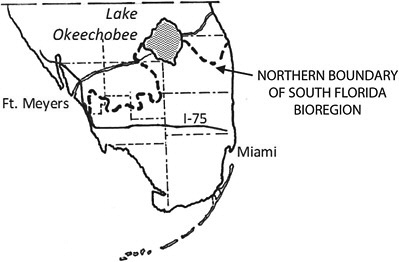 FIGURE 5-1 South Florida bioregion. |
of permanent standards over a stated time period. EPA provided an example of an interim standard that would require progress during years 1-5, a more stringent interim standard during years 6-10, and attainment of the permanent standard beginning in year 11 (EPA, 2010). That particular option would not be applicable to the phosphorus standard in the Everglades Protection Area, which is explicitly excluded under EPA’s current proposal for Florida. Implementing a similar strategy in the Everglades Protection Area would require significant changes to existing policy.
The CWA offers to states two options to address an unattainable standard, namely the use of attainability analysis and discharge-specific variances, neither of which may be appropriate to the Everglades ecosystem. A state can remove a designated use, other than an existing use, if it can demonstrate through a formal use attainability analysis that attaining the standard is not feasible for one of several reasons, including cost and widespread economic impacts. When implementing changes through a use attainability analysis, a designated use for a particular water body is changed, not the criteria applicable to the original class of uses. Because criteria are specific to designated uses, however, a change in use may trigger a change in applicable criteria. In August 2010, FDEP amended FAC Rules 62-302.400 and 62-302.530 to refine the existing surface-water classification system, creating a new sub-classification of waters, Class III-Limited would applicable to wholly artificial waters or altered waters: Thus, a new set of criteria applicable to the new class of waters will have to be established. The implications of this change for water quality management in the Everglades system are not clear at this time. Discharge-specific variances, normally applied to municipal and industrial point source discharges, have not been applied to discharges from permitted sources within the Everglades and are therefore an untested option. Under Florida rules, an affected party may also petition for site-specific alternative criteria (SAC) when “a water body, or portion thereof, may not meet a particular ambient water quality criterion specified for its classification, due to natural background conditions or man-induced conditions which cannot be controlled or abated” (FAC 62.302.800). No such petition has been requested for phosphorus in the Everglades Protection Area (E. Marks, FDEP, personal communication, 2010).
TOWARD A SYSTEMWIDE PHOSPHORUS BUDGET
Phosphorus is the primary nutrient of concern in the Everglades system. Therefore, it is especially important that the storage and transport of phosphorus through the system be understood in considerable detail if water quality concerns are to be addressed effectively and comprehensively.
Stored Phosphorus in the South Florida Ecosystem
Phosphorus retention is an important function in basin nutrient cycling. Phosphorus can be stored over the short term in above- and below-ground plant tissues, microorganisms, periphyton, and detritus. Over the long term, phosphorus can be stored in inorganic and organic soil particles and organic matter. The fate of phosphorus in these long-term storage compartments needs to be considered in any comprehensive water quality management approach. In the Lake Okeechobee basin, Reddy et al. (2010) estimated TP storage in upland and wetland soils to be 215,000 mt.11 Approximately 80 percent of the stored phosphorus (or 169,800 mt) is located in soils and stream sediments, with the remainder stored in lake sediments in the Upper Chain of Lakes, Lake Istokpoga, and Lake Okeechobee.
Reddy et al. (2010) performed a thought experiment that illuminates the long-term role of stored (or legacy) phosphorus on loading to Lake Okeechobee. Based on chemical extraction tests, they assumed that approximately 35 percent of the phosphorus stored was stable (i.e., not able to be released) because it was not soluble either in acid or base or both. Reddy et al. (2010) conservatively estimated that 10 to 25 percent of the reactive phosphorus in the soils was available to be exported from the system (see Figure 5-2). Given estimates of phosphorus leaching rates from stored phosphorus in the Lake Okeechobee basin of 500 mt per year (estimated based on assessments of long-term phosphorus discharges into Lake Okeechobee) and the estimates of stored reactive phosphorus, legacy phosphorus could maintain a phosphorus load to the lake of 500 mt per year for the next 22 to 55 years. This loading rate only considers legacy phosphorus stored in the soils and sediments and does not take into account new phosphorus additions in the basin. A recent report suggests that 11,000 mt of phosphorus is currently imported annually into the basin, and 6,700 mt is exported out of the basin, resulting in 5,300 mt net phosphorus accumulation in the system (SFWMD, 2010b).
Internal loads from sediments in Lake Okeechobee to the water column are also significant, especially from the mud zone sediments. These sediments are fine grained and are readily suspended into the water column. Based on several earlier research reports, internal flux from mud sediments to the water column was estimated at 112 mt of phosphorus per year. Based on the available reactive phosphorus in the sediments (using the assumptions described above), this supply will continue for 12 to 31 years (Figure 5-2). Managing internal load through chemical amendments may not be cost-effective considering the size of
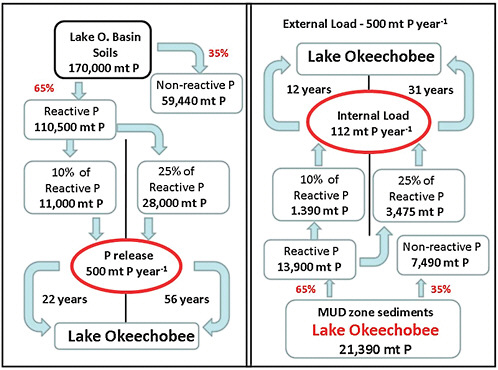
FIGURE 5-2 Role of legacy phosphorus in Lake Okeechobee and its basin in determining the lag time for recovery.
SOURCE: Modified from Reddy et al. (2010).
the lake (discussed later in this chapter). If external loads are curtailed to TMDL levels (140 mt per year), then it is likely that the lake would recover in the next 10 to 20 years and reach an alternate stable condition.
Tracking Phosphorus Fluxes in the South Florida Ecosystem
Annual average inflows and outflows of phosphorus over water years 2005-2009 are shown in Figure 5-3 for the principal components of the South Florida ecosystem. More than 500 mt per year entered Lake Okeechobee from its various tributaries during that five-year period. About 250 mt per year were released to the St. Lucie Canal, the Caloosahatchee River, and the L-8 basin. On average,
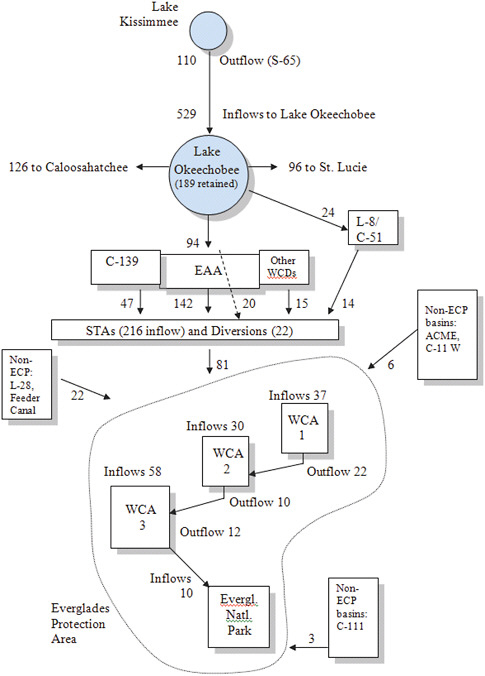
FIGURE 5-3 Average annual total phosphorus loading across the South Florida ecosystem for water years 2005-2009. Units are mt per year. WCD = water control district; ECP = Everglades Construction Project.
SOURCE: SFWMD and FDEP (2008b); Xue (2009, 2010), S. Van Horn, SFWMD, personal communication, 2010.
94 mt per year were released to the EAA. Outflows from the EAA then flowed through a complex set of pathways, including via STAs (discussed later in this chapter) into the WCAs, which also received substantial inputs from atmospheric sources. A large part of those loads were retained within the WCAs. Just over 10 mt flowed into Everglades National Park from WCA-3.
The SFWMD and FDEP have developed an impressive database on both flows and nutrients at numerous locations throughout the system, which are reported annually in the South Florida Environmental Reports (SFERs). Annual fluxes by structure in the 2009 SFER report (e.g., Appendix 3A-5 [Xue, 2009]) provide very useful but incomplete views of the transport of phosphorus through the system. It is difficult to determine several important linkages within the system from the published results. In particular, phosphorus budget linkages between Lake Okeechobee, the EAA, and the STAs are difficult to extract from reported data; therefore, linkages are critical to a more complete understanding of the system. Understanding these linkages is also essential for evaluating efficiencies of BMPs and setting priorities for additional approaches to phosphorus management. For example, in the 2009 SFER (Van Horn et al., 2009), analysis of management practices in the EAA is based entirely on discharge measurements and how they compare to 1978-1988 baseline values; there is no estimate of phosphorus inputs to the EAA from Lake Okeechobee, no estimate of commercial fertilizer applied to the EAA, and no estimate of atmospheric deposition to the EAA. The “loading rates” per land area that are discussed in the 2009 SFER and in the following section of this report appear to be runoff rates, not input loads. The lack of data about land use and inflows to the EAA is in sharp contrast to detailed information about inflows to Lake Okeechobee in the 2009 SFER (Zhang et al., 2009).
Detailed diagrams produced by the SFWMD during the preparation of this report showed inputs to the 6 STAs coming from 11 different sources, including the lake, drainage from 4 subareas of the EAA, and 6 sub-basins. Mass balances do not exist for either the EAA subareas or the sub-basins, and connections between subareas/sub-basins and the STAs are incomplete. Data on atmospheric deposition of phosphorus is only available for the Lake Okeechobee basin, and, based on 2005 reported data, atmospheric deposition appears to be a sizeable component of the phosphorus load in the Everglades Protection Area. Elimination of those information gaps is necessary to construct a more complete understanding of the flow of phosphorus through the Everglades system.
EFFECTIVENESS OF CURRENT PHOSPHORUS MANAGEMENT PRACTICES
Phosphorus in the South Florida ecosystem is currently managed through
multiple approaches, including source controls north and south of Lake Okeechobee, STAs, and treatment measures on Lake Okeechobee itself. In the following section, the committee reviews the effectiveness of the current practices and the potential for additional phosphorus removal by these practices. Preliminary cost data for the various phosphorus management practices, when available, provide an initial indication of the relative cost of phosphorus control. Phosphorus management practices vary in geographic scale, applicability, effectiveness, and obtainable end concentrations (i.e., some practices on their own cannot obtain end concentrations of 10 ppb). The cost and complexities associated with phosphorus management provide context for the committee’s recommendation for a comprehensive, systemwide, cost-effectiveness analysis. The intent of such an analysis would be to look for the least costly combination of phosphorus management practices needed to meet water quality restoration goals. The recent deterioration in both state and federal finances further underscores the need for cost-effective approaches to restoration.
Source Control Strategies
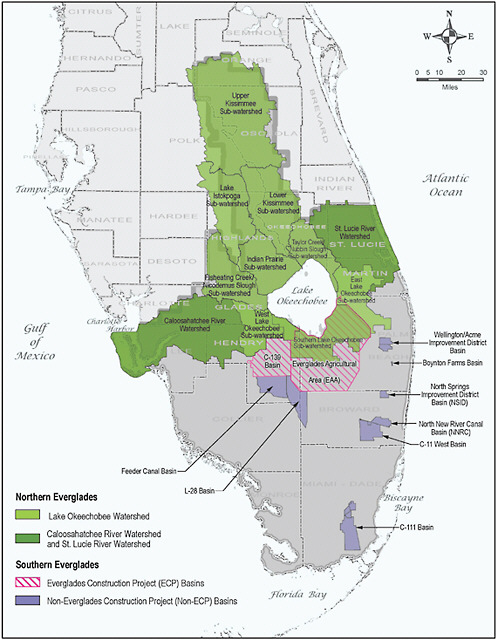
One of the approaches for improving and maintaining water quality in the South Florida ecosystem has been the implementation of source controls, or BMPs. BMPs are applied to both agricultural and non-agricultural lands, and on both field and watershed scales. Examples of BMPs include improved nutrient management practices, fencing cattle out of waterways (with provision of alternative water sources for cattle), sediment and erosion control measures, use of conservation and riparian buffers, increased wetland and ditch water retention, improved irrigation management, and controlled drainage. Implementation strategies vary among watersheds and even among the basins in each watershed, depending on water quality goals for the watershed or basin, attainment status of meeting the water quality goal, and statutory requirements. BMPs are implemented throughout the South Florida ecosystem (see Figure 5-4), and recent progress on the SFWMD’s efforts with respect to BMPs both north and south of Lake Okeechobee is well documented in Van Horn and Wade (2010).
Source Control and Treatment in the Northern Everglades
Historically, water flowing into Lake Okeechobee was derived primarily from the Kissimmee River, whose extensive wetland floodplain filtered nutrients from the water. Most of the current external phosphorus load to Lake Okeechobee comes from agricultural and urban land uses, and phosphorus is added to uplands in fertilizers, organic solids (e.g., sewage sludge, animal
wastes, composts, crop residues), wastewater, and animal feeds. Some of the phosphorus is exported from the drainage basin as agricultural products (i.e., harvested biomass), but a significant amount of the phosphorus applied to the land ends up in upland soils and sediments of ditches and streams, and a portion is then transported southward by river flow.
During the past several decades a variety of federal and state agricultural programs have been developed in an effort to reduce the fluvial transport of phosphorus from watersheds that discharge into Lake Okeechobee. One of the most important was the Lake Okeechobee Protection Act (LOPA), enacted by the Florida legislature in 2000, which mandated preparation of a comprehensive plan to meet the TMDL of 140 mt per year of total phosphorus by 2015. The plan, known as the Lake Okeechobee Protection Plan (LOPP), was published in 2004 and relied on several ongoing projects, expansion of cost-share programs to all agricultural activities, regional structural measures, and CERP reservoirs, STAs, wetland restoration, and removal of phosphorus-rich sediment from tributaries. The Northern Everglades and Estuaries Protection Program was established by the state of Florida in 2007 to strengthen protection of the northern Everglades, including the estuaries, and to expand the use of the state’s Save Our Everglades Trust Fund for use toward restoration of the northern Everglades. In February 2008, the SFWMD released the Lake Okeechobee Watershed Construction Project: Phase II Technical Plan, a comprehensive plan to implement the Northern Everglades and Estuaries Protection Program. The preferred plan identifies a combination of STA construction, agricultural and urban BMP implementation, ecosystem services projects, chemical and wetland treatment projects, as well as other projects for increasing water storage north of the lake. All watersheds that flow toward the lake are covered by the plan.
Agricultural acreage accounts for 46 percent of the land area in the Lake Okeechobee watershed, and 38 percent of the agricultural acreage have completed nutrient management plans and BMPs in various stages of implementation (McCormick et al., 2010). The majority of this acreage lies within the four basins located north of Lake Okeechobee that have been identified as SWIM program priority basins (S-191, S-154, S65-D, and S-65E), where phosphorus reduction efforts are concentrated. Unfortunately, despite the use of BMPs, it is not apparent that any improvement in water quality is occurring at the basin scale. In fact only one sub-basin, S-154, shows any water quality improvement to date (B. Waylen, SFWMD, personal communication, 2010). At some locations, on-site monitoring at the farm level shows improvement for some practices, particularly for intensive land uses, such as dairies where chemical treatment systems, stormwater management, and reuse systems have been implemented. Legacy phosphorus issues and the topography of the Lake Okeechobee watershed (flat topography with significant year-to-year climate
variability, many individual ditch drainage systems) make it difficult to monitor and assess the performance of the specific BMPs that are implemented on individual farms and ranches.
As indicated in the Northern Everglades Phase II Technical Plan, an aggressive combination of agricultural and urban BMPs, payment to landowners for ecosystem services beyond basic agricultural BMPs, regional and subregional treatment systems, and intensive chemical treatment of surface-water flows to the lake will be required to improve the water quality enough to meet the established TMDL. Unfortunately, because of budget limitations very few elements of the Phase II Technical Plan have been designed, and even fewer are operational. Thus progress on reducing phosphorus loads from the Lake Okeechobee watershed to the lake has not yet been achieved. In water year (WY) 2009, the total waterborne phosphorus load to Lake Okeechobee was 680 mt, which is greater than the 580 mt average over the historical baseline period (1991-2005) and approximately 6.5 times greater than the target waterborne TMDL of 105 mt per year (see also Figure 2-15; McCormick et al., 2010). Meanwhile, the average phosphorus concentration in the pelagic zone of the lake was 162 ppb, four times the target concentration of 40 ppb (McCormick et al., 2010).
Northern Everglades Source Control and Treatment Costs. Preliminary overall cost estimates were provided for the initial implementation stages of the Phase II Technical Plan, including both water storage and water quality treatment: $260-$320 million in non-CERP costs and $1-$1.4 billion in CERP costs (SFWMD, 2008). However, no comprehensive cost-effectiveness analysis is reported, nor is a cost estimate provided for water quality measures alone. Because of a lack of state funding, little additional progress has been made on the broad northern Everglades initiative in the past two years. However, with additional cost analyses, the Northern Everglades Technical Plan (SFWMD, 2008) could provide an important basis for understanding the costs and benefits of phosphorus control and treatment measures in the northern portion of the South Florida ecosystem.
As recommended in NRC (2008), the committee encourages the SFWMD to continue the local- and regional-scale monitoring and modeling required to quantify the cost, water storage, and phosphorus reduction and associated uncertainty levels associated with each component of the Phase II Technical Plan. Note that the often substantial uncertainty surrounding the technical effectiveness of many of these source control practices complicates cost-effectiveness calculations. However, this information is essential to management decisions focused on bringing the watershed into compliance with the TMDL and on systemwide water quality.
Best Management Practices South of Lake Okeechobee
BMPs south of Lake Okeechobee (i.e., the EAA, C-139, and non-Everglades Construction Project [ECP] basins) have a significant effect on water quality in the Everglades Protection Area. As noted in Figure 5-3, the EAA, C-139, and associated water conservation districts discharge an average annual load (based on 2005–2009 data) of 224 mt TP, and non-ECP basins discharge 31 mt TP into the STAs or the Everglades Protection Area. The EAA and C-139 basins discharge 142 mt and 47 mt TP, respectively (see Figure 5-3).
The 1994 Everglades Forever Act mandated a regulatory phosphorus source control program within the ECP and non-ECP basins (Figure 5-4) and a monitoring program to assess effectiveness. The act established a phosphorus load reduction target in the EAA of 25 percent (compared to baseline [1978–1988] loads) and created tax incentives to encourage BMP implementation.
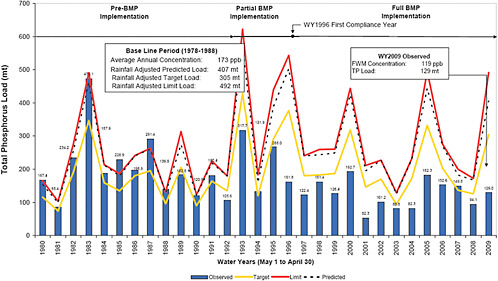
Results from the EAA source control program are impressive (see Figure 5-5). Reduction in phosphorus loads exceeded the targeted 25 percent in 13 of 14 years following implementation of a full complement of BMPs in 1996. On average, the reduction in annual TP load was more than 54 percent (or 2,118 mt) over the 14-year period (1996–2009), compared to that predicted for each year without BMPs in place (Van Horn and Wade, 2010).
In contrast, compliance in the C-139 basin, which is simply mandated to not exceed baseline phosphorus loads, has not been as successful. In six of the past seven years, the C-139 basin has failed to meet TP loading targets, with WY 2008 as the only exception.
Several factors contribute to the differences in source control program effectiveness in the EAA compared to the C-139 basin. First, the flat topography and elaborate water drainage systems in the EAA, consisting of parallel open ditch drains, main canals, and a network of pumps and weirs, allow for controlled drainage and subirrigation. These structures make it possible to hold water back in the fields, raise water tables, increase evapotranspiration, and reduce outflows and TP losses. In contrast, the C-139 basin has greater differences in surface elevation and mostly natural drainage through sloughs and creeks. Such systems are more difficult to manage and to gauge than the intensively engineered network on the EAA. Furthermore, the C-139 basin primarily contains sandy (mineral) soils, more like those of the basins north of Lake Okeechobee than the organic (muck) soils of the EAA. Typically, sandy soils are less able than organic soils to retain nutrients. Thus any fertilizer nutrients added to these soils potentially can be transported into adjacent water bodies.
Differences in land use between the EAA and C-139 basins could also explain part of the difference in their response to BMPs. The primary crop in the EAA is sugar cane, which requires relatively low phosphorus fertilization (Mor-
gan et al., 2009) and is tolerant of a range of water table depths. Consequently, controlled drainage in the EAA can reduce drainage flows and phosphorus losses without reducing yields. Sugar cane is also grown in the C-139 basin, but its primary land uses are pasture (68 percent), row crops (11 percent), and citrus (10 percent) (based on 2004 data; R. Budell, Florida Department of Agriculture and Consumer Services, personal communication, 2010). Although pastures produce low phosphorus loads relative to other land uses (Table 5-1), BMPs to effectively reduce phosphorus losses from this diffuse source are difficult to apply. Between 1995 and 2004, the acreage of land used for agriculture in the C-139 basin increased by 7 percent, compared to a 6 percent decrease in the EAA. During this same time period, data show a 60 percent increase in row crops in the C-139 basis, a land use with much larger phosphorus loads than other agricultural land uses (Table 5-1; R. Budell, Florida Department of Agriculture and Consumer Services, personal communication, 2010). Additionally, compared to the EAA’s, the C-139 basin’s monitoring network and baseline rainfall data are not as extensive, which reduces the reliability of its model predictions.
Assessment of the compliance of each basin is based on monitoring phosphorus loads at the basin level, not at the farm level. However, to ensure that BMP plans between different permittees are comparable and equitable, a system of BMP equivalents was developed by assigning points to BMPs within four basic categories: water management practices, nutrient management practices, control of sediment and particulate matter, and pasture management (where applicable). Points for each BMP are assigned based on effectiveness as determined by research, and, in some cases, professional judgment. A list of BMPs and points are provided by Gomez and Bedregal (2009), who note that while
TABLE 5-1 Estimated Phosphorus Loads by Land Use in Three South Florida Watersheds
|
|
Phosphorus Load (pounds/acre/year) |
||
|
|
St Lucie |
Caloosahatchee |
Lake Okeechobee |
|
Row crops |
4.50 |
3.45 |
6.3 |
|
Field crops |
2.96 |
4.09 |
No data |
|
Tree nurseries |
2.90 |
4.00 |
No data |
|
Sod |
2.52 |
2.79 |
2.52 |
|
Citrus |
1.80 |
0.90 |
1.62 |
|
Improved pastures |
1.90 |
1.93 |
0.72 |
|
Unimproved pastures |
0.92 |
0.99 |
0.27 |
|
Woodland pastures |
0.88 |
0.83 |
0.27 |
|
Sugar cane |
0.63 |
0.55 |
0.63 |
|
Rangeland |
0.28 |
0.25 |
0.23 |
|
Residential-medium density |
1.40 |
1.93 |
0.37 |
|
SOURCES: SWET, Inc. (2008); Bottcher (2003). |
|||
“permits at a minimum BMP point level of 25 proved effective in the EAA, more comprehensive BMP plans and supplemental projects to develop the technical information for a more effective program are necessary in the C-139 basin (35-point level).” The development of a BMP plan for a particular farm or parcel should consider a balance of BMPs that address both flow and phosphorus concentration with the total points adding up to at least a minimum required level. There is some indication that the lack of balance among the BMPs may be partially responsible for the poor performance in the C-139 basin (P. Wade, SFWMD, personal communication, 2010). From the beginning, comprehensive BMPs including water management, nutrient control, and sediment control were applied in the EAA, but this was not the case in the C-139 basin, where, in many cases, establishment of water retention facilities was sufficient to satisfy the 35-point requirement for BMPs.
The current method of using a points system to quantify the expected impact of a suite of BMPs assumes that the cumulative effect of the BMPs is additive, and that each practice is equally effective on different soils and landscapes. It is unlikely that either of these assumptions is valid. An alternative approach is to apply simulation models that have been developed for both field and watershed scales to describe the hydrology and water quality impacts of management practices and land uses. Once the model is set up and calibrated for a given basin (a one-time process), it could be used to assess the impacts of many combinations of BMPs and land uses on phosphorus loads, or other objective functions. There are several models that have been developed and tested for conditions in the Everglades watersheds that could potentially be used for this purpose, including the Watershed Assessment Model (WAM; Bottcher et al., 1998), which has recently been set up for use in the C-139 basin. Wider application of this technology would lead to improved understanding of the hydrology of the system and of the effect of practices and land uses on the movement and fate of phosphorus and other constituents.
Data in Appendix 4-2 of the 2010 SFER (Pescatore and Han, 2010) show permit-level phosphorus concentrations and loads in the EAA. The maps and tables show that although many farms in the EAA are achieving substantial reductions in phosphorus loads (with some reductions >90 percent compared to baseline), the reductions are not consistent across the basin. Some plots are generating much higher loads compared to other plots and to baseline data, with loads of up to 13 pounds/acre and reported farm-level TP concentrations of up to 1,000 ppb. Given this information, it seems that there is room for improvement in source control, even within the high-performing EAA.
As noted in Chapter 3, despite the current acreage of STAs and the extensive BMP initiatives, there has been a water quality “exceedance” in WCA-1, which is considered a violation of the Consent Decree. The current regulatory
structure, however, limits just how much further the SFWMD can go to improve source control efforts in the EAA, which is already meeting its state-mandated reductions, without additional rulemaking. The SFWMD is working closely with farmers in the underperforming C-139 basin to try to improve source control efforts in that area. The committee did not have the data needed to analyze how much additional phosphorus could be removed by agricultural BMPs and at what costs, but this information is critical to long-term comprehensive systemwide phosphorus management decisions. Ultimately, such decisions need to be informed by a strong monitoring, research, and modeling program that focuses on improving our understanding of phosphorus sources and loads; the effectiveness of current and new BMPs, both separately and in sequence; and the costs and benefits of additional remedial measures.
Costs of Enhanced BMPs South of Lake Okeechobee. To the committee’s knowledge no cost-effectiveness analyses of source controls in the EAA or of other agricultural lands in the South Florida ecosystem have been published. Further reduction in phosphorus loads within the EAA or C-139 basin may require practices that reduce crop yield and profit. If this is the case, an incentive could be offered to entice farmers to adopt the more aggressive control practices, assuming that the cost of the incentive is less than the costs of other comparable phosphorus control and treatment strategies. The incentive would allow farmers to increase their income, despite reduced crop yields and profits. Evaluation of the economically optimal incentive would require knowledge of production-function relationships between farming practices (e.g., fertilizer use, water management approaches), phosphorus losses to drainage waters, and crop yields. Some of these relationships are known and available; others would have to be determined through focused research efforts.
An extreme option is to remove land from production, close field ditches, and substantially decrease phosphorus losses from those fields. This alternative would only be attractive to a land owner/operator if the incentive payment is greater than the profit from continuing crop production. However, based on the specific land parcels, the cost to the SFWMD may still be less than the cost of constructing additional STAs to treat the drainage water. One situation for which this approach may be particularly attractive is in areas of the EAA where soils have subsided such that the organic layer depth is less than 12 inches thick. Production of sugar cane is generally not considered profitable on such soils, and lands that are converted to sod production, vegetable crops, or suburban development often result in higher phosphorus loading rates to the environment (see Table 3-1). A cost-effectiveness analysis could assess whether a program to remove these lands from production and prevent future detrimental land use conversions would be less expensive than the treatment alternatives. However,
any program that removes land from production also needs to consider the associated economic and social costs including jobs and tax revenues.
Phosphorus Control Measures Within Lake Okeechobee
Approximately 30,000 mt of phosphorus exist in the upper 10 cm of the mud sediments in Lake Okeechobee (Fisher et al., 2001). These sediments create an internally generated phosphorus load through diffusion into the water column and re-suspension of the sediments during wind events. One approach to reduce phosphorus loads in the South Florida ecosystem is to manage the phosphorus released from sediment within the lake. Only limited phosphorus management actions have been taken to date within the lake. During the drought of 2006-2007, the SFWMD removed approximately 1,300 acre-feet (or 1.6 million cubic meters) of mud sediments along exposed shorelines in Lake Okeechobee (SFWMD and FDEP, 2008a). This large volume represents less than 1 percent of the 162,142 acre-feet of mud sediments estimated in the lake (Engstrom et al., 2006).
The SFWMD conducted a feasibility study of alternatives to evaluate improvements in water quality by managing phosphorus released from lake sediments (SFWMD, 2003). The study considered approximately 30 possible actions, and ultimately, three options were evaluated in detail with respect to cost, effectiveness, and timeliness: (1) hydraulic dredging, (2) in-place chemical precipitation with aluminum compounds, and (3) no in-lake action. Removing 12 inches of sediments from the lake via hydraulic dredging would remove an amount of phosphorus equivalent to the rate of accumulation over 94 years, but it was estimated to take over 15 years to accomplish this task (SFWMD, 2003). Despite these high costs, the dredging would leave behind a significant amount of phosphorus-enriched sediment, which would continue to release phosphorus into the water column for several decades. Dredging also would not reverse eutrophication unless the external phosphorus loads were also curtailed (Kleeberg and Kohl, 1999).
SFWMD (2003) also considered applications of chemicals, including aluminum sulfate (“alum”) and sodium aluminate, to reduce dissolved and suspended phosphorus concentrations. Application of calcium-based chemical amendments can also potentially reduce the turbidity of lake water, which can cause enhanced dissolution of phosphorus. In-lake treatments to control phosphorus have been used successfully elsewhere on a smaller scale (Cooke et al., 1993; Welch and Cooke, 1999). The SFWMD predicted that aluminum compounds could inactivate existing phosphorus and much of the new phosphorus added to sediments for approximately 15 years. However, unless additional source controls are implemented to reduce phosphorus loads to the lake, the lake would
progressively return to the original contaminated state, because the surface of aluminum oxy-hydroxides would become fouled and buried with sediments over time. Addition of chemical amendments to large lakes such as Lake Okeechobee has not been evaluated. To be effective, applied chemical amendments must be in direct contact with sediments, and considering the size of Lake Okeechobee, this would be difficult to achieve. The potential ecological effects of chemical amendments in Lake Okeechobee also have not been fully evaluated.
These actions were contrasted against a “no in-lake action” alternative, which was ultimately selected by the SFWMD. If the TMDL could be met by 2015, the SFWMD estimated that the algal bloom frequency would be reduced to less than 15 percent by 2015 and less than 10 percent by 2028. However, NRC (2008) concluded that given the current management actions and the no in-lake actions, it will likely take decades to reach the TMDL, further contributing to the water quality problems in downstream locations. Given the magnitude of the phosphorus challenges, the SFWMD should reconsider the costs and benefits of in-lake actions, perhaps combined with aggressive source control strategies in the Lake Okeechobee watershed.
Costs of In-lake Treatment
In a 2003 study of options for phosphorus treatment in Lake Okeechobee, the SFWMD provided detailed cost estimates for two approaches: hydraulic dredging and in-place chemical precipitation with aluminum compounds. Removal of the upper 12 inches of mud sediment across the lake via hydraulic dredging was estimated to cost $3 billion (in 2002 dollars), even though it would leave a significant amount of phosphorus-enriched sediment in place. Inactivation of phosphorus in the lake by chemical precipitation was estimated to cost $500 million (in 2002 dollars) (SFWMD, 2003). These costs analyses were conducted to examine alternatives for meeting the TMDL in Lake Okeechobee and were not part of a broader systemwide analysis of nutrient management. Any future analysis of in-lake water quality remediation efforts would also need to consider any associated ecological consequences of such actions.
Progress in Phosphorus Load/Concentration Reduction Due to STAs
Constructed wetlands, also known as stormwater treatment areas (STAs), are used throughout the country to retain nutrients and other contaminants by using microbial and vegetation communities to create refractory residuals. Nutrients from the water column are retained by vegetation and particulate matter that typically accretes as floc on the soil surface. Long-term monitoring data of constructed wetlands in the United States demonstrate that they are most efficient
in removing inorganic forms of phosphorus and nitrogen and less efficient in removing organic forms of phosphorus and nitrogen (Kadlec and Wallace, 2009). The extent of management required depends upon the nutrient and contaminant retention capacity of the wetlands and the desired effluent quality.
Overview of Everglades STAs
Phosphorus management through STAs has been a major focus of the SFWMD through the Everglades Construction Project (see Box 2-3) and the district’s Long-Term Plan for Achieving Water Quality Goals (Burns and McDonnell, 2003). STAs are key components of the strategy to reduce nutrient loads and achieve long-term water quality goals in the Everglades Protection Area. The SFWMD has constructed about 45,000 acres of STAs on former agricultural lands at six strategic locations to reduce nutrient loads entering the WCAs (Figures 5-6 and 5-7). These STAs are large units of land, ranging from 870 to 16,543 acres of effective area arrayed around the southern boundary of the Everglades Agricultural Area. Another 12,000 acres of treatment wetlands (Compartments B and C, adjacent to STA-2 and between STAs -5 and -6, respectively) are under construction and are scheduled to be flow-capable in 2010 (SFWMD, 2010a). More than 35,000 acres of additional STAs are planned for the CERP (USACE and SFWMD, 1999) in locations north of Lake Okeechobee, in the Caloosahatchee Basin, in the Upper East Coast Area, along the eastern edge of the Everglades Protection Area, and in the North Palm Beach County area.
The SFWMD’s STAs are large treatment systems originally designed to operate as passive systems with minimal management. Each STA consists of several cells, operated in series and/or in parallel, through which nutrient-rich water (typically from the EAA and Lake Okeechobee and from other sources such as the C-139 and C-51 basin [see Figure 5-3]) flows and nutrients are removed, before being discharged into the ecosystem. Cells are constructed such that inflow and outflow rates are controlled, and the plant community within each cell is managed. An extensive monitoring and research program is in place to support the management of these treatment areas. The SFWMD is responsible for operating, maintaining, and optimizing the nutrient removal performance of STAs constructed as part of the Everglades Construction Project or the Long-Term Plan.
The first STA (precursor to STA-1W) in the Everglades was completed in 1994 as an experimental unit. The Everglades Construction Project STAs that are now in operation include: STA-1E (since 2004) and STA-1W (since 1994), STA-2 (since 2000), STA-3/4 (since 2004), STA-5 (since 1999), and STA-6 (since 1998). Between WY 1994 and WY 2009, these six STAs retained approximately 1,210 mt of phosphorus, representing a total load reduction of 72 percent of
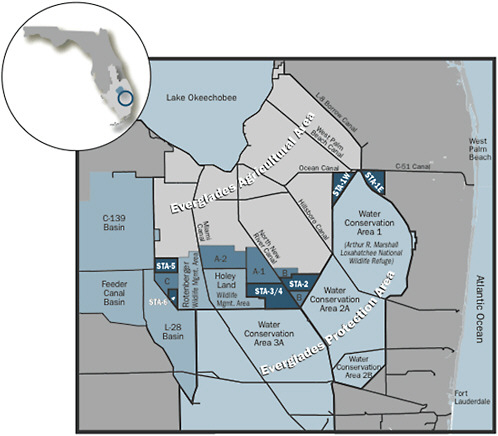
FIGURE 5-6 Location of the six Everglades stormwater treatment areas (STAs): STA-1E, STA-1W, STA-2, STA-3/4, STA-5, and STA-6).
SOURCE: https://my.sfwmd.gov/portal/page/portal/common/newsr/sta_map_8_2008.gif.
inflow phosphorus. Hurricanes severely impacted the STAs during WY 2005 and WY 2006 with large volumes of inflows and phosphorus loads. Heavy wind events also damaged some of the most sensitive portions (cells with submerged aquatic vegetation) of the STAs. Following these years, South Florida experienced drought for three consecutive years (WY 2007, WY 2008, and WY 2009), resulting in a reduction of flows and phosphorus loads, although not necessarily a reduction in outflow TP concentrations (Pietro et al., 2010).
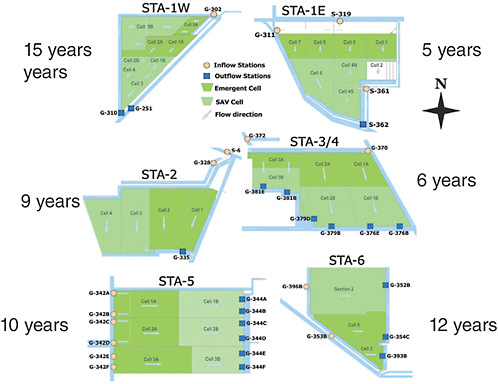
FIGURE 5-7 Schematics of the STAs showing orientation of the treatment cells and locations of the permitted inflow and outflow stations. Age of the STA is up to the year of WY 2009.
SOURCE: Pietro et al. (2010).
During WY 2009, the six STAs retained an average of 82 percent of the inflow phosphorus load (Table 5-2). The STAs retained 180 mt of phosphorus and reduced inflow flow-weighted mean TP concentration from 152 ppb to 25 ppb. Phosphorus removal efficiency in the six STAs in WY 2009 ranged from 64 to 88 percent, with STA-6 recording the lowest efficiency. During WY 2009, the STA system was in compliance with all operating permits. Phosphorus loading rates for WY 2009 (1.4 g/m2/year) were within the design criteria established for STAs,12 although STA-2 and STA-3/4 were loaded at much lower rates than
TABLE 5-2 Stormwater Treatment Area (STA) Performance During WY 2009
|
STAs |
Average Inflow TP ppb |
Average Outflow TP ppb |
Average TP Inflow Load g/m2/year |
Average TP Outflow Load g/m2/year |
Average TP Retained Load g/m2/year |
Average % TP Removal Efficiency |
|
STA-1E |
182 |
21 |
1.61 |
0.19 |
1.42 |
88 |
|
STA-1W |
246 |
36 |
1.85 |
0.30 |
1.55 |
84 |
|
STA-2 |
122 |
18 |
1.13 |
0.20 |
0.93 |
83 |
|
STA-3/4 |
96 |
13 |
0.78 |
0.11 |
0.67 |
86 |
|
STA-5 |
254 |
56 |
1.71 |
0.40 |
1.31 |
77 |
|
STA-6 |
198 |
94 |
1.53 |
0.55 |
0.98 |
64 |
|
All STAsa |
152 |
25 |
1.39 |
0.36 |
1.03 |
82 |
|
a The results presented for “All STAs” reflect an average of all annual data available for the STAs, thereby accounting for the fact that some STAs have been in operation for much longer than others. SOURCE: Pietro et al. (2010). |
||||||
the average design loading rate (Pietro et al., 2010). Because of the drought conditions, the performance evaluation of STAs during WY 2009 alone cannot be viewed as typical of sustained performance.
In addition to STAs in the EAA, two STAs have been recently constructed in “nutrient hotspots” in the Lake Okeechobee watershed: the Taylor Creek STA (142 acres effective area) and the Nubbin Slough STA (773 acres effective area). Both STAs are fully Constructed, and the Taylor Creek STA has passed preliminary performance tests, but neither STA is fully operational.
Long-Term Performance of STAs
The performance of STAs is influenced by several factors including (1) antecedent land use, (2) nutrient and hydraulic loading, (3) vegetation composition and condition, (4) soil type, (5) cell topography, (6) cell size and shape, (7) extreme weather conditions, (8) construction activities to improve performance (enhancement activities), and (9) regional operations (Pietro et al., 2010). Overall during the period of record, STAs have experienced variable loadings, extreme weather conditions, and internal management of vegetation.
Considerable data exist on water quality to evaluate long-term performance of STAs (Table 5-3). During the period of operation, phosphorus loading was highly variable among the STAs, and average inflow TP concentrations ranged from 92 to 229 ppb. The large standard deviations in the loading rates reflect
TABLE 5-3 STA Performance During the Period of Record (WY 1994-WY 2009)
|
STAs |
Period of Record Years |
Inflow TP ppb |
Outflow TP ppb |
TP Inflow Load g/m2/year |
TP Outflow Load g/m2/year |
TP Retained Load g/m2/year |
% TP Removal Efficiency |
|
STA-1Ea |
4 |
150±34 |
64±59 |
0.99±0.5 |
0.34±0.17 |
0.65±0.66 |
51±40 |
|
STA-1W |
15 |
164±57 |
48±34 |
1.94±1.22 |
0.63±0.61 |
1.31±0.66 |
72±12 |
|
STA-2 |
9 |
107±31 |
21±8 |
1.31±0.46 |
0.34±0.22 |
0.97±0.36 |
75±10 |
|
STA-3/4 |
6 |
108±34 |
18±5 |
1.03±0.69 |
0.16±0.13 |
0.88±0.57 |
85±3 |
|
STA-5 |
10 |
229±55 |
110±42 |
1.93±1.36 |
0.77±0.59 |
1.28±0.79 |
54±22 |
|
STA-6 |
12 |
92±42 |
29±22 |
1.19±0.50 |
0.23±0.13 |
0.95±0.42 |
80±7 |
|
aFirst-year operational data were not included. SOURCE: Data from K. Pietro, SFWMD, personal communication, 2010. |
|||||||
the effects of droughts and extreme wet periods. The SFWMD tries to keep the loading rates as consistent as possible, but with the limited storage available, extremely wet periods have caused inflow loads to exceed design loads at some point in all STAs. STAs -2, -3/4, and -6 typically received water with lower inflow TP concentrations compared to STAs -1E, -1W, and -5, reflecting land-use differences in the areas of the EAA that generated the runoff. The three STAs with the highest inflow concentrations (STAs -1E, -1W, and -5) also had the highest mean TP outflow concentrations. During the period of record, STA-1W and STA-5 exhibited high outflow TP concentrations of 48 and 110 ppb, respectively. Other STAs produced outflow TP concentrations of <30 ppb (see Table 5-3). Given current performance of the STAs, the original design assumptions with respect to loading rates and passive management may not be adequate, and refinement of the operational strategies is needed to optimize the phosphorus removal efficiency of the STAs.
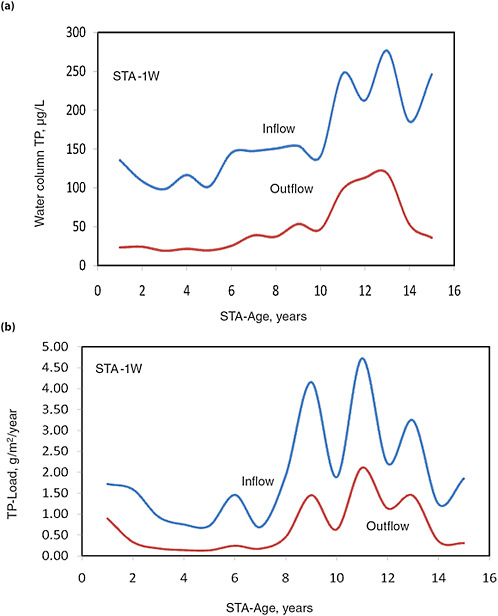
Data for STA-1W, which has been in operation for 15 years, may be useful in refining long-term STA management strategies. During the first 10 years of operation (until WY 2004), inflow TP concentrations of STA-1W were consistently <150 ppb, while outflow concentrations were in the range of 25 to 50 ppb (Figure 5-8a). Phosphorus loading rates during the first 10 years of operation ranged from 1 to 1.5 g/m2/year, but extreme weather conditions (i.e., hurricanes and drought) from WY 2005 to WY 2007 resulted in substantially increased phosphorus loading in the range of 2 to 4.5 g/m2/year (Figure 5-8b). This resulted in decreased treatment efficiency and elevated levels of outflow TP levels. The key management lessons and research needs that are highlighted these long-term data sets are described in the sections that follow.
Managing Inflow Loads. The relationship between TP inflow and outflow loads
suggests an approximately 60 percent reduction in inflow load among all the STAs (Figure 5-9). However, the efficiency of individual STAs ranged from 51 to 85 percent (Table 5-3). With the exception of STA-5 and STA-1E, and STA-6 for a few years, most of the STAs produced outflow TP concentrations of 50 ppb or less at TP loading rates of <2 g/m2/year (Figure 5-10). In fact, the bulk of the data with <2 g/m2/year loading appears to show outflow TP concentrations in the range of 20-25 ppb. The long-term data also indicate that much higher concentrations (>50 ppb) are routinely observed at inflow phosphorus loads above 2 g/m2/year. Figure 5-8 shows an example of extreme loading across multiple years in STA-1W (including two hurricane years) and the impact on TP outflow concentrations, which ultimately exceeded 100 ppb as an annual mean. Although reduced inflow loads do not guarantee low outflow concentrations, reduced loading is clearly an important component of STA management, albeit challenging in the variable climate conditions of South Florida (see Box 2-2).
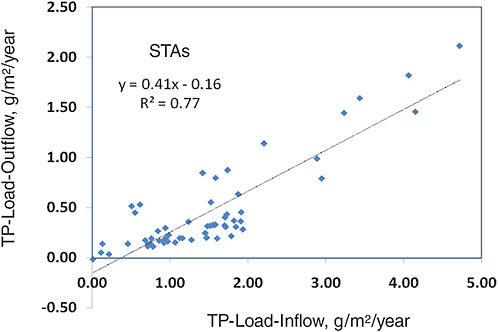
FIGURE 5-9 Relationship between TP inflow load and outflow load of STAs during period of record.
SOURCE: Data from K. Pietro, SFWMD, personal communication, 2010.
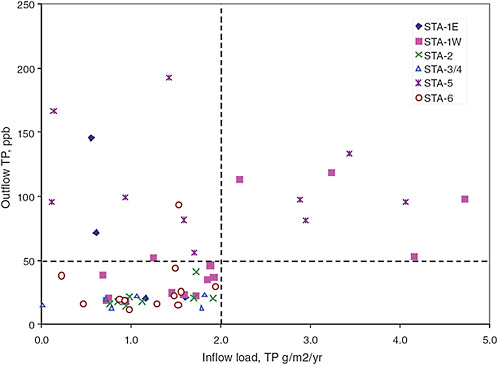
FIGURE 5-10 Relationship between TP inflow load and outflow water column TP concentration of STAs during period of record. Plotted values are mean annual flow-weighted concentrations and mean annual phosphorus loads for each of the STAs over the period of record.
SOURCE: Data from K. Pietro, SFWMD, personal communication, 2010.
Effect of Other Water Quality Parameters. The process of phosphorus retention in wetland systems is coupled to other nutrients that affect vegetation growth and microbial activity and chemical reactions that determine phosphorus availability and cycling. Thus, phosphorus removal and stability of the stored phosphorus in STAs is regulated by inflow water chemistry, including nitrogen, sulfur, calcium, and magnesium, and transformations of these chemicals within the STAs. The concentrations of calcium and other inorganic chemicals should be monitored as part of routine performance assessments. See the additional descriptions of the role of calcium in the phosphorus cycle in the section on conductivity later in this chapter.
Vegetation Management. Emergent and submerged vegetation promote phosphorus removal in wetlands by (1) sequestering phosphorus in biomass, which is retained as peat in the system; (2) altering water chemistry and promoting chemical precipitation of phosphorus; and (3) providing a source of carbon and energy for the microorganisms that support biogeochemical cycling of phosphorus (Noe et al., 2001; Reddy et al., 2005). Thus, vegetation management is critical for achieving the desired treatment goals of STAs, but several challenges have been encountered. For example, floating aquatic plant mats commonly form in STAs and may cause lower nutrient assimilative capacity and increased flux of nutrients from sediments to the water column. Also, submerged aquatic vegetation (SAV) communities have proven to be sensitive to change in water depth, inflow water chemistry, and soil characteristics. Deeper water depths may create problems for emergent aquatic vegetation cells. STA managers could possibly reduce these problems by developing other management strategies including mixed plant communities (SAV and emergent aquatic vegetation) within the same treatment cell.
Vegetation management is directly linked to sediment management in STAs. Recently, when accreted soil in some SAV cells was found to be unstable, rice was planted to stabilize these soils and improve the STA performance. Optimization of vegetation management is especially critical in older STAs because they tend to accumulate more unstable sediments, which provide a poor anchor for plant roots.
Newly Accreted Soil Management. Water column phosphorus is retained by particulate matter that typically accretes as floc on soil surface. Floc is defined as unconsolidated material consisting of undistinguishable detrital matter, plankton biomass, and other suspended particulate matter. Floc plays a critical role in dictating long-term performance of STAs. Once a STA starts accreting organic matter and other particulate matter, the newly accreted material dictates the exchange of phosphorus between soil and the water column. Across the various STAs, the proportion of phosphorus stored in floc and soil (0-10 cm depth) increased (ranging from 14 to 64 percent) as the age of the STA increased (see Figure 5-11). Phosphorus enrichment in the floc and surface soil decreases the potential phosphorus uptake from the overlying water column. This has been shown in WCA-2a (Richardson and Vaithiyanathan, 1995; Clark, 2002).
STAs are, therefore, not self-sustaining systems, and they require significant management over time to meet the outflow TP criteria. Soil management to increase the long-term sustainability of the STAs could include one or more of the following strategies: (1) periodic dredging and removal of phosphorusladen sediments, (2) growing rice to stabilize the soils, (3) adding chemicals to consolidate the floc, and (4) preventing soil oxidation associated with periodic
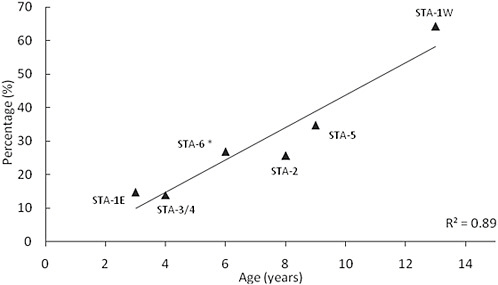
FIGURE 5-11 Percentage of total (floc + 0-10 cm soil) phosphorus storage derived from water column phosphorus removed. All STAs depict WY 2007 data except STA-6, which indicates WY 2004.
SOURCE: WBL (2009).
draw-downs. During WY 2007, the SFWMD conducted major rehabilitation activities in STA-1W, including dredging and sediment removal and planting rice. After these treatments, STA-1W showed significant improvements in outflow TP concentrations and phosphorus retention (Figure 5-8).
Implications for Downgradient Water Quality
The prior discussion highlights the challenges in approaching target TP discharge concentrations (i.e., 17 ppb TP at the STA discharge point was calculated for STA-3/4 to be consistent with the 10 ppb TP criterion [see Walker, 2005, and Payne et al., 2010a]) without the addition of substantially more acreage to the STAs, more vigilant maintenance of accreted sediments, and careful control of inflow phosphorus loads. Given the recent confirmed exceedance of the Consent Decree (see Chapter 3), it is clear that the current acreage of the STAs with their current loading is insufficient to meet the phosphorus criterion. Although an additional 12,000 acres of STAs is under construction, Compartments B and C are not located at the right locations to address this exceedence. With increased
volumes of water planned for the CERP, substantially more water quality treatment and/or additional load reductions will be needed if the new flows are to meet the water quality criteria. For the CERP alone, it has been estimated that 54,000 acres of additional STAs—beyond those constructed or planned (such as Compartments B and C)—will be needed to treat CERP flows to achieve a maximum annual flow-weighted mean concentration of 17 ppb TP (the water quality-based effluent limit (WQBEL) for STA-3/4; W. Walker, consultant, personal communication, 2009).13 If lower concentrations are required or different interpretations of the WQBEL are applied, even larger acreage or more source controls would be needed.14 The cost implications of these findings are discussed later in the chapter.
Long-term sampling has also demonstrated that even among the best-performing STAs there are gradients of elevated phosphorus within the lands receiving STA water. In WCA-1, the Arthur R. Marshall Loxahatchee National Wildlife Refuge, elevated concentrations are observed within the first 0.6 miles (1 km) of the inflows from both STA-1E and STA-1W. Within WCA-2A, discharges from STA-2 display gradients of elevated (up to 40 ppb) TP over distances of up to 2.2 miles (3.5 km; Scheidt and Kalla, 2007; Figure 5-12). Consideration of the ecological impacts of these gradients and their rate of change is important to understanding the adequacy of existing treatment and discharge approaches.
Research and Monitoring Needs to Support Long-Term STA Sustainability
Understanding the factors and processes that control long-term performance is essential to optimizing the efficiency and the long-term sustainability of STAs. Focused research efforts directed at improving STA management and
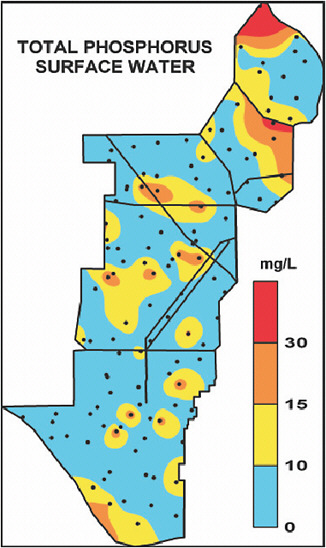
FIGURE 5-12 Total phosphorus concentration in surface water during November 2005.
SOURCE: Scheidt and Kalla (2007).
design have examined the effectiveness of different kinds of vegetation for phosphorus removal (Ecological Engineering, 2006; White et al., 2006; Gu and Dreschel, 2008), differences between STA cells built on historical wetlands and on previously farmed soils (Juston and DeBusk, 2006), and the efficacy of STA systems at low loading rates (Juston and DeBusk, 2006; Gu and Dreschel, 2008). The SFWMD has also sponsored research to optimize STA performance under extreme climatic conditions, including high water and winds or drought, and
to develop adaptive protocols for responding to such conditions. Indeed, performance of the STAs during WY 2009 showed considerably improved success over WY 2007 in managing water levels to avoid damage to aquatic vegetation, demonstrating the importance of management decisions and the potential for adaptive management to improve STA performance.
An extensive water quality monitoring program is also in place, and a new soil monitoring program was recently initiated to document the details of STA function and to determine the aspects of long-term sustainability. Soils provide a long-term record of nutrient accumulation and thus serve as an excellent indicator of system performance. A more consistent soil monitoring program is needed, especially with respect to sampling similar soil depths and analyzing the soils for macronutrients (e.g., carbon, nitrogen, phosphorus, sulfur, organic matter) and physical properties (e.g., bulk density). There is also a need to establish a uniform and robust soils reference data set, which would serve as a benchmark for the comparison of outcomes of various subsequent interventions. Additional studies are needed to determine the stability of phosphorus stored in the soils and how phosphorus retention capacities change with the STA’s period of operation.
The monitoring program is commendable, but it needs to be supported by a systematic research program that evaluates the overall STA system and includes cross-STA comparisons and consideration of the effects of the age of STA operations on performance and long-term sustainability. In particular, research is needed to assess the long-term ability of STA units to sustain or improve upon their current level of functioning. The committee also identified several areas where additional research might lead to improved STA operation and phosphorus removal efficiency:
-
Determine the stability of phosphorus stored in floc and soils and determine how phosphorus-retention capacities change with period of operation of the STA, flow rates, climatic conditions, and altered water chemistry;
-
Determine the inter-relationships between phosphorus and other elemental cycles (e.g., nitrogen, calcium, sulfur) and their effects on vegetation and phosphorus removal efficiency;
-
Improve strategies for managing the system during climatic extremes (e.g., droughts, hurricanes), particularly from the point of view of the entire hydrologic system (i.e., how will flow restrictions during high water or flow requirements during droughts affect water flows and water levels upgradient and downgradient from the STAs?);
-
Determine the long-term effects of accreting sediments on hydrology and vegetation and the variables that affect the frequency with which extensive soil management (i.e., dredging and removal of nutrient-laden sediments) will be needed;
-
Analyze how STA vegetation communities respond to environmental changes and STA management;
-
Identify the factors that contribute to the formation of floating aquatic plant mats, determine their effects on phosphorus removal efficiency, and if justified, develop strategies to reduce their formation; and
-
Integrate the current knowledge of phosphorus retention and release processes in STAs into management tools such as DMSTA, which can assist in forecasting STA performance and planning management activities.
Useful improvements could also be realized by an external peer review of the STA monitoring and research program, including the design criteria and modeling efforts.
STA Costs
The capital costs for STAs have been broadly estimated at $20,000/acre, consisting of $6,000/acre for land acquisition and $14,000/acre for engineering design and construction. Operating costs include operation and maintenance (O&M) and monitoring costs. Estimates of annual costs for O&M range from $350 to $450 per acre and for monitoring from $50 to $100 per acre, for a total ranging from $400 to $550 per acre (T. Piccone, SFWMD, personal communication, 2009).
It is not known how long the STAs will continue to function effectively without refurbishment or exactly how often or how expensive refurbishment might be. The SFWMD anticipates that major routine rehabilitation/refurbishment will likely be needed after 20 to 25 years of operation to remove accrued sediments and maintain the hydraulic capacity of the STAs. It also anticipates that minor rehabilitation might be needed on a more frequent basis if there is major damage from hurricanes or other major storm events. SFWMD scientists are collecting data on accretion rates, and although a great deal of uncertainty remains, they have estimated accruals of 8-12 inches of material over 20-25 years of operation (T. Piccone, SFWMD, personal communication, 2010). Applying the cost per cubic yard of sediment removed to this estimate, the SFWMD calculated that the cost to remove the sediment would be $16,800–$21,400 per acre (2010 dollars).
Assuming a 50-year effective life and refurbishment every 20-25 years, and using a 2.7 percent discount rate, the committee calculated a total present value cost of $39,539 to $54,692 per acre (2010 dollars). The lower bound estimate assumes refurbishment after 25 years and uses the low-end estimates of annual O&M, monitoring, and refurbishment costs. The upper bound is a “worst case” that assumes refurbishment after 20 years and again after 40 years, and uses the high-end estimates of annual O&M, monitoring, and refurbishment costs. Using
the average values for O&M, monitoring, and refurbishment costs and assuming refurbishment after 25 years, the total present value cost is $42,766 per acre.
Using the Dynamic Model for Stormwater Treatment Areas (DMSTA), the SFWMD has estimated that the 56,500 acres of effective treatment areas in the existing STAs (including Compartments B and C, under construction) will remove approximately 10,100 mt (or 393 pounds per acre) of phosphorus over a 50-year period. Using average values for O&M, monitoring, and refurbishment costs and assuming refurbishment after 25 years, the total present value cost per pound of phosphorus removed is $109. The amount of phosphorus removed by the STAs is a key parameter affecting the present value calculation, and considerable uncertainty remains regarding this value. For every 10 percent increase in phosphorus removed, the present value cost will decrease by 10 percent, or approximately $10 to $14 per pound. Conversely, if the actual phosphorus removal is 10 percent less than currently estimated, the present value cost will increase by 10 percent, or approximately $10 to $14 dollars per pound.
Costs of this magnitude create important ongoing cash-flow considerations for SFWMD restoration planning. The annual average O&M and monitoring costs for the 56,500 acres of existing STAs total $26.8 million. In addition, the average refurbishment costs are estimated to total approximately $1.1 billion every 20 to 25 years.
The relatively high cost of phosphorus removal for the STAs and the uncertainty regarding refurbishment intervals and costs and phosphorus removal rates raise two important challenges for further research and analysis. The first is to better understand actual accretion rates, refurbishment intervals, and costs, and the second is to maximize the effectiveness of the STAs for phosphorus removal.
COST-EFFECTIVENESS CONSIDERATIONS
Achieving the CERP objectives of restoration, preservation, and protection of the South Florida ecosystem while providing for the region’s other water-related needs is proving to be technically more difficult and costly than originally envisioned. Increasing restoration costs, coupled with constraints on state and federal revenues, highlight the need to assess how to achieve CERP objectives in the most cost-effective manner. This need is particularly acute as it relates to achieving the water quality standards, given the magnitude of the challenges in doing so.
STAs are currently viewed as the primary mechanism for furthering improvement in water quality in the Everglades Protection Area. Given the relatively high construction and O&M costs for STAs and their uncertain life span, the question becomes whether phosphorus could be more cost-effectively removed via other practices. For example, the success of tax incentives for BMPs in the EAA sug-
gests that performance-based incentives (e.g., payment per pound reduction of phosphorus load below a certain threshold, permit-level performance requirements) could be less expensive than building and operating more STAs.
To the committee’s knowledge, no systemwide, comprehensive, cost-effectiveness analyses of “getting the water quality right” in the South Florida ecosystem have been completed. A wide range of phosphorus control alternatives have been considered, and many have been implemented, including BMPs, wetland restoration projects, in-lake treatments, and STAs, but limited information exists on the relative cost-effectiveness of alternatives beyond those already in place.
The magnitude and spatial scale of the water quality challenges in Florida are daunting and will require massive investments to address. For the CERP alone, it has been estimated that 54,000 acres of additional STAs (beyond that which is already planned15) will be needed to adequately treat CERP flows (W. Walker, consultant, personal communication, 2009), which would cost roughly $1.1 billion to construct and $27 million per year to operate and maintain. Note that this estimate does not address pending regulatory decisions affecting phosphorus and nitrogen in lakes, rivers, canals, and estuaries.
Considering the enormous costs for water treatment that will be needed to meet CERP goals and regulatory requirements, the SFWMD should conduct a comprehensive cost-effectiveness analysis of phosphorus reduction measures to address water quality in the South Florida ecosystem. This analysis should examine all possible options, including novel treatment approaches, enhanced BMPs, land purchases, and regulatory changes, and should evaluate the effectiveness of load reductions (and the related uncertainty) in surface waters in the South Florida ecosystem, particularly the Everglades Protection Area. Ultimately, the solution to the state’s water quality challenges will likely require a comprehensive strategy, not a single, most cost-effective solution.
The cost analysis should also examine alternative restoration sequencing and water supply approaches that may be able to address water quality and water quantity concerns in a more efficient manner. For instance, planners should consider whether water quality issues necessitate higher priorities for seepage management projects, which would retain high quality water in the Everglades Protection Area. As noted in Figure 4-2, it is estimated that on average 758,000 acre-feet of water are lost each year from the WCAs via seepage to the east. An additional 220,000 acre-feet are lost via seepage from Everglades National Park. By reducing seepage losses, less new water and, therefore, less water treat-
ment would be needed. Similarly, different approaches to managing urban and agricultural water supplies might result in the retention of higher quality water in the natural system. According to Figure 4-2, 243,000 acre-feet of water from the WCAs are transferred each year for urban and agricultural water supply. Elevated phosphorus levels are less of a concern for urban and agricultural water uses, and, if feasible, a water management approach that separates ecosystem water storage from urban and agricultural water storage could reduce overall treatment requirements and costs.
The cost-effectiveness analysis should consider multiple timescales for addressing the water quality issues. The committee envisions three timeframes of interest: immediate (3-5 years), mid-term (5-15 years), and long-term (more than 15 years). Water quality measures that would result in immediate improvements tend to be the most management intensive and expensive (e.g., STAs), while mid- and long-term options (e.g., changing land use, widespread enhancement of BMPs) require difficult policy decisions but promise water quality improvements without the extensive long-term O&M costs associated with STAs. Thus, the degree of political support for improving South Florida’s water quality and the required timeframes for these improvements will ultimately affect the management decisions and the cost of such measures. However, such decisions cannot be made without a thorough analysis of the alternatives and their associated costs.
Although phosphorus is the overriding contaminant of concern, other contaminants are important to consider in the management of the Everglades ecosystem. Sulfur, mercury, calcium, and conductivity are discussed in the sections that follow. Given the proposed water quality standards, restoration managers will likely give additional emphasis to nitrogen management in the future.
SULFUR, MERCURY, AND PHOSPHORUS INTERACTIONS IN THE EVERGLADES
There are important biogeochemical interactions among sulfur, phosphorus, and mercury that can influence ecosystem functioning, exposure of mercury, and the quality of water in wetlands, including the Everglades. These interactions are largely chemical and microbial in nature and appear to be largely controlled by the supply of sulfur.
Sulfur Sources and Transformations
Sulfur is generally not recognized as a water pollutant, but it has a particularly important role as a contaminant in the Everglades. Sulfur cycles between the more mobile form sulfate  under oxidizing conditions and sulfide (S2-) under reducing conditions. Concern over sulfur as a contaminant is due to the potential toxicity of elevated concentrations of sulfide and the environmental
effects associated with the processing of sulfate. The EPA water quality standard for sulfide is 2 ppb, which is exceeded in porewaters in areas of the Everglades that receive high inputs of sulfate, including WCA-2A, LNWR, and WCA-3A (Figure 5-13; Scheidt and Kalla, 2007). Concentrations of sulfide are below 0.14 ppm in remote areas of the Everglades that are far removed from canal drainage.
High concentrations of sulfide can be toxic to plants. Li et al. (2009) showed that sawgrass is three times more sensitive than cattail to sulfide concentrations, suggesting that inputs of sulfate to the Everglades could alter the distribution of plant species in favor of cattail. Elevated concentrations of sulfate can enhance the supply of phosphorus from wetland soils to surface waters (Lamars et al., 1998; Smolders et al., 2006), although experiments to date in the Everglades
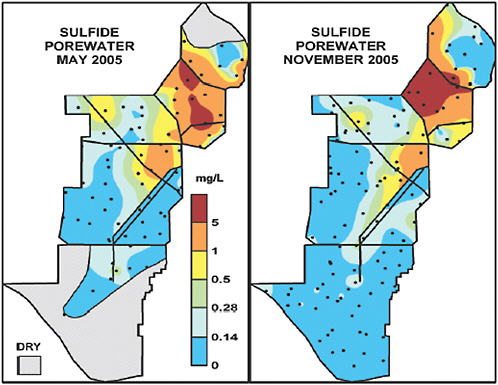
FIGURE 5-13 Concentrations of sulfide in porewaters of the Everglades during May 2005 (left) and November 2005 (right).
SOURCE: Scheidt and Kalla (2007).
have not demonstrated sulfate-enhanced phosphorus release in Everglades soils (DeBusk et al., 2009; Dierberg et al., 2009).
Transformation of ionic mercury (Hg2+) into methyl mercury, the form that bioaccumulates along food chains resulting in elevated exposure to human and other organisms, is largely mediated by sulfate-reducing bacteria (Benoit et al., 2003). Thus, inputs of sulfate will stimulate the production of methyl mercury and can enhance mercury contamination in biota. As a result, the CERP recommends that sulfate concentrations be decreased or maintained to concentrations of 1 ppm or less throughout the Everglades (RECOVER, 2007a). However, the EPA and the state of Florida have not established water quality criteria for sulfate for ecosystem protection.
Historical concentrations of sulfate in the Everglades are thought to be relatively low. Sulfur is applied to EAA soils at rates of approximately 20 to 33 pounds/acre-yr (Wright et al., 2008; Gabriel, 2009) to decrease pH and improve phosphorus availability for agriculture use. Sulfate concentrations vary spatially throughout the Everglades depending on the proximity to the EAA and the relative distribution of water sources from precipitation, stormwater, and ground-water. The highest sulfate concentrations of more than 100 ppm are observed in canals within the EAA and in WCA-2A (Figure 5-14). From this source, concentrations of sulfate in the Everglades decrease toward the south and west, and transport largely occurs via canal discharge. About 60 percent of the Everglades Protection Area currently exceeds background sulfate concentrations of <1 ppm (Scheidt and Kalla, 2007). Additional sources of sulfur are discussed in Box 5-4.
The STAs have limited effectiveness in removing sulfate. Pietro et al. (2009) showed that sulfate removal ranged from 5 percent in STA-1W, 19 percent in STA-3/4, 43 percent in STA-5, and 67 percent in STA-6, with an average of about 10 percent. In general, the STAs receiving the lowest concentrations of sulfate in inlet waters were most effective in removing sulfate.
Linkages Between Sulfur and Mercury
Since the early 1990s mercury contamination has been recognized as a critical health issue for humans and wildlife that consume fish from the Everglades. The state of Florida has advisories that either ban or restrict consumption of nine species of fish from more than 3,000 square miles (65 percent of the total area) of the Everglades (Scheidt and Kalla, 2007). Advisories include a ban on consumption of largemouth bass that exceed 14 inches, and fishing for consumption is not advised in the Everglades. In addition to those related to human health, there are concerns that elevated exposure of mercury might harm piscivorous birds and the Florida panther, which may impact breeding success.
In many respects the Everglades is an ideal environment to promote the
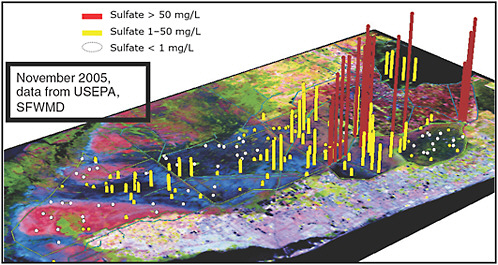
FIGURE 5-14 Concentrations of sulfate in surface water in the Everglades during November 2005. White dots indicate sulfate <1 ppm, yellow bars indicate sulfate between 1 and 50 ppm, and red bars indicate sulfate is >50 ppm.
SOURCE: Scheidt and Kalla (2007).
transport, transformations, and trophic transfer of mercury, resulting in elevated concentrations of methyl mercury in fish. Warm conditions and abundant rainfall contribute to elevated wet deposition of mercury in South Florida, among the highest of regions monitored in the United States (NADP, 2009). In the Everglades more than 95 percent of the mercury inputs are from atmospheric deposition (Landing et al., 1995; EPA, 1996; Guentzel et al., 1998, 2001). Due to the wetland environment, the Everglades are characterized by elevated concentrations of dissolved organic carbon, with particularly high concentrations in the EAA and concentrations decreasing downgradient to the south. This dissolved organic carbon binds mercury, enhancing its transport (Aiken et al., 2003) but also likely decreasing its bioavailability. The warm water temperatures, the large supply of biodegradable organic carbon and reducing conditions, and elevated inputs of sulfate in the Everglades promote sulfate reduction and the net methylation of ionic mercury. Finally the Everglades is extremely low in nutrients (oligotrophic), which facilitates the bioaccumulation of methyl mercury to high concentrations in biota (Pickhardt et al., 2002; Chen and Folt, 2005).
Sulfur dynamics appear to be an important spatial controller of methyl mercury production in the Everglades. At low surface concentrations of sulfate
|
BOX 5-4 Sources of Sulfur in the Everglades There have been few studies on the sources of sulfate to the Everglades (Wright et al., 2008; Gabriel, 2009). Potential sources include atmospheric deposition, deep groundwater, and sulfur supplied from the Everglades Agricultural Area (EAA). Inputs of atmospheric sulfate deposition are small compared to fluxes in canals. Therefore, atmospheric deposition is a limited component of sulfate contamination in the Everglades. Deep groundwater exhibits high sulfate concentrations and could potentially be an important source of sulfate. However, deep groundwater is not geochemically consistent with canal water, and it is not thought to be an important source. There have been few mass balances of sulfur for the Everglades. Schueneman (2001) concluded that Lake Okeechobee and soil mineralization (the degradation of soil organic sulfur) were the largest sources of sulfate to the Everglades. Gabriel (2009) conducted a preliminary mass balance of sulfur for Lake Okeechobee, the EAA, Water Conservation Area (WCA)-1, and WCA-2 for wet (2004), dry (2007), and intermediate (2003) years. His analysis showed that atmospheric deposition was a small input, and evasion of reduced sulfur gases was a minor loss. During the intermediate and wet years, Lake Okeechobee was a net source of sulfate. The WCAs were generally net sinks for sulfate inputs. Based on canal water fluxes, the EAA was a large net source of sulfate during the wet and intermediate years and a slight sink during the dry year. Gabriel’s analysis suggests that soil sulfur mineralization and direct agricultural application were important sulfur sources for the EAA and the annual harvest of sugar cane was an important sulfur loss. Although soil sulfur oxidation is clearly an important source of sulfate to downstream drainage waters, relatively little is known about controls on this source and how it has varied over time. Using sulfur stable isotope measurements, it appears that sulfur applied for agriculture is a major contributor to the excess sulfate concentrations in the Everglades (Bates et al., 2002). However, the relative contribution of recent vs. legacy sulfur additions to sulfate concentrations in the Everglades is not clear. |
(<10-20 ppm) methylation is sulfate limited (Figure 5-15), and under these conditions increases in sulfate will stimulate methylation of ionic mercury (Gilmour et al., 2009). This sulfate-limited condition coincides with sulfide concentrations below 0.2-0.3 ppm in sediment porewaters. At high concentrations of surface-water sulfate (>10-20 ppm) and/or high concentrations of sulfide (>0.2-0.3 ppm), production of methyl mercury becomes curtailed because of immobilization of ionic mercury by sulfide (Benoit et al., 2003). In the northern Everglades the high supply of sulfate coupled with reducing conditions result in high concentrations of sulfide in wetland porewaters (often exceeding 1 ppm), which may limit methyl mercury concentrations (Scheidt and Kalla, 2007). With decreases in sulfate and sulfide concentrations there is an increase in methyl mercury production rate in WCA-2B and -3A with subsequent decreases through Everglades National Park toward the south (Gilmour et al., 2007).
An additional factor that may influence the spatial patterns in fish mercury
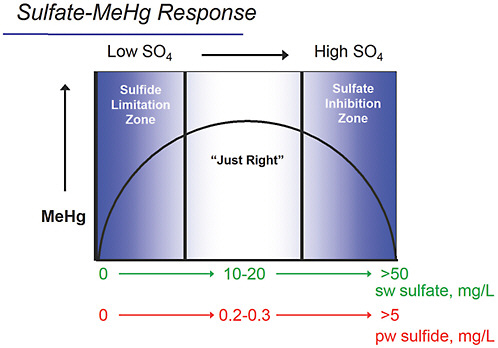
FIGURE 5-15 Conceptual diagram showing the response of methylation of mercury to varying sulfate concentrations. At low concentrations of sulfate, methylation is stimulated; at higher sulfate concentrations, the production of high concentrations of sulfide inhibits methylation.
SOURCE: Modified from Gilmour et al. (2009).
in the Everglades is phosphorus supply. Water concentrations of phosphorus exhibit a distinct decreasing gradient north to south due to inputs from the EAA (Scheidt and Kalla, 2007). This elevated supply of phosphorus increases aquatic productivity, which may result in “biodilution” of fish mercury (Pickhardt et al., 2002; Chen and Folt, 2005). However, it does not appear that this hypothesis has ever been tested for the Everglades.
The Everglades mercury problem arises from the convergence of two contaminant sources (mercury and sulfate). Ecosystem-wide sampling indicates that zones of elevated methyl mercury production appear to be controlled by sulfate transport, which varies in time and space. Increases in water discharge since
the mid-1990s appear to have increased sulfate transport southward, resulting in mercury contamination in the southern portions of the Everglades (Krabbenhoft et al., 2009).
Possible Approaches to Decrease Sulfur Contamination and Research Needs
Previous mass balance studies have demonstrated the importance of the EAA as a major source of sulfate to the Everglades. Transport of sulfate southward largely occurs via canal discharge. To date there has been limited effort to control or restrict sulfate contamination in the Everglades. Watershed BMPs could be implemented in the EAA to decrease sulfate loads. Recently, Ye at al. (2009) found that rates of sulfur application commonly used in the EAA do not significantly decrease the pH of soils and may not be effective in enhancing the availability of phosphorus. Application of sulfur could be limited in the EAA to the minimum quantity needed for sustained crop yields. Sulfur application (e.g., gypsum [CaSO4] for pH adjustment, sulfur based fungicides, sulfur containing fertilizers) could also be minimized.
An opportunity to mitigate sulfur contamination may result from the purchase of land in the EAA from the U.S. Sugar Corporation. Taking EAA land out of cultivation should decrease both land application of sulfur and soil oxidation of sulfur associated with soil mineralization, limiting two of the most important sources of sulfate to the Everglades. The initial flooding of lands that were formerly in agriculture could likely result in a very large flux of phosphorus, sulfate, mercury, and other contaminants in drainage waters, creating a shortterm environmental problem. If EAA soils are re-wetted, detailed monitoring should be conducted to characterize the extent of this disturbance. However, over the long-term prolonged flooding and saturation of soil should stimulate the accumulation of soil carbon and reducing conditions and limit the mobilization of sulfate.
Restoration of sheet flow within the Everglades ecosystem will help protect sensitive areas like the WCAs, Everglades National Park, and Big Cypress National Park from the effects of sulfate contamination. Canals promote distant transport of sulfate under oxidizing conditions. The re-establishment of sheet flow should promote sequestration of sulfur (as sulfide) under more reduced conditions and should decrease the transport of sulfate.
STAs have not been designed to remove sulfate, and, in fact, monitoring data suggest that STAs have limited effectiveness in removing sulfate. Research could be conducted to investigate how STAs can better remove sulfate, within the context of the primary objective of removing phosphorus. Possible approaches might include increasing the hydrologic residence time in STAs, using plants
that are more effective in sequestering sulfur, and using chemical amendments such as iron.
It appears that some planned hydrologic improvements in the CERP may have the undesired consequence of enhancing transport of sulfate to the southern more pristine portions of the Everglades, increasing mercury contamination in these areas. For example, within the proposed eastern flow-way, water from WCA-2 is transferred to Lake Belt storage areas prior to discharge into Everglades National Park south of Tamiami Trail. As a consequence, increasing (or changing) discharge patterns without considering associated water quality may exchange one problem for another.
CALCIUM, ALKALINITY, AND SPECIFIC CONDUCTANCE
The related issues of the supply of calcium concentrations, alkalinity, and specific conductance in the water quality of the Everglades have received some attention, but they may deserve more careful consideration as factors in ecosystem restoration. The effects of elevated conductivity on native vegetation and the implications of changing calcium concentrations on phosphorus are discussed below.
Effects on Wetland Biota
Waters draining the Everglades are thought to be historically soft. Harvey and McCormick (2009) found that the development of thick, low-hydraulic-conductivity peats isolated surface water and shallow groundwater from deep groundwater with higher ionic strength.
In the northern portions of the Everglades Protection Area (i.e., LNWR, WCA-2), water near the perimeter canals is elevated in specific conductance, with values in the range of 1,000 µS/cm (Surratt et al., 2008; Harvey and McCormick, 2009). Canal water discharging into the LNWR has specific conductance values up to two times greater than interior waters (231.5 µS/cm vs. 121.8 µS/cm) (USFWS, 2009e). This condition creates a zone of elevated surface-water specific conductance extending up to 2.8 miles into the LNWR and is associated with the absence of yelloweyed grass (Xyris spp.), a key indicator plant for undisturbed communities. The conductivity of water in the interior of WCA-2A is generally in the range of 1,000 µS/cm; in contrast, within Everglades National Park, specific conductances are rarely above 600 µS/cm, despite thin peat and greater surface water-groundwater exchange in that region. The input of waters with high concentrations of cations from the EAA into the northern WCAs has been demonstrated in spatial analyses of calcium concentration in the soil (Rivero et al., 2007) and occurred as far back as the 1940s.
There is some evidence to indicate that elevated mineral content in the surface waters of the areas receiving canal waters from the EAA may have significant impacts on the ecology of these areas. Experimental work suggests that some characteristic species, including Rhynchospora spp., Xyris smalliana., and Eriocaulon aquaticum germinate and grow better under unenriched (low calcium, phosphorus) conditions and are typically found only in softwater areas (R. Gibble, USFWS, and P. McCormick, SFWMD, personal communication, 2009). In northern peatlands, species’ distributions are well known to be strongly influenced by calcium concentrations (Glaser, 1992; Bridgham et al., 1996; Payette and Rochefort, 2001), with large changes in plant community composition as calcium concentrations decrease below 10 ppm. However, the role of calcium in Everglades plant ecology has received very little attention, and so it is not clear whether the patterns observed in the northern peatlands is relevant here.
There is stronger evidence that periphyton communities are altered by changes in water hardness. Swift and Nicholas (1987) showed that calcium-enriched waters affected by canal and agricultural drainage had a lower overall diversity of algae and cyanobacteria than the softwater interior-marsh sites and were dominated by filamentous cyanobacteria and other characteristic “pollution indicators,” in contrast to the desmid and acid-preferring species of diatoms found in the softwater sites. Harvey and McCormick (2009) reported similar results in the LNWR. Paleoecological data (Slate and Stevenson, 2000) show that diatom species preferring acidic conditions were more widespread in the pre-drainage Everglades than currently. Contemporary data also show that calcareous communities are more common in the more minerotrophic waters of the southern Everglades. Studies of food web relationships suggest that a transition from the diatom-desmid community to a calcareous community has effects on fish species and food web structure (Williams and Trexler, 2006), although these authors found that the dominant detritivores appear to be feeding on a mixture of periphyton species from both diatoms and cyanobacteria.
Calcium Trends and Implications
In contrast to the pattern of elevated calcium and alkalinity observed in the WCAs in association with inputs from the EAA, Lake Okeechobee has shown trends of decreasing calcium concentrations since the 1970s (Figure 5-16). Calcium concentrations in the lake have decreased from 45-50 ppm in the 1970s to 30-35 ppm in 1999, a trend correlated with a slight decrease in pH and alkalinity and an increase in temperature. This pattern is likely due to a decrease in back-pumping of calcium-enriched water from the EAA and a trend toward wetter conditions, which lead to lower concentrations of lake calcium (Walker, 2000; Zhang et al., 2007).
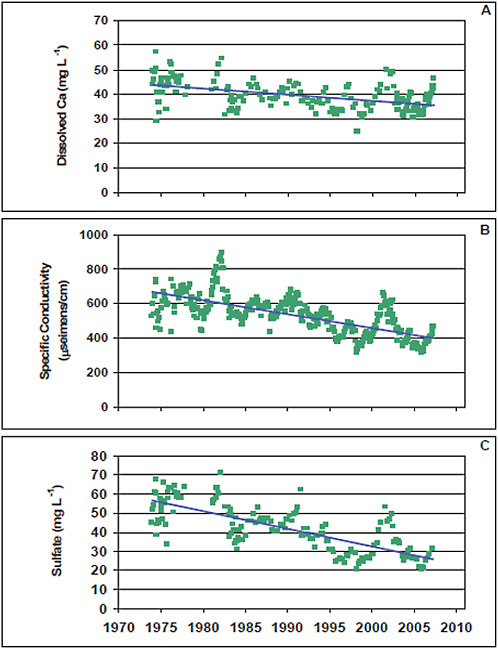
The role of calcium in the lake is strongly linked to the fate of phosphorus, as 58-70 percent of the phosphorus accumulating in the bottom sediments is bound to calcium and magnesium, and the fraction of phosphorus in the benthic sediments that is bound to calcium also shows a decreasing trend (Walker, 2000). The settling rate of phosphorus in the lake is strongly correlated with calcium concentrations (Figure 5-17), so decreasing inputs of calcium to the lake results in higher quantities of total phosphorus maintained in the lake water column. Calcium loading would appear to be an important component of the phosphorus management of the lake (Walker, 2000). This mechanism is likely associated with precipitation of calcium carbonate and the immobilization of phosphorus by sorption and flocculation. Precipitation of calcite likely facilitates the removal of turbidity, but long-term declines in calcium carbonate precipitation could enhance the persistence of phosphorus and turbidity in the lake.
Changes in the dynamics of calcium may also have implications for the long-term success of the STAs. Short-term immobilization of phosphorus in the STAs seems to occur by biological removal by periphyton and macrophytes and
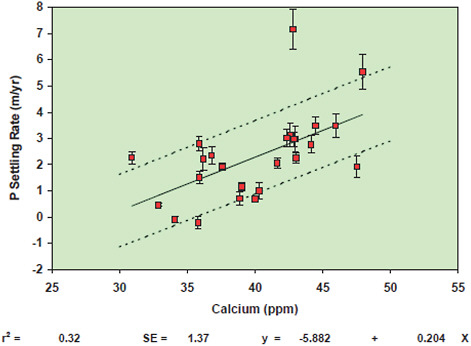
FIGURE 5-17 Relationship of phosphorus settling rate in Lake Okeechobee to calcium concentration in the water column, based on data from 1973 to 1999.
SOURCE: Walker (2000).
particulate settling. However, over the longer term it is likely that immobilization by calcium is important. STAs exhibit net retention of alkalinity, probably largely as a result of calcite precipitation (W. Walker, consultant, personal communication, 2009), and phosphate is readily co-precipitated with calcite (Wetzel, 2001; Reddy and Delaune, 2008). Walker (2009) reported outflow TP concentrations from the STAs that were highly correlated with inflow calcium concentrations, showing the importance of calcium as a control on water column TP. Long-term decreases in the inflow of calcium to STAs associated with changes in agricultural activities in the EAA will likely decrease the formation of calcite and may limit associated immobilization of phosphorus.
Research Needs
This brief review suggests that calcium and alkalinity may play a larger role in controlling both phosphorus management and the composition of the biota than has been previously recognized. It is important to determine the extent to which changes in conductivity alone, separately from phosphorus enrichment, cause undesirable changes in both the periphyton mat and in the macrophyte communities. In addition, research should be directed toward understanding the co-variation and dynamics of conductivity and other pollutants (phosphorus, sulfate) to verify the suggested utility of conductivity alone as an indicator of polluted water impact (Harwell et al., 2008; Surratt et al., 2008). Most of the research on the extent and impacts of high-conductivity water on plant and periphyton communities has been done within the LNWR; it is important to understand the extent of impact of high-conductivity canal waters on other receiving areas. Finally, the potentially important role of calcium as a control on phosphorus chemistry both within Lake Okeechobee and the STAs deserves further attention, as tradeoffs in water quality management may be necessary.
CONCLUSIONS AND RECOMMENDATIONS
Ten years after the CERP was launched, “getting the water right” is proving to be more difficult and expensive than originally anticipated. It has taken decades (more than 60 years) for the ecosystem to degrade to its current state, and it will likely take a similar timeframe or longer to restore. Legacy phosphorus storages in the Lake Okeechobee watershed, the lake itself, and the EAA suggest that current phosphorus release rates into the system will persist for decades. Attaining water quality goals throughout the system is likely to be very costly and take several decades of continued commitment to a systemwide, integrated planning and design effort that simultaneously addresses source controls, storage, and treatment over a range of timescales.
Additional information on phosphorus mass balances, particularly within the EAA, are needed to support effective decision making. NRC (2008) recommended a systemwide accounting for phosphorus and other contaminants such as sulfur, nitrogen, calcium, and mercury, and this remains a pressing need. There are notable gaps in the published phosphorus budgets between Lake Okeechobee and the inflows to the STAs and also in the contributions from atmospheric deposition for phosphorus and other elements. The lack of information synthesis of inputs and pathways of phosphorus and other contaminants in key areas, such as the Everglades Agricultural Area, hinders the development of targeted strategies to improve water quality management.
The current acreage of STAs, as managed, is not sufficient to treat existing water flows and phosphorus loads into the Everglades Protection Area. Although new construction of STAs is underway in Compartments B and C, these STAs are located far from where the recent Consent Decree violations have occurred. With increased volumes of water planned for the CERP, substantially more water quality treatment and/or additional load reductions will be needed if the new flows are to meet the water quality criteria. If these new CERP loads are addressed with STAs alone, an estimated 54,000 additional acres of STAs will be required, costing approximately $1.1 billion to construct, $27 million per year to operate and maintain, and approximately $1.1 billion to refurbish every 20 to 25 years (2010 dollars). Additional STAs will further increase the large cost of restoration (last estimated at nearly $13 billion) and add to the fiscal challenges of federal and state agencies, although additional source control measures could reduce the magnitude of this cost increase. EPA’s recently announced phosphorus and nitrogen water quality standards for lakes, rivers, and canals introduce additional technical and financial challenges.
The SFWMD should complete a comprehensive scientific, technical, and cost-effectiveness analysis as a basis for assessing potential short- and long-term restoration alternatives and for optimizing restoration outcomes given state and federal financial constraints. This analysis is needed to facilitate management decisions that focus on improving systemwide water quality, bringing the watershed into compliance with the Lake Okeechobee TMDL, and addressing recent violations of the Consent Decree. In addition to considering additional treatment and source control, this analysis should evaluate urban and agricultural water supply management approaches and accelerated sequencing for seepage management projects to determine whether changes could address water quality and water quantity concerns in a more efficient manner.
A rigorous research, analysis, and modeling program is needed to develop improved best management practices and to examine the long-term sustainability and performance of STAs to meet the desired outflow water quality. To
support the comprehensive scientific, technical, and cost-effectiveness analysis recommended above, additional research is needed in the following areas:
-
STA sustainability and performance. The SFWMD’s extensive STA soil and water quality monitoring program should be supported by a systematic research program that evaluates the long-term ability of STAs to sustain or improve upon their current level of functioning. Further research should examine the biogeochemistry, vegetation dynamics, and hydrology of the STAs, and should couple the resultant data with predictive models to improve performance and support management decisions. Useful improvements could also be realized through an external peer review of the STA research and monitoring program, including the design criteria and modeling efforts.
-
Source control effectiveness. A rigorous research, monitoring, and modeling program focused on developing improved BMPs is needed to improve the efficiency of phosphorus source control efforts and to inform systemwide phosphorus management decisions. Long-term monitoring of the efficacy and costs of BMP implementation across multiple sites will be required to evaluate source control practices across variable hydrologic, geomorphologic, and soil regimes present in the South Florida ecosystem and to validate and build confidence in predictive models.
Given that restoration as originally envisioned in the CERP remains decades away and the ecosystem continues to decline, CERP agencies should conduct a rigorous scientific analysis of the short- and long-term tradeoffs between water quality and quantity for the Everglades ecosystem. The committee does not endorse such tradeoffs at this time, because scientific analyses to explain the repercussions of such decisions are lacking. However, the scientific analysis of potential tradeoffs is critical to inform future water management decisions, including the prioritization of projects. In particular, the analysis should address the following questions:
-
What are the short- and long-term consequences of providing too little water to the Everglades ecosystem but maintaining sufficient quality?
-
What are the short- and long-term consequences of providing water of lower quality to the Everglades ecosystem but maintaining sufficient flows?
-
Are the negative consequences reversible, and if so, within what timeframes?
Effective water quality management would be best served by consideration of a multi-contaminant approach in the future. Water quality conditions in the Everglades are affected not only by the input of contaminants, but also by the
inputs of other elements that alter their behavior. For example, the bioavailability of mercury and its accumulation in fish and other wildlife appears to be controlled not only by inputs of mercury, but also by the supply of sulfate, phosphorus, and dissolved organic carbon. Likewise the transport and removal of phosphorus may be coupled with the supply of calcium in Lake Okeechobee, the STAs, and other portions of the Everglades. Additional research is also needed to clarify the linkages between water quality constituents to support sound multicontaminant water management decisions.


