
Motivation, Engagement, and Persistence
Adults lead complex lives with many responsibilities and constraints on their availability to engage in formal learning. This reality, combined with the amount of effort and practice needed to develop one’s literacy skills, makes supporting persistence one of the most challenging aspects of designing effective adult literacy programs. Adults and adolescents who lack adequate literacy need substantial amounts of literacy practice, on the order of many hundreds of hours, but the average duration of participation in literacy programs is nowhere close to what is needed. This chapter addresses the practical question of what can be done to motivate adolescents and adults from a range of backgrounds to persist in their efforts to learn. Specifically, what features of learning environments, which include instructional interactions, structures, systems, tasks, and texts, encourage persistence?
Different terms are used in the research literature to refer to learners’ motivation and engagement with learning. We use the word “persistence” because it aptly describes the situation of adult learning. Many adults want to improve their literacy skills, but they do not persist, perhaps because of competing demands on their time, unpleasant past experiences with learning, or instruction that does not support sustained engagement or that is otherwise ineffective. It is also easy to underestimate the amount of effort and practice needed to develop literacy. Certainly the conditions that motivate or demotivate learners to persist with complicated tasks such as reading and writing are complex. Although lack of persistence is often discussed solely in psychological or dispositional terms, such as being intrinsically motivated or self-regulated, most contemporary researchers of
motivation recognize the power of the learner’s environment—instructional interactions and structures, relationships, and broader social and cultural experience—to affect motivation, engagement, and goal attainment (e.g., Anderman and Anderman, 2010). This chapter integrates findings from disciplines that offer complementary perspectives on these issues (psychology, anthropology, and sociology) to obtain a more complete understanding of where to focus efforts to increase adults’ persistence with learning.1 The framework for the chapter, shown in Figure 5-1, specifies the multiple dimensions of persistence and puts at the center the question of how to support it through the design of effective learning environments.
Box 5-1 identifies principles that are reasonable to use and further study to determine how best to support adults’ persistence in developing literacy given current research. The principles are derived mainly from decades of research with students in school settings, adolescents in programs outside school, adults in workplace training, and adult behavior change more generally. Studies of high school dropouts, community college and university students, and adults in literacy education were included when available. The principles must be studied further, however, with adults needing to improve their literacy since they have for the most part not been included in the research studies. The chapter concludes with needs for future research, which are summarized in Box 5-2.
THE PSYCHOLOGY OF MOTIVATION AND LEARNING
An impressive array of contributors to individual motivation has been identified in psychological studies, among them self-efficacy (e.g., Bandura, 1977; Eccles et al., 1983), self-control (e.g., Findley and Cooper, 1983), goal orientations and task choice (e.g., Ames, 1992; Nicholls, 1984; Pintrich and Garcia, 1991; Urdan and Maehr, 1992), interest (e.g., Alexander, Kulikowich, and Jetton, 1994; Renninger, Hidi, and Krapp, 1992; Schiefele, 1996a; Wade, 1992; Wade et al., 1993), self-regulation (e.g., Butler and Winne, 1995; Pintrich and DeGroot, 1991; Pintrich, Marx, and Boyle, 1993; Schunk and Zimmerman, 1994; Zimmerman, 1989), self-concept of ability (Eccles et al., 1983), and others. Before examining these constructs in greater depth, there are several general points to note. First, each factor, although distinguishable and discussed separately, interacts with the others in complex ways to influence motivation to persist. For instance,
__________________
1The most profound area of difference among these three disciplines lies in how the relationship between individuals and social systems is conceptualized. The different fields use different terms to discuss motivation, resilience, and persistence. These different terms connote unique meanings specific to the theoretical underpinnings of each field, and so the distinctions are retained in this chapter to signify important differences among the various perspectives that are likely to be useful for conceptualizing effective practices.
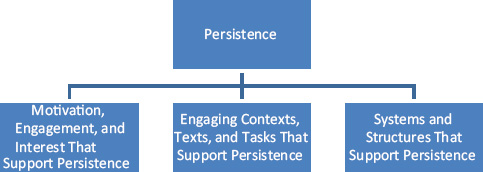
FIGURE 5-1 Factors that support or constrain persistence in learning.
the goals people set are related to their sense of self-efficacy, or perceived ability to perform well on a task, and the value they assign to the task. Second, although often discussed as stable attributes of an individual, a person’s self-efficacy, self-regulation, goal orientation, and so on can differ depending on the context and the activity. Third, each of these contributors
BOX 5-1
Design Principles from Research on
Motivation, Engagement, and Learning
• Develop self-efficacy and perceptions of competency.
• Help learners set appropriate and valuable learning goals.
• Set expectations about the amount of effort and practice required to develop literacy skills.
• Help learners develop feelings of control and autonomy.
• Foster interest and develop beliefs about the value of literacy tasks.
• Help learners monitor progress and regulate their behavior toward goal attainment.
• Teach students to make adaptive attributions for successes and failures.
• Provide learners’ with opportunities for success while providing optimal challenges to develop proficiencies.
• Foster social relationships and interactions known to affect learning.
• Use classroom structures and select texts and materials to help learners identify with learning and literacy tasks that counter past negative experiences with schooling.
• Assist with removing barriers to participation and practice to ensure that learners have the motivating experience of making progress.
• Give learners access to knowledgeable and skilled teachers and appropriately designed materials.
BOX 5-2
Directions for Research on the Motivation, Engagement,
and Persistence of Learners in Literacy Instruction
• Experiments to identify instructional approaches that motivate engagement and persistence with learning for low-literate adults. The interventions should aim to understand how individual, social, cultural and systemic influences interact to affect persistence. The research should focus at the task and instructional program levels. It should also evaluate ways to support students in meeting immediate literacy goals and sustained learning to meet longer term literacy needs.
• Development of measures to assess student motivation and test hypotheses about how to motivate adult learners’ persistence. Reliable and valid measures are needed to assess motivation and related constructs, such as engagement and interest, which are geared toward the adult literacy education context. These measures need to be developed for use in intervention research at the task, program, and sustained learning levels.
• More thorough understanding of adult learners. Rich descriptive information is needed of learners’ circumstances and contexts (e.g., educational experiences, job, family, health), and how these relate to the effectiveness of various strategies to support engagement and persistence in adult literacy instruction.
• How the various components of motivation relate to one another to affect persistence in the adult instruction context. Constructs and models of motivation need to be clarified, applied, and tested in the context of helping people to persist in adult literacy education.
• Texts and tasks for adult literacy instruction. It is important to understand how the texts and tasks made available to learners, and how their perceptions of these texts and tasks affect motivation to persist, even in the face of linguistic and cognitive challenges.
• Group differences and similarities in the factors that influence motivation to persist with learning, reading, and writing. Although principles of motivation apply across populations, group differences in persistence can be expected according to age and other characteristics of the learner.
• Technology. Key areas for study are the features and formats of technologies that motivate persistence and the best ways to introduce technologies and support their use. Outcomes that may be measured include attitudes toward literacy, task enjoyment, perceived task difficulty, expectations for success, and literacy skills.
• Conditions that motivate enrollment in literacy courses. The circumstances (e.g., mandatory enrollment) and incentives that affect decisions to enroll in literacy courses must be determined both to influence enrollment and identify moderators of instructional effectiveness.
• Development and implementation of support systems for motivating persistence. The contexts, texts, tasks, systems, and structures of adult literacy instruction require as much research-based attention as do the individuals who must persist in learning.
is amenable to change and is developed and affected by various aspects of the learner’s environment.
When learners expect to succeed, they are more likely to put forth the effort and persistence needed to perform well. More confident students are likely to be more cognitively engaged in learning and thinking than students who doubt their capabilities (e.g., Pintrich, 1999; Pintrich and Schrauben, 1992; Schunk, 1991). Indeed, self-efficacy is a strong predictor of many educational, physical, and mental health outcomes (Bandura, 1997) and has been associated with better literacy skills (Pajares, 2003). Self-efficacy beliefs relating to the ability to write, for instance, have been associated with better writing performance (see Pajares, 2003), whereas apprehension about writing usually predicts weak performance in writing (e.g., Madigan, Linton, and Johnston, 1996).
Self-efficacy is often confused with global self-esteem. Whereas self-efficacy refers to learners’ beliefs about their abilities in a certain area, such as literacy, or their ability to complete a specific type of literacy task (e.g., writing short stories, reading the newspaper, reading a mystery novel, reading and comprehending an instruction manual), global self-esteem refers to how one feels about oneself generally (Crocker, Lee, and Park, 2004; Wigfield and Karpathian, 1991; Wylie, 1979). It is possible to have high self-esteem generally while having low self-efficacy in one domain. Whether or not low self-efficacy in one area affects global self-esteem depends partly on how important that particular skill or behavior is to the person’s identity and goals and whether it is valued by the people that matter to the learner (Harter, 1999; Roeser, Peck, and Nasir, 2006).
Self-efficacy and self-esteem also relate differently to learning and other outcomes. Whereas self-efficacy in a particular domain, such as education or health, relates positively to outcomes in that domain, the relation between general self-esteem and any given outcome is weak. Indeed, there is little evidence that enhancing students’ general self-esteem leads to increases in achievement (Baumeister et al., 2003; Wylie, 1979). Thus, although raising general self-esteem often is promoted as a panacea, the actual relations between self-esteem and beneficial outcomes are minimal (Baumeister, Smart, and Boden, 1996; Kohn, 1994).
Many adults are likely to have experienced difficulty with literacy starting in childhood (Corcoran, 2009). It can be expected that some adults enter literacy education questioning their ability to learn to read and write. Many may not have the confidence to enter literacy education programs, and, if they do enter, lack the self-efficacy needed to persist. How, then, might teachers increase self-efficacy? Research points to three areas that
require attention: (1) setting appropriate goals, (2) provision of feedback to achieve appropriate attributions for success and failure, and (3) progress monitoring.
Appropriate Goals
Goals are extremely important in motivating and directing behavior (Austin and Vancouver, 1996). Adults often have very general ideas about why they need or want to learn to read or write. Instructors need to assist learners with breaking down their learning goals into short-term literacy goals (i.e., proximal goals) and long-term literacy goals (i.e., distal goals) to motivate persistence and progress. Setting proximal goals, not just distal ones, is much more likely to result in experiencing success, which enhances self-efficacy (Schunk, 1991). Opportunities to achieve short-term goals are especially motivating in complex domains such as reading and writing, in which substantial time and effort are required and reaching distal goals can take months or even years (Schunk, 2003).
Supporting students’ awareness of progress week by week can motivate persistence. As students reach proximal goals and recognize that short-term achievements are the path toward reaching long-term goals, they will be motivated to set and work toward new goals and thus continue to learn. In contrast, if focused only on distal goals, students can become frustrated with what appears to be minimal progress, and so self-efficacy and then persistence may suffer.
Learning proceeds best if students engage in activities that afford opportunities to be and feel successful but that also develop new proficiencies. People persist at a task when the activity is optimally challenging, meaning that the activity is well matched with the person’s skill level (e.g., Csikszentmihalyi, 1975; Csikszentmihalyi, Abuhamdeh, and Nakamura, 2005; Deci, 1975; Payne et al., under review). People also attempt to regulate learning so as to allocate effort to material and activities that are neither too easy nor too hard (Kornell and Metcalfe, 2006; Metcalfe, 2002; Metcalfe and Kornell, 2003, 2005; Son and Metcalfe, 2000). Allocating attention in this way to optimize learning may be especially important for older adults (Miles and Stine-Morrow, 2004). One strategy to encourage persistence is to help learners set short-term, or proximal, literacy goals that are optimally challenging and reachable within a short period of time (Manderlink and Haraciewicz, 1984; Schunk, 1991, 1996). Appropriate scaffolding can support learners in moving toward those goals (Bruner, 1960; National Research Council, 2000; Vygotsky, 1978) and experiencing the motivating positive affect that comes from success.
Research on goal orientation theory (also referred to simply as “goal theory”) has identified the personal goals that motivate learners to achieve
and that are shaped by aspects of their environment (e.g., classroom learning environments) (Ames, 1992; Ames and Ames, 1984; Midgley, 2002). Personal goal orientation refers to learners’ individual beliefs about their reasons for engaging with academic tasks; goal structures refer to students’ perceptions of the goals that are emphasized in such environments as classrooms (Anderman and Wolters, 2006; Midgley, 2002). In research on achievement motivation, personal goal orientations are often broken down into three types of goals: mastery goals, performance-approach goals, and performance-avoidance goals. An additional type of goal, discussed further in the next section, is extrinsic goals in which individuals engage with a task to achieve or earn some type of reward (Anderman, Maehr, and Midgley, 1999; Pintrich et al., 1993).
When a student holds a mastery goal, he or she engages with a task (e.g., reading a book) in order to improve ability; the goal is to truly master the task. When students hold mastery goals, they use themselves as points of comparison (i.e., the student compares her or his present performance to past performance and gauges improvement in terms of self-growth) (Ames and Archer, 1988). The second type of goal is actually a class of goals referred to as performance goals. Conceptualizations of performance goals since the mid-1990s distinguish between performance-approach and performance-avoidance goals (Elliot and Harackiewicz, 1996; Middleton and Midgley, 1997). When a student holds a performance-approach goal, the goal is to demonstrate his or her ability relative to others. With performance-approach goals, students compare their own performance to the performance of other individuals, with the ultimate goal of demonstrating that the student is more competent (e.g., a better reader) than others. In contrast, when a student holds a performance-avoidance goal, the student’s goal is to avoid appearing incompetent or “dumb”; such students would want to avoid appearing to others as if they have poor literacy skills.
It is possible to structure learning environments to facilitate different types of goals in learners (Maehr and Anderman, 1993; Maehr and Midgley, 1996). Goal orientation theorists argue, and research has demonstrated, the goal structures that are emphasized in classrooms and schools predict the types of personal goals that students adopt (Anderman, Maehr, and Midgley, 1999; Maehr and Midgley, 1996; Meece, Anderman, and Anderman, 2006; Roeser, Midgley, and Urdan, 1996). Specifically, when students perceive a mastery goal structure, they perceive that mastery, effort, and learning for the sake of learning are stressed in the classroom by the instructor; when students perceive a performance goal structure, they perceive that learning is defined in terms of demonstrating one’s ability and other external consequences (Kaplan et al., 2002). If a teacher emphasizes the importance of mastering literacy skills, students are likely to adopt mastery goals; if a teacher emphasizes relative ability (i.e., the teacher
inadvertently makes comments that position adult learners as “good” or “bad” readers), students are likely to adopt performance goals. Mastery is also easier to link to successful behavior in life: people do well if they can comprehend instructions on the job and write reports that colleagues value, not because they got an A in a course.
In one literacy intervention based on goal achievement theory (e.g., Ames, 1992; Ames and Archer, 1988), Meece and Miller (1999) worked with elementary school teachers to develop literacy activities that involved reading extended passages of prose and writing detailed responses. When implemented well, students’ endorsement of performance goals decreased (i.e., students became less focused on comparing their own literacy skills to those of others), and work-avoidance goals decreased for low-achieving students.
Much research indicates that both students’ personal goals and their perceptions of classroom goal structures predict valued educational outcomes. Personal mastery goals have predicted adaptive outcomes that include persistence at tasks, choosing to engage in similar activities in the future (Harackiewicz et al., 2000), and the use of adaptive cognitive strategies and more effective self-regulatory strategies (Elliot, McGregor, and Gable, 1999; Meece, Herman, and McCombs, 2003; Wolters, 2004). Performance-avoidance goals consistently predict maladaptive outcomes that include increased use of self-handicapping strategies (Midgley and Urdan, 2001) and poor achievement (Skaalvik, 1997). Results for performance-approach goals are mixed, with some studies finding that their adoption is related to adaptive outcomes (Elliot, McGregor, and Gable, 1999), and others indicating that they are related to maladaptive outcomes (Middleton and Midgley, 1997; Wolters, 2004).
Personal goals tend to correspond with certain beliefs about intelligence that can affect self-efficacy. Carol Dweck and her colleagues have demonstrated that students hold incremental and entity views of intelligence. Students who hold an incremental view of intelligence believe that intelligence is malleable and that it is possible to learn just about anything; in contrast, students who hold an entity view of intelligence believe that intelligence is fixed, so a person cannot effectively learn more than they are naturally capable of learning.
Students who hold an incremental view of intelligence are likely to adopt mastery goals, and students who hold entity views of intelligence are likely to adopt performance goals (Dweck and Leggett, 1988). It appears possible, however, to alter beliefs about intelligence via interventions or manipulations (Dweck, 2008). For instance, feedback that focuses learners’ attention on the processes of learning, including the use of strategies, effort, practice, and the general changeable and controllable nature of learning, can foster more incremental views of ability with positive outcomes. One
challenge to implementing these practices, however, is that teachers may hold similar views about the malleability of intelligence, as in one study of two university teacher preparation courses (Moje and Wade, 1997). Although documented in only one study, adult educators may benefit from professional development to develop teaching practices that support students in developing personal mastery rather than personal performance goals.
The broader environments of learners also can affect how they think about themselves in relation to other groups and social systems, thereby influencing their goals. Markus and Nurius suggest that young people make decisions and set goals on the basis of who they think they might become or, alternatively, who they do not wish to become, thereby shaping their successes. Thus, this concept of “possible selves” (see Markus and Nurius, 1986) represents an important idea to pursue in research on self-efficacy and persistence with literacy education, especially among adolescents and emerging adults. A question is how to foster resilience—the capacity of those exposed to risk to overcome those risks and to avoid negative outcomes—which is known to help people cope and avoid negative outcomes in other areas that have included delinquency and behavioral problems, psychological maladjustment, academic difficulties, and physical complications (see Rak and Patterson, 1996).
By contrast, Ogbu (1987, 1993) argued that a “cultural frame of reference” shapes the school successes of different groups by positioning some groups in opposition to conventional notions of academic success, although his findings have been challenged by social and cultural perspectives on achievement (see Foley, 1999; Moje and Martinez, 2007; O’Connor, 1997), as discussed in later sections. Similarly, other psychological studies offer a challenge to Ogbu’s theories. Eccles and colleagues (e.g., Eccles and Midgley, 1989; Eccles et al., 1993a, 1993b), for example, suggest that a mismatch between formal school structures and adolescents’ development needs produces negative behaviors among adolescents, because, even as youth are exhorted to act as responsible, decision-making beings, the capacity to make decisions and plot a possible future is taken from them by overly controlled school environments. Thus, many adults who seek adult literacy instruction may not have had opportunities to envision and enact a wide range of possible selves and self-regulated practices in past schooling.
Research on possible selves (Kemmelmeier and Oyserman, 2001; Oyserman, 1987; Oyserman, Bybee, and Terry, 2003) reveals both the power of limiting social identities (negative gender, race, or class-based perceptions) and the potential for interventions (Oyserman, Brickman, and Rhodes, 2007; Oyserman, Bybee, and Terry, 2006) to help adolescent learners set goals and identify and monitor necessary life practices for persisting toward and attaining those goals. In general, a lack of understanding for
how to achieve desired goals ultimately chips away at motivation to persist because individuals often think they are taking appropriate steps toward goals, when, in reality, their daily practices interfere with taking appropriate and realistic steps toward achievement. Possible selves interventions have been documented to assist youth in clarifying their goals, evaluating their current practices, and developing plans for meeting goals (Oyserman, Brickman, and Rhodes, 2007; Oyserman, Bybee, and Terry, 2006). Similar interventions could be designed for adult literacy instruction in ways that would support both adult literacy educators and adult learners.
Beliefs about personal efficacy (and control) can decrease in older adulthood (Lachman, 2006; Miller and Gagne, 2005; Miller and Lachman, 1999), although individual differences are observed (e.g., adults with active lifestyles also have more positive self-efficacy beliefs; Jopp and Hertzog, 2007). Such beliefs can be modified, however, with cognitive restructuring (Lachman et al., 1992) and experience with cognitive tasks in which realistic goals are set and progress is monitored relative to those goals (West, Thorn, and Bagwell, 2003). Research shows it is important to attend to changing self-efficacy beliefs in adulthood: positive beliefs about one’s cognitive capacity in adulthood can affect performance by enhancing perseverance in the face of cognitive challenge (Bandura, 1989b) and by engendering the use of effective strategies for learning (Lachman and Andreoletti, 2006; Stine-Morrow et al., 2006a). Self-efficacy beliefs at midlife predict changes over time in cognitive ability (Albert et al., 1995; Seeman et al., 1996). Similarly, beliefs in one’s own capacity to be effective with cognitive activities (e.g., self-efficacy, control beliefs) predict cognitive and intellectual performance across the life span (Bandura, 1989b; Jopp and Hertzog, 2007; Lachman, 1983).
Altogether, research on goals and goal setting indicates that the instructional practices used in classrooms are likely to affect learners’ adoption of goals that affect self-efficacy. Goals should be optimally challenging to increase engagement and persistence with learning as well as progress. If instructors emphasize mastery, effort, and improvement, then students will be more likely to adopt personal mastery goals; the adoption of mastery goals subsequently predicts valued learning outcomes, including persistence at reading, choosing to engage in additional literacy activities in the future, and the use of more effective reading strategies. If, however, instructors emphasize grades, relative ability, and differences in progress and achievement, students will be more likely to adopt performance goals (either approach or avoid) and experience maladaptive outcomes (e.g., use of less effective reading and writing strategies) (Ames and Archer, 1988; Anderman and Wolters, 2006; Nolen, 1988; Nolen and Haladyna, 1990). Thus, it is particularly important for adult educators to have training and professional development that helps them to recognize the importance of goal orientations and
structures and to become skilled in the use of instructional practices that will foster the adoption of appropriate goals and adaptive goal orientations and structures in their students.
Feedback and Framing: Adaptive Explanations for Success and Failure
Adaptive self-efficacy requires having fairly accurate perceptions of one’s current competencies, which in turn requires the opportunity to receive feedback and monitoring of progress. Overestimating one’s ability to read and understand a text, for instance, will not lead to engaging in the behaviors needed to develop new skills (e.g., Pintrich, 2000b; Pintrich and Zusho, 2002); similarly, underestimating one’s abilities may lead to coping or hiding behaviors that prevent the learner from making use of their existing skills and resources for learning (Brozo, 1990; Hall, 2007). Clear, specific, and accurate feedback that focuses on competence, expertise, and skill is needed to promote self-efficacy. The feedback should be appropriate to the learners’ level of progress and relate directly to the specific area that needs improvement, which requires sound assessment. Dynamic assessments, although they need further development, are promising in this regard because they can provide the feedback needed to target supports and instruction within the learners’ zone of proximal development (Vygtosky, 1978, 1986).
Experiences with learning can trigger questions such as: Why did I do badly? (after receiving a low score on an evaluation).Why can’t I understand this? (after failing to comprehend a paragraph). Why can’t I write sentences that make sense? (after being unable to write a coherent short story). The attributions students form in response to such questions will either motivate or demotivate their persistence. Those who have struggled with reading and writing and perhaps with continuing their literacy education in the past are likely to have formed attributions that lead to lack of persistence.
To persist, learners need feedback and models that help frame their experiences with learning and develop adaptive explanations for successes and failures. Consistent with attribution theory (Weiner, 1985, 1986, 1992), a learner who is experiencing failure or difficulty comprehending a text, for example, will be more likely to persist if he or she attributes the difficulty to something external (e.g., a boring text), something uncontrollable (e.g., being ill), or something unstable (e.g., feeling depressed that day). A learner who experiences success at a task will be more likely to persist if progress is attributed to something internal (e.g., personal enjoyment of reading), controllable (e.g., practice, spending a lot of time working on the text), and stable (e.g., a belief in one’s ability as a reader) (Schunk and Zimmerman, 2006).
Many adults in need of literacy development are likely to have experienced years of combined low interest, low perceptions of literacy ability, and poor achievement in literacy (Denissen, Zarrett, and Eccles, 2007). After experiencing years of difficulty with reading and writing, some adults can enter into each literacy task with the assumption that their capacities are limited, an assumption that threatens motivation to persist at the task and perhaps with literacy education in general (Brozo, 1990; Hall, 2007). Instructors can help adults to overcome the potentially demotivating effects of past experiences if they attempt to understand the learning histories of adults and actively seek to shape the attributions they could be making to explain their experiences during the course of instruction.
Students of all ages can find errors demotivating. Research from organizational psychology and adult training studies suggests the benefits of error management—that is, leading adults to expect errors as a part of the learning process and then providing strategies for coping with and learning from errors (Keith and Frese, 2008; Van der Linden et al., 2001). Likewise, in education, instructors need to know how to recognize and correct ingrained negative attributions by providing feedback that stresses the processes of learning, such as the importance of using strategies, monitoring one’s understanding, and engaging in sustained effort, even in the face of challenge. When a student does not experience success (e.g., is unable to make sense of the overarching point of a short story), instructors can help the learner employ reading strategies that can elucidate the meaning and provide a different frame for thinking about successful reading. With repeated reframing, instructors can help learners develop attributional styles that motivate persistence and move beyond dichotomous attributional frames (i.e., “the problem is entirely inside my head or the problem is entirely in the text, task, or setting”) and toward frames that allow learners to employ strategies and skills for constructing meaning in a wide range of literacy tasks.
If learners attribute poor performance on an assignment or assessment to uncontrollable circumstances, they may feel helpless and become less motivated to engage with literacy activities in the future (Anderman and Anderman, 2010). However, if the learners attribute poor performance to something controllable (e.g., a lack of appropriate effort or the use of inappropriate reading strategies), then motivation may not suffer, since the student should realize that exerting greater effort or using different strategies should lead to better results.
Vicarious experience (i.e., observing others successfully perform specific tasks or use specific strategies) (Bandura, 1997) is another way to frame learner’s attitudes toward learning and increase self-efficacy. For instance, instructors or students might model literacy strategies or other learning behaviors. This approach has been effective with struggling early adolescent readers using such methods as reciprocal teaching (Brown and Palincsar,
1982; Palincsar and Brown, 1984) or questioning the author (Beck and McKeown, 2002; McKeown, Beck, and Blake, 2009). It is always important, however, to adhere to good practice for modeling literacy strategies (Palincsar and Brown, 1984).
Attribution theory and research suggest that teachers can contribute to the development of negative attributions in a variety of ways. One obvious way is to communicate, intentionally or unintentionally, to learners that a reading problem is internal to them. Teaching practices that could build negative internal attributions include labeling readers and writers as strong or struggling; making obvious assignments of readers and writers to working groups by skill level; and encouraging some learners to excel, while exhibiting clearly low expectations for others. In addition, providing inadequate or no feedback can also signal the idea that skills are inherent and immutable. For example, if a teacher responds to an answer with, “No, that is wrong” and does not provide feedback or suggestions for development, then the student may develop or apply a maladaptive attribution (e.g., “I must be stupid”); an internal, stable, and uncontrollable attribution for failure that is unlikely to enhance motivation to read.
Progress Monitoring and Self-Regulation
Students who are self-regulating—who set goals, make plans for reaching their goals, and then monitor and regulate their cognitions and behavior—are more likely to do well on academic tasks. Although much research focuses on the cognitive aspects of self-regulation (e.g., use of cognitive and metacognitive strategies during reading and writing tasks), less attention has been paid to how students monitor and control their learning-related motivations and affect (Pintrich, 2003). They may need help, however, with recognizing and appreciating their progress so that they feel efficacious and persist.
Assessments of progress are important and are hallmarks of American education. However, the ways in which assessments are administered and the ways in which feedback is presented can have important effects on motivation. Discourse in the adult education classroom that stresses the importance of assessments and tests can lead students to adopt performance goals (Anderman and Maehr, 1994). As discussed previously, the adoption of performance goals is related to some problematic academic outcomes, particularly when students adopt performance-avoid goals (i.e., to avoid appearing incompetent) (Middleton and Midgley, 1997). When students are focused on how they compare to others academically, they may use less efficient cognitive strategies (Anderman and Young, 1994; Nolen, 1988; Nolen and Haladyna, 1990), and they may engage in various self-handicapping behaviors (Urdan, 2004; Urdan and Midgley, 2001; Urdan, Midgley, and Anderman, 1998).
A number of research-based instructional strategies for administering assessments can help to avoid demotivating students. First, results of assessments should be presented privately. The presentation of assessment results in a public manner is highly conducive to the adoption of performance rather than mastery goals (Anderman and Anderman, 2010; Maehr and Anderman, 1993). Second, whenever possible, adult educators should encourage students to focus on effort and improvement. Motivation is enhanced if students feel they can improve if they work hard at a task. If a student does not receive an acceptable score on an assessment, motivation research suggests that an effective strategy is to allow him or her to take the assessment again. As discussed further in the next section, intrinsic motivation is enhanced when students are rewarded on the basis of their improvement rather than absolute scores (MacIver, 1993) or other external rewards that can decrease effort and academic performance.
Intrinsic motivation refers to undertaking a behavior for its own sake, enjoyment, and interest and with a high degree of perceived autonomy—or willingness, volition, and control (Deci and Ryan, 1985). Students who are more intrinsically motivated or perceive their behaviors as autonomous show better outcomes for text recall (Ryan, Connell, and Plant, 1990), physical education high school coursework (Boiché et al., 2008), college student well-being (Levesque et al., 2004), and college course grades (Burton et al., 2006). Intrinsic motivation is affected by rewards for performance, the degree to which the learner values the learning activity and task, the learner’s interest in the activity or task, and opportunities for choice or other ways of participating in learning to develop autonomy.
Extrinsic Rewards
The effects of extrinsic rewards on perceptions of control and autonomy, and thus on the development of intrinsic motivation, are debated (Cameron and Pierce, 1994, 1996; Cameron, Banko, and Pierce, 2001; Deci, Koestner, and Ryan, 1999, 2001; Eisenberger, Pierce, and Cameron, 1999; Henderlong and Lepper, 2002; Kohn, 1996; Lepper, Greene, and Nisbett, 1973; Lepper and Henderlong, 2000; Lepper, Keavney, and Drake, 1996; Ryan and Deci, 1996). Some argue that extrinsic incentives are not harmful to intrinsic motivation (e.g., Cameron, Banko, and Pierce, 2001; Eisenberger, Pierce, and Cameron, 1999), and others argue that they ultimately lower intrinsic motivation. The case against extrinsic rewards has been confirmed in a meta-analysis of 128 experiments (Deci, Koestner, and Ryan, 1999; see also Deci, Koestner, and Ryan, 2001). For instance, extrinsic rewards can lead to more rigid, less flexible, and slower problem solv-
ing (e.g., Glucksberg, 1962; McGraw and McCullers, 1979). Performance decrements can result from large financial incentives (Ariely, Gneezy, and Lowenstein, 2009). Undermining effects have been especially prominent under certain conditions: when the rewards were salient (Ross, 1975), expected (Lepper, Greene, and Nisbett, 1973), or contingent on doing a task (Deci, 1972). One possibility is that extrinsic rewards thwart the person’s sense of autonomy and control (intrinsic motivation), as has long been hypothesized (see de Charms, 1968; Heider, 1958).
The conditions under which extrinsic rewards or incentives for adults affect their participation and persistence in adult literacy programs are not known. State and federally funded adult literacy programs at times offer incentives for enrollment. For example, many adult education courses, which include various courses in literacy, are provided free of charge in the city of Philadelphia. In this type of program, the concept of incentive was reframed as an opportunity that made it possible for adults to enroll in the courses (i.e., the payment was provided prior to enrollment, thus affording opportunity). When opportunities, such as support for child care, coverage of costs of enrollment, or replacement of lost wages are used up front to minimize barriers to participation, such opportunity enhancers may not have the negative impact documented for simple extrinsic rewards. By contrast, other programs provide incentives upon completion of programs or during program participation.
Research suggests that some type of opportunity or incentive system will continue to be used, and in some instances they may have positive effects. For example, the state of Tennessee recently implemented a cash-incentive program (i.e., students received cash incentives for participating in adult education classes); the results of a nonexperimental study suggested that the introduction of rewards was related to achievement and to passing the general educational development examination among welfare recipients (Ziegler, Ebert, and Cope, 2004). The issue of the effects of various types of incentives is complex in the context of understanding persistence in adult literacy programs and is worthy of further research to determine the conditions under which some types of incentives might motivate certain learners under particular circumstances.
Research suggests, however, that if students enroll in adult literacy courses simply to be able to obtain an extrinsic reward, such as job referrals, their motivation to subsequently use and engage with subsequent literacy activities may diminish or be undermined once the reward (i.e., a job or a job placement referral) is received. Although the aim of adult literacy programs may be to enhance the literacy skills of adult learners, it is possible that some types of rewards might undermine their motivation to continue to read or write for other purposes, but this is an open research question. If extrinsic incentive programs are offered, then research clearly
indicates that it is important to implement such programs in a way that enhances engagement so that any intrinsic motivation toward literacy is not diminished. Specifically, extrinsic rewards should be presented so that students perceive them as providing information about their progress rather than as controlling their behavior (Deci and Ryan, 1987; Pittman et al., 1980). The reward should be contingent on the student’s having learned specific literacy skills or reached specific goals, rather than for simply engaging with or completing a literacy task or course, which is more likely to be experienced as controlling (Deci, 1975; Deci and Ryan, 1987). For instance, if the reward provided by an adult education course is a job referral, then the job referral should be offered for having learned specific skills (e.g., being able to write a coherent essay), not for merely having completed a set of tasks (e.g., completing all exercises in a course). In this case, the learner’s intrinsic motivation is less likely to be undermined because he or she is likely to perceive the reward to be a natural consequence of having learned specific skills.
In sum, it is not completely clear, especially in the context of adult literacy education, how extrinsic rewards contribute to persistence when used in conjunction with other practices known to develop a person’s autonomy, interest, and beliefs about the value of the behavior to be performed. Research is needed with adults to determine more fully how various types of rewards combine with other factors to support and maintain student motivation and persistence. The effects of rewards and incentives are likely to differ depending on characteristics of learners and their circumstances.
Interest
Adult learners are likely to put forth more effort and stay engaged in tasks they find interesting (Wigfield and Eccles, 1992). Researchers have made a useful distinction between personal and situational interest (Hidi and Harackiewicz, 2000; Krapp, Hidi, and Renninger, 1992; Renninger, 2000), which has implications for motivating adult learners. Personal interest is the interest that learners bring into classrooms; it represents long-standing preferences of learners. When students are personally interested in topics covered in reading passages, recall of the main ideas of the passages is enhanced (Schiefele, 1996a) and subsequent motivation in related texts is maintained (Ainley, Hidi, and Berndorff, 2002). In contrast, situational interest is transitive; it is the type of interest that is inspired by a particular event or characteristic of an experience, which might include features of a text or task. Situational interest is related to engagement with literacy activities in adult college students (Flowerday, Schraw, and Stevens, 2004) and in young children (Guthrie et al., 2006b). A student who has not previously expressed any interest in a skill, such as writing persuasive essays,
might become interested in the topic if presented in a manner that inspires interest (e.g., the opportunity to experience the value of the persuasive essay for college or job applications, changing public opinion, or simply self-expression).
The real challenge, however, is moving learners from situational to personal, or sustained, interest in a way that inspires persistence even when faced with challenging reading tasks or lack of background knowledge.
Guthrie and colleagues (2006a) have demonstrated how situational interest can be used to motivate initial reading and, with scaffolded knowledge development and the teaching of reading strategies, children can develop sustained interest and proficient skills necessary to read and learn in the domain of science. The value of giving readers opportunities to choose texts that connect with or expand their interests is a major finding of reading motivation research (Baker, 1999; Guthrie and Wigfield, 2000; Moje et al., 2010). When young readers are more engaged by the topic of a text, for whatever reason (i.e., to solve a problem or simply to read for amusement), they are more motivated to continue reading (Guthrie and Wigfield, 2000). Similarly, interest in the topic or purpose of a writing task predicts the writing performance of students in secondary schools (Albin, Benton, and Khramtsova, 1996).
Studies, mostly qualitative, on writing in adult education settings (Branch, 2007), on college freshman’s attitudes about their writing (Jones, 2008), and on basic writers’ sense of appreciation and motivation (McAlexander, 2000; Minnot and Gamble, 1991) suggest that instruction that facilitates motivation and investment in learning and increases a learner’s sense of ownership, involvement, and sense of self-efficacy contributes to successful ongoing learning.
To support persistence, adult literacy instructors can use easy and cost-effective ways to learn about students’ personal interests (e.g., asking them to share with the instructor only on a sheet of paper five topics they find personally interesting and five they view as boring). Instructors can use this information to select meaningful texts, tasks, and writing prompts and assignments to engage learners, support feelings of autonomy and control, and facilitate continued intrinsic motivation and engagement (Padak and Bardine, 2004). Situational interest can be generated and personal or sustained interest can be developed if instructors use well-written texts, videos, and graphics that incorporate vivid imagery and facilitate connectivity among ideas (Wade, Buxton, and Kelly, 1999).
A recent review identified six research-based strategies that literacy instructors can employ to enhance situational interest among students (Schraw and Lehman, 2001). These include (1) offering meaningful choices to students (e.g., allowing them to occasionally choose from among several texts), (2) using well-organized texts, (3) using texts that include vivid
imagery, (4) using texts about which students have some prior knowledge, (5) encouraging students to actively and creatively think about the material they are reading, and (6) providing relevant cues for students (e.g., prompting them while reading or providing advance organizers to help make sense of the material).
Guthrie and colleagues’ work further demonstrates that when situated in interesting material, reading strategy instruction improved children’s motivation and reading skill. Specifically, Guthrie’s Concept-Oriented Reading Instruction (CORI)—tested with elementary school children—embeds the teaching of reading in cycles of activity that occur around particular science concepts. CORI involves firsthand experiences, reading, strategy instruction, peer collaboration, and public forms of communication. Key to the success of the CORI model is that instruction focuses on integrating instruction designed to motivate readers, develop conceptual knowledge in the domain, and foster the use of reading strategies. A year-long CORI intervention resulted in increased elementary school students’ strategy use, conceptual learning, and text comprehension compared with control classrooms (Guthrie et al., 1999).
Digital media are a promising way to give access to a broad range of text genres and topics to stimulate interest in reading and writing for all students, including adults. The use of digital technologies for exposure to genres and topics, for scaffolding, and for practice are likely to motivate interest in at least three ways: they are novel; they can ease the unpleasant parts of practice, and they can empower the learner through development of valued, relevant digital literacy skills.
Values
It is possible to distinguish between the motivating forces of value and interest. A person may persist with a task that is not initially intrinsically interesting if it is valued. Value refers to learners’ beliefs about whether a domain or task is (1) enjoyable (intrinsically interesting), (2) useful, (3) important to identity or sense of self, and (4) worth investing time in (Eccles and Wigfield, 2002; Eccles et al., 1983; Wigfield and Eccles, 1992, 2000, 2002). In fact, motivation research from an expectancy-value framework (Wigfield and Eccles, 1992) points to several potential paths for motivating adults to learn and maintain literacy skills. In this framework, expectancy beliefs, like self-efficacy, refer to learners’ beliefs about their abilities to succeed in an academic domain (e.g., writing) (Eccles et al., 1983).
Key to the theory is the idea that these dimensions work together; a less-than-skilled reader may nevertheless approach a difficult reading task with strong motivation to persist in the task if it is interesting, useful, or important to the reader’s identity. Moje and colleagues (2008), for example, il-
lustrated the value that adolescent readers attached to various texts because those texts taught them important life lessons or provided them information necessary for fitting in with a group or social network. Similarly, Dinsmore and colleagues (2010) demonstrated the multiple dimensions that motivate late adolescent readers (undergraduate students) who might lack reading skill to persist as “effortful processors” (Alexander, 2003) in the face of difficult text. Longitudinal studies have shown that value beliefs predict such choices as intentions to enroll in future mathematics courses and actual course enrollment, whereas expectancy beliefs relating to self-concept of ability predict achievement in English classes once enrolled (e.g., Durik, Vida, and Eccles, 2006). However, as previously discussed, recent evidence suggests that self-concept of ability, in particular, predicts both time spent in voluntary reading and achievement in both general and some domain-specific reading tasks (e.g., on science and social studies text passages), even more than time spent in voluntary reading (Moje et al., 2010).
Although valuing an activity is important for learning in the context of compulsory education, it is vital to persisting in adult literacy education (see Anderman and Anderman, 2010, for a review). When individuals value a particular literacy activity, such as reading about current events, they are more likely to choose to engage in it in the future (Meece, Wigfield, and Eccles, 1990; Wigfield and Eccles, 1992). Adults are likely to enter literacy instruction holding beliefs about the degree to which they value or like reading and writing and the types of literacy activities they value given that such beliefs form early in childhood and predict engagement with literacy activities in later grades (Durik, Vida, and Eccles, 2006).
To summarize, research suggests that if adults are enrolled in adult education courses and develop and maintain positive values about the literacy activities they engage in (i.e., they come to believe that the courses are useful, important, interesting, and worth their time), then they will be more likely to persist with learning. Although it is clear that instructors need to help their students develop these values and that the development (or internalization) of values relating to learning and literacy is possible, most of the relevant findings are drawn from populations other than adults needing literacy improvement, and more research is needed on how to affect adults’ values related to literacy and literacy tasks over time.
Control and Autonomy
When students (children and adolescents) believe that they have some control over their own learning, they are more likely to take on challenges and to persist with difficult tasks, compared with students who perceive that they have little control over their learning outcomes (Schmitz and Skinner, 1993; Skinner, 1995; Skinner, Zimmer-Gembeck, and Connell, 1998). A
controlling or pressured climate in a classroom (Ryan and Grolnick, 1986), home (Grolnick and Ryan, 1989), or work group (Deci, Connell, and Ryan, 1989) is known to decrease motivation to perform a variety of behaviors. The factors that promote versus diminish control and the motivating effects of autonomy have been studied in areas as varied as the following:
• parenting (Grolnick and Ryan, 1989),
• management (Baard, Deci, and Ryan, 2004),
• dentistry (Halvari and Halvari, 2006),
• environmental sustainability (Pelletier et al., 1999),
• sport (Chatzisarantis and Hagger, 2007),
• virtual worlds (Ryan, Rigby, and Przybylski, 2006),
• psychotherapy (Ryan and Deci, 2008),
• religion (Ryan, Rigby, and King, 1995),
• politics (Koestner et al., 1996), and
• friendship (Deci et al., 2006).
Experiencing higher levels of perceived self-control predicts numerous positive outcomes, among them engagement in school and academic achievement (e.g., Skinner, Zimmer-Gembeck, and Connell, 1998). Research in education settings with elementary students, high school students, college students, and medical or law school students has relied mainly on students’ reports about whether they perceive their learning behaviors to be autonomously driven or controlled. Students’ intrinsic motivation is higher when they are taught in classrooms in which instructors are perceived as being supportive of student autonomy (Deci et al., 1981). Teachers and parents of young adults and adolescents who provide more autonomy support, either on their own or after training, have students or children with a greater sense of autonomy, which in turn predicted better learning and performance in school, greater retention, higher well-being, persistence with finding employment, and pursuit of additional learning opportunities (Black and Deci, 2000; Hardre and Reeve, 2003; Niemiec et al., 2006; Soenens and Vansteenkiste, 2005; Vallerand and Bissonnette, 1992; Vallerand, Fortier, and Guay, 1997; Vansteenkiste et al., 2004). Similarly, children of teachers who were more supportive of autonomy were judged to be more competent and better adjusted (Grolnick and Ryan, 1987). Similar findings have emerged for students in professional schools (Sheldon and Krieger, 2007; Williams and Deci, 1996; Williams et al., 1997). The amount of autonomy any learner desires, however, appears to depend on how competent and self-efficacious he or she feels. If the task is new or especially challenging, an individual may appreciate having little autonomy.
Providing people with choice about what activities to do and how to do them can increase intrinsic motivation (Zuckerman et al., 1978). Intrinsic
motivation appears to be enhanced through choice when a moderate (and so not overwhelming) number of options are provided (Iyengar and Lepper, 2000). Motivation to learn in particular is enhanced when students are able to make meaningful choices during instruction (Moller, Deci, and Ryan, 2006; Ryan and Grolnick, 1986). This is clear from studies of engaged reading and writing among children and adolescents (Baker, 1999; Moje, Dillon, and O’Brien, 2000; Moje et al., 2008; Moje, Willes, and Fassio, 2001). Thus, to develop motivation, learners should be allowed to make some decisions about their instruction and control their outcomes (see Eccles and Midgley, 1989; Eccles et al., 1993a, 1993b; Urdan, Midgley, and Anderman, 1998).
It is important to note that building a sense of learner autonomy and control does not mean abandoning adults to learn on their own. There are a number of ways that adult education instructors can provide their students with opportunities to experience autonomy that do not require sacrificing such best practices as giving specific feedback, explicit and clear modeling of strategies, presenting challenging literacy tasks, and helping to monitor progress, all of which develop proficiencies and so support greater autonomy. The choices allowed can be quite small and still have important effects on motivation. Teachers can guide readers in making choices that expand exposure to different topics and genres and develop background knowledge and literacy skill. Other options can be provided to enable practicing skills within a known and comfortable genre or topic domain. Instructors can offer students guidance on how to make their own choices depending on what they need to practice, their skill levels, and their learning goals. It is possible for students to be involved with other small-scale decisions about instruction. For example, instructors can encourage adult learners to choose whether they want to work on a reading passage individually or in small groups, choose the order of activities during a class session, or choose the genre of the next text that they will read.
Providing a rationale for a task or behavior also can support perceived autonomy. For instance, Deci and colleagues (1994) found that providing a meaningful rationale for doing an uninteresting activity, acknowledging that participants might not want to do the activity, and minimizing the use of controlling language while highlighting choice led to increased reports of autonomy. There is a need for more research on promoting autonomous motivation, especially in the context of adult learning and literacy and its effects on learning outcomes. Overall, however, the existing evidence is consistent with the principle of creating learning environments that support learner autonomy.
Adult literacy educators should also assess the learning activities they have designed when students struggle to complete them; instead of the learner’s skill being compromised, it may be that the learning task is inappropriate for his or her development. The task of matching tasks to a
learner’s developing skill is extremely challenging and depends heavily on access to data on reading and writing skills, interests, knowledge, and needs. Adult literacy educators should also consider the role of the texts being used for instruction. Many school-based texts are poorly structured, dense, and devoid of the author’s voice (Anderson and Armbruster, 1984; Armbruster and Anderson, 1985; Chamblis, 1998; Chambliss and Calfee, 1998; Paxton, 1997; Schleppegrell, 2004), often creating confusion, misconception, or boredom for adolescent readers. The texts used for instruction in adult literacy courses are even more broad-ranging and complex than those of secondary education, thus potentially contributing to more challenges for learners. Adult literacy educators need to carefully analyze texts intended for instruction. Educators need to choose texts at a reader’s instructional level and encourage writing tasks appropriate to instructional levels. Texts and tasks also need to engage and interest the reader or writer.
SOCIAL, CONTEXTUAL, AND SYSTEMIC
MEDIATORS OF PERSISTENCE
While good instruction attempts to change individual beliefs and attitudes that can hinder persistence, it is also essential to attend to the broader environmental mediators of learning to support adults in attaining their learning goals (see McDermott, 1978; Moll and Diaz, 1993; Smith et al., 1993). Issues about systems and structures are highly relevant to persistence, especially because adults have many demands on their time (i.e., work, family responsibilities), but limited systematic intervention research is available to help address these issues. In this section we draw mainly from the literature in social psychology, anthropology, sociology, the learning sciences, and reading to identify features of the learning context, including social structures and systems, texts, and tasks with potential to motivate or demotivate adult learning and persistence.
Research conducted from anthropological and sociological perspectives seeks to describe conditions that may explain lack of persistence. The research has focused mainly on K-12 populations. What follows are findings from research about aspects of the learners’ contexts that can make attaining learning goals challenging for some populations and why youth (and by extension, perhaps, adults) may fail to persist and thus fail to attain their aspirations. They offer insights into ways to create more motivating learning conditions for adults and adolescents.
Formal School Structures and Persistence
Motivation, especially in adolescence, comes in part from personal perceptions of having a choice in one’s activities. Researchers have argued that the structures of rules, assignment of classes, and grading in secondary
schools match poorly with adolescent needs for more space in which to make and take responsibility for decisions about actions and self-regulation (Eccles and Midgley, 1989; Eccles, Lord, and Midgley, 1991; Eccles et al., 1993a, 1993b; MacIver and Epstein, 1993). Supporting this view, Connell and Wellborn (1991) found that young people’s beliefs—particularly those who are at risk (see Connell, Spencer, and Aber, 1994)—about their ability to control, and thus self-regulate, academic and social outcomes depended on the availability of contexts and experiences that allowed them some autonomy while also guiding and facilitating their decision making. Similarly, Werner’s (1984) research on resilience suggests that youth who are required to engage in activities that help others (e.g., working to support family members, etc.) are more resilient, or persistent, in the face of challenges. Research also suggests that ability grouping and other related practices may have negative side effects on resilience and self-regulation (Blumenfeld, Mergendoller, and Swarthout, 1987; Guthrie et al., 1996; Urdan, Midgley, and Anderman, 1998; Wilkinson and Fung, 2002). This research is worth pursuing further in order to clarify the ways in which the design of school environments and processes can support or inhibit the development of self-regulatory capabilities that are needed in order to engage in literacy practice.
Students who see themselves as marginalized resist mainstream school structures and practices in ways that often reproduce their own marginalization and lack of attainment. These moves may appear to represent a lack of motivation. Willis (1977), for example, studied how two groups of boys in a British school appeared to be unmotivated to learn when in fact they were unmotivated to participate in social structures that they felt were inequitable. Similarly, MacLeod’s (1987, 1995) analysis of two groups of young men of the same social class but of different races documented the low attainment and lack of resilience or persistence in the two groups (MacLeod, 1995). Although all the youth in his study struggled in school, those who lacked awareness of how their racial and class status shaped their treatment were more likely to fail in the long term.
These studies of how both social structures and the corresponding structures of formal schooling shape aspirations, persistence, and attainment shed light on why some adolescents and adults in literacy programs may have left school and how their motivation to learn may have been, and may continue to be, compromised. As a result, these studies offer important implications for different ways of structuring adult literacy programs, especially when considered in concert with psychological perspectives on autonomy and intrinsic motivation, already reviewed.
Cultural and Linguistic Differences
Some of the most compelling anthropological studies of education include micro-ethnographies that have focused on how linguistic and cultural
difference played a part in young people’s school successes and failures (see Erickson and Mohatt, 1982; Gumperz, 1981; Philips, 1972, 1983). These studies illustrated ways in which students from other than white middle-class groups struggled in the classroom because they did not possess “communicative competence” (Cazden, Hymes, and John, 1972). In other words, they did not use the language, gestures, or even body cues (e.g., making eye contact) that their teachers and other students understood as part of the proper classroom norms.
Heath’s (1983, 1994) study of the language, literacy, and cultural practices of three communities augmented this research by asserting that the young people in the working-class communities were marginalized because schools valued the linguistic and symbolic capital of the children from the middle-class community. Mehan, Hertweck, and Meihls (1986) illustrated the “mediating mechanisms” of school practices, such as tracking, ability grouping, and evaluation, which affect the different kinds of cultural capital that students bring or do not bring to their school practices. They argued that the ways children use their cultural capital have less to do with their social background or ability than with what teachers and other school personnel do to work with and build cultural capital among students.
Social Relationships and Interactions
According to sociocultural theories of literacy, reading and writing are activities that participants perceive to have meaning in specific social and cultural contexts, which impart their own motivations (see Heath, 1983; Scribner and Cole, 1981). Classroom collaboration is one such activity because it fosters discourse practices in the community, from which the participants derive motivation. Research from varied disciplines points to several ways in which interpersonal or group activity—variously termed “cooperation,” “collaboration,” and “collective struggle”—is likely to motivate persistence and goal attainment.
First, it is important for students to interact in a learning community as they use literacy to research and solve problems (see Garner and Gillingham, 1996; Mercado, 1992; Moll and Gonzales, 1994; Moll and Greenberg, 1990). Learning environments and experiences that help establish positive relations with others while developing competence in particular skills also shape engagement, motivation, and persistence (see Guthrie et al., 2004; National Research Council, 2000; Palincsar and Magnusson, 2005). In fact, McCaslin and Good (1996) argue for reconceptualizing the idea of self-regulation by positing the notion of coregulation. Specifically, classroom teachers and researchers should examine how regulating one’s learning activity is dependent on the social interactions and relationships developed in classroom settings. Engaging learners in working together may have positive social and literacy learning benefits.
A common means for enhancing engagement and persistence is to have learners work together. In learning to write, collaborative arrangements in which students work together to plan, draft, revise, or edit their texts have a positive impact on the quality of their writing, as illustrated in a meta-analysis by Graham and Perin (2007a). A distinguishing feature in these studies was that collaborative activities that students engaged in were structured so that they clearly knew what they were expected to do as they worked with others.
One challenge to the motivating effects of social interaction and group work, however, is the possibility for actual or perceived negative perceptions and actions on the basis of differences, particularly race, gender, sexual orientation, and social class. Among adults, these effects have been observed in many settings, as theories of status and related performance expectations have demonstrated (e.g., Ridgeway, 2001; Ridgeway et al., 1998). In classrooms, Cohen and colleagues (Cohen, 1994; Cohen and Lotan, 1997) provide evidence that the structure of the task and the nature of the group composition can exacerbate or mitigate perceived status differences and their negative effects (see also Wilkinson and Fung, 2002).
Models of group engagement around a task, or what is sometimes referred to as collective struggle, appear to be important to supporting youths’ aspirations and attainment. In contrast to Ogbu’s (1978, 1987, 1991, 1993) research suggesting that an awareness of oppression contributes negatively to students’ lack of resilience and achievement in school, O’Connor (1997) found that a sense of the importance of collective struggle, combined with role models who demonstrated how to challenge oppressive practices in positive ways, contributed to the high resilience and achievement among the 47 black students she studied. Specifically, what distinguished high-achieving adolescents from the larger group was their access to family members and community structures that modeled positive struggle and resistance in the face of oppression (see Ward, 1990).
Similarly, in their analysis of various community-based education and activity programs, Heath and McLaughlin (1993) and Lakes (1996) illustrated that when provided opportunities for engaging in participatory, action-oriented learning and acts of required helpfulness (Werner, 1984), young people were able to engage in identity construction that supported persistence, motivation, resilience, and attainment in school and social settings.
These studies suggest that adult literacy programs might benefit from engaging learners in opportunities to use reading and writing to examine social and political issues of interest to them (see Freire, 1970, for an example of success in teaching basic reading skills to illiterate adult peasants in Brazil). A report of the National Research Council (2005) draws from a host of studies of how students learn in classrooms to of-
fer a basic design principle of learning environments and instruction as “community-centered,” thus supporting a “culture of questioning, respect, and risk-taking” (p. 13). Adults may become more engaged in reading and writing tasks that provide opportunities to work with other adults to solve real-world problems or allow them to make positive change in their living or work conditions. In addition to increasing the utility of literacy-based tasks and the sense of autonomy and control people have over their lives, collective literacy activities may provide them with the community support needed to persist in literacy learning even in the face of challenge.
Potentially Negative Effects of Stereotype
A robust literature on what Claude Steele and Joshua Aronson (1995) termed stereotype threat also offers important cautions in how teachers use group work of any size—from pairs to small groups to whole-class interactions. Stereotype threat is an individual’s concern that others in a group will judge her or him by a dominant stereotype (Steele, 1997). Stereotype threat has been documented as strong enough to disrupt performance and is typically heightened in situations in which individuals who might be connected with such a stereotype (e.g., “women are not good at mathematics”) represent only a small number in the overall group. For example, Steele and Aronson (1995) demonstrated that black college students who had demonstrated high capability in other testing situations performed poorly when told that their intelligence was being measured; these racial stereotype threats were documented among members of other racial and ethnic groups as well (see Aronson et al., 1999). Moreover, stereotype threat is not limited to racial stereotypes: gender and other aspects of difference have also been studied (e.g., Maas, D’Etole, and Cadinu, 2008). In other studies, researchers have situated members of racial, gender, and cultural groups in testing settings in which they are the numerical minority (e.g., small numbers of one group for whom a stereotype might be salient in large groups of students who might hold that stereotype; see Sekaquaptewa and Thompson, 2003) or have actively positioned groups against each other (e.g., women playing chess against men; see Maas, D’Etole, and Cadinu, 2008). In each testing setting, the group for whom a negative stereotype was activated, even in only implicit ways, performed worse than the other group and worse than they had in past testing situations.
Although most of the research on stereotype threat has been conducted in testing, game, or other high-pressure/high-stakes conditions, the consistent finding that stereotype threat can be activated by implicit statements and by group configurations has important implications for any adult literacy program in which groups come together from a variety of racial,
cultural, and linguistic backgrounds. This work also has important implications for mixed gender groups.
Importantly, stereotype threat studies have been conducted largely among college students at elite universities. Thus, the history of struggle that many who attend adult literacy programs bring into the classroom has the potential to further divide groups on the basis of race, class, gender, and skill differences. These studies suggest that what is known about how society typically values various social identities needs to be considered and planned for in enacting opportunities for group work.
Indeed, available research suggests that stereotype threat can compromise learning in adult populations precisely because it can be triggered by age. In Western culture, education is often highly age-segregated (Riley and Riley, 1994, 2000) in being most strongly associated with childhood and early adulthood, and adult participation in formal instruction may be perceived to be “off-time.” Stereotypes associated with adult learners, aging learners, and/or minority learners may constrain the effective allocation of attention needed to perform well on a task and impact self-regulation (Hess et al., 2003; Rahhal, Hasher, and Colcombe, 2001; Steele, 1997).
There is evidence that when stereotypes are activated (i.e., features of the stereotype that are relevant to the learner are made salient), working memory resources that are needed for effective performance may be consumed with distracting thoughts (Beilock, 2008; Beilock, Rydell, and McConnell, 2007; DeCaro et al., 2010). Stereotype threat may also make it more difficult for learners to use automatic attentional mechanisms (Rydell et al., 2010). It can be activated by seemingly innocuous features of the learning situation, like reporting one’s gender on a mathematics test, but also by teachers’ own anxieties about stereotypes (Beilock et al., 2010). Because such worries about whether one will confirm a stereotype to some extent involve inner speech, interventions that promote task-focused verbalizations have been found to mitigate against stereotype threat (DeCaro et al., 2010).
Social and Systemic Supports for and Barriers to Persistence
When designing adult education programs, it is important to consider the contexts of adults’ lives and how to remove demotivating barriers to access and practice (Hidi, 1990; Krapp, Hidi, and Renninger, 1992). For adults to consider enrolling and continue participating in adult literacy courses, they must perceive the courses as being important, useful, interesting, and worth the investment of time (Wigfield and Eccles, 1992). They must also believe they can handle the short-term consequences of spending time on literacy improvement.
In fact, people selectively allocate resources to prioritize important
goals, balancing responsibilities across work, family, parenting, community, and so on. Resources are also adaptively allocated across different functional domains: cognitive, physical, and emotional (Li et al., 2001; Riediger, Li, and Linderberger, 2006; Schaefer et al., 2008). So, for example, in the face of physical threat (health, safety, security) cognitive resources may be directed away from cognitive activities and toward changing conditions to protect physical well-being. Effective functioning in adulthood requires selectively allocating effort toward the most important and pressing goals in accord with the opportunities available (Heckhausen, Wrosch, and Schulz, 2010), and well-being appears to be enhanced in adulthood among those who engage in such “selective optimization” (Baltes and Baltes, 1990; Freund and Baltes, 1998, 2002; Riediger, Li, and Lindenberger, 2006; Wrosch, Heckhausen, and Lachman, 2000). In this light, lack of persistence in adult literacy instruction, while appearing to be a poor choice, actually may be a self-regulated, adaptive response to the constraints of competing pressures, demands, and trade-offs.
Descriptive data from intensive interviews collected from 88 adults in rural Kentucky reveal several factors that can affect decisions about whether or not to enroll in adult literacy classes despite being eligible for reduced fees (Anderman et al., 2002). Because local economies had been devastated, adults perceived that jobs would not be available at that time even if they earned a GED. Older interviewees reported that there was less stigma related to not completing high school in the past, and consequently they felt less reason to enroll in adult education courses in the present; they did not believe that adult literacy courses would be useful to them. Women, but not men, said they would attend to help their children with school. These and other findings from this research illustrate the value of conducting research to better understand the factors that motivate or demotivate the potential market for adult literacy programs. These interview responses are consistent with other research on how adults analyze such trade-offs: there is evidence that investment in goals perceived to be attainable is beneficial, but that perseveration in striving for goals incongruent with available opportunities can negatively impact well-being and mental health (Heckhausen, Wrosch, and Schulz, 2010). If the individual comes to believe that the opportunities to achieve the goal are unavailable, goal disengagement is likely, in which the goal itself is devalued.
Significantly, child care emerged in this and other descriptive studies as a serious practical issue that affects participation and persistence. It is likely that programs to increase the availability of child care, particularly at no cost or at reduced rates, would greatly facilitate the participation of many adults.
Longitudinal studies have examined people’s motivation to persist in adult literacy programs (Comings, 2009). In the most recent report, per-
sistence was related to variables that included (1) having previously engaged in learning experiences after formal schooling, (2) having a strong social support network, and (3) having a personal goal (e.g., helping one’s children or obtaining a more lucrative job). In contrast, persistence was undermined by the demands of everyday life, low levels of social support, and lack of motivation.
Studies on motivation and adult literacy are scarce (Comings and Soricone, 2007). The principles outlined in this chapter are offered with the caveat that, although they are well researched with other populations, on other targeted skills, and in other settings, they must be studied further with many different groups of adult literacy learners in their varied learning environments. It is likely that significant advances can be made in understanding how to motivate adult learners to persist if interventions aim to understand how individual, social, cultural, and systemic influences interact to affect persistence (for a similar view, see Pintrich, 2003). Research in the following areas is especially needed.
Experiments to identify instructional approaches that motivate engagement and persistence with learning for low-literate adults. Experiments, including randomized controlled trials, are needed to learn how to implement and structure instruction to motivate engagement, persistence, and progress. The committee found only a handful of randomized controlled trials focused on motivation and self-regulated learning for adolescents or adults (e.g., Oyserman, Brickman, and Rhodes, 2007; Oyserman, Bybee, and Terry, 2006) and none focused on motivation or persistence in the context of reading and writing performance of adolescents and adults, other than studies of adolescents in middle and high school education settings. Randomized studies of literacy have been conducted with younger populations (e.g., Justice et al., 2008; Kemple et al., 2008), but research with adult populations is mainly descriptive or quasi-experimental. Although true randomization conditions are difficult to establish, studies that incorporate wait-list control designs (in which control groups receive the experimental approach at a later time) could be an alternate approach that would benefit both researchers and future adult learners.
As noted by Maehr (1976), continuing motivation to learn is an often neglected but extremely important educational outcome, since adults often hope to continue learning independently between bouts of program attendance. Thus, experimental research is needed that not only evaluates ways to help students develop proficiencies for meeting an immediate literacy goal, but that also encourages continued learning to meet longer term literacy needs.
Development of measures to assess student motivation and test hypotheses about how to motivate adult learners’ persistence. One reason for the limited experimental research could be the lack of reliable and valid measures for assessing motivation and related constructs, such as engagement and interest. Providers of adult education need standard ways to assess the specific motivational needs of their students to inform the use of practices that meet such needs. Although many general motivation measures have been developed in research on goal orientation theory (Midgley and Urdan, 2001), expectancy-value theory (Jacobs et al., 2002), and self-efficacy (Bandura, 1997), with few exceptions (e.g., Moje et al., 2008) most are not geared toward assessing adult motivation toward literacy. The few promising instruments that exist could be developed further and specifically for adults seeking literacy instruction. For instance, one reliable and valid measure of adult reading motivation contains subscales that assess reading efficacy, reading as part of one’s identity, reading for recognition, and reading in order to excel in other life domains (Schutte and Malouff, 2007). It would be especially helpful to have ways to measure actual persistence in literacy tasks in addition to survey or other self-report data. There is reason to think that perception of effort does not always relate directly to extent of effort (Steinberg, Brown, and Dornbush, 1996).
Qualitative and mixed methods for more thorough understanding of adult learners. Qualitative studies of adult literacy and mixed-methods approaches are needed to ascertain more about learners’ motives and circumstances and how these relate to the effectiveness of various strategies for influencing motivation, engagement, and persistence (e.g., Anderman et al., 2002). For instance, the mixed quantitative-qualitative approach to examining motivation to enroll in adult literacy courses among eligible adults in Kentucky was particularly useful, since many of the participants did not have basic literacy skills and thus could not complete survey instruments, despite being eager to participate. Use of qualitative methods allows researchers to more thoroughly examine the effects of people’s life contexts (e.g., jobs, families, health issues) on their decisions to enroll in and persist in adult literacy courses than relying only on quantitative methods, such as surveys.
Research on how the various components of motivation relate to one another to affect persistence. Different theories of motivation invoke an array of similar constructs that partially overlap and that make different hypotheses about how the components of motivation relate to one another to affect behavior. Models of motivation need to be applied and tested in the context of helping people to persist in adult literacy education.
Research on texts and tasks for adult literacy instruction. Many features of a text or task can motivate or demotivate a reader to persist in the face of reading challenges (Moje, 2006b). And these features change
dramatically as children become adolescents and move through the grades from primary to secondary school. In adolescence and adulthood, reading demands are shaped by knowledge domains, each with specific types of texts and with expectations—often unspoken—for the kinds of texts to be read and written. It is important to understand how the texts and tasks made available to learners and how their perceptions of these texts and tasks affect motivation to persist, even in the face of linguistic and cognitive challenges. What tasks will engage learners in questions of interest to them (see Goldman, 1997; Guthrie and McCann, 1997; Guthrie et al., 1996)? What texts are available to learners in formal adult literacy programs? What texts typically are used and how? What texts should be used and how? A range of research methods should be used to investigate these questions, including large-scale surveys and inventories of the texts available and used for instruction in adult literacy settings; in-depth qualitative and ethnographic studies of how texts are used and perceived by adolescent and adult learners; and small-scale experimental studies that manipulate tasks and text types with different types of readers to ascertain more and less engaging text styles, types, and content.
Studies of group differences and similarities in the factors that influence motivation to persist with learning, reading, and writing. Although principles of motivation apply across populations, group differences in persistence can be expected according to age and other characteristics of the learner. Research is needed to understand how to address the particular challenges some learners have with motivation and persistence. This need is illustrated in research on writing: self-efficacy for writing declines with age in some studies and increases in others (see Pajares, 2003, for a review); similar mixed findings have been found for attitudes toward writing, with declines evident in some studies (e.g., Knudson, 1991, 1992) but not others (e.g., Graham et al., 2003; Graham, Berninger, and Fan, 2007; Graham, Harris, and Olinghouse, 2007). Several studies show that interest in writing develops over time (Lipstein and Renninger, 2007; Nolen, 2003). One’s attributions for success with writing may also vary with age: younger students in one study were more likely than older ones to give higher ratings to effort and luck as a cause of success (Shell, Colvin, and Brunning, 1995). Research on adult training in the workplace also suggests that the age diversity of classrooms could have negative effects on learning and that the learning environment may be more favorable for older students if structured to avoid unfavorable social comparisons, such as those related to speed of learning that might lower self-efficacy.
Technology. Technology use for older learners needs to be studied with attention to the features that motivate persistence and how technologies are best introduced and their use supported. Research is needed on how different technology formats influence conceptions and attitudes toward
literacy, such as task enjoyment, perceived task difficulty, and expectations for success, and how these attitudes in turn relate to literacy outcomes.
Research to identify the conditions that affect motivation to enroll in adult literacy courses. The effects of compulsory enrollment on motivation and learning should also be studied. The circumstances and incentives that affect decisions to enroll in literacy courses needs to be determined both to influence enrollment and to identify moderators of instructional effectiveness. In the job context, for instance, organizations often require their employees to attend job-related training programs, but the mandatory enrollment can promote feelings of external control and reduce motivation during training. Findings by Baldwin, Magjuka, and Loher (1991), Guerrero and Sire (2001), and others (see Mathieu and Martineau, 1997), for example, show that employees who are not allowed to decide whether to attend an organizationally sponsored or supported training program reported lower levels of motivation for training than employees who were allowed to participate in the enrollment decision. Consistent with motivational theories that emphasize self-determination and findings on the role of participation in goal setting, adults who are allowed to participate or control the decision are also more likely to report higher levels of training commitment, to allocate more time and effort to attending classes, and to spend more time engaged in on-task learning activities than adults who are not allowed choice over enrollment.
Development and implementation of support systems for motivating persistence. In educational settings, a student’s family and peers are often identified as key influences on learning motivation. In the working adult’s environment, family members, supervisors, and coworkers also exert important influences on motivation related to training and development. Research is needed to determine if sustained engagement with learning is helped by establishing appropriate expectations about the amount of time and effort that will be required to meet the learners’ literacy goals and by providing support for overcoming logistical difficulties. Encouraging significant others to participate in pretraining could also help to clarify the demands and the role of social support for learning and practice.
A final point about needed research on the barriers to persistence is critical: although research on individual motivation, engagement, and interest is useful, it is unlikely that adolescents and adults with pressing social, familial, and economic demands on their lives will make the time and effort necessary to persist unless strategies are in place to help them cope in significant and sustained ways with these demands. Adult literacy programs can offer significant and sustained means of supporting persistence. The contexts, texts, tasks, systems, and structures of adult literacy instruction require as much research-based attention as do the individuals who must persist in learning.


