
5
Health-Effect Studies of Reuse Systems
While there is a general lack of toxicological and epidemiological data regarding potable reuse (see Chapter 4), a handful of such studies have specifically explored the public health implications of direct and indirect potable reuse. This chapter reviews six such health-effect studies conducted at operational or proposed planned potable reuse projects. Table 5-1 summarizes information from these studies. Most of the studies sought to analyze and compare the toxicological properties of reclaimed water to those of the current drinking water supply.
Windhoek is the only city in the world that has implemented direct potable reuse. The facility has operated since 1968 and has been the subject of epidemiological studies. In Denver, Colorado, direct reuse was studied extensively from about 1968 to 1992, but not adopted. In a related vein, a U.S. Army Corps of Engineers study was conducted in the early 1980s to assess the feasibility of using the wastewater-contaminated Potomac Estuary as a potential drinking water source for Washington, D.C. San Diego, California, and Tampa, Florida, have both conducted feasibility studies on adding reclaimed water to their surface water supplies and are moving toward implementation. Finally, California's Orange and Los Angeles counties, which have had operational indirect potable reuse systems in place for over 30 years, conducted a series of studies from 1975 to 1987 on the health effects of ground water recharge using reclaimed water.
Toxicology Studies
The studies conducted at the six projects varied from simple two-test studies to more comprehensive evaluations. The studies and their main findings are described briefly below; Table 5-1 provides further details.
Potomac Estuary Experimental Water Treatment Plant
In 1980, the U.S. Army Corps of Engineers began a two-year testing program of the Potomac Estuary Experimental Water Treatment Plant (EEWTP). Influent to the EEWTP was a 1:1 blend of estuary water and nitrified secondary effluent from the Blue Plains Wastewater Treatment Plant, which treats municipal wastewater from Washington, D.C. The blended water received further treatment by aeration, coagulation, flocculation, sedimentation, pre-disinfection, filtration, carbon adsorption, and post-disinfection.
Short-term in vitro tests (specifically, the Ames Salmonella/microsome test and a mammalian cell transformation test) were run on the EEWTP's blended influent, its effluent, and product water from three local conventional water treatment plants. For the toxicological parameters measured, the study found the EEWTP product water comparable to the finished waters from the local water treatment plants (James M. Montgomery, 1983). However, a National Research Council review panel (NRC, 1984) did not concur with this conclusion, because of the limited toxicological tests that were conducted.
Orange and Los Angeles Counties Health-Effect Study
The only toxicological study conducted to date on an operating indirect potable reuse project was performed as part of a five-year health-effect study, initiated in 1978, that evaluated possible effects resulting from surface spreading of reclaimed water in the Montebello Forebay area of Los Angeles County, California. Since inception of the potable reuse project in 1962, reclaimed water has been blended with local storm water and river water prior to percolation. At the time of the study, reclaimed water supplied about 16 percent of the total inflow to the ground water basin. Disinfected secondary effluent was used for recharge from 1962 to 1977, at which time dual-media filtration was added to the three wastewater treatment plants producing the product water. The toxicological study sought to detect, isolate, characterize, and if possible, trace
TABLE 5-1 Summary of Health-Effect Studies Evaluated
|
Project |
Types of Water Studied |
Health-Effect Data |
|
Montebello Forebay, Los Angeles County, California (Nellor et al.,1984) |
Disinfected filtered secondary effluent, storm runoff, and imported river water used for replenishment; also, recovered ground water |
Toxicology testing: Ames Salmonella test and mammalian cell transformation assay. 10,000 to 20,000x organic concentrates used in Ames test, mammalian cell transformation assays, and subsequent chemical identification. The level of mutagenic activity (in decreasing order) was storm runoff > dry weather runoff > reclaimed water > ground water > imported water. No relation was observed between percent reclaimed water in wells and observed mutagenicity of residues isolated from wells Epidemiology: In the geographical comparison study, the population ingesting recovered water did not demonstrate any measurable adverse health effects. The household survey (women) found no elevated levels of specific illnesses or other differences in measures of general health |
|
Denver Potable Water Reuse Demonstration Project (Lauer et al., 1990) |
Advanced wastewater treatment (AWT) effluent (with ultrafiltration or reverse osmosis) and finished drinking water (current supply) |
Toxicologic testing: 150 to 500x organic residue concentrates used in 2-year in vivo chronic/carcinogenicity study in rats and mice and reproductive/teratology study in rats. No treatment-related effects observed |
|
Tampa Water Resource Recovery Project (CH2M Hill, 1993; Pereira et al., undated) |
AWT effluent (using GAC and ozone disinfection) and Hillsborough River water using ozone disinfection (current drinking water supply) |
Toxicology testing: Up to 1000x organic concentrates used in Ames Salmonella, micronucleus, and sister chromatid exchange tests in three dose levels up to 1000x concentrates. No mutagenic activity was observed in any of the samples. In vivo testing included mouse skin initiation, strain A mouse lung adenoma, 90-day subchronic assay on mice and rats, developmental toxicity study on mice and rats, and reproductive study on mice. All tests were negative, except for some fetal toxicity exhibited in rats, but not mice, for the AWT sample |
|
Total Resource Recovery Project, City of San Diego (Western Consortium for Public Health, 1996) |
AWT effluent (reverse osmosis and GAC) and Miramar raw reservoir water (current drinking water supply) |
Toxicology testing: 150-600x organic concentrates used in Ames Salmonella test, micronucleus, 6-thioguanine resistance, and mammalian cell transformation. The Ames test showed some mutagenic activity, but reclaimed water was less active than drinking water. The micronucleus test showed positive results only at the high (600x) doses for both treatments. In vivo fish biomonitoring (28-day bioaccumulation and swimming tests) showed no positive results Epidemiology: baseline reproductive health and vital statistics Neural tube defects study: No estimated health risk from chemicals identified based on use of reference doses and cancer potencies |
the origins of previously unidentified carcinogens in the ground water's replenishment sources and well waters.
The Ames test and Salmonella tester strains (TA98 and TA100) were used to screen for mutagenic organics in concentrates of reclaimed water (before it was spread), storm water, imported water, and unchlorinated and chlorinated ground water. While 13 of the 56 sample concentrates tested were free of mutagens, at least one mutagenic concentrate was found from each source. Nellor et al. (1984) reported that storm water and reclaimed water yielded the highest levels of mutagenicity, followed by well water and then imported waters. More than half of the mutagens observed appeared to derive from chlorination processes. The potency of the mutagenic responses did not appear to be related to the estimated percentages of reclaimed water at the various wells.
The study also compared the mutagenicity of samples of the ground water with mutagenic responses of known compounds and found that the ground water contained low concentrations of individual mutagens. While these tests (gas chromatography-mass spectroscopy (GC-MS) methods) found four identifiable Ames mutagens (fluoranthene, benzo(a)pyrene, N-nitrosomorpholine, and N-nitropiperidine) in 6 of the 34 tested samples, Nellor et al. (1984) concluded that these compounds could not have caused the mutagenicity in all of the samples, because their frequency of occurrence, distribution in the fractions, and concentrations were not consistent with the bioassay results.
Further testing by chemical derivation techniques (including negative ion chemical ionization of GC-EIMS fractions and Ames assays of ground water and replenishment water before and after derivation) suggested that epoxides, organic halides, and two classes of electrophiles may have played a part in causing the observed mutagenicity. However, the results were not conclusive because the reactive components appeared only at part-per-trillion levels. The study identified neither the structures of these compounds nor their sources.
Since positive chemical identifications of specific mutagens could not be made and many of the estimated concentrations were very low, Nellor et al. concluded that the health significance of epoxides and organic halides at the levels found in the reclaimed waters remains in doubt. They stated that further characterization of the molecular structure and biological effects of the large numbers of apparently mutagenic halogenated organic compounds in the various waters would be necessary to confirm whether those materials pose any health risk.
Denver Potable Reuse Demonstration Project
The 3.8 x 10³ m3/day (1.0 million gallons per day (mgd)) Potable
Water Reuse Demonstration Plant in Denver, Colorado, began operations in 1984. The product water was treated by secondary treatment via biological oxidation, high-pH lime treatment, recarbonation, filtration, ultraviolet radiation, granular activated-carbon adsorption, reverse osmosis, air stripping, ozonation, and chloramination. A small ultrafiltration unit was evaluated as a possible replacement for reverse osmosis.
The health-effect studies, serving as a backup to analytical water quality monitoring, were implemented in the project's second year. They sought to evaluate the safety of the resulting product water compared to Denver's current drinking water, which comes from the Foothills Water Treatment Plant (Lauer, 1993). The studies incorporated acute toxicity testing, reproductive and teratogenic effects testing, subchronic toxicity testing, and chronic effects testing on animals.
The studies found that the quality of reclaimed water from the Denver Potable Reuse Demonstration Plant equaled or exceeded that of the existing drinking water supply and that it exceeded all federal and state standards for definable constituents (Lauer and Rogers, 1996). In addition, a two-year chronic toxicity/carcinogenicity study, which gave concentrated doses of organic samples to more than 1500 rats over two generations, revealed no toxicologic, carcinogenic, reproductive, or developmental effects.
San Diego Total Resources Recovery Project
The City of San Diego, California, imports virtually all of its water from other parts of the state, and current supplies are projected to be insufficient to meet future demands. San Diego investigated indirect potable reuse as one measure to help alleviate water shortages in the future. The San Diego Total Resources Recovery Project developed a series of pilot treatment facilities that included primary treatment by rotary disk filter, a 1.9 x 10³ m3/day (0.5 mgd) water hyacinth secondary treatment facility, and 190 m3/day (0.05 mgd) advanced wastewater treatment (AWT) facilities. The AWT treatment train included coagulant addition, filtration, disinfection by ultraviolet radiation, reverse osmosis, air stripping via an aeration tower, and granular activated-carbon adsorption.
A health-effect study (Western Consortium for Public Health, 1992) compared the reclaimed water quality and its health risks to those of the city's current raw water supply from the Miramar reservoir. The study used four types of bioassay systems to evaluate genetic toxicity and potential cancer-causing effects. The tests used included the Ames test, the micronucleus test, the 6-thioguanine resistance assay, and the mammalian cell transformation assay. Forty-eight water samples collected be-
tween February 1988 and June 1990 were concentrated and then used for these various bioassay systems. In addition to the total concentrate, many of the fractions and a few of the subfractions were also tested.
The Ames test, which sought to measure hereditable genetic alterations in special strains of Salmonella, was performed on 23 samples of reclaimed water and 25 samples of Miramar water. It found weak but statistically significant mutagenic activity in a number of the samples from both waters. The Miramar water samples exhibited more mutagenic activity than those from the reclaimed water.
The mouse micronucleus assay, which is a short-term assay that assesses genetic damage to the bone marrow of mice exposed to concentrates, was run on seven samples of both waters. It revealed no statistically significant effect in the majority of samples from either water source until the doses of concentrates were raised to near-lethal levels, at which point a possible trend toward increased genetic damage was observed with both reclaimed water and Miramar water. An approximately threefold increase in micronuclei frequency was observed in the two high doses of reclaimed water samples, but was not confirmed by follow-up experiments.
The 6-thioguanine resistance assay measures mutagenic inactivation of a certain gene (known as HGPRT) in a cell line established from hamster ovaries. It was run repeatedly on one sample each of whole concentrate from reclaimed water and Miramar water and five fractions, but showed no apparent mutagenic effect.
Finally, the mammalian cell transformation assay, which measures the ability of chemicals to induce changes in a certain strain of cells (called C43H10T1/2 cells) that are injected into immunosuppressed mice, was run several times on one sample collected from each water. The Miramar sample produced a strong positive response that appeared to be dose related. However, the response was not observed in two other samples. As a result, the authors suggested that this single positive test was not significant.
In sum, the study found that organic extracts from both reclaimed water and Miramar water sources did exhibit some genotoxic activity, primarily in the Ames test and to a lesser extent in the other bioassays. The activity, however, was stronger in the Miramar water than the reclaimed water. The study's authors could or did not identify the reason behind the higher activity in Miramar water; however, they speculated that the greater activity exhibited by Miramar water may reflect differences in composition of original source waters, including chlorination of Miramar water. The report concludes that, based on short-term bioassay results of organic extracts of both reclaimed water and Miramar water,
reclaimed water is unlikely to be more genotoxic or mutagenic than the current raw water supply source for San Diego.
Tampa Water Resource Recovery Project
In the 1980s, the City of Tampa, Florida, evaluated the acceptability of using reclaimed water to augment Tampa's current water supply from the Hillsborough River. An AWT pilot treatment plant was completed in 1986 and operated from January 1987 through June 1989. Toxicological testing of concentrates was completed in August 1992.
Influent to the AWT pilot facility consisted of treated wastewater from the Hookers Point Wastewater Treatment Facility, which provided secondary treatment, filtration, and denitrification. The pilot plant influent was withdrawn prior to disinfection to reduce the concentration of chlorinated organic compounds. The project evaluated four different unit process trains. All of the process trains included preaeration, high-pH lime treatment, recarbonation, gravity filtration, and disinfection with ozone. Three of the trains also included organic removal processes that differed only in selection of the unit process added between gravity filtration and disinfection; one train added granular activated carbon (GAC), one train added reverse osmosis, and one train added ultrafiltration. The pilot plant was originally operated using chlorine as the disinfectant, but results of Ames testing indicated that ozone-disinfected product waters were less mutagenic than chlorine-disinfected product waters. For similar reasons, the treatment train using GAC was selected for toxicological testing based on preliminary screening using the Ames assay.
The Hillsborough River water was disinfected with ozone prior to analysis to make it more analogous to the AWT pilot plant product water. Concentrated extracts from both the Hillsborough River water and the reclaimed water were used to create doses for toxicological testing at up to 1000 times the potential human exposure of a 70 kg (154-pound) person consuming 2 liters of water per day. Toxicological tests evaluated mutagenicity, genotoxicity, subchronic toxicity, reproductive effects, and teratogenicity.
Four concentrate samples from each of the two waters were tested extensively for mutagenic activity. In all, eight toxicological studies were conducted on the reclaimed water and ozone-disinfected Hillsborough River reference water. These tests evaluated potential genotoxic effects (Ames and sister chromatid assays), carcinogenicity (strain A lung adenoma and SENCAR mice initiation-promotion studies), fetotoxicity (teratology in rats and reproductive effects in mice), and subchronic toxicity (90-day gavage studies in mice and rats). The results were reported
to be uniformly negative for the product water from the AWT pilot plant (Hemmer et al., 1994).
Evaluation of Toxicology Studies
Do we have sufficient data to indicate that reclaimed wastewater can be reliably used as a source of drinking water? To answer this question, the results of the toxicological studies described above must be examined against the ''decision logic" for which the assay systems they used were designed. Important differences exist among the available toxicological studies regarding the intent and extent of toxicological testing done. The studies fall into three categories:
- screening and identification studies,
- surveys of mutagenic activity, and
- integrated toxicological testing.
-
While several of the studies fit more than one of these categories, it is important to highlight the differences in philosophical approach that these categories represent.
Screening and Identification Studies
As described in more detail in Chapter 4, screening and identification studies seek to identify specific chemicals in the water sample that could present a hazard to health. This approach is an alternative to exhaustive chemical analyses. The approach does not attempt to measure risk or to be a comprehensive test of potential health effects. Rather, it seeks to identify compounds that could pose major problems at low doses (i.e., potential genotoxic carcinogens). Such an approach assumes that the risks posed by any compounds so identified will receive additional study, either through the literature or by more complete characterization of their toxic effects in systems that would provide an acceptable basis for estimating risk.
This use of bioassays for screening is well accepted in the scientific community. Bioassays have been used in most of the world's extensive studies of drinking water, leading to the identification of numerous highly mutagenic chemicals produced in the chlorination of drinking water (Bull and Kopfler, 1991). These chemicals are now receiving the toxicological evaluations they warrant (Bull et al., 1995). The higher-level toxicological evaluations indicate that these chemicals are less important as potential carcinogens than would be anticipated from their mutagenic potency (ILSI, 1995). They present no greater a carcinogenic
risk than do several nonmutagenic compounds, such as dichloroacetate, that are produced at much higher concentrations in chlorinated drinking water (ILSI, 1995).
The water reclamation projects reviewed here very rarely took the approach of screening with bioassays and then applying more detailed toxicological evaluations. In fact, this approach was applied only to one aspect of the health-effect study conducted by Orange and Los Angeles Counties (OLAC) (Baird et al., 1980, 1987; Jacks et al., 1983). The bulk of this OLAC work was performed using the Salmonella/microsome assay. The first efforts were directed at simply identifying the relative mutagenic activity of chemicals that could be isolated from differing source waters. Certain of the more mutagenic waters were then fractionated and studied in more detail. While the approach met with some modest success, the mutagenic activity of the fractions was greater than could be accounted for by known mutagens. Part of the discrepancy was probably caused by the reliance on gas chromatography-mass spectrometry (GCMS) as the analytical tool, because most of the chemicals in water, including some that are potent mutagens, cannot be measured with GC-MS.
The OLAC study also attempted to use derivatization methods (which use a second chemical to react with and thus detect the target chemical) to detect certain chemical targets (Baird et al., 1987; Jacks et al., 1983). While this test produced some significant modifications of mutagenic activity in some water samples, it revealed no consistent pattern of mutagen reduction. This suggests that the chemicals present in different waters may be of different characters.
It is of interest to contrast the inconclusive nature of the OLAC study's results with the progress that has been made in drinking water chlorination. The initial studies of mutagenicity in drinking waters around the world first traced mutagenicity to the process of chlorination; the major mutagenic activity was found to be associated with a very potent mutagen referred to as MX (Meier et al., 1987), which is produced in chlorination. The whole-animal carcinogenesis testing of this chemical recently ended and concluded that MX induces tumors (Tuomisto et al., 1995). However, a recent workshop (ILSI, 1995) focused on the toxicology data for MX and concluded that MX is probably not a major contributor to cancer via drinking water because it is found at extremely low levels in chlorinated drinking waters.
Surveys of Mutagenic Activity
Other studies used the Salmonella/microsome assay and other tests to simply compare reclaimed wastewater to other drinking water sources.
The OLAC, Tampa, San Diego, Windhoek, and Potomac River studies included this type of effort.
The OLAC study found that residues of organic chemicals prepared by a high volume concentrator with samples taken from wastewater, storm water runoff, and chlorinated and unchlorinated wells had only minor differences in the mutagenic activities that could be isolated. On the other hand, imported water (state project water and Colorado River water) appeared to be consistently less mutagenic (Nellor et al., 1984).
One surprising finding was that the chlorinated wells were, if anything, lower in mutagenic activity than unchlorinated wells. However, the well waters reacted differently than do most chlorinated waters to the addition of a chemical called S-9, which in most waters sharply reduces mutagenic activity (Cheh et al., 1980; Meier et al., 1983), but which produced only modest decreases in the chlorinated OLAC waters. This difference suggests that the nature of the mutagenic activity found in the OLAC well water samples is atypical of that likely to be found in chlorinated surface water supplies in the United States. (It actually is more reminiscent of the types of activity that have been associated with the industrially polluted Rhine River in Europe in a series of studies by Dutch workers (Kool et al., 1982).)
The Tampa project also used the Salmonella/microsome assay to compare mutagenic activity of reclaimed water to Hillsborough River water (the current water supply). However, it added some potentially more meaningful tests by measuring clastogenic activity of samples in vivo. These tests were conducted on splenocytes that were isolated from mice treated with concentrated organic material from different waters. No positive results were found in ozone-disinfected GAC-treated product water or the Hillsborough River water. None of the samples exhibited increased frequencies of sister chromatid exchange or induction of micronuclei in splenocytes isolated from the treated mice. However, cytotoxicity occurred in the Hillsborough River water sample, which limited the amount of the concentrate that could be evaluated. This is an unusual result because the dosing was made in vivo, and cytotoxicity of this sort is more often associated with in vitro experiments. This result suggests that organic compounds concentrated to 300 times the normal dose from Hillsborough River water may have some effects on splenic function.
In the Tampa project, positive mutagenic activity was associated with both the river water and the AWT effluents after filtration, ultrafiltration, and reverse osmosis. In most of these cases the addition of chlorine tended to increase mutagenic activity in the Ames test, whereas ozonation produced inconsistent effects.
The interpretation of the results of the Tampa study is subject to the same ambiguity identified with other studies that have depended prima-
rily on in vitro test systems. While screening assays showed some mutagenic activity, there was no attempt to collect further data that would allow a comparison of the relative actual risks of disease posed by these two water sources.
The Potomac River study used in vitro testing procedures. Here the Ames test detected mutagenicity in both the blended influent and the finished drinking water at about the same levels and with the same frequency (approximately 50 percent of the time) of positive results. The effluent tested positive only about 10 percent of the time.
The Potomac River study, using cell transformation assays employing 10T1/2 cells, obtained some positive results, but it is difficult to analyze data because negative controls were not included in the data set provided.
When in vitro mutagenicity testing is used alone, no clear meaning can be assigned to the results. When the test is used at different stages in the treatment process, a demonstrated reduction of mutagenic activity might be meaningful because it would represent simple removal of activity that was present. However, if reactive chemicals (e.g., disinfectants) modify mutagenic activity, it is impossible to determine whether this modification is meaningful in terms of health risk, because mutagenic activity alone does not imply carcinogenic risk to humans. A more accurate determination of health risk requires test systems that can more directly measure a more complete range of health hazards and define dose-response relationships that link degrees of risk to levels of exposure. Such information cannot be derived from data generated by in vitro testing alone.
A more serious drawback of relying only on mutagenic testing is that such testing provides no "toxicological characterization" of potential hazards. As pointed out in Chapter 4, negative results in such tests do not guarantee safety. This uncertainty has three sources. First, many adverse health effects of chemicals do not require a chemically induced mutation. Second, research has shown virtually no correlation between the genotoxic potency and the carcinogenic potency of chemicals. Third, subsequent work has shown that the collective false negative rate for carcinogenic chemicals in mutagenesis assays is much higher than initially believed (Ashby and Tennant, 1988), leaving more carcinogenic chemicals undetected than previously thought.
Integrated Studies of Health Effects of Reclaimed Wastewater
Only the Denver and Tampa studies addressed a broad range of toxicological concerns. The actual approaches in the two studies differed
somewhat, though both contained most of the elements recommended by the 1982 National Research Council report Quality Criteria for Water Reuse (NRC, 1982). For instance, both studies minimized use of in vitro screening techniques, as the 1982 NRC report suggested, focusing on tests on experimental animals instead; the Denver project did not use in vitro testing at all.
The Denver study used organic concentrates from reclaimed water and the finished water for Denver's drinking water treatment plant to produce 150x and 500x doses. The samples were administered to whole animals. The concentrates were fortified with a limited number of volatile organic compounds presumed to have been lost during the concentration procedure. The comparative testing included a chronic toxicity test combined with the equivalent of a two-year carcinogenicity bioassay in both rats and mice. This was supplemented by a study of reproductive toxicity in Sprague-Dawley rats in which the offspring were systematically evaluated for birth defects through two generations. The study did not include measures of mutagenic activity, either in vitro or in vivo.
These in vivo studies identified no treatment-related effects. This suggests that no adverse health effects can be anticipated from the potable reuse of Denver's wastewater. There was no effect in the animals at a dose level up to 500 times the concentration that humans would be exposed to. These findings of course apply to a specific point in time and the use of a particular treatment train, as derived from concentrated samples that may not be representative of the material in the source water. Despite these qualifications, there is reasonable certainty about the safety of use of this reclaimed water as a source of drinking water, because its chemical constituents were tested in systems commonly accepted as a basis for establishing the safety of a product.
Tampa's project on reclaimed water was similar in overall approach, but substituted some shorter-term in vivo carcinogenesis experiments for the two-year bioassay. These carcinogenicity tests were lung tumor induction in strain A/J mice and the mouse skin initiation/promotion assay in SENCAR mice. The use of these tests in place of two-year bioassays in two species increases the sensitivity of the test to some agents but tends to narrow the range of carcinogens that can be detected. Still, the use of an intact animal allows testing of a broader range of toxicity than do in vitro tests. Toxicity was also assessed with a reproductive study conducted in mice and with a teratogenesis assay conducted in rats. None of these tests produced positive findings of long-term effects despite using concentration doses of 100x, 300x, and 1000x. Using the same type of logic and qualifications that were applied to the Denver study, one could say with some confidence that this study indicates that re-
claimed water carries no significant impact on health with a nominal margin of exposure of 1000.
In spite of these excellent efforts at conducting well-conceived, long-term toxicological studies, there are technical problems with the testing of organic concentrates. The preparation of representative concentrates of organics in water is not simple. While recoveries of organic material can approach 70 percent in some systems (Jenkins et al., 1983), they are often significantly lower in many studies. In the studies reviewed here, recovery levels were not always reported. Tampa reported 20.9 percent recovery from ozone-disinfected Hillsborough River water and 9.1 percent from ozone-disinfected GAC product water (CH2M Hill, 1993). Recovery in various OLAC studies ranged from less than 50 percent (Baird et al., 1980) to 70 percent (Jenkins et al., 1983).
A second issue is the degradation of samples over time. While some effort was made to stabilize the samples, it is impossible to know that no changes occurred that could have affected the result. In a situation where major portions of the material cannot be identified, obtaining objective measures of stability is difficult.
A third commonly voiced criticism of using concentrates is that it is impossible to know whether the concentration procedure itself produces or destroys some products by accelerating chemical reactions. Each of these criticisms is relevant to the confidence of negative results.
Other criticisms deal with the completeness of the testing. While the tests applied had elements of currently accepted protocols for assessing the safety of commercial products (FDA, 1982; U.S. EPA, 1979), pragmatic concerns forced some potentially significant departures from conventional practice. For example, conventional practice in safety testing dictates that materials should be tested at the maximum tolerated dose (MTD). But in the Denver and Tampa studies, the cost of concentrate preparation limited the amount of concentrate that could be prepared, and the MTD was not approximated. The MTD may not have been approached even if the concentration factors had been increased by another order of magnitude. Nevertheless, in the opinion of the committee, these two studies approach the practical limit of the type of study that could be performed using organic concentrates of reclaimed wastewater.
An issue in any retrospective evaluation such as this is that public health concerns evolve over time. The focus of safety testing in the 1990s has moved beyond where it was in the 1970s and 1980s when most of these studies were performed. For example, there is now considerable concern about chemicals loosely referred to as endocrine disrupters (Kavlock et al., 1996). Much of the controversy over this type of chemical concerns estrogen-like chemicals such as dioxin and polychlorinated biphenyls (PCBs) and their potential relationships with diseases like breast
cancer. The concern has recently broadened to include chemicals, such as alkylphenol ethoxylate, that have produced apparent estrogen effects in fish (see Chapter 2). Endocrine disrupters are specifically identified for evaluation of health impacts in the latest reauthorization of the Safe Drinking Water Act. A potentially important issue for potable use of reclaimed water is that chemicals producing endocrine disruption have been associated with municipal wastewater effluents (Sumpter, 1995).
Implications for Future Safety Testing
The Denver and Tampa studies found no signs of significant adverse effects of consumption of reclaimed water. However, two sets of data drawn from two discrete points in time and conducted at a pilot plant level of effort provide a very limited database from which to extrapolate to other locations and times.
If these data are inadequate, what more should be done? Clearly the approach taken in the Tampa and Denver studies does more to establish safety than other studies have. However, there are several reasons to believe that such testing will always be less than satisfactory.
One critical problem is with the preparation of the water sample to be tested. As long as the sample can be considered less than fully representative of the chemical constituents in the source water, the testing can be criticized as incomplete. As discussed in Chapter 4, organics are concentrated both to increase the effective dose for testing purposes and to separate inorganics that might dehydrate the test organisms. But the processes that concentrate the organics may create reactions that remove or add chemical compounds, thus changing the mixture of chemicals. So far we have no reliable way to verify how well a sample represents the water from which it is derived. As explained in Chapter 2, certain chemical characteristics can be used to describe the nature of the organic chemicals in water. It is possible that a confirmatory procedure could be developed that would (1) verify the consistency of the chemical characteristics of samples produced and (2) verify that the process of concentration did not cause chemical components of the mixture to react and change. Developing such a procedure would require a very significant research effort.
Another major issue is the expense of completing an adequate safety evaluation. Cost estimates should consider not only the investment for original testing at the pilot stage but also for ongoing measures to monitor and ensure the safety of the product water over time. Such ongoing efforts must address not only potential changes in the quality of the water but also changing priorities regarding what health risks should be addressed.
These difficulties suggest that alternative strategies for testing reclaimed water must be sought. One option is to employ conventional safety testing protocols used to evaluate new food additives and drugs. However, there are problems with this approach. One is that the decision logic used in conventional safety testing calls for testing at or approaching the MTD. The lack of substantive effects in the Denver and Tampa studies at 500- to 1000-fold concentration factors suggests that testing at the MTD is impractical, if not impossible.
A final problem is the timing of results. For potable reuse projects, continuous toxicity testing is desirable to provide project operations with an additional "warning system" in the event of unanticipated changes in product water quality. Conventional methods of toxicity testing do not allow for such continuous monitoring and the production of rapid results.
Another problem in applying the logic of safety testing to reclaimed water is that, unlike product developers, water utilities cannot simply drop their product lines. If a commercial product is shown to be mutagenic by simple in vitro tests, the producer can avoid the costs of further testing by terminating its production. This is not a reasonable option for drinking water, which always requires further testing. For example, most drinking waters in the United States would show a mutagenic response associated with disinfection (Cheh et al., 1980; Meier et al., 1987) if so tested; yet this does not mean the water is unsafe, since mutagenesis does not necessarily indicate carcinogenicity or other health threats. And in view of the well-established contribution that disinfection makes to public health, it would be foolish to discard either the water or the disinfection process simply because disinfection increases mutagenic activity. Thus, the question should not be whether a chemical is mutagenic in a bacterial system but whether it presents a carcinogenic hazard to humans and at what levels of exposure. And determining carcinogenicity requires tests of intact animals regardless of whether the in vitro mutagenesis test is positive or negative.
Final problems with trying to apply conventional safety testing to reclaimed water are timing of the results and determining what action is required if a positive response is detected in live animals. For example, what should be done if a chronic rodent study (which typically takes two years to run and another year to analyze) finds a marginally significant increase in the incidence of tumor-bearing animals exposed to the test water? It is highly unlikely that a specific chemical agent could be identified within a reasonable time frame. In this situation, one is caught in the dilemma of deciding whether this test (1) was a statistical fluke, (2) reflected some transient changes in water quality that occurred during the sample, or (3) represented a true hazard. The only way to answer the
question might be to rerun the study. Consistent results from a second study would be clear cause for concern. But what if the second test was negative? Would a tiebreaker be needed? While the testing scheme proposed by the NCR (1982) was the proper approach to be taken from a toxicologist's point of view, the approach is exceedingly difficult to implement for testing reclaimed water projects. It also does not provide results rapidly enough to respond to important changes in water quality.
Thus, a critical difference between "new product" testing and the testing of reclaimed waters is the timing of the testing. In the case of new products, the system is designed to prevent the introduction of dangerous chemicals. Testing is often done before anyone is exposed to the chemical. Clear positive evidence of adverse health effects, even at doses substantially greater than would be anticipated in the environment, can prevent the product's introduction into commerce. On the other hand, once the product has been established as safe by appropriate testing, fairly straightforward manufacturing practice and quality control procedures should ensure continued safety of the product into the future. In the case of drinking reclaimed water, on the other hand, it is possible (although not highly likely) that a significant but unknown chemical hazard could be introduced into wastewater in such a subtle way that it may not be detected in time with conventional toxicity tests.
Potential New Approaches for Judging the Safety of New Water Sources
Potable reuse projects need a new approach to toxicity testing. Future toxicological characterizations of wastewaters intended for potable reuse or water derived for potable use from wastewaters should focus specifically on data needed for risk assessment. Because the substance being tested is essentially unknown, it is important that whole animals be used for testing to allow the concurrent evaluation of multiple end points. If only in vitro tests are conducted, the test system becomes a potentially large collection of independent tests that frequently cannot be integrated into a realistic estimate of human health risk. Also essential is a toxicity testing system that can allow continuous monitoring and produce timely results.
One toxicity testing system that has been the subject of increasing research since the early 1980s and that may meet the needs of potable reuse systems uses fish as the subjects of testing (see, for example, Anders et al., 1984; Bunton, 1996; Calabrese et al., 1992; Courtney and Couch, 1984; Hatanaka et al., 1982; Hawkins et al., 1984, 1985; Krause et al., 1997; Lopez and De Angelo, 1997; Sato et al., 1992; Walker et al., 1985). Some of this research has focused specifically on the use of fish for assessing
the carcinogenicity of drinking water contaminants. Further research would be needed to develop fish-based toxicity testing systems for potable reuse projects, but a sufficient body of research exists to begin trying such an approach.
Using a fish testing system departs from previous recommendations of the NRC (1982) in four general ways:
- The baseline screening test would use whole-animal testing rather than screening tests based largely on in vitro assays. While use of a mammalian species would be ideal because of the long experience in using such animals as surrogates for humans, using one or more fish species provides important practical advantages, such as cost and timeliness.
- The baseline screening tests could be conducted using water samples at ambient concentrations. The uncertain and expensive use of concentrates could be abandoned.
- Research efforts would need to be undertaken to identify and understand the qualitative and quantitative relationships of responses in fish test species to adverse health effects in humans.
- In vitro short-term testing could be confined to qualitative evaluations of particular toxicological effects found in the product water in order to identify potential contaminants and quickly guide remedial actions. Such studies would probably have to use concentration techniques to increase the sensitivity of in vitro tests.
-
Use of Fish as the Baseline Test
Using fish to test the quality of wastewaters presents several advantages:
- Exposure to chemicals in the water is continuous and does not require specialized procedures (such as preparing concentrates for frequent administration to rodents by stomach tube).
- Large numbers of fish are much simpler and less costly to handle than large numbers of rodents.
- Considerable current research and research over the last two decades has focused on certain toxicological end points in fish and on the similarities and differences in responses of fish, mammalian test species, and humans.
-
The high exposure of fish and the relative ease of maintaining large numbers of them offset some of the losses in sensitivity resulting from not using concentrates of reclaimed water. Because of these advantages,
some of the assumptions on low-dose extrapolation are now being tested in fish.
In the past two decades, a significant body of research has developed on the relationship of chemical effects in fish compared to other experimental animals. Several fish species have been examined, medaka and trout most extensively (see, for example, Bailey et al., 1996; Bunton, 1996). The induction of cancer has received particular attention. Other recent research has focused on the similarity of the responses of aquatic species and mammalian species to endocrine disruption (Kavlock et al., 1996; Nimrod and Benson, 1996; Sumpter, 1995; Toppari et al., 1996).
Although fish have important advantages as toxicological test organisms, they also have disadvantages that are important to recognize. Disadvantages include the following:
- Potentially important differences exist in the pharmacokinetics and metabolism of chemicals in fish as compared to mammalian species.
- Acute responses of fish to chemicals in the water are unlikely to be representative of their effects on humans, reflecting the fact that a high fraction of such responses involves toxicity to the gill.
- Certain mammalian functions are absent in fish, and certain functions in fish are not found in mammalian species.
- Similar control mechanisms in both mammalian and fish species may control different physiological functions or control the same physiological function differently.
-
Some of these problems can be at least partly addressed by paying careful attention to the factors underlying various functions in mammalian and fish species. Measures of estrogenic responses in mammalian and fish species illustrate this relationship, as shown in Figures 5-1 and 5-2 (from Nimrod and Benson, 1996). As these figures illustrate, one significant difference between estrogenic responses in mammals (Figure 5-1) and fish (Figure 5-2) is that in fish, the liver plays a central role in transmitting signals to the ovary, whereas the liver plays no such role in mammals. In fish the liver secretes a protein, vitellogenin, that is ultimately involved in development of the egg yolk (Sumpter and Jobling, 1995). This difference between fish and mammals is derived from different responses to the hormone estradiol. In both fish and mammals, estradiol is secreted largely by the ovaries. In mammals, however, this hormone is responsible for expression of secondary sex characteristics, whereas in fish it regulates the secretion of vitellogenin from the liver.
Biochemically, then, the control of vitellogenin secretion in fish is analogous to those processes that determine sexual characteristics in mammals—two different outcomes stemming from the same essential
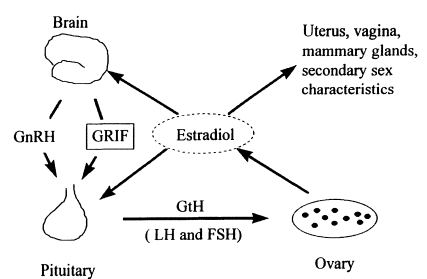
FIGURE 5-1 Estrogenic response in mammals: the hypothalamic-pituitary-gonadal axis.
NOTE: GnRH = gonadotropin-releasing hormone; GRIF = gonadotropin inhibitory factor; GtH = gonadotropins.
biochemical dynamic. There are clear differences in the resulting physiology, but the basic underlying control mechanisms are the same. As a consequence, a chemical that alters vitellogenin secretion in fish is likely to have effects on the sexual characteristics of humans who consume the chemical at an effective dose.
Similar biochemical relationships between fish and mammals may affect the development of some health problems. For instance, carcinogens in general induce tumors in a variety of organs in mammalian species, while in fish the liver appears to be the primary target (Bailey et al., 1996; Bunton, 1996). This relationship could be significant for chemicals that act by tumor promotion and/or selective toxicity, as opposed to carcinogens that act by genotoxic mechanisms. Tumor promotion in particular tends to involve modifications in cell signaling systems responsible for the attraction of certain compounds or microorganisms to specific tissues or organs. Understanding the relationships of these signaling systems in fish and mammals would help answer whether liver tumor induction in fish would be predictive of tumor promotion in the development of breast cancer, for example. The parallels in endocrine disruption between fish and mammals suggest that this approach may not be as farfetched as it first seems. Toxicity test systems using fish simply place
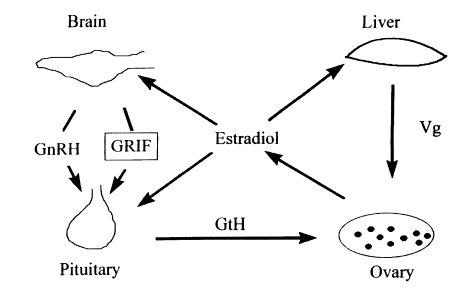
FIGURE 5-2 Estrogen response in fish: the hypothalamic-pituitary-gonadal-hepatic axis.
NOTE: GnRH = gonadotropin-releasing hormone; GRIF = gonadotropin inhibitory factor; GtH = gonadotropins; Vg = vitellogenin.
more emphasis on understanding the mechanisms by which chemicals induce cancer.
The use of fish in testing the safety of reclaimed water would first require the following objectives to be met:
- The relationship of known responses in fish and mammals would have to be better established. As an initial step, the existing database on toxicological tests in fish could be rigorously compared to toxicological results that have been obtained in rodent species and, where data exist, in humans. A better understanding of the basis of toxicological responses in fish and humans would also need to be established—at least with respect to mode of action and, where practical, to mechanism of action. Unfortunately, these data cannot be developed by testing of complex mixtures. Efforts should be aimed at individual chemicals that have toxicological properties and are likely to be encountered in the water column. Similar efforts are currently under way to develop an experimental base for linking human and rodent responses in more quantitative ways.
- Likely routes of exposure would have to be considered and accounted for in interpretations of findings. For example, fish are sensitive
- to highly lipophilic compounds of known toxicological importance (e.g., endocrine disrupters). However, humans are unlikely to be exposed to these chemicals via drinking water.
- A research effort would have to be mounted to explore basic differences between the delivery of hydrophilic organic compounds and the delivery of hydrophobic organic compounds to the target organs in fish. So far, research in aquatic species has focused on hydrophobic compounds, which are not generally of importance in drinking water.
- Scaling of the response variables in fish and mammalian species would have to be systematically undertaken. This is best done by examining very specific responses in one species with careful consideration of metabolic and pharmacokinetic differences. For example, the systemic doses of an endocrine disrupter needed to produce perturbations in estradiol levels could be examined in both fish and mammalian species. A follow-up could determine the levels of estradiol perturbation necessary to induce a change in uterine weight in rodents and an increase in vitellogenin secretion in fish.
Operational Considerations When Using Fish
Some critical practical considerations apply when using fish as the basic bioassay system. The interpretation of positive toxicological responses in fish must be confined to chronic rather than acute effects. The considerable body of data on acute toxic responses in fish involves relatively nonspecific toxic or irritant effects on the gill. In humans, the gastrointestinal tract greatly diminishes the importance of these irritant effects when exposure is through drinking water. Therefore, the wastewater must be of a quality that sustains fish for their normal life spans so that chronic effects can be examined.
The chronic effects monitored in fish should be selected based on their potential contribution to the development of disease in humans. This means that effects should be limited to (1) the development of a particular pathology (e.g., cancer, liver damage); (2) interference with specific physiological functions and processes (e.g., reproduction, development); or (3) molecular or biochemical effects that are recognized outcomes in both species. Without a clear connection to a recognized health effect, positive test results would be difficult to explain to the public. Once a valid end point is accepted, it should be understood that a positive response does, in fact, represent a hazard to human health unless new data indicate otherwise.
In some cases, secondary evaluations might show that a positive response in fish does not indicate a legitimate health risk for humans. For instance, it might be shown that the chemical causing the response in the
test system does not reach the target site(s) in mammalian species at sufficient concentrations and is thus unlikely to do so in humans. Similarly, it might be demonstrated that the mechanism underlying the response is not found in humans, or that the intrinsic sensitivity of humans to the contaminant differs significantly from that of fish even after correcting for differences in internal dosimetry. However, such evaluations should be undertaken with the understanding that the assessment of health effects of unidentified or uncharacterized chemicals carries some inherent uncertainty.
Baseline testing of wastewaters with fish would need to be organized on a schedule that accounts for variations in water quality. Detection of day-to-day variability is both impractical and unnecessary for health threats from chronic effects. However, the assessment of seasonal changes in water quality may be useful. In-line tanks, either in series or in parallel, could be set up and fish harvested on a quarterly basis for examination of pathology and other indicators of adverse response. Studies that require less than three months to perform (e.g., developmental and reproduction experiments) could use separate tanks. In the case of chronic studies of carcinogenesis, it would be desirable to establish enough animals to allow sacrifices to be made on a quarterly basis. In order to obtain appropriate matching to the sampling requirements, a new group of fish would have to be introduced into the system each quarter.
Establishing relatively frequent sacrifices in groups with overlapping schedules provides important protection against marginal and/or spurious results. A positive result in one group can be validated to some extent by examining results with the group preceding or following it in time. If these results are consistent, the level of concern would be raised. If not, there would be sufficient justification for not addressing changes in treatment until the next quarter's results either confirmed or denied the positive result.
It is beyond the scope of this report to specify in detail the end points these studies should address. Obviously, routine observations should be made related to reproduction, development, and carcinogenesis. Other end points could be added, including immunotoxicity and neurotoxicity. However, it would be prudent to add such areas of concern in a systematic way. The complexity of the functions to be tested to assess various end points in fish and mammals will require careful consideration and development before the results can be properly interpreted.
Certain shorter-term tests will likely prove useful in the testing of treated wastewaters for particular end points of concern. However, these systems should not be considered as screening tools, but as tools to help identify chemicals that may be responsible for particular effects observed
in the whole animal and then to trace the source of contamination. They may also be used to investigate physiological mechanisms of action more thoroughly.
The major advantage of such short-term systems is that their quicker results will allow pursuit of a problem on a timely basis. Municipal wastewater has multiple sources, and remedial action would require knowing which of these sources is potentially responsible for an observed health effect. A disadvantage of short-term tests for these purposes is that there is little assurance of congruence with the whole-animal test system (Arnold et al., 1996b), especially when unknown mixtures are being tested. Many unexplained interactions may have nonspecific origins for which there has been no scientific accounting. In particular, there are reports of synergistic responses in short-term systems that have no known connection to effects that have been observed in intact animals and/or human subjects (Arnold et al., 1996a).
In summary, there should be a clear decision path for toxicological testing of reclaimed water, using a test system that tracks live animals for a significant period of their life span. One possible approach is to use fish as the basis of testing, a topic that has been the focus of increasing research. If an effect is observed in the whole animal (such as the fish), risk would be estimated using general knowledge about the relative sensitivity of the animal and human systems. While these relationships will contain some uncertainties at the outset of testing, it should be possible to obtain refined estimates of the relative human susceptibility, if the test parameters are carefully thought out beforehand. More specific research can then be initiated to improve the risk assessment. Notwithstanding the difficulties of testing unknown chemical mixtures in reclaimed water, this decision path is quite viable in certain types of health outcomes or end points if the underlying basis of the response is understood (e.g., endocrine disruption). For some health outcomes, such as carcinogenesis, the mechanism is less well-understood, and it is probable that an observed effect will have to be accepted as implying an impact on human health. The alternative is to identify the specific chemical responsible for the observed effect and to reduce the risk associated with that chemical.
Epidemiologic Studies
In two locations, Los Angeles County and Windhoek, South Africa, potable reuse systems operational for some time have been the subjects of epidemiological studies. In addition, San Diego conducted baseline health statistics and an epidemiological feasibility study to assess the current population's health status and evaluate methods in anticipation
of implementation of a proposed potable reuse project there. These studies are reviewed below.
Windhoek
Reclaimed water was first introduced into the Windhoek water system in November 1968 and was used sporadically after that. Augmentation of the water supply with reclaimed water was only practiced when drought conditions made it necessary. When reclaimed water was supplied, it was mixed with water from conventional sources (2 surface water impoundments and 36 boreholes scattered throughout the city prior to distribution). Therefore residents in areas that received reclaimed water had only periodic exposure to reclaimed water.
Study Design
Using an ecologic study design, epidemiologic studies of the health effects associated with the Windhoek reclaimed water supply began in 1973 and were expanded in 1976. Morbidity data were collected from private health care providers, hospitals, clinics, and health authorities. Diarrheal disease surveillance included the collection of data from every patient at a hospital, clinic, or general practitioner's office who had a Windhoek address. Mortality data were collected from death certificates in order to examine possible long-term health effects from the consumption of reclaimed water. When reclaimed water was not used in the system, baseline data on morbidity and mortality were collected. Disease rates for each ethnic group were compared between populations that lived in areas receiving reclaimed water and populations in areas with conventional water supplies.
Study Population
During the study period, the Windhoek population was 75,000 to 100,000 and was approximately 44 percent white, 44 percent black, and 12 percent ''colored." The population was residentially segregated according to ethnic groups, and sanitation and hygiene conditions in the black and colored populations were considerably lower than in the white populations.
Exposure Assessment
Reclaimed water was supplied to some residential areas of each ethnic group, and much of the business district was served by reclaimed
water. Exposure status was determined by place of residence. Investigators paid particular attention to children, since children tended to have higher rates of diarrheal disease and generally attended school close to their home, meaning they were likely to be exposed to one water supply.
Health Outcome Measurements
Investigators collected morbidity data on a number of infectious diseases (Salmonella, Shigella, enteropathogenic Escherichia coli, cholera, enterovirus, schistosoma, viral hepatitis, meningitis, encephalitis, and nonbacterial gastroenteritis). A single laboratory analyzed cultures from diarrheal cases for Salmonella, Shigella, E. coli, and Vibrio cholerae for the whole geographic area. Mortality data on diarrheal disease, tuberculosis, measles, diabetes, nutrition deficiencies, meningitis, hypertensive disease, ischemic heart disease, congestive cardiac failure, bronchitis/emphysema/asthma, cancer, and all other causes were collected from death certificates. The results of the health studies from 1976 to 1983 are based on the investigation of 15,000 episodes of diarrheal disease, 1000 cases of jaundice, and 3000 deaths.
Study Findings and Interpretation of Results
Only the most severe cases of diarrheal disease (those seeking medical care) were reported in this study. The majority (86 percent) of the diarrhea episodes reported at Windhoek occurred in children under 14 years of age. Diarrheal disease incidence was much higher in black and colored children than in white children, regardless of water supply. The major causes of mortality for whites were cardiovascular disease and cancer, whereas for blacks and coloreds, the leading causes were diarrheal disease and tuberculosis.
Epidemiolgists conducting the study statistically compared diarrheal disease incidence rates by year for whites living in areas receiving conventional water and those in areas receiving reclaimed water. Overall, they observed no significant difference over six years of observation. However, during two years (1977 and 1982), diarrhea incidence among whites (all ages) living in areas receiving water from conventional supplies was significantly higher than the incidence in whites living in areas receiving reclaimed water.
The investigators concluded that differences in diarrheal disease prevalence were "entirely related to socioeconomic factors and not to the nature of the water supply." As an example, they cited the morbidity patterns in two "socioeconomically similar groups of Windhoek residents." The group that was exposed to reclaimed water consistently had
equal or lower incidence of diarrheal disease than the group that consumed water from conventional sources. Hepatitis A prevalence was also found to be related to general environmental conditions and personal hygiene rather than to water supply. The investigators did not attempt to relate mortality to water supply and felt that it would not be possible to do this in the future unless a "sudden unrecognized defect" in the water supply caused a "marked alteration in the mortality pattern" (Isaacson et al., 1987).
Strengths and Limitations
While the study attempted to compare possible health effects due to water across all ethnic and socioeconomic conditions, the small total population of Windhoek made it difficult to collect enough data (especially mortality data) to make statistically significant comparisons.
The results of this study are not generally applicable to populations in industrialized countries because of Windhoek's unique environment and demographic composition. The rate of diarrhea episodes reported in the Windhoek study from 1977 to 1982 ranged from 6 to 14 episodes per 1000 people per year in the white population drinking conventional water. In contrast, the rates of enteric infectious diseases reported to the Los Angeles County Health Department over the period 1989-1990 were 0.75 case per 1000 people per year in the population in the control areas and 0.9 case per 1000 people per year in the population using reclaimed water.
Orange and Los Angeles Counties Health-Effect Study
Two epidemiologic studies have been conducted by Orange and Los Angeles Counties in the Montebello Forebay area of Los Angeles County to examine health risks associated with exposure to reclaimed water used to replenish the area's ground water supply. The first study examined health outcomes from 1969 to 1980 (Frerichs, 1984; Frerichs et al., 1982), and the second one studied health outcomes from 1987 to 1991 (Sloss et al., 1986). Los Angeles County, started recharging ground water supplies with treated wastewater in 1962, and for most systems in the study area, the percentage of reclaimed water increased over the following 30 years.
Study Population
The study population in both studies was estimated from census tract information for water districts and divided into areas known to use re-
claimed water (exposed areas) and control areas, which were known to use water supplies that did not receive any reclaimed water but possessed demographic characteristics similar to the reclaimed water areas. In the first study, the population of the exposed areas of the Montebello Forebay region was between 478,000 and 486,000, according to the 1970 and 1980 censuses. The population in the control areas was between 677,000 and 576,000.
In the second study, the size of the population exposed to reclaimed water had almost doubled since the time of the first study, to around 900,000 people in the 1990 census. This represents about 10 percent of the total population of Los Angeles County. The control areas were in three parts of the county (parts of Montebello Forebay, Pomona, and northeastern San Fernando Valley) and included about 700,000 people.
Study Design
Both studies used an ecologic study design in which the unit of analysis was the census tract. Each census tract was assigned a categorical exposure variable derived from estimates of the percentage of reclaimed water in the water supply, as determined by the water suppliers serving the area. Information on health outcomes came from existing morbidity and mortality data collected by state and county surveillance programs, death certificates, cancer registries, and the University of Southern California Cancer Surveillance Program.
The first study also included a household survey in 1981 of randomly selected women in the two study areas. Telephone interviews were conducted with approximately 1200 adult females in "high" reclaimed water areas and 1300 women in the control areas to investigate possible differences in spontaneous abortions and other adverse reproductive outcomes, as well as other measures of general health (bed days, disability days, perception of well-being) and specific diseases. Data were collected on demographic and socioeconomic characteristics and possible confounding factors such as smoking and alcohol consumption, level of education, consumption of bottled water, and length of residence in the study area.
Exposure Assessment
The proportion of the water supply that originated from reclaimed water varied over time and geographic location. Each water supplier in the study area (32 in the first study, 39 in the second study) was queried about its water sources, delivery practices, service areas, and production levels during the study periods.
The actual amount of reclaimed water in the water supplies is un-
known. To estimate the percentage of reclaimed water from each supplier, both studies used a model based on measurements of sulfate ion concentration in the ground water. Colorado River water, which has been used since 1954 to replenish the Montebello Forebay ground water basin, has high sulfate concentrations that allow its movement to be traced. Reclaimed water, by contrast, has no such characteristic mineral composition. However, the model assumes that the reclaimed water will follow a movement pattern similar to that of the Colorado River water in the ground water basin. In addition, the second study used regression analysis, the Kriging analytic method (which assumes that percentage of reclaimed water will be similar for neighboring wells), and analysis of travel-time contours to estimate the percentage of reclaimed water used between 1983 and 1990.
In the first study, estimates of overall reclaimed water concentrations ranged from 0 to 23 percent annually and from 0 to 11 percent over a 15-year period. Each census tract was categorized into one of four exposure categories (first study) or five exposure categories (second study) based on the estimated percentage of reclaimed water in the residential water supplies. Four broad exposure categories were used:
- high reclaimed water areas, meaning areas that had received water containing 5 to 19 percent reclaimed water since 1969 or earlier;
- low reclaimed water areas, meaning areas that had received water containing 0 to 4 percent reclaimed water before 1969;
- central control areas, which had not received reclaimed water between 1962 and 1981; and
- northwest control area, a nearby area outside of the study area but with similar demographic characteristics.
-
By the time of the second study, recharge with reclaimed water had been practiced for over 30 years, and estimates of the amount of reclaimed water used by many water systems had increased substantially. The maximum percentage of reclaimed water in 1990 was 31 percent, up from 19 percent in 1976. The annual maximum percentage of reclaimed water over the 30-year period varied considerably and ranged from less than 4 percent to between 20 and 31 percent. Data were obtained from 27 of the 39 water systems in the Montebello Forebay area. Twelve small water systems were excluded because their data either were unavailable or were considered unreliable for estimating the percentage of reclaimed water in the supplies. Five exposure categories were used, based on a 30-year average (1960-1990) of reclaimed water percentages:
- RW1 (41 census tracts): average percentage of reclaimed water = 0.3
- RW2 (28 census tracts): average percentage of reclaimed water = 1.5
- RW3 (30 census tracts): average percentage of reclaimed water = 3.0
- RW4 (23 census tracts): average percentage of reclaimed water = 6.5
- RW5 (19 census tracts): average percentage of reclaimed water = 11.4
-
For the analyses using infectious disease health outcomes, the five exposure categories were based on three-year averages of the percentage of reclaimed water in order to reflect the shorter incubation period of infectious diseases. Three control areas—areas of 15, 21, and 81 census tracts in Los Angeles County—were chosen from water systems that had never used reclaimed water.
Health Outcome Measurements
In the first study, 21 health outcome measurements were used, based on data from three time periods: 1969 to 1971, 1972 to 1978, and 1979 to 1980. Measurements included the following:
- Mortality: all deaths, deaths from heart disease, from stroke, from all cancer, and from specific cancers (stomach, colon, bladder, rectum)
- Birth outcomes: low birth weight, infant and neonatal mortality, and congenital malformations
- Morbidity: incidence of stomach, colon, bladder, and rectum cancer; "potential waterborne diseases"; hepatitis A; and shigellosis
In the second study, 28 health outcome measurements were used, based on data from 1987 to 1991. Measurements included the following:
- Mortality data (based on death certificates from 1989-1991): all deaths, deaths from all cancer, from eight specific cancers (stomach, colon, bladder, rectum, esophagus, pancreas, liver, kidney), from heart disease, from cerebrovascular disease, and from all other causes
- Morbidity data (based on 1987-1991 cancer registry records): incidence of all cancers, of eight specific cancers (stomach, colon, bladder, rectum, esophagus, pancreas, liver, kidney), and infectious disease morbidity (based on reports to the Los Angeles County Health Department from 1989 to 1990, including incidence of Giardia, hepatitis A, Salmonella,
- Shigella, amebiasis, cholera, gastroenteritis, leptospirosis, meningitis, and typhoid fever
Analytical Techniques
Both studies compared rates of these health outcomes, standardized by age and sex, to Los Angeles County rates. In the first study, differences in mortality and morbidity rates among the three exposure areas and one control area were tested by analysis of variance and weighted linear regression, followed by analysis of covariance or the Mantel-Haenszel nominal test of association. Depending on the analysis and availability of data, attempts were made to control for several confounding variables (age, sex, race, age of mother, and birth weight).
The second study used Poisson regression to calculate a rate ratio (morbidity or mortality rate in a reclaimed water area divided by the morbidity or mortality rate in the control area) and a confidence interval for each health outcome. In addition, sensitivity analyses were used to compare three regression models, controlling for (1) age and sex; (2) age, sex, and ethnicity; and (3) age, sex, ethnicity, and family income. All models controlled for population size.
Study Findings and Interpretation of Results
Overall, neither study observed consistently higher rates of either general or specific mortality or morbidity in the populations who lived in areas receiving higher percentages of reclaimed water.
The first study reported higher but statistically insignificant rectum cancer mortality rates in the three areas receiving reclaimed water compared to the control areas, and the area with the higher percentage of reclaimed water (5 to 19 percent) had greater rectum cancer mortality than the area with the lower percentage of reclaimed water (less than 5 percent). However, the number of rectum cancer deaths in these areas was relatively small. The investigators felt that the elevated levels of rectum cancer mortality would have been more meaningful if similar elevations in the mortality rates of stomach and colon cancer had also been observed. They attributed the elevated rectum cancer mortality rates to different death certificate coding practices by physicians in particular study areas (Sloss et al., 1996).
When examining the incidence rates of all potential waterborne infectious diseases, infectious hepatitis, and shigellosis, statistically significant differences were observed among the four study areas. However, the illness rates were highest in the control areas and lowest in the study area that received the highest percentage of reclaimed water. Also, sig-
nificantly higher congenital malformations were observed in one of the control areas. The investigators did not comment on these findings.
In the second study, no consistent dose-response relationship was seen between exposure to reclaimed water and illness rates. The incidence of liver cancer was significantly higher (rate ratio = 1.7, 95 percent confidence interval = 1.1-2.7) in the study area that received the highest percentage of reclaimed water. However, no consistent dose-response relationship was observed in liver cancer incidence in the four other study areas that received lower percentages of reclaimed water. The incidence of stomach cancer and all cancers in the two study areas with the least reclaimed water was slightly higher than the rates of those illnesses in the control areas. Mortality from all cancers and from several specific cancers (liver, rectum, stomach, and kidney) was higher in reclaimed water areas compared to the control areas (rate ratios ranging from 1.12 to 1.71). However, most of these rate ratios were not statistically significant, did not show a consistent dose-response relationship, and showed very small magnitudes of differences between the experimental and control groups. The incidence of giardiasis, hepatitis A, and shigellosis was significantly higher in two study areas receiving low to medium percentages of reclaimed water. The infectious disease incidence rates in the study areas with the highest percentages of reclaimed water were either lower than the control areas or only slightly elevated.
In both studies, some significantly higher disease and/or mortality rates were observed both in some of the study areas that received reclaimed water and in some of the control areas. In their final interpretation of these results, the investigators considered the overall pattern of the results and whether the association between an exposure and a particular health outcome indicated a causal relationship, using commonly recognized criteria for causality (strength of the relationship, consistency, temporality, biologic gradient or dose-response, plausibility, and coherence). The absence of consistent dose-response relationships for all the elevated health outcomes that were observed in the study was the major argument against a causal association between exposure to reclaimed water and adverse health effects. The investigators concluded that the statistically significant associations that were observed occurred either due to chance, because of the large number of rate ratios that were calculated in the analyses, or due to differences between the exposed and control populations unrelated to the use of reclaimed water. The ecologic study design does not allow investigation of these differences.
Examination of the demographic characteristics of the study populations in the second study (from 1990 census information) indicates some differences among groups in ethnicity, education levels, and percentage employed in white-collar occupations. These demographic differences
may affect risk factors for both chronic and acute diseases. The data analyses controlled for age, sex, and ethnicity differences between the reclaimed water areas and the control areas.
Strengths and Limitations
The major strengths of the OLAC studies are that they had large study populations and examined a large number or health outcomes. These are important features because one would expect the risks associated with reclaimed water exposure, if any, to be low, requiring a large study population to detect them. Also, the possible health risks associated with reclaimed water are undefined and might include both acute and chronic effects from microbial and chemical contaminants. Therefore it is advantageous to examine a broad array of health effects in a single study. The only health outcomes that were not included in these studies were reproductive outcomes (spontaneous abortions, birth defects, and infant mortality), which could be influenced by both acute and chronic exposures to contaminants in drinking water. One additional strength of the second study was that it could examine health effects that may be associated with long-term exposure or historical exposure to reclaimed water, since by the time the study was completed, reclaimed water had been used for about 30 years.
Because of the nature of the ecologic study design, both studies were unable to control for personal characteristics that might affect disease rates, such as smoking, diet, alcohol consumption, and occupational exposure. Ecologic studies assume that the study groups are roughly equivalent in all possible risk factors (except for the exposure of interest) for the health outcomes in question. These studies also assume that the exposure of interest will have the same effect on all the study groups (that is, that there will be no effect modification by group) (Sloss et al., 1996).
The investigators note that while the quality of the cancer incidence data used in these studies was high (due to a high-quality cancer registry), the quality of the mortality and infectious disease rate data was less than ideal (Sloss et al., 1996). Death certificates may not accurately record the cause of death or place of residence at time of death. The infectious disease surveillance by the Los Angeles County Department of Health Services may not report all diseases with the same accuracy. However, the quality of the health outcome data should be similar for both the exposed and the control populations.
Despite the large study populations in these studies, both the number of cancer illnesses over four years and the number of deaths from specific cancers over two years were very low compared to national aver-
ages. This is probably due to the relatively short study periods for these kinds of chronic diseases. Rectal cancer rates were particularly low, with only 36 deaths in the exposed populations and 21 deaths in the control areas from 1989 to 1991. For bladder cancer, there were only 48 deaths in the reclaimed water study areas and 35 deaths in the control areas. Therefore, in this study the risks associated with exposure to reclaimed water cannot be adequately evaluated for several important health outcomes because of the small number of events. Although the overall analyses do not suggest an association between adverse outcomes and reclaimed water in the drinking water supply, the public health significance of no or low rates of incidence, especially for specific outcomes, should always be interpreted in light of the statistical power of a study to detect an elevated risk. This caveat was not mentioned by the investigators.
The OLAC studies used a state-of-the-art model based on hydrogeologic and statistical theory to estimate the proportion of reclaimed water in the ground water at various times and locations. Attempts were made to compare estimates derived from the model with levels of constituents actually measured in the water. This model makes several assumptions and may have introduced an unknown amount of measurement error into the exposure estimates. In addition, the broad exposure categories used in these studies may not have been sufficiently different to show a clear dose-response relationship even if one was present. The studies were also unable to estimate actual exposure to reclaimed water based on personal differences in time spent away from home, consumption of bottled water and other beverages, and time lived in study area. The 1980 household survey in the first study indicated that 28 percent of respondents reported buying bottled water and 23 percent reported not drinking tap water (Frerichs, 1984). Given nationwide trends toward increased bottled water consumption during the 1980s, it is likely that the percentage of households using bottled water was higher in the second study.
Areas with highly mobile populations present difficulties in assessing long-term health risks. Data on population mobility in the "high reclaimed water" areas from the first study indicated that 40 percent of the population had lived in the same house for less than five years, and this was the most stable population of the four study areas (Frerichs et al., 1982). In the second study, the percentage of persons who had lived in the same house for less than five years ranged from 41 to 53 percent. Although the role of environmental exposures in the development of diseases with long latency periods (such as cancer) is a complex issue, it seems likely that 50 percent or more of the "exposed" study population would not have been exposed to reclaimed water long enough for reclaimed water to have an effect on cancer morbidity and mortality, since
the minimum latency period for many cancers is believed to be about 15 years. The investigators acknowledged that exposure misclassification of people who recently moved into the study area would weaken the estimates of the effect of exposure on diseases with long latency periods (Sloss et al., 1996). Further, out-migration of ''exposed" persons who had lived in the reclaimed water areas for long periods of time would reduce the statistical power of the study.
San Diego Feasibility Study
A pilot feasibility epidemiology study was conducted as a component of the San Diego Total Resource Recovery Project. The study sought to provide baseline health information on the residents of San Diego County that could be compared to future epidemiologic monitoring of health effects if potable reuse was adopted. This study also evaluated the feasibility, logistics, and cost of collecting various health data. Reproductive health and vital statistics (mortality and selected morbidity) were chosen by the investigators as "biological conditions that offer the most potential as environmental warning systems for environmental contamination" (Western Consortium for Public Health, 1996).
Study Design
The first element of this study was a survey of reproductive outcomes of women aged 15 to 44 in San Diego County. Telephone interviews were used to screen 19,504 residents for women eligible to participate in the reproductive health survey. From these interviews, approximately 1100 women were interviewed in their homes to collect demographic and health information: age, area of residence, self-perceived health, employment, height and weight, smoking exposures, alcohol consumption, diseases reported, income, ethnicity, and marital status. In addition, data pertaining to pregnancies were collected: weight gained, prenatal care, nausea, exposure to medication, diseases reported, duration, and pregnancy outcome.
The second element involved the collection of existing vital and health data routinely reported to San Diego County and the State of California. This included broad and specific mortality data, information on birth outcomes, and incidence of "various potential waterborne diseases" from 1980 through 1989.
The third element was a survey of neural tube birth defects using the California Birth Cohort Perinatal Files data from 1978 through 1985. The purpose of this survey was to establish baseline birth defects prevalence information in California as a whole and in San Diego County.
Study Findings
This epidemiologic feasibility study was a useful tool to evaluate methods for conducting further epidemiologic research in this field. The investigators concluded that while the vital statistics element was the least expensive component, it did not provide the necessary "precision in terms of data quality to address the health effects of wastewater recycling" (Western Consortium for Public Health, 1996). Instead, they recommended continuation of the neural tube defects study as the most cost-effective and reasonable approach to compare the rate of an appropriate health outcome in San Diego with that in the rest of California.
Conclusions and Recommendations
Toxicology Studies
All six of the planned potable reuse projects reviewed in this chapter attempted to analyze the toxicological properties of reclaimed water. In most studies the testing was limited to mutagenic activity in bacterial systems, usually including at least two strains of the bacteria in the Ames Salmonella test. Some of the studies also used in vitro systems derived from mammalian cells, usually in the form of transformation assays and short-term in vivo clastogenesis assays (i.e., sister chromatid exchanges and micronucleus assays). Two projects employed chronic studies in live mammal systems to assess chronic toxicity, carcinogenicity, reproductive effects, and the potential for such waters to produce birth defects. Overall, the intent of toxicological testing can be grouped into (1) chemical screening and identification studies, (2) surveys of mutagenic activity, and (3) integrated toxicological testing.
The application of bioassays for screening and identifying chemicals that exhibit mutagenic activity, a methodology well accepted in the scientific community, was used in most of the more extensive studies. However, further toxicological evaluations are necessary in order to demonstrate whether or not the chemicals so identified have health effects.
The interpretation of the results from surveys of mutagenic activity is subject to the same ambiguity identified with other studies that have depended primarily on in vitro test systems. While the studies appeared to show no differences between reclaimed water and the conventional water source, positive results were obtained in screening assays, and there was no attempt to collect data in a system that would allow a rigorous comparison of relative risks associated with these two water sources.
Used alone, in vitro mutagenicity testing produces results of unclear meaning, because mutagenic activity alone does not imply carcinogenic
risk to humans. A more accurate determination of health risk requires test systems that can more directly measure a complete range of health hazards and can use procedures for defining dose-response relationships to estimate the risks associated with varying levels of exposure. Such information cannot be derived from in vitro testing alone.
Of the toxicological studies, only the Denver and Tampa studies addressed a broad range of toxicological concerns. Those studies suggested that no adverse health effects should be anticipated from the use of Denver's or Tampa's reclaimed water as a source of potable drinking water. However, these studies, drawn from two discrete points in time and conducted only at a pilot plant level of effort, provide a very limited database from which to extrapolate to other locations and times.
Because of the high cost and methodological problems inherent in the testing of concentrated samples on rats and mice and because of the difficulty in applying the logic of safety testing to reclaimed water, the strategy set forth by the 1982 National Research Council panel is potentially too costly to implement and will not resolve health-effect questions in a timely manner for an operational potable reuse system. Accordingly, the committee recommends the following:
- A new, alternative approach, such as the fish system described in this chapter, should be developed and used to continuously test the toxicity of reclaimed water in potable reuse projects. The testing system described here should be viewed as a starting point for an approach that needs to evolve as deficiencies become apparent or as concerns with chemical contaminants focus on new health end points. It should employ a baseline screening test using a whole-animal rather than in vitro approach. The baseline screening tests should be conducted using water samples at ambient concentrations in order to reduce the uncertainty and high costs of using concentrates. The higher exposure possible with fish and the increased statistical power gained from using larger numbers of subjects will tend to offset the losses in sensitivity from not using high doses derived from concentrates.
- Research efforts should be undertaken to understand the qualitative and quantitative relationships among responses in whole-animal test species, such as fish, and adverse health effects in humans. In vitro short-term testing should be confined to qualitative evaluations of particular toxicological effects found in the product water in order to identify potential sources of contaminants and to guide remedial actions in a more timely manner. Such studies will probably have to employ concentration techniques.
- For the fish testing system or any other toxicological test system used for reclaimed water, a clear decision path should be followed in
- toxicological testing. Testing should be conducted on live animals for a significant period of their lifespan. If an effect is observed in the whole animal, risk should be estimated using general knowledge about the relative sensitivity of the animal and human systems. While these relationships will contain some uncertainties at the outset of testing, it should be possible to obtain refined estimates of the relative human susceptibility if the test parameters are carefully thought out beforehand. More specific research can then be initiated to improve the risk assessment. Notwithstanding the difficulties of testing unknown chemical mixtures in reclaimed water, this decision path is quite viable for investigating certain types of health outcomes or end points if the underlying basis of the response is understood (e.g., endocrine disruption). For some health outcomes, such as carcinogenesis, the mechanism is less well-understood, and it is probable that an observed effect will have to be accepted as implying an impact on human health. The alternative is to identify the specific chemical responsible for the observed effect and to reduce the risk associated with that chemical.
- The requirements for toxicological testing of water derived from an alternative source should be inversely related to how well the chemical composition of the water has been characterized. If very few chemicals or chemical groups of concern are present, and the chemical composition of the water is well understood, the need for toxicological characterization of the water is low and may be safely neglected altogether. Conversely, if a large fraction of potentially hazardous and toxicologically uncharacterized organic chemicals is present, then toxicological testing will provide an additional assurance of safety.
Epidemiology Studies
Numerous epidemiologic studies (ecological, case-control, cohort, and outbreak investigations) have examined the relationship between various microbial and chemical contaminants in drinking water and a wide range of acute and chronic health outcomes in populations exposed either to a specific contaminated water supply or to specific types of source waters and treatment processes. However, only three such studies apply to potable reuse of reclaimed water, and only one set of epidemiological studies (Los Angeles County) evaluating the health effects associated with the consumption of reclaimed water has been conducted in a setting that is useful for assessing possible health effects in other parts of the United States or other industrialized countries. These studies have used an ecologic approach, which is appropriate as an initial step when the health risks are unknown or poorly documented, but negative results from such studies do not necessarily prove the safety of reclaimed water
for human consumption. These studies can only be considered as preliminary examinations of the risks of exposure to reclaimed water.
The committee recommends that alternative epidemiologic study designs and more sophisticated methods of exposure assessment and outcome measurement be undertaken at a national level to evaluate the potential health risks associated with reclaimed water. Ecologic studies should be conducted in a variety of water reuse situations (e.g., ground water, surface water) in areas with low population mobility. Case-control studies or retrospective cohort studies should be undertaken to provide information on health outcomes and exposure for an individual level while controlling for other important risk factors. Although cohort studies are the most difficult and expensive to perform, this is the only study design that can examine the temporal relationship between exposure to reclaimed water and the development of adverse health effects. Increasing interest in and need for potable water reuse may justify such efforts.
References
Anders, F., M. Schartl, and A. Branekow. 1984. Xiphophorus as an in vivo model for studies on oncogenes. National Cancer Institute Monograph 65:97-109.
Arnold, S. F., D. M. Klotz, B. M. Collins, P. M. Vonier, L. J. Guillette, Jr., and J. A. McLachlan. 1996a. Synergistic activation of estrogen receptor with combinations of environmental chemicals. Science 272:1489-1492.
Arnold, S. F., M. K. Robinson, A. C. Notides, L. J. Guillette, Jr., and J. A. McLachlan. 1996b. A yeast estrogen screen for examining the relative exposure of cells to natural and xenoestrogens. Environ. Health Persp. 104:544-548.
Ashby, J., and R. W. Tennant. 1988. Chemical structure, Salmonella mutagenicity, and extent of carcinogenesis as indicators of genotoxic carcinogenicity among 222 chemicals tested in rodents by the U.S. NCI/NTP. Mutation Research 24:17-115.
Bailey, G. S., D. E. Williams, and J. D. Hendricks. 1996. Fish models for environmental carcinogenesis: the rainbow trout. Environ. Health Persp. 104:5-21.
Baird, R. B., J. Gute, C. Jacks, R. Jenkins, L. Neisess, B. Scheybeler, R. van Sluis, and W. Yanko. 1980. Health effects of water reuse: a combination of toxicological and chemical methods for assessment. Pp. 925-935 in Jolley, R. L., et al. (eds.) Water Chlorination: Environmental Impact and Health Effects. Vol. 3. Ann Arbor Sci., Ann Arbor, Mich.
Baird, R. B., J. P. Gute, C. A. Jacks, L. B. Neisess, J. R. Smyth, and A. S. Walker. 1987. Negative-ion chemical ionization mass spectrometry and Ames mutagenicity tests of granular activated carbon treated waste water. Pp. 641-658 in Suffet, I. H., and M. Maliayandi (eds.) Advances in Chemistry series 214. Organic Pollutants in Water: Sampling, Analysis and Toxicity Testing.
Bull, R. J., and F. D. Kopfler. 1981. Toxicological evaluation of risks associated with potable reuse of wastewater. Pp. 2176-2194 in Proceedings of Water Reuse Symposium II Vol. 3, August 23-28, Washington, D.C. Denver, Colo.: American Water Works Association Research Foundation.
Bull, R. J., L. S. Birnbaum, K. P. Cantor, J. B. Rose, B. E. Butterworth, R. Pegram, and J. Tuomisto. 1995. Symposium overview: water chlorination: essential process or cancer hazard. Fund. Appl. Toxicol. 28:155-166.
Bunton, T. E. 1996. Experimental chemical carcinogenesis in fish. Toxicologic Pathology 24:603-618.
Calabrese, E. J., L. A. Baldwin, et al. 1992. Epigenetic carcinogens in fish. Review Aquatic Science 6(2):89-96.
Cheh, A. M., J. Skohdopole, P. Koski, and L. Cole. 1980. Nonvolatile mutagens in drinking water, production by chlorination and destruction by sulfite. Science 207:90-92.
CH2M Hill. 1993. Tampa Water Resource Recovery Project: Pilot Studies. Tampa, Fla.: CH2M Hill.
Courtney, L. A., and J. A. Couch. 1984. Usefulness of Cyprinodon variegatus and Fundulus grandis in carcinogenicity testing: advantages and special problems. National Cancer Institute Monograph 65:83-96.
Food and Drug Administration (FDA). 1982. Toxicological Principles for the Safety Assessment of Direct Food Additives and Color Additives Used in Food (Red Book). Washington, D.C.: Food and Drug Administration, Department of Health and Human Services.
Frerichs, R. R. 1984. Epidemiologic monitoring of possible health reactions of wastewater reuse. Science of the Total Environment 32:353-363.
Frerichs, R. R., E. M. Sloss, and K. P. Satin. 1982. Epidemiologic impact of water reuse in Los Angeles County. Environmental Research 29:109-122.
Hatanaka, J., N. Doke, et al. 1982. Usefulness and rapidity of screening for toxicity and carcinogenicity of chemicals in medaka, Oryzias latipes. Japan J. Exp. Med. 52(5):243-253.
Hawkins, W. E., R. M. Overstreet, et al. 1984. Tumor induction in several small species by classical carcinogens and related compounds. Fifth Conference on Water Chlorination: Environmental Impact and Health Effects. Williamsburg, Va.: Lewis Publishers, Inc.
Hawkins, W. E., R. M. Overstreet, et al. 1985. Development of aquarium fish models for environmental carcinogenesis: tumor induction in seven species. J. Appl. Toxicol. 5(4):261-264.
Hemmer, J., C. Hamann, and D. Pickard. 1994. Tampa Water Resource Recovery Project. San Diego Water Reuse Health Effects Study. 1994 Water Reuse Symposium Proceedings, Feb. 27-Mar. 2, Dallas, Tex. Denver, Colo.: American Water Works Association.
ILSI. 1995. Disinfection by-products in drinking water: Critical issues in health effects research. Pp. 110-120 in Workshop Report. Chapel Hill, N.C. Oct. 23-25.
Isaacson, M., and A. R. Sayed. 1988. Health aspects of the use of recycled water in Windhoek, SWA/Namibia, 1974-1983. South African Medical Journal 73:596-599.
Isaacson, M., A. R. Sayed, and W. H. J. Hattingh. 1987. Studies on health aspects of water reclamation during 1974-1983 in Windhoek, South West Africa/Namibia. Report No. 38/1/87. Pretoria: Water Research Commission.
Jacks, C. A., J. P. Gute, L. B. Neisess, R. J. Van Sluis, and R. B. Baird. 1983. Health effects of water reuse: characterization of mutagenic residues isolated from reclaimed, surface, and groundwater supplies. Pp. 1237-1248 in Jolley, R.L., et al. (eds.) Water Chlorination: Environmental Impact and Health Effects. Vol. 4. Ann Arbor, Mich.: Ann Arbor Sci.
James M. Montgomery, Inc. 1983. Operation, Maintenance, and Performance Evaluation of the Potomac Estuary Wastewater Treatment Plant. Alexandria, Va.: Montgomery Watson, Inc.
Jenkins, R. L., C. A. Jacks, R. B. Baird, B. J. Scheybeler, L. B. Neisess, J. P. Gute, R. J. Van Sluis, and W. A. Yanko. 1983. Mutagenicity and organic solute recovery from water with a high-volume resin concentrator. Water Res. 17:1569-1574.
Kavlock, R. J., G. P. Daston, C. DeRosa, et al. 1996. Research needs for risk assessment of health and environmental effects of endocrine disruption: a report of the U.S. Environmental Protection Agency sponsored workshop. Env. Health Persp. 104:715-740.
Kool, H. J., C. F. van Kreijl, E. deGreef, and H. J. van Kranen. 1982. Presence, introduction and removal of mutagenic activity during the preparation of drinking water in the Netherlands. Environ. Health Persp. 46:207-214.
Krause, M. K., L. D. Rhodes, et al. 1997. Cloning of the p53 tumor suppressor gene from the Japanese medaka (Oryzias latipes) and evaluation of mutational hotspots in MNNG-exposed fish. Gene 189(1):101-106.
Lauer, W. C. 1993. Denver's Direct Potable Reuse Demonstration Project Final Report—Executive Summary. Report prepared by the Denver Water Department, Denver, Colo.
Lauer, W. C., and S. E. Rogers. 1996. The demonstration of direct potable water reuse: Denver's pioneer project. Pp. 269-289 in AWWA/WEF 1996 Water Reuse Conference Proceedings, San Diego, Calif., February 25-28. Denver, Colo.: American Water Works Association.
Lopez, L., and A. DeAngelo. 1997. Carcinogenicity of dichloroacetic acid in the Japanese medaka small fish model. 18th Annual Meeting of the Society of Environmental Toxicology and Chemistry, San Francisco, Calif.
Meier, J. R., R. D. Lingg, and R. J. Bull. 1983. Formation of mutagens following chlorination of humic acids: a model for mutagen formation during drinking water treatment. Mutation Res. 18:25-41.
Meier, J. R., R. B. Knohl, W. E. Coleman, H. P. Ringhand, J. W. Munch, W. H. Kaylor, R. P. Streicher, and F. C. Kopfler. 1987. Studies on the potent bacterial mutagen, 3-chloro-4(dichloromethyl)-5-hydroxy-2(5H)-furanone: aqueous stability, XAD recovery, and analytical determination in drinking water and in chlorinated humic acid solutions. Mutation Res. 189:363-373.
National Research Council (NRC). 1982. Quality Criteria for Water Reuse. Washington, D.C.: National Academy Press.
National Research Council (NRC). 1984. The Potomac Estuary Experimental Water Treatment Plant. Washington, D.C.: National Academy Press.
Nellor, M. H., R. B. Baird, and J. R. Smyth. 1984. Health Effects Study Final Report. County Sanitation Districts of Los Angeles County, Whittier, Calif.
Nimrod, A. C., and W. H. Benson. 1996. Environmental estrogenic effects of alkylphenol ethoxylates. Critical Rev. Toxicol. 26:335-364.
Pereira, M. A., B. C. Casto, M. W. Tabor, and M. D. Khoury. Undated. Toxicology Studies of the Tampa Water Resources Project. Report supplied to the committee by M. Perreira, Medical College of Ohio, Toledo.
Sato, A., J. Komura, et al. 1992. Firefly luciferase gene transmission and expression in transgenic medaka (Oryzias latipes). Mol. Mar. Biol. Biotechnol. 1(4-5):318-325.
Sloss, E. M., S. A. Geschwind, D. F. McCaffrey, and B. R. Ritz. 1996. Groundwater Recharge with Reclaimed Water: An Epidemiologic Assessment in Los Angeles County, 1987-1991. Santa Monica, Calif.: RAND.
Sumpter, J. P. 1995. Feminized responses in fish to environmental estrogens. Toxicology Lett. 82/83:737-742.
Sumpter, J. P., and S. Jobling. 1995. Vitellogenesis as a biomarker for estrogenic contamination of the aquatic environment. Environ. Health Persp. 103(Suppl. 7):173-178.
Toppari, J., J. C. Larsen, P. Christiansen, et al. 1996. Male reproductive health and environmental xenoestrogens. Environ. Health Persp. 104:741-803.
Tuomisto, J., J. Hyttinen, K. Jansson, H. Komulainen, V. L. Kosma, J. Maki-Paakkanen, S. L. Vaittinen, and T. Vartianen. 1995. Pp. 30-31 in Disinfection By-Products in Drinking Water: Critical Issues in Health Effects Research. Workshop Report. Chapel Hill, N.C. Oct. 23-25. Washington, D.C.: ILSI.
U.S. Environmental Protection Agency (EPA). 1979. Proposed health effects testing standards for Toxic Substances Control Act test rules: Environmental Protection Agency. Federal Register 44:44054.
Walker. W. W., C. S. Manning, et al. 1985. Development of aquarium fish models for environmental carcinogenesis: an intermitent-flow exposure system for volatile hydrophobic chemicals. Journal of Applied Toxicology 5(4):255-260.
Western Consortium for Public Health. 1992. The City of San DiegoTotal Resource Recovery Project: Health Effects Study—Final Summary Report . Oakland, Calif.: Western Consortium for Public Health.
Western Consortium for Public Health. 1996. Total Resource Recovery Project Final Report, City of San Diego. Western Consortium for Public Health in association with EOA, Inc. Oakland, Calif.: Western Consortium for Public Health.


