
4
Concept Vehicles
The PNGV plan calls for the construction, development, and testing of concept vehicles during 2000. These concept vehicles are intended to establish the functional benefits of a design but may use components for which validated manufacturing processes and affordable costs have not yet been established. All three manufacturers are well into this stage of the program. Ford and GM introduced cars at the North American International Automobile Show in Detroit in January 2000, and DaimlerChrysler introduced its car to the public at the National Building Museum in Washington, D.C., in February 2000. As expected, each manufacturer has taken a somewhat different approach, but the concept cars all share technology and know-how developed by PNGV (some of which is finding its way into current production vehicles as called for in Goal 2). Table 4-1 provides a comparison of the attributes of the PNGV concept vehicles; Table 4-2 provides a comparison of the Toyota and Honda hybrid vehicles. Figures 4-1, 4-2, and 4-3 are photographs of the three PNGV concept vehicles.
All of the concept cars incorporate hybrid-electric drive trains designed around small turbocharged CIDI engines that shut down when the vehicle comes to rest. They are all based on sophisticated structural optimization techniques and high strength-to-weight materials, such as aluminum and composites in both bodies and interiors. The design of every aspect of these cars, including wheels, tires, interior components, front, back, and side windows, rear vision devices, and aerodynamic drag, has been modified to reduce weight and increase efficiency. Friction has been reduced in almost every rotating component. These cars are expected to achieve 70 to 80 mpg (gasoline equivalent), although, to date no tests have been run to confirm these figures. Emissions are targeted to meet Tier 2 standards, but the after-treatment systems necessary to achieve these levels have
not yet been defined or validated. In summary, concept cars represent a major milestone toward meeting PNGV Goal 3, and each contributes significantly to our understanding of the challenges this goal represents. The committee congratulates the USCAR partners for their outstanding efforts and the demonstrated results.
GENERAL MOTORS
The GM concept vehicle, the Precept, is designed to meet all of the Goal 3 functional targets (with the exception of luggage space) and is expected to achieve 80 mpg using a dual-axle regenerative parallel hybrid power train (GM, 2000). In addition to this design, GM has built a fuel-cell version of the Precept packaged in the same basic chassis and body. The fuel-cell vehicle uses a hydride hydrogen storage system and is expected to achieve a gasoline equivalent fuel economy of more than 100 mpg and have a range of 500 miles without refueling. A fully functional version of this car is expected by the end of 2000.
The Precept hybrid is a very complex vehicle and represents state-of-the-art performance in all of its design parameters and components. The body structure is an aluminum-alloy space frame with both aluminum and plastic exterior panels. Every component has been designed to fulfill its function with minimum weight. The aerodynamic drag coefficient has been reduced to 0.163, the lowest known value for a five-passenger automobile and lower than that of any production vehicle. The propulsion system consists of a 1.3-liter, three-cylinder, CIDI, turbocharged, 44-kW aluminum engine coupled with a 10-kW peak power electric motor and alternator mounted in the rear of the car, plus a 25-kW peak power electric motor and alternator in the front. The rear unit employs a four-speed, automatically shifted, manual transaxle. This configuration permits regenerative braking on all four wheels, the energy is stored in either a lithium-polymer or a NiMH battery pack, with a 3-kWh usable energy capacity. Curb weight of the vehicle is 2,590 lbs (1,176 kg); the wheel base is 112 in (2,839 mm); the overall length is 193 in (4,906 mm); and overall width is 68 in (1,726 mm).
The sophistication evident in the overall design and electronic controls for energy management, thermal management, chassis systems, and climate control for the Precept hybrid show how challenging meeting the PNGV Goal 3 is. This vehicle demonstrates what can be achieved with today’s technology but raises significant questions about the affordability of meeting the 80-mpg fuel economy target. Since the inception of the PNGV program, significant progress has been made in reducing the cost of many components, especially the power electronics, but a very significant cost challenge still remains.
The Precept fuel-cell vehicle is designed with 105-kW peak, 75-kW continuous power, hydrogen-air PEM fuel cell operating at 1.5 bar, together with two hydride storage tanks expected to hold a total of 4.9 kg of hydrogen, all within the vehicle structure described above. In addition to the fuel-cell stack, the system
TABLE 4-1 Comparative Attributes of PNGV Concept Vehicles
|
Attributes |
PNGV Targets |
DaimlerChrysler Dodge ESX 3 |
GM Precept Hybrid |
FORD P2000 Prodigy Hybrid |
|
Acceleration |
0–60 mph in 12 sec |
0–60 mph in 11 sec |
0–60 mph in 11.5 sec |
0–60 mph in 12 sec |
|
Passenger capacity |
up to 6 |
5 |
5 |
5 |
|
Fuel economy |
up to 80 mpg |
72 mpg |
80 mpg |
>70 mpg |
|
Range |
380 miles |
400 miles |
380 miles |
> 660 miles on diesel fuel |
|
Emissions |
meets standards |
targeted for Tier 2 |
Tier 2 at default levelsa |
targeted for Tier 2 |
|
Luggage capacity |
16.8 ft3, 200 lbs |
16 ft3 |
4.4 ft3 |
14.6 ft3 |
|
Recyclability |
80% |
80% |
N/A |
|
|
Safety |
meets or exceeds FMVSS |
meets FMVSS |
meets FMVSS |
meets FMVSS |
|
Cost/affordability |
equivalent to current vehicles |
$7,500 price premium |
N/A |
not affordabled |
|
Length |
|
4,902 mm (193.0 in) |
4,906 mm (193.2 in) |
4,747 mm (186.9 in) |
|
Width |
|
1,882 mm (74.1 in) |
1,726 mm (67.9 in) |
1,755 mm (69.1 in) |
|
Height |
|
1,402 mm (55.2 in) |
1,383 mm (54.4in) |
1,419 mm (55.9 in) |
|
Body structure |
|
LIMBT on aluminum frame |
aluminum alloy space frame |
aluminum unibody construction |
|
Curb weight |
898 kg (1,980 lbs) |
1,021 kg (2,250 lbs) |
1,176 kg (2,590 lbs) |
1,083 kg (2,385 lbs) |
|
Aerodynamics (Cd) |
0.2 |
0.22 |
0.163 |
0.199 |
|
Heat engine |
|
DDC (CIDI) |
ISUZU (CIDI) |
DIATA (CIDI) |
|
Type |
|
3 cylinder / 12 valve /turbo (VNT) |
3 cylinder / 12 valve /turbo (VNT) |
4 cylinder / 16 valve /intercooled turbo |
|
Displacement |
|
1.47 liters |
1.3 liters |
1.2 liters |
|
Power output |
|
55 kW (74 hp) @ 4,200 rpm |
44 kW (59 hp) @ 3,000 rpmb |
55 kW (74 hp) @ 4,500 rpm |
|
Torque |
|
165 Nm (122 ft-lbs) @ 2,200 rpm |
170 Nm @ 2,000 rpm |
153 Nm (113 ft-lbs) @ 2,250 rpm |
|
Fuel tank capacity |
|
6 gallons (diesel) |
4.5 gallons (CA low-sulfur diesel) |
(diesel) |
|
Electric motor |
DC brushless PM 110-195 V DC |
Panasonic (350 V 3 Phase AC)c |
350 V 3 phase induction |
|
|
Maximum power |
15 kW (20hp) peak power/3 kW continuous |
25 kW (34 hp) peak power/(16 kW continuous) |
35 kW (47 hp) peak power/(3 kW continuous) |
|
|
Batteries |
Li-ion 150 V peak power 22 kW (28.2 hp) |
NiMH 350V, 3 kW-hr usable 28-12V modules with liquid thermal mgmt. |
NiMH 288V, 1.1 kW-hr |
|
|
Transmission |
EMAT - six speed |
automatic shifted manual |
5-speed automated manual |
|
|
Braking |
front axle regenerative braking |
4-wheel regenerative braking |
front wheel regenerative braking |
|
|
aTier 2 default standards were Tier 2 emission levels in the Clean Air Act for consideration by EPA. Since the announcement of Tier 2 standards, these are no longer relevant. bA 10-kw electric motor/generator attached to the engine supplied by the battery adds to the propulsive power during maximum acc eleration. cGM has added a rear electric motor from Unique Mobility that contributes to kW of peak propulsion power and 150 Nm (110 ft-lbs) of torque. dFord has committed to production of an HEV with a $3,000 cost premium (assumed to use gasoline). Acronyms: CVT = continuously variable transmission; DIATA = direct-injection, aluminum-block, through-bolt assembly; DOHC = dual overhead cam; EMAT = electro-mechanical automatic transmission; FMVSS = federal motor vehicle safety standards; LIMBT = light weight injection molded body technology; MTX = manual transaxle; SULEV = super ultra low emission vehicle; ULEV = ultra low emission vehicle; VNT = variable nozzle turbo; VTEC = variable valve timing and lift electronic control. Source: Adapted from USCAR. |
||||
TABLE 4-2 Comparison of the Toyota and Honda Hybrid Vehicles
|
|
PNGV Targets |
Toyota Prius (Japanese Specifications) |
Honda Insight |
|
Acceleration |
0–60 mph in 12 seconds |
0–60 mph in 14.1 seconds |
0–60 mph in 12 seconds |
|
Passenger capacity |
up to 6 |
5 |
2 |
|
Fuel economy |
up to 80 mpg |
56 mpga |
64 mpg |
|
Range |
400 miles |
550 miles |
600 miles |
|
Emissions |
meets standards |
SULEV |
ULEV |
|
Luggage capacity |
16.8 ft3, 200 lbs |
10 ft3 |
5.5 + 1.5 ft3 |
|
Recyclability |
80% |
|
|
|
Safety |
meets or exceeds FMVSS |
|
|
|
Cost affordability |
equivalent to current vehicles |
$17,500 cost premium |
$10,000 cost premium |
|
Length |
|
4,274 mm (168.3 in) |
3,939 mm (155.1 in) |
|
Width |
|
1,694 mm (66.7 in) |
1,694 mm (66.7 in) |
|
Height |
|
1,490 mm (58.7 in) |
1,353 mm (53.3 in) |
|
Body structure |
|
conventional unibody (steel) |
aluminum unibody |
|
Curb weight |
898 kg (1,980 lbs) |
1,240 kg (2,734 lbs) |
835 kg (1,856 lbs) |
|
Aerodynamics (Cd) |
0.2 |
0.30 |
0.25 |
|
Engine heat |
|
Gasoline |
gasoline |
|
Type |
|
inline 4 cylinder DOHC |
3 cylinder /12 valve / VTEC |
|
Displacement |
|
1.5 liter |
1.0 liter |
|
Output (hp) |
|
43 kW (58 hp) @ 4,000 rpmb |
50 kW (67 hp) @ 5700 rpm |
|
Torque |
|
102 Nm (75 ft-lbs) @ 4,000 rpm |
90 Nm (66 ft-lbs) @ 4,800 rpm |
|
Fuel tank capacity |
|
13.2 gallons (gasoline) |
10.6 gallons (gasoline) |
|
Electric motor |
|
permanent magnet (274 V) |
“ultra-thin motor/gen” (144 V) |
|
Maximum power |
|
33 kW (44 hp) |
10 kW (13.5 hp) |
|
Batteries |
|
Panasonic 288 V NiMH |
Panasonic 144 V / 65 amp-hr |
|
|
|
240 D-size modules |
120 D-size modules |
|
Transmission |
|
electronically controlled CVT |
5 speed MTX |
|
Braking |
|
front wheel regenerative braking |
front wheel regenerative braking |
|
aSecond generation Prius, expected to be for sale in the United States in June 2000. b Engine is revolution limited to 4,000 rpm to allow engine components to be built lighter (Atkinson Cycle). Acronyms: CVT = continuously variable transmission; DOHC = dual overhead cam; FMVSS = federal motor vehicle safety standards; MTX = manual transaxle; SULEV = super ultra low emission vehicle; ULEV = ultra low emission vehicle; VTEC = variable valve timing and lift electronic control. Source: Adapted from USCAR. |
|||
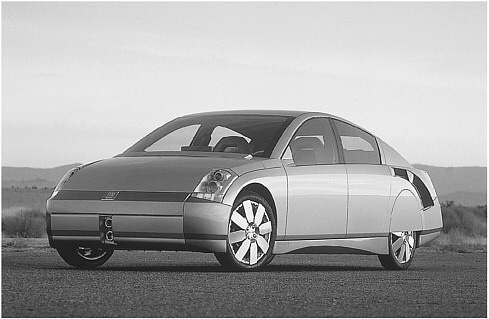
FIGURE 4-1 The General Motors Precept concept vehicle. Source: GM and USCAR.
requires an air compressor, a humidifier, a heater for releasing the hydrogen, a coolant pump, and several heat exchangers. Packaging all of these components without infringing on vehicle utility presents a major challenge. The Precept fuel-cell vehicle shown to the public demonstrates that this packaging can be accomplished. An operating version of this vehicle is anticipated by the end of 2000.
FORD
The Ford Prodigy, also an HEV concept car, is designed to meet all of the functional requirements of Goal 3 and deliver about 70 mpg (Ford, 2000). Ford has chosen a “low storage requirement hybrid design” for this car. The power train, which is considerably simpler than the power train for the GM Precept, consists of a 1.2-liter, four-cylinder, CIDI, turbocharged 55-kW aluminum engine with a starter/alternator that replaces the engine flywheel. A five-speed, automatically shifted, manual transmission is used. The starter/alternator is rated at 3 kW continuous, 8 kW for three minutes, and 35 kW for three seconds. The hybrid NiMH battery is designed for high power, but its storage capacity is only 1.1 kWh. The Prodigy vehicle has an all aluminum body with a wheel base of 109 in (2,781 mm), an overall length of 187 in (4,747 mm), an overall width of
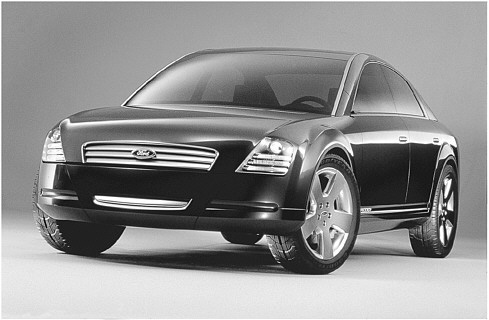
FIGURE 4-2 The Ford Prodigy concept vehicle. Source: Ford Motor Company and USCAR.
69 in (1,755 mm), a curb weight of 2,385 lbs (1,083 kg), and an aerodynamic drag coefficient of 0.199.
Although there are many similarities between the Ford Prodigy and the GM Precept, they represent quite different approaches to meeting Goal 3. Because the Ford power train system is considerably simpler, it is closer to meeting the affordability target of Goal 3, although it sacrifices some fuel economy by limiting the amount of potential regenerative braking. These kinds of trade-offs will have to be made as manufacturers attempt to determine the market acceptability of any of these concepts.
Ford has also demonstrated a fuel cell-powered version of the P-2000 car, predecessor of the Prodigy. This vehicle stores gaseous hydrogen under high pressure.
DAIMLERCHRYSLER
The power train in the DaimlerChrysler ESX3 PNGV concept car is very similar to the one in the Ford Prodigy (DaimlerChrysler, 2000). The battery, however, is expected to be a Li-ion pack with a peak power capability of 22 kW
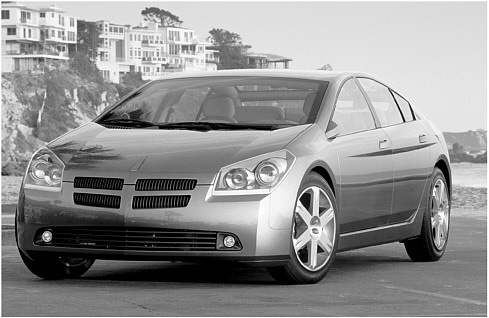
FIGURE 4-3 The DaimlerChrysler ESX3 concept vehicle. Source: DaimlerChrysler Corporation and USCAR.
to supply a DC brushless, permanent-magnet motor instead of a three-phase induction machine. Its six-speed manual transmission has two clutches to smooth shift transitions.
The most innovative feature of the DaimlerChrysler ESX3 is its large injection-molded plastic body sections, which presents the possibility of building a body structure that is simultaneously both lighter in weight and lower in cost than a conventional steel body and fully recyclable. The curb weight of the ESX3, 2,250 lbs (1,021 kg), is lower than the curb weights of the other two concept vehicles(Prodigy: 2,385 lbs (1,083 kg); Precept: 2,590 lbs (1,176 kg). The aluminum body construction used by both the Ford Prodigy and the GM Precept cars is currently significantly higher in cost than a comparable steel body. DaimlerChrysler estimates that the ESX3 could have a $7,500 price premium (Robinson, 2000). The other companies did not provide price estimates.
DaimlerChrysler is pursuing hybrid electric propulsion technology using a CIDI engine in much the same way as the other two manufacturers. Nevertheless, even before the merger with Chrysler, Daimler had shown great interest in fuel cells and had demonstrated an A-class hydrogen-powered fuel-cell car that stores hydrogen as a liquid.
SUMMARY
The construction and public demonstration of these concept vehicles are the result of massive efforts by all of the car companies and is a major step forward for the PNGV program. USCAR solicited its members for expenditures on “PNGV-related” research and estimated the combined annual expenditure of the three companies for the last three years was about $980 million. As development on these vehicles proceeds, much valuable information will be obtained to guide the extensive performance improvements, cost reductions, and manufacturing development that will be necessary to move to the next stage of the PNGV program, production-ready prototypes by 2004.


